Autonomous Marine Systems (AMS) are robotic surface and underwater platforms that use integrated navigation, sensing, control, communications, and onboard computing to conduct missions with reduced reliance on continuous human control. Marine autonomous systems include AUVs, ASVs, underwater gliders, profiling platforms, and larger autonomous vessels.
This page showcases manufacturers of autonomous marine vessels and systems used for oceanographic research, infrastructure inspection, environmental monitoring, and maritime security.
If you design, build or supply Autonomous Marine Systems, create a profile to showcase your capabilities and connect with visitors who have an active requirement for your solutions.
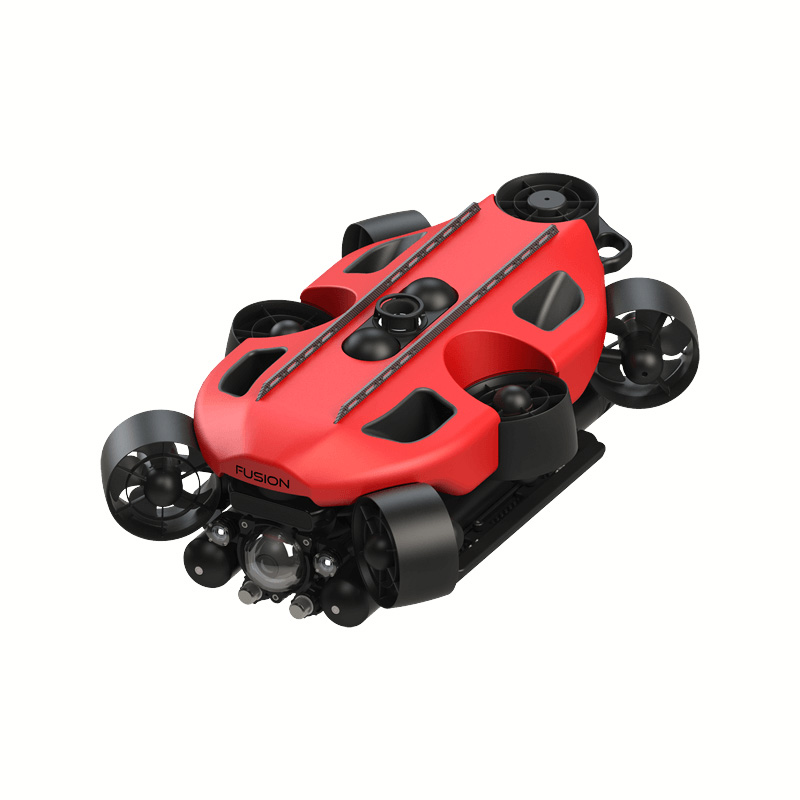
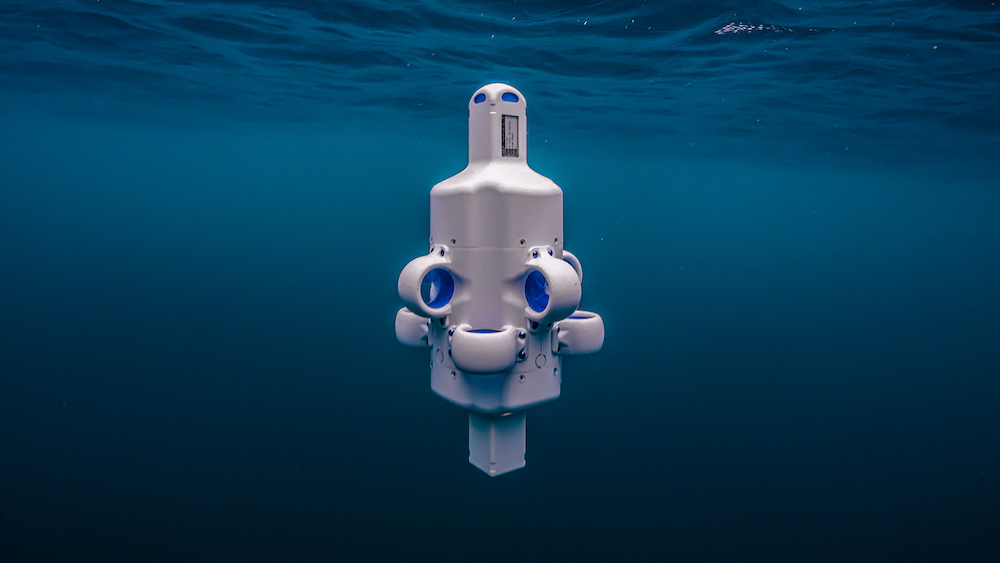
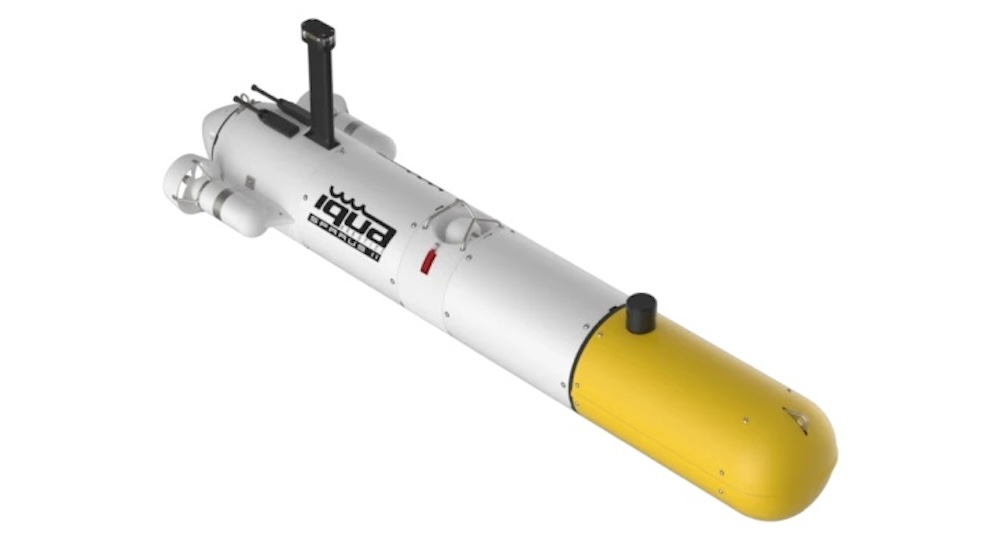
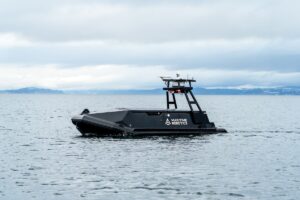
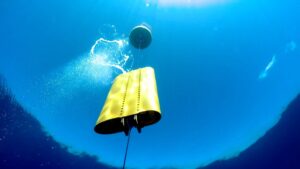
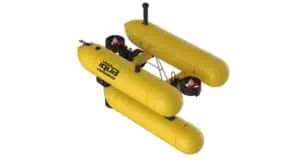
...ced propulsion system make it ideal for a wide range of oceanographic missions, ensuring optimal... ...ncy propulsion system enables long-range and extended-duration water column observation....
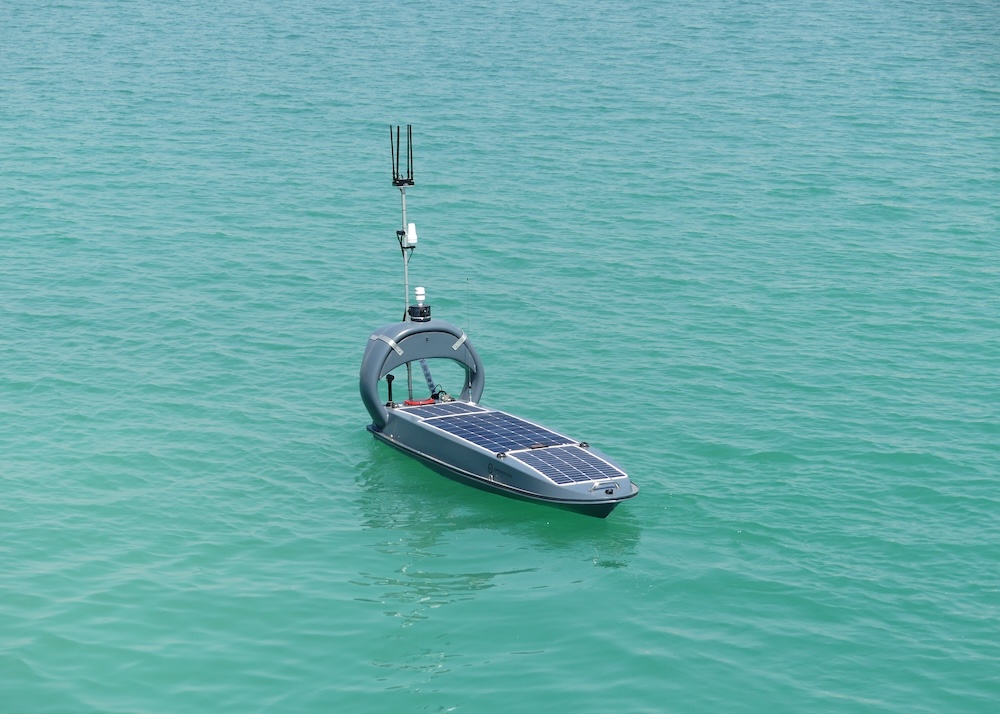
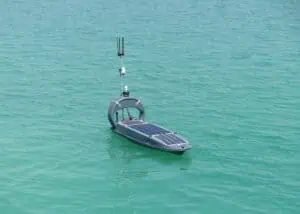
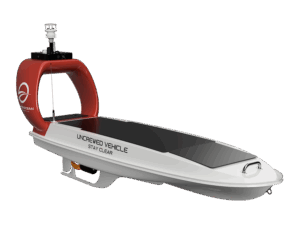
Long-endurance solar powered USV platforms for autonomous data collection
Long-endurance solar powered USV platforms for autonomous data collection
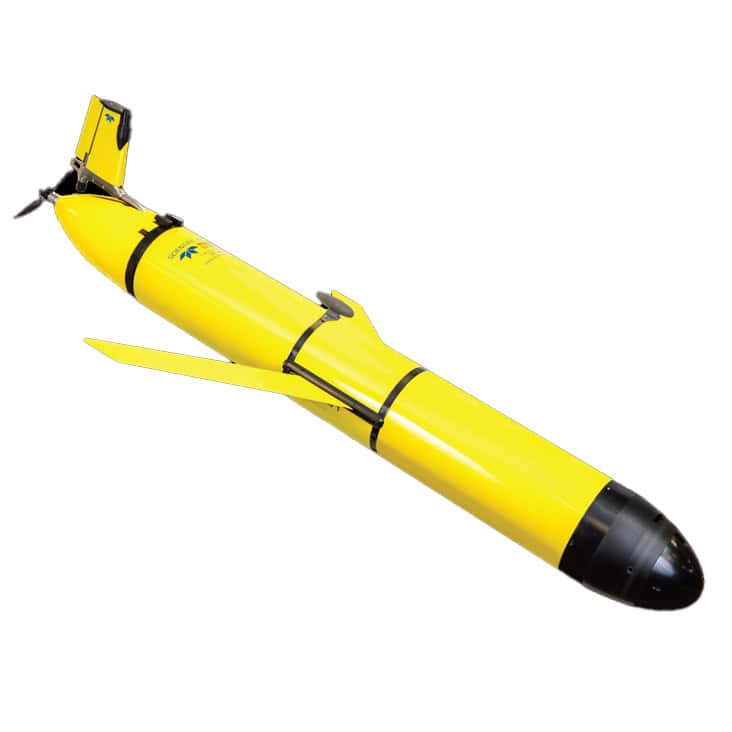
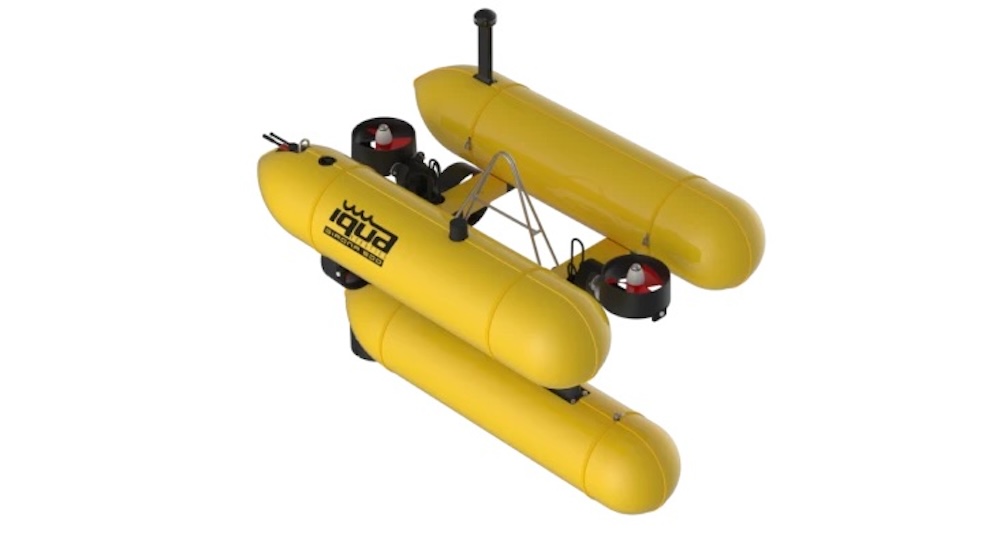
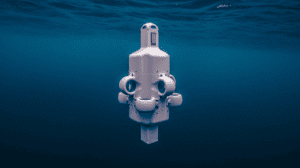
...he harshest of marine conditions. Featuring a patented self-righting system for quick recovery, a... ... a custom LARS system is available for easy launch and recovery at sea. A variety of communication...
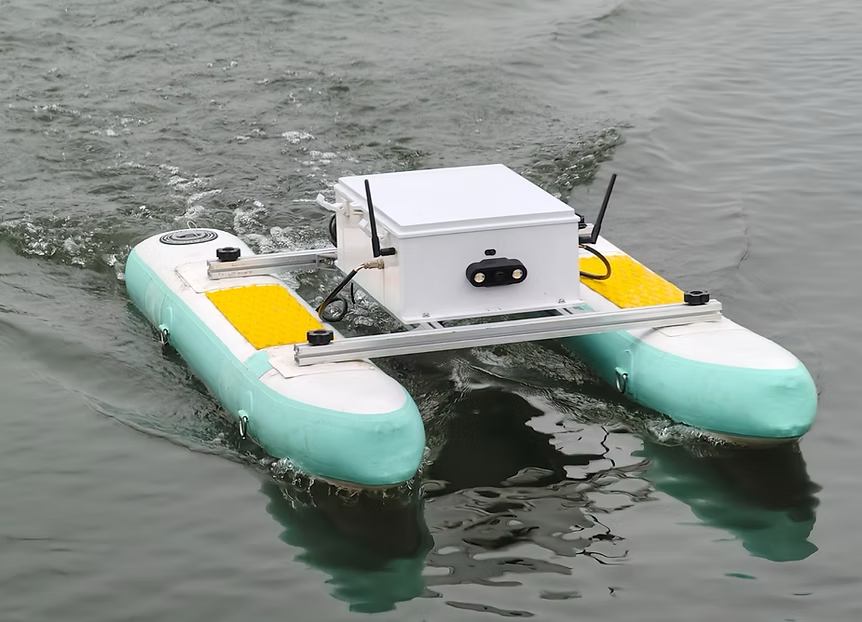
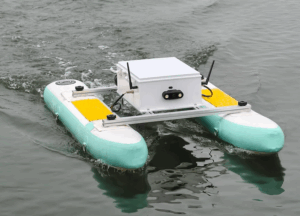
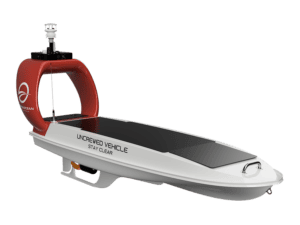
Lightweight autonomous surface vessel for multi-sensor aquatic operations
Lightweight autonomous surface vessel for multi-sensor aquatic operations
...ard propulsion system and autonomous navigation suite support precise control and high-efficiency... ...... is a mission-ready platform for field-based data acquisition across diverse marine environments....
Overview of Autonomous Marine Systems: AUV, ASV & Autonomous Gliders
Overview by
William Mackenzie
Updated:
Introduction to Autonomous Marine Systems (AMS)
Autonomous Marine Systems (AMS) are robotic platforms designed to operate on or beneath the ocean with reduced reliance on continuous human control. They combine navigation, control, communications, sensing, and onboard computing to perform missions ranging from scientific observation and hydrographic survey to infrastructure inspection and environmental monitoring.
Modern marine autonomous systems include vehicles of very different sizes, endurance levels, and operating concepts. Some follow predefined routes, while more advanced autonomous marine vehicles can interpret sensor data, adjust mission behavior, and respond to changing environmental or operational conditions. The degree of autonomy varies considerably, and many systems retain some level of remote supervision or operator intervention.
Autonomous vessel, the DataXplorer™ USV from Open Ocean Robotics.
Types of Autonomous Marine Systems
Autonomous Underwater Vehicles (AUVs)
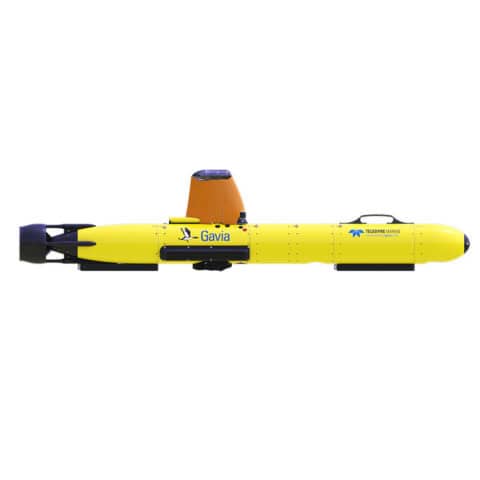
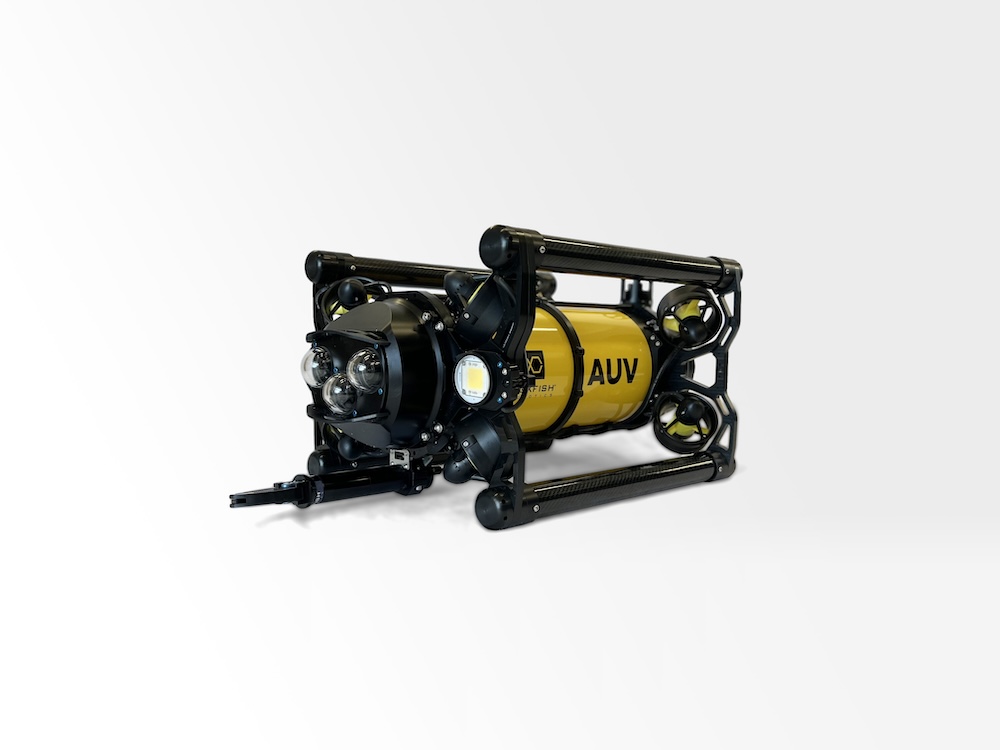
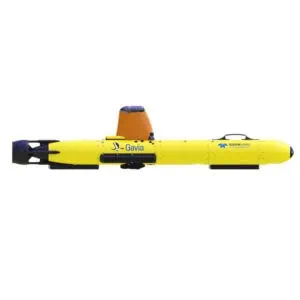
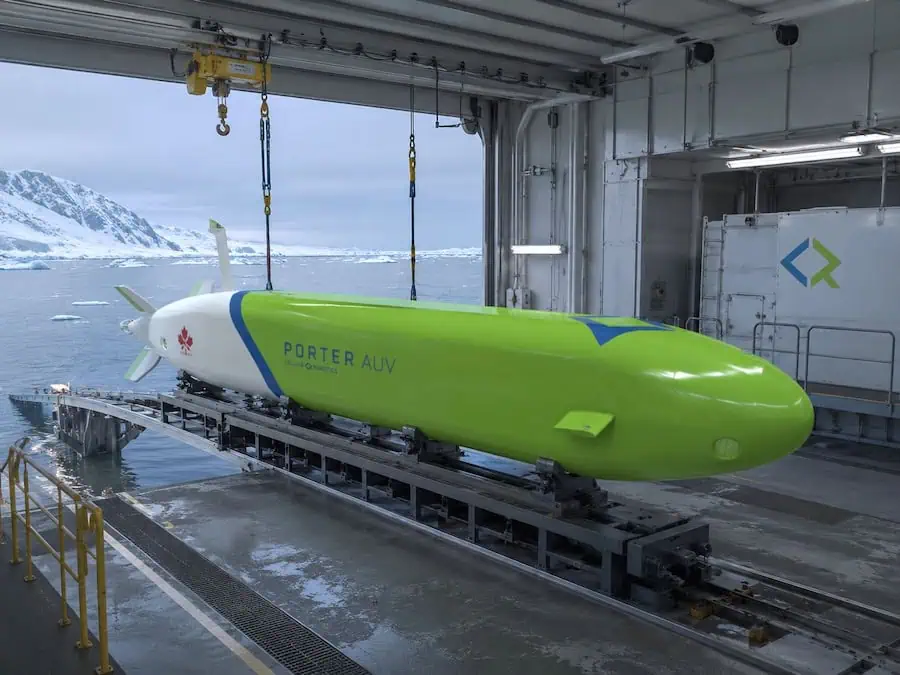
Autonomous Underwater Vehicles (AUVs) are untethered Unmanned Underwater Vehicles (UUVs) that navigate below the surface using onboard control, inertial navigation, acoustic positioning, and other positioning systems. AUVs are widely suited to seabed mapping, scientific sampling, geophysical survey, infrastructure inspection, and other missions where persistent tethered control would restrict range or maneuverability.
Autonomous Surface Vessels (ASVs)
Autonomous Surface Vessels (ASVs) operate on the water surface using propulsion, steering, navigation, situational awareness, and collision-avoidance technologies. ASVs can support hydrographic survey, environmental monitoring, offshore inspection, communications relay, and other missions while reducing the need to place personnel aboard smaller survey craft. Depending on their level of autonomy, they may operate independently for defined tasks or remain under remote supervision.
Autonomous Underwater Gliders
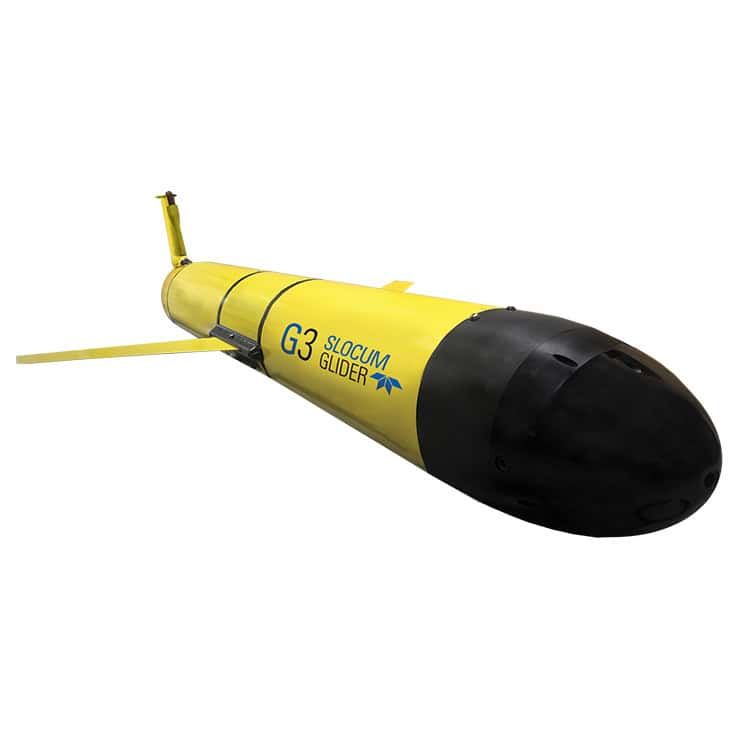
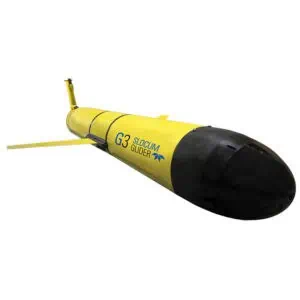
Underwater gliders move by changing buoyancy and converting vertical motion into forward travel through hydrodynamic wings. Their low-power propulsion makes them well suited to long-duration oceanographic missions involving temperature, salinity, dissolved oxygen, fluorescence, and other water-column measurements.
Autonomous Ships and Vessels
Larger autonomous vessels apply autonomous vessel technology to commercial, research, offshore, or logistics operations. Depending on the application, autonomous ship technology may support route planning, machinery monitoring, situational awareness, collision avoidance, and remote supervision. Marine autonomous surface ships may operate at different levels of autonomy rather than functioning without human oversight in every situation.
Autonomous Profiling Platforms
Autonomous profiling platforms repeatedly travel through the water column to collect measurements at different depths. These systems include profiling floats and other vertically mobile instruments used to observe physical and biogeochemical ocean conditions over extended deployments.
Key Applications of Autonomous Marine Systems
Oceanographic and Biological Research
Autonomous marine systems allow researchers to collect repeatable measurements over areas and timescales that can be difficult to cover using research vessels alone. They can carry physical, chemical, acoustic, and biological sensors while following programmed transects, profiles, or adaptive sampling strategies.
Hydrographic and Geophysical Survey
Autonomous survey vessels and underwater vehicles can carry multibeam echosounders, side-scan sonar, sub-bottom profilers, magnetometers, and positioning equipment. Their ability to follow accurate and repeatable survey lines can support bathymetric mapping, seabed characterization, route survey, and other hydrographic or geophysical data-acquisition tasks.
Seafloor Mapping and Deep-Ocean Exploration
AUVs are particularly valuable for high-resolution seabed investigation because they can operate closer to the seafloor than many surface-mounted survey systems. Depth-rated autonomous marine vehicles can also explore deep-ocean environments using sonar, cameras, environmental sensors, and geophysical instruments while operating beyond the practical reach of continuous surface control.
Subsea Infrastructure and Coastal Inspection
Autonomous maritime systems can inspect pipelines, subsea cables, offshore structures, harbor infrastructure, and coastal assets using sonar and optical sensing. Repeat autonomous missions can also help operators compare datasets collected along consistent routes over time and identify changes that may warrant closer investigation.
Environmental Monitoring and Marine Conservation
Marine autonomous systems can support water-quality assessment, habitat observation, pollution monitoring, fisheries research, and broader ocean-observing programs. Long-duration vehicles provide a way to increase spatial and temporal coverage without requiring a crewed vessel to remain on station continuously.
Naval and Maritime Security Operations
Autonomous marine systems can support surveillance, reconnaissance, mine countermeasures, harbor monitoring, and seabed inspection. Surface and underwater platforms can extend operational coverage while reducing the need to place personnel in hazardous or difficult-to-access environments.
Core Technologies Enabling Autonomous Marine Systems
The autonomy of these platforms depends on several closely integrated control, sensing, computing, communications, and safety technologies.
Autonomous marine systems from Advanced Navigation, the Hydrus Micro Hovering AUV.
Autopilots andcontrol systems: Autopilots translate navigation and mission commands into steering, propulsion, depth, attitude, or station-keeping actions while maintaining vehicle stability and control.
Mission computers and autonomy software: Onboard computers execute mission plans, manage behaviors, process sensor information, coordinate responses to changing conditions, and support fault detection or safe responses when equipment performance degrades.
Navigation and positioning systems:GNSS, Inertial Navigation Systems (INS), Inertial Measurement Units (IMUs), Doppler Velocity Logs (DVLs), depth sensors, and acoustic positioning systems help determine vehicle position and movement. Underwater vehicles cannot normally use GNSS while submerged, so they rely on inertial, acoustic, velocity, and depth measurements until they surface or otherwise obtain a position update.
Perception and obstacle detection: Radar, AIS, cameras, LiDAR, and sonar can provide situational awareness for vessel detection, terrain recognition, seabed clearance, and obstacle avoidance. Radar, AIS, cameras, and LiDAR are primarily associated with surface or above-water perception, while sonar provides an important sensing capability underwater.
Sensor fusion and state estimation: Software combines measurements from multiple sensors to produce a more reliable estimate of position, attitude, velocity, and surrounding conditions, particularly when an individual sensor becomes inaccurate or temporarily unavailable.
Path planning and collision avoidance: Autonomous planning software generates routes, responds to obstacles, and can modify trajectories as environmental or traffic conditions change. Surface systems may also need to account for applicable maritime navigation rules, right-of-way requirements, and operational constraints when selecting safe maneuvers.
Communications and remote supervision: Radio, cellular, satellite, and underwater acoustic links support telemetry, mission updates, supervisory control, and selective transfer of mission data. Because underwater acoustic communications are generally more limited than surface radio or satellite links, underwater platforms must often continue missions safely with intermittent communication.
Power and energy management: Battery monitoring and power-management systems balance propulsion, sensing, communications, and computing loads against available mission endurance while preserving sufficient energy for recovery or other critical functions.
Together, these technologies form the control architecture that distinguishes autonomous vessel engineering from conventional remotely operated or manually controlled marine platforms, although autonomous systems can still incorporate remote supervision and human intervention. Reliable operation also depends on fault management and safe recovery behavior when communications, sensors, propulsion, or other critical systems degrade.
Emerging Developments in Autonomous Marine Systems
Development is increasingly focused on extending endurance, improving onboard decision-making, strengthening operational reliability, and reducing the amount of direct human intervention required during complex missions.
Artificial intelligence and adaptive autonomy: Improved onboard processing can enable systems to classify sensor data, identify events, modify survey behavior, and prioritize observations during a mission rather than relying entirely on decisions made before deployment.
Persistent and resident autonomy: Resident underwater vehicles can remain deployed around subsea infrastructure and use docking systems for data transfer, recharging, or sheltered standby between missions. A resident autonomous vehicle may therefore perform repeated inspections without routine recovery to a support vessel.
Greater multi-vehicle coordination: Cooperative autonomy is allowing surface and underwater platforms to share tasks, relay communications, and collect complementary datasets across wider areas. This can distribute sensing and survey activity rather than relying on a single vehicle to complete the entire mission.
Improved energy technologies: Advances in batteries, energy management, low-power electronics, docking, and renewable energy harvesting on suitable platforms are supporting longer and more persistent autonomous operations.
These developments are moving autonomous marine systems toward longer deployments, more adaptive mission execution, greater operational resilience, and closer integration with wider ocean-observing, offshore, scientific, and maritime operational networks.
Cellula Robotics and FERRI have formed Nautical Reach Systems to develop marine motion, lift and handling solutions for autonomous operations in harsh environments at sea
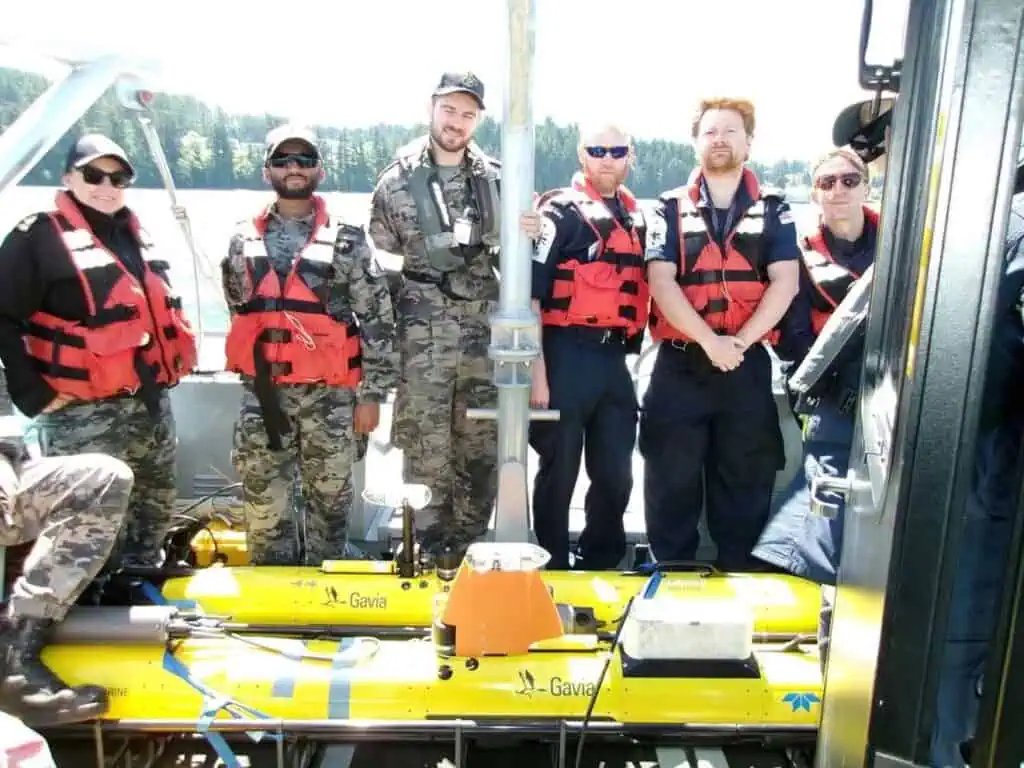
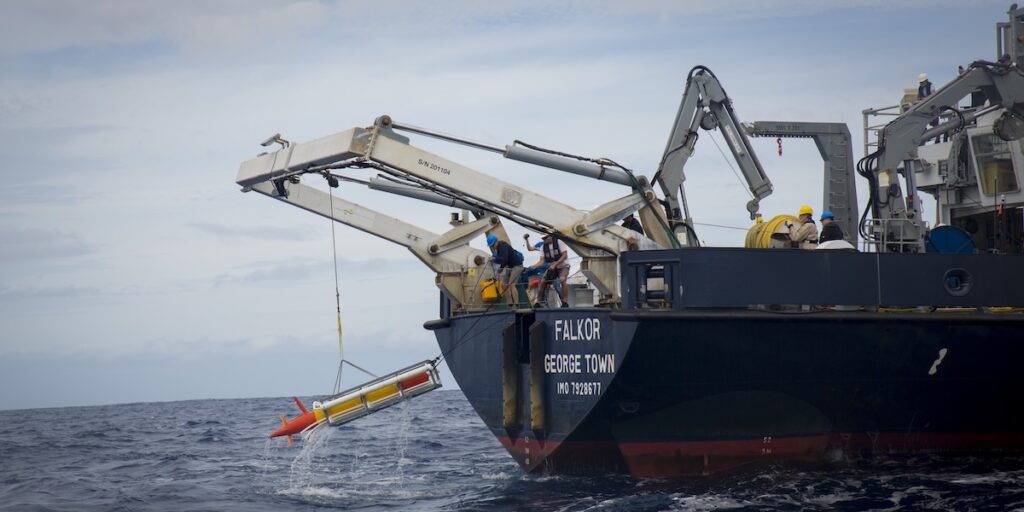
The navies of Britain, Australia and the United States have successfully conducted a six-week operational exercise deploying advanced autonomous underwater vehicles to protect critical seabed infrastructure from hostile foreign actors
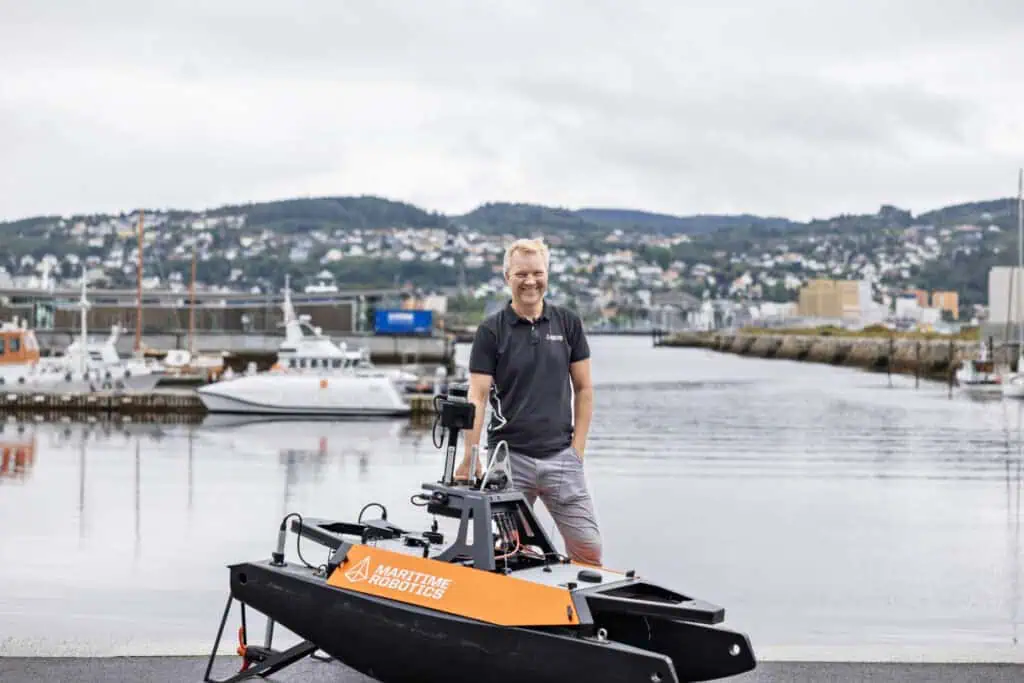
Maritime Robotics has secured €28 million in growth investment to scale manufacturing, expand its product portfolio, and support rising demand for autonomous maritime systems
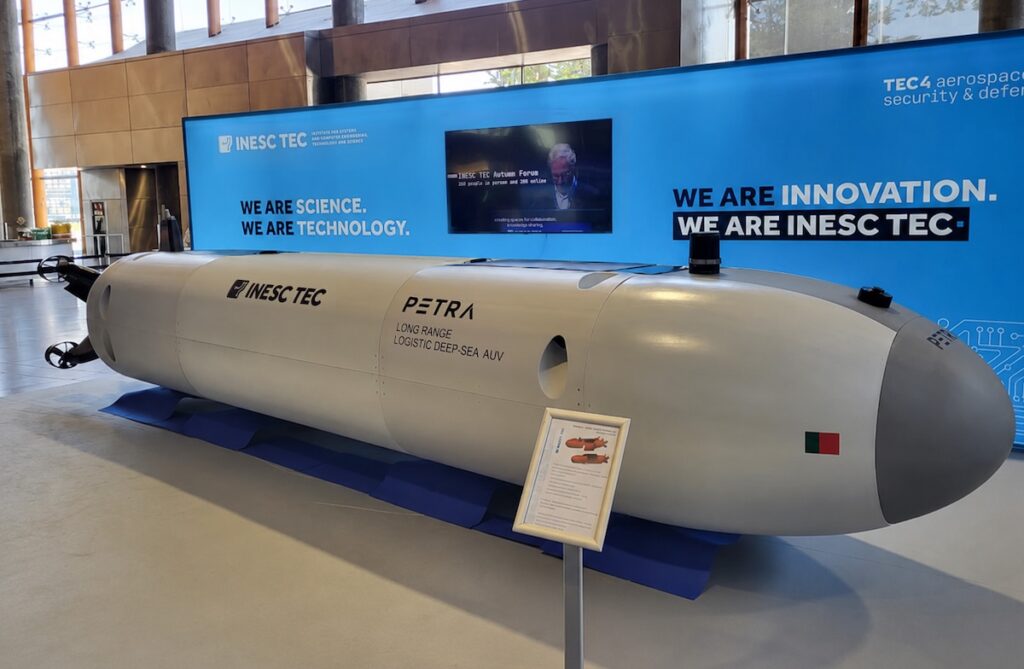
INSEC TEC researchers are developing a highly advanced autonomous underwater vehicle capable of remaining on the seabed for weeks to provide cost-effective logistical support and continuous data collection during remote deep-sea missions
A collaborative research team has demonstrated how autonomous underwater vehicles can track remote microbial activity and ocean biogeochemistry over daily cycles, transforming our understanding of marine life and ocean health
Ocean Power Technologies has successfully demonstrated self-sufficient docking and charging for its WAM-V surface vehicle to enable persistent autonomous maritime missions
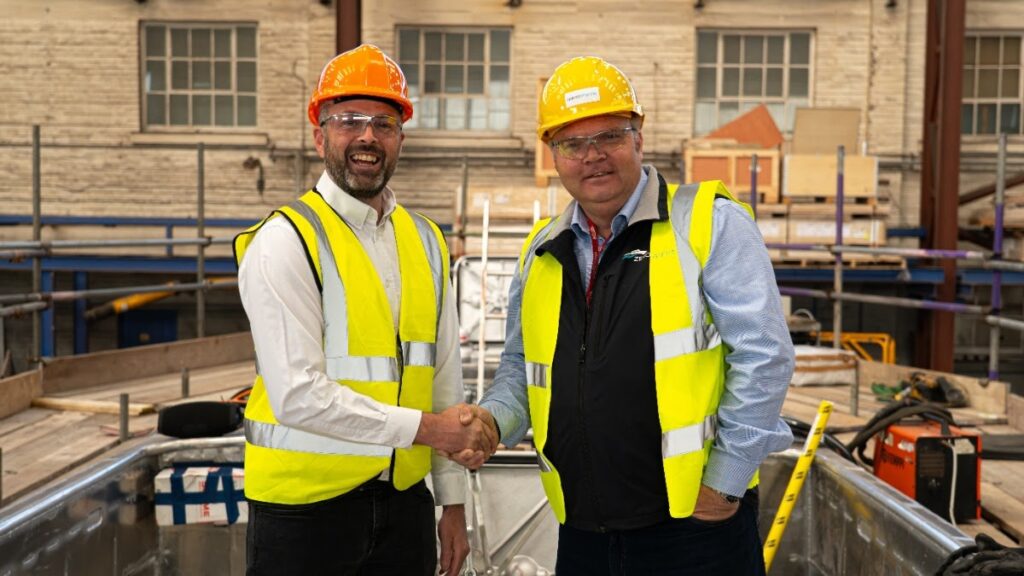
Production capacity has been secured for ZeroUSV’s Oceanus class autonomous craft at Manor Marine’s Portland shipyard, strengthening the UK’s sovereign shipbuilding capabilities and high-tech maritime export potential for future
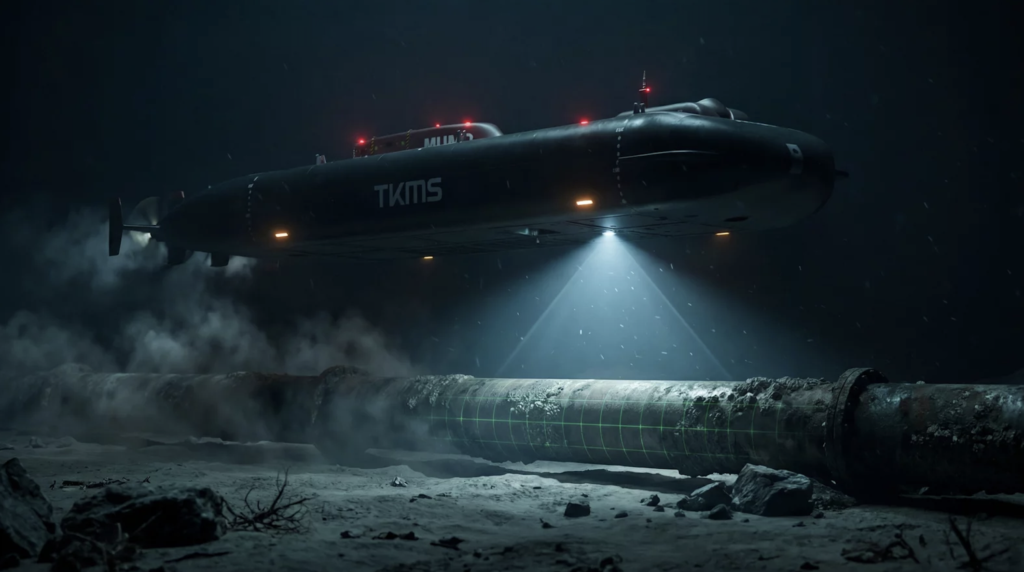
The 25-meter MUM demonstrator marks a significant milestone in maritime engineering by meeting rigorous DNV underwater technology standards ahead of its 2026 maiden voyage
The latest offshore, subsea & marine technology news, straight to your inbox.
Get our weekly roundup of technology developments, new products and industry news.
THANK YOU FOR SIGNING UP
Thanks for joining us. Check your inbox.
We've sent you an email. Click the confirmation link to complete your subscription to the weekly eBrief. In the meantime, explore the latest news, suppliers and technologies.