Remotely Operated Vehicles (ROV) for Underwater Exploration & Marine Science
Remotely operated vehicles (ROVs), also known as remotely operated underwater vehicles (ROUVs), are tethered, unmanned submersible systems used for observing, inspecting, and interacting with underwater environments. As indispensable tools in marine science, offshore industries, environmental monitoring, and defense operations, ROVs are engineered for precision, versatility, and durability in challenging subsea conditions.
If you design, build or supply Remotely Operated Vehicles (ROV), create a profile to showcase your capabilities and connect with visitors who have an active requirement for your solutions.
Remotely Operated Vehicles (ROV) for Underwater Exploration & Marine Science
Overview by
Sarah Simpson
Updated:
From shallow coastal waters to deep-sea trenches, ROVs enable real-time underwater operations without putting human divers at risk. Their modularity allows for various configurations, supporting everything from marine archaeology and sediment sampling to EOD (explosive ordnance disposal) and subsea infrastructure inspection. Understanding the structure, operation, and classifications of ROVs, especially in contrast to AUVs, provides critical insight into their growing role in marine science and technology.
What Is an ROV?
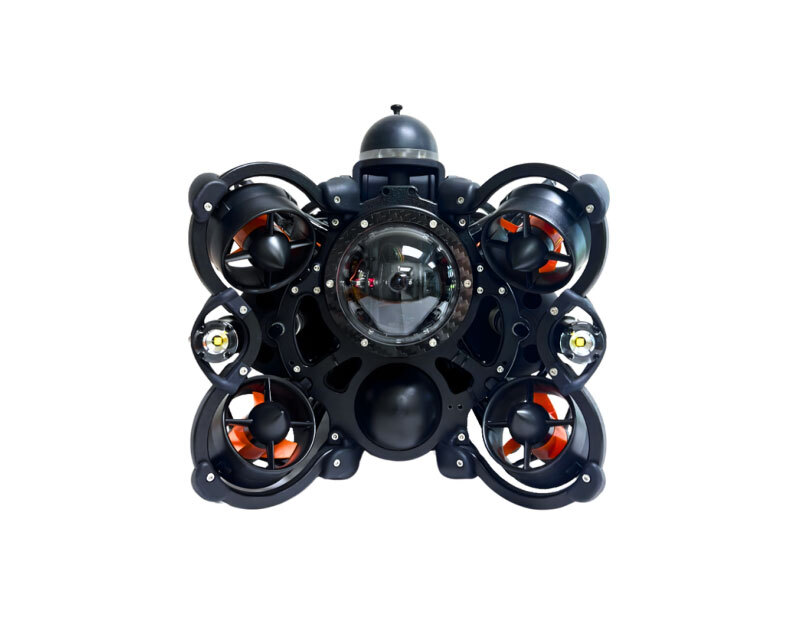
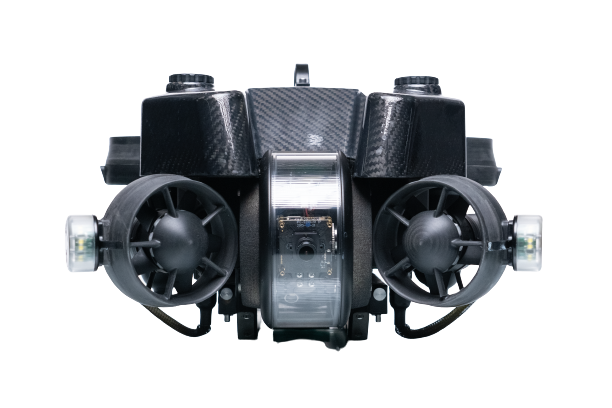
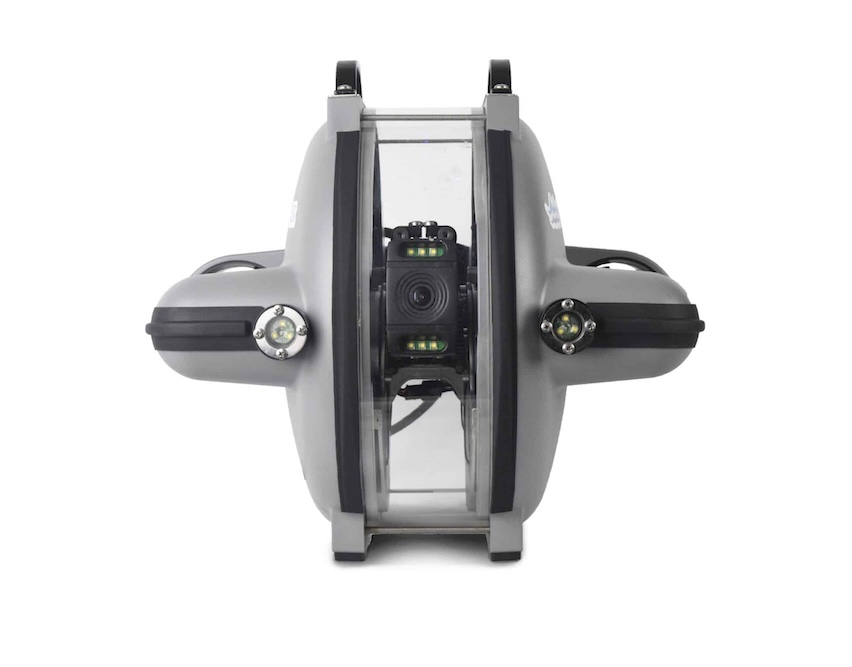
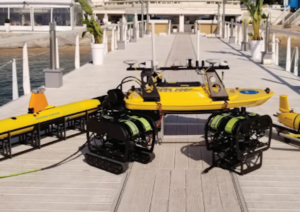
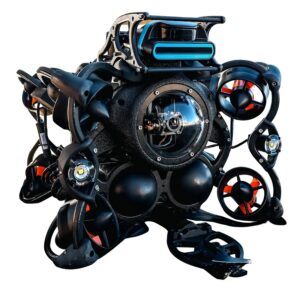
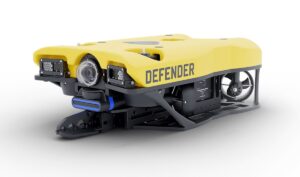
Mission Specialist Defender ROV by VideoRay
A remotely operated vehicle (ROV) is a tethered underwater robot used primarily for ocean exploration, inspection, maintenance, and data collection.
Unlike autonomous underwater vehicles (AUVs), which operate independently, ROVs are controlled from the surface via an umbilical cable or fiber-optic tether that supplies power and relays data between the operator and the vehicle.
ROVs often have high-definition cameras, sonar systems, manipulator arms, sampling tools, and specialized sensors for structural integrity monitoring, water quality assessment, underwater surveillance, and marine biology research. Depending on mission requirements, an ROV system may be integrated with advanced navigation, communication, and control systems that enable precise maneuvering and real-time data acquisition.
Comparison: ROVs vs AUVs
Both ROVs and AUVs fall under the broader category of unmanned underwater vehicles (UUVs), but they differ significantly in operation, purpose, and design.
ROVs are tethered and actively controlled in real-time by surface operators, allowing for interactive tasks such as underwater welding, salvage operations, or ship hull inspections. The tether enables long-duration missions and continuous data transmission, but limits range and requires surface vessel support.
AUVs, in contrast, are untethered and operate autonomously based on pre-programmed instructions. They are better suited for broad-area surveys such as seabed mapping, mine hunting, and environmental impact assessments. Their independence allows them to access tighter spaces and cover large distances, but they cannot perform interactive tasks or adapt quickly to unexpected obstacles.
Many operations now use both systems complementarily, ROVs for intervention and detailed observation, and AUVs for wide-area data collection.
Classes of ROVs
ROVs are typically categorized based on size, capabilities, and mission type. The two primary classifications are inspection and work classes, with further distinctions in micro, light work, and specialty platforms.
Inspection Class ROVs
These small, lightweight systems are designed for visual inspection, monitoring, and basic sensor deployment. Often used in marine science, underwater archaeology, and infrastructure inspection, inspection-class ROVs typically feature cameras, sonar, and limited manipulation capabilities. Their portability and cost-effectiveness make them ideal for universities, research institutions, and environmental monitoring agencies.
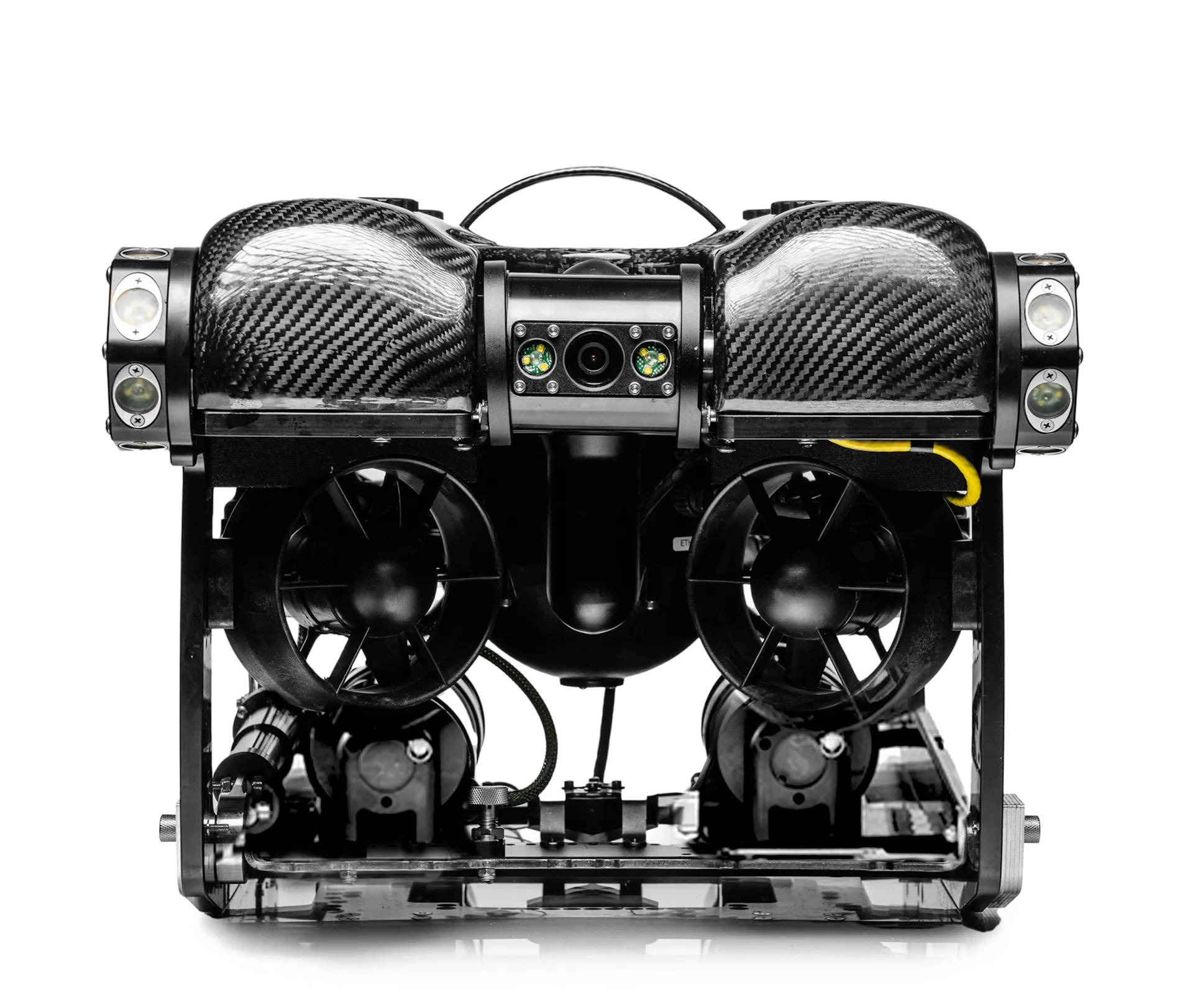
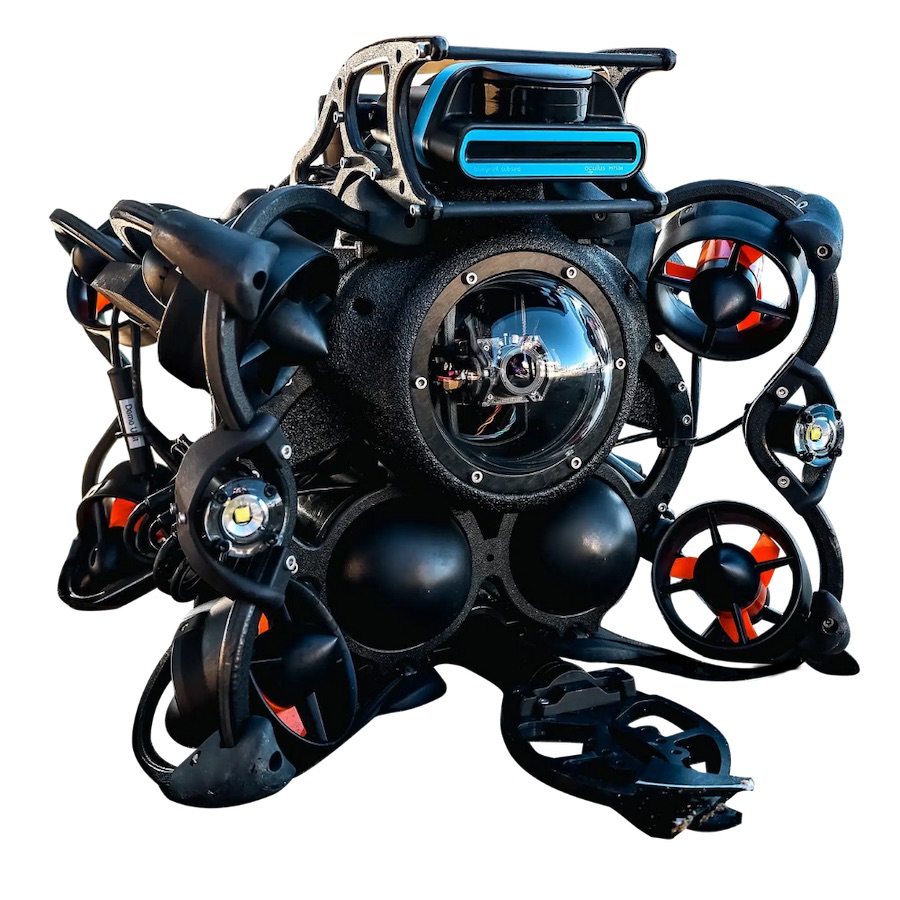
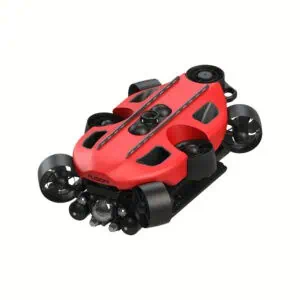
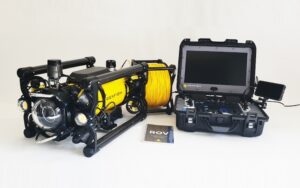
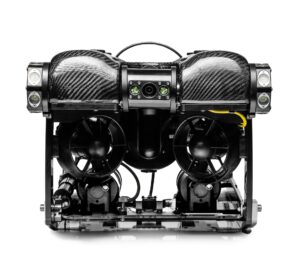
PIVOT Remotely Operated Vehicle by Deep Trekker
Work-Class ROVs
Work-class ROVs are significantly larger and more powerful, often equipped with dual manipulator arms, heavy-duty propulsion, and a wide array of sensors and tools. Used in offshore oil and gas, subsea construction, and naval operations, they can perform tasks such as cutting, welding, dredging support, and mine countermeasures. These ROVs operate at extreme depths and require robust surface control systems and dynamic positioning vessels.
Micro and Mini ROVs
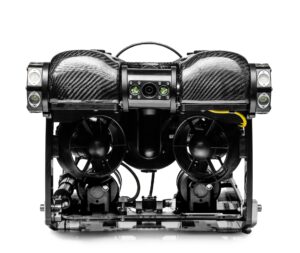
Sometimes referred to as portable or “box frame” ROVs, micro-class systems are compact and highly maneuverable, ideal for shallow-water applications and quick deployment. Though limited in payload and depth rating, advances in battery power and camera technology have expanded their utility in areas such as coral reef monitoring and port security inspection.
Specialty and Crawler ROVs
Crawler ROVs are designed to travel along the seafloor or underwater structures. Often using tracks instead of wheels, they are used for pipeline inspection, seabed surveys, and tasks requiring stability on uneven terrain. Resident underwater vehicles, a recent innovation, remain deployed at depth and can be remotely activated when needed, eliminating the need for surface deployment on every mission.
ROV Components & Technology
An ROV system consists of multiple integrated components:
Software interface (navigation, telemetry, and mission planning)
Battery-powered ROVs are increasingly common in micro and mini platforms, while high-power operations still rely on topside energy sources. Modular systems allow for payload flexibility depending on the operational scope, from scientific research to offshore engineering.
Key Applications
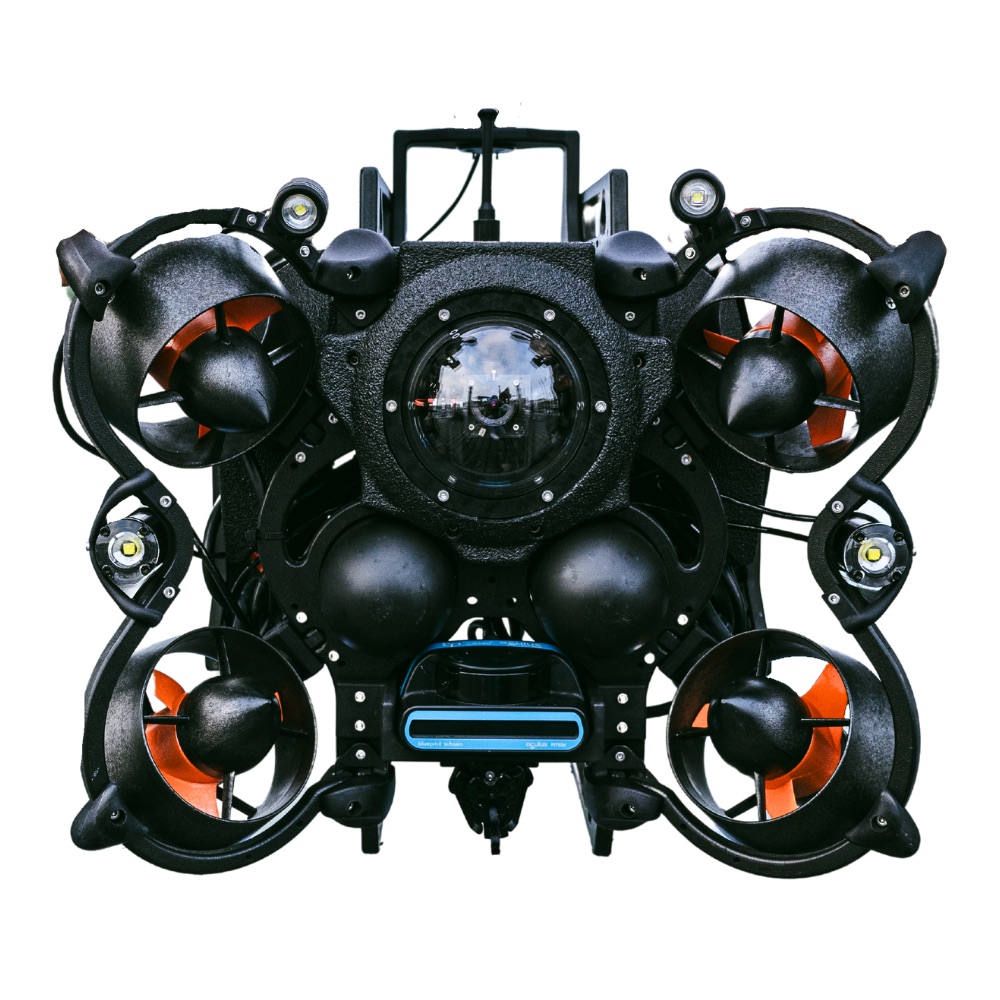
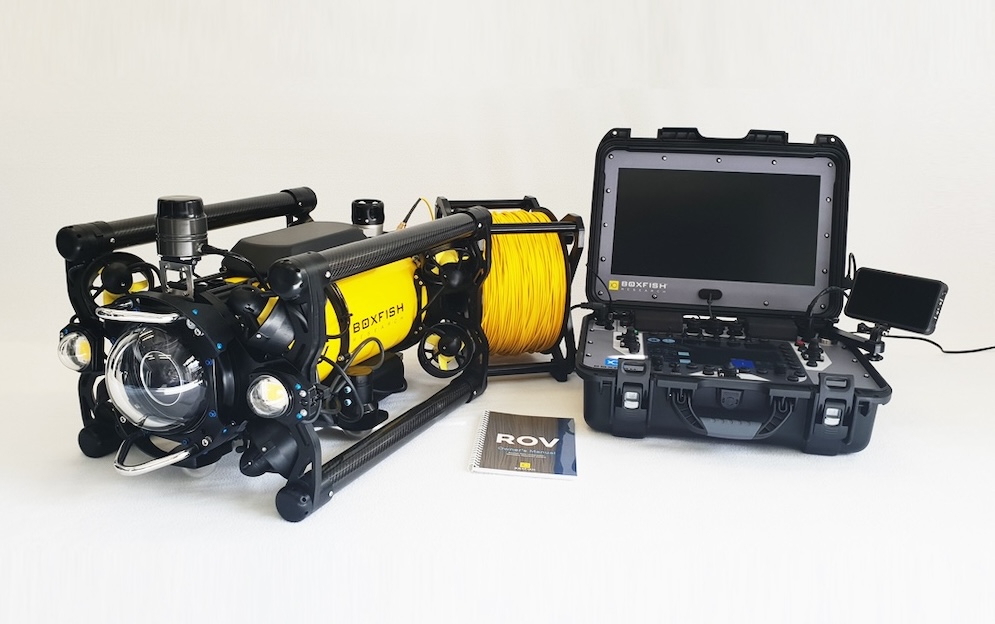
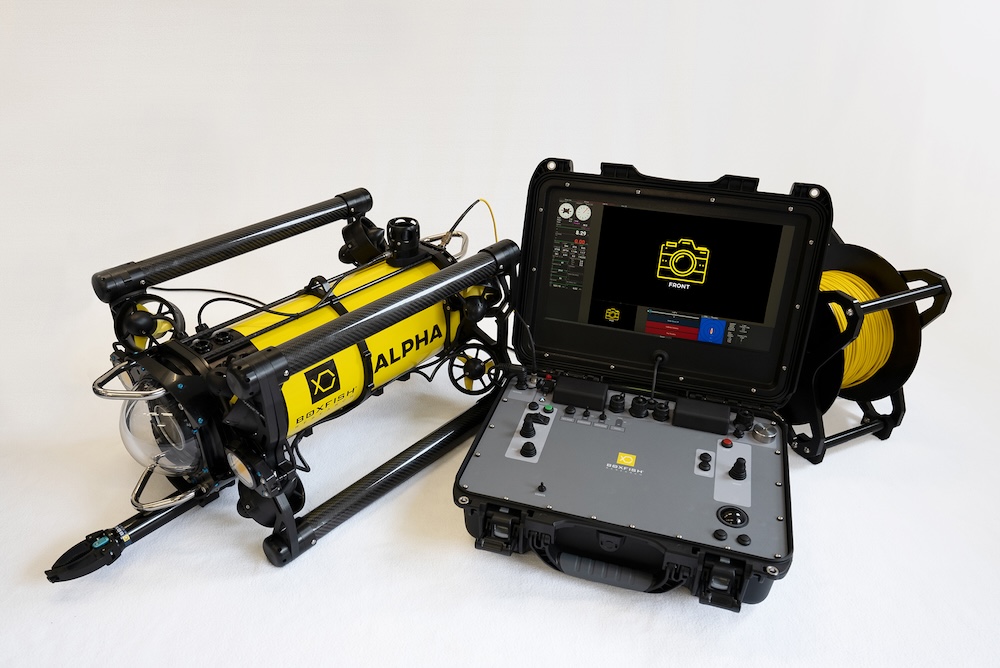
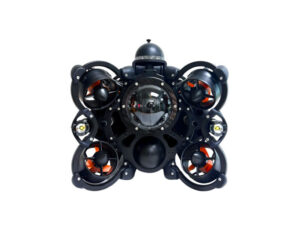
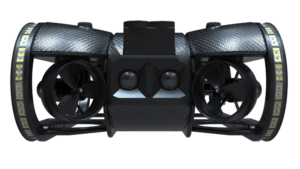
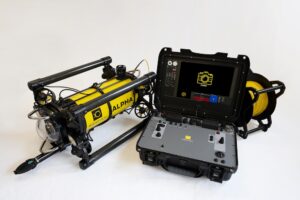
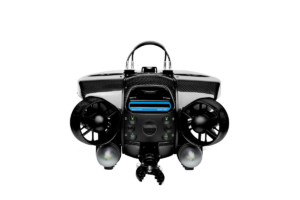
Boxfish LUNA ROV by Boxfish Robotics
ROVs are deployed across a wide range of marine domains, where their ability to operate in remote, hazardous, or sensitive underwater environments delivers critical value. Their flexibility, sensor integration, and manipulative capabilities make them essential for modern marine operations. Below are the primary sectors where ROVs play a key role:
Environmental Monitoring
ROVs support environmental impact assessments, sediment sampling, and water quality monitoring in coastal, deep-sea, and estuarine environments. They track pollutants, analyze current-driven sediment dispersion, and monitor changes in marine ecosystems over time. ROV-mounted cameras and sensors enable the study of coral reef health, seagrass density, and biodiversity trends without disturbing the habitat. These data are vital for climate studies, conservation efforts, and marine protected area (MPA) management.
Oil and Gas
The offshore energy sector relies heavily on ROVs for underwater inspection, maintenance, and repair (IMR) of subsea pipelines, risers, and production infrastructure. Work-class ROVs are routinely used for tasks such as bolting, cutting, and cleaning, often in combination with real-time sonar imaging and non-destructive testing (NDT). Their role is critical in ensuring structural integrity, reducing downtime, and improving operational safety. ROVs are also key to decommissioning operations and subsea tie-in projects in harsh deep-sea environments.
Defense
In military and security contexts, ROVs provide safe, precise tools for conducting mine countermeasures (MCM), underwater explosive ordnance disposal (EOD), and port security inspections. They allow naval EOD teams to assess and neutralize threats without risking divers’ lives, and are instrumental in hull inspections for contraband or tampering. Some advanced models integrate sonar, x-ray, and manipulator capabilities for identification and remote disarming of underwater mines.
Marine Archaeology
ROVs offer non-invasive means of exploring shipwrecks, submerged settlements, and historically significant underwater structures. High-definition video and photogrammetry tools enable detailed documentation and 3D reconstruction of archaeological sites, even at extreme depths where human divers cannot reach. Their ability to navigate tight or fragile areas makes them ideal for preserving artifacts while capturing critical research data.
Marine Biology
ROVs facilitate the exploration of biologically diverse and previously inaccessible habitats, such as hydrothermal vents, cold seeps, and deep-sea coral reefs. Equipped with high-sensitivity cameras and bio-logging sensors, they allow researchers to observe species behavior in situ, document previously undiscovered organisms, and collect biological samples for genetic and chemical analysis. ROVs also support long-term ecological research through the deployment and maintenance of subsurface observatories.
Oceanography
In oceanographic research, ROVs are vital for deploying scientific instruments and retrieving long-term sensor packages from the seafloor. They support current profiling, temperature and salinity monitoring, and chemical sensing operations. Their maneuverability allows them to place instruments in precise locations, such as near underwater vents or in fault zones, and to assist in seafloor mapping with multibeam sonar systems. This is essential for understanding ocean circulation, climate interactions, and geological processes.
Commercial Inspection
In commercial maritime operations, ROVs inspect ship hulls, propellers, thrusters, and ballast tank interiors. They support classification society surveys and maintenance planning without dry-docking the vessel, significantly reducing downtime and cost. In the renewable energy sector, ROVs inspect and maintain offshore wind turbine foundations, subsea cabling, and mooring systems, often in brutal weather or current conditions.
Scientific Research
Across scientific disciplines, ROVs enable precision sampling and real-time data acquisition at depths unreachable by human divers or too dynamic for stationary instruments. Tasks include geological coring, sediment profiling, and chemical sampling of underwater plumes. Scientists can remotely operate ROVs during live missions, allowing adaptive exploration based on preliminary findings. Their contributions are central to breakthroughs in deep-sea exploration, earth science, and ecosystem dynamics.
Market Landscape & Manufacturers
The ROV market continues to expand, with innovations in control systems, AI-enhanced navigation, and compact modular design. Leading ROV manufacturers include companies specializing in both large work-class systems and agile micro platforms. The demand for customizable, versatile ROVs is particularly strong in environmental and scientific applications, where flexibility, portability, and data fidelity are critical.
Emerging trends include:
AI-assisted ROV control for semi-autonomous maneuvering
Improved tether management and fiber-optic communication
Greater depth ratings and hybrid ROV/AUV systems
Compact ROVs for rapid deployment and remote survey missions
ROV rental services and leasing models are also gaining traction, particularly for short-term offshore projects and academic research.
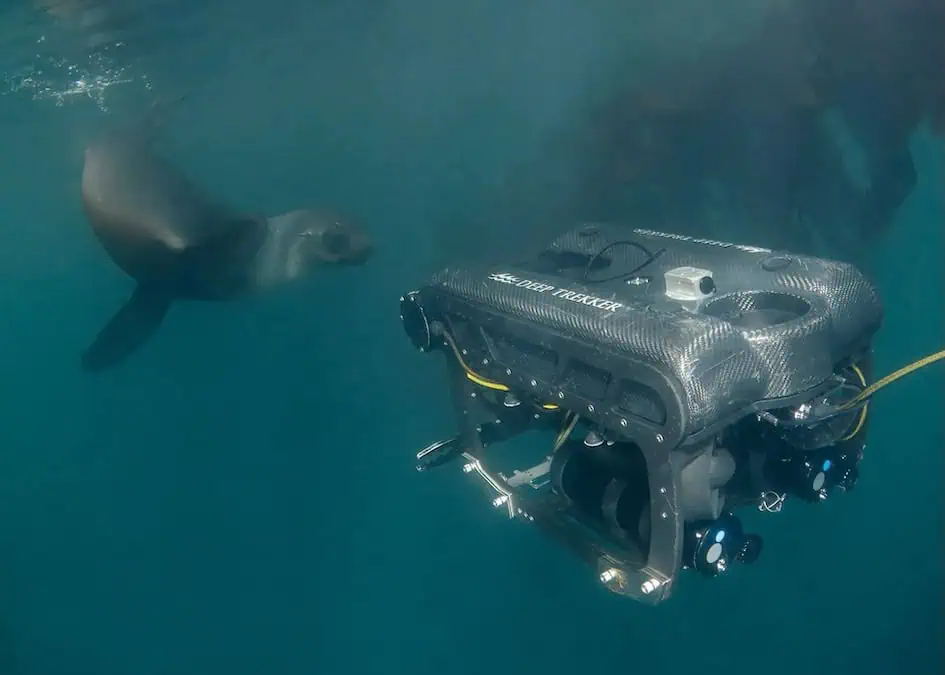
Deep Trekker outlines how its PIVOT ROV supported a 24-day Antarctic expedition, collecting subsea observations for research into benthic ecosystems, hydrothermal systems, glacial change, and the wider polar marine environment
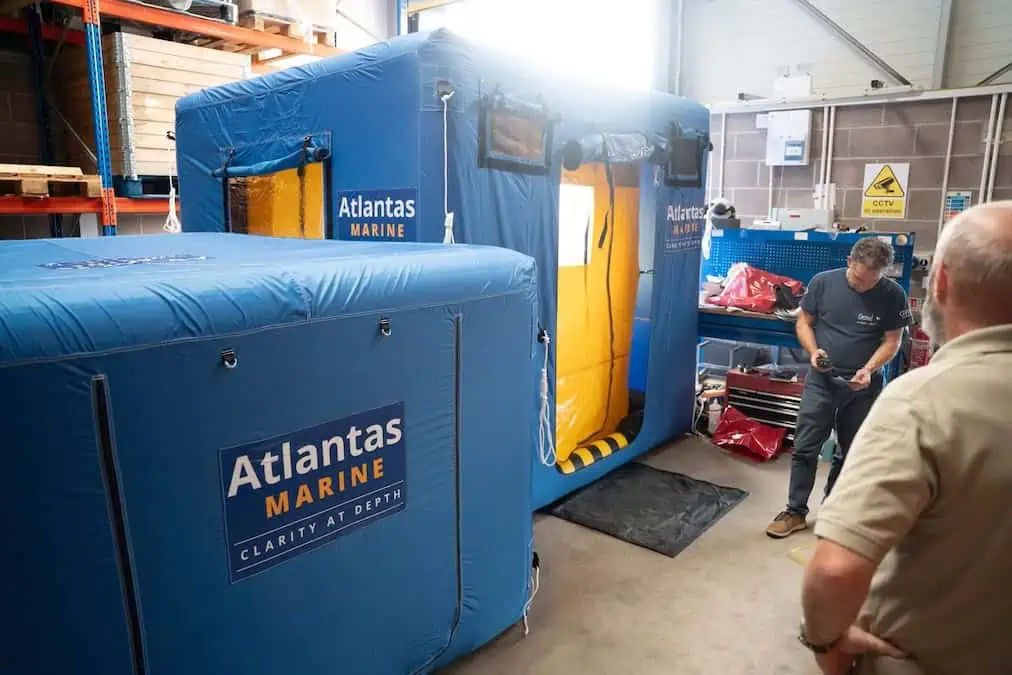
Atlantas Marine has released a new range of inflatable habitats developed to give ROV teams a protected working environment in confined offshore areas, including Zone 1 and Zone 2 locations where required
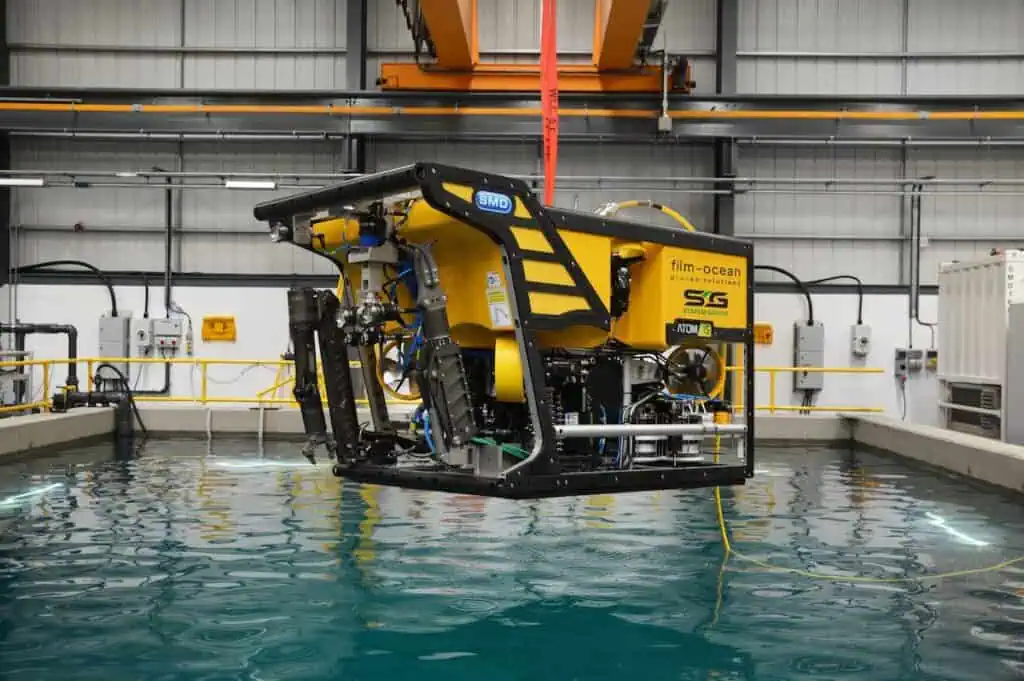
Subsea operator Film-Ocean has taken delivery of a new 3000-meter-rated SMD Atom ultra-compact work-class ROV, completing a major fleet expansion program to bolster global deepwater inspection and intervention capabilities
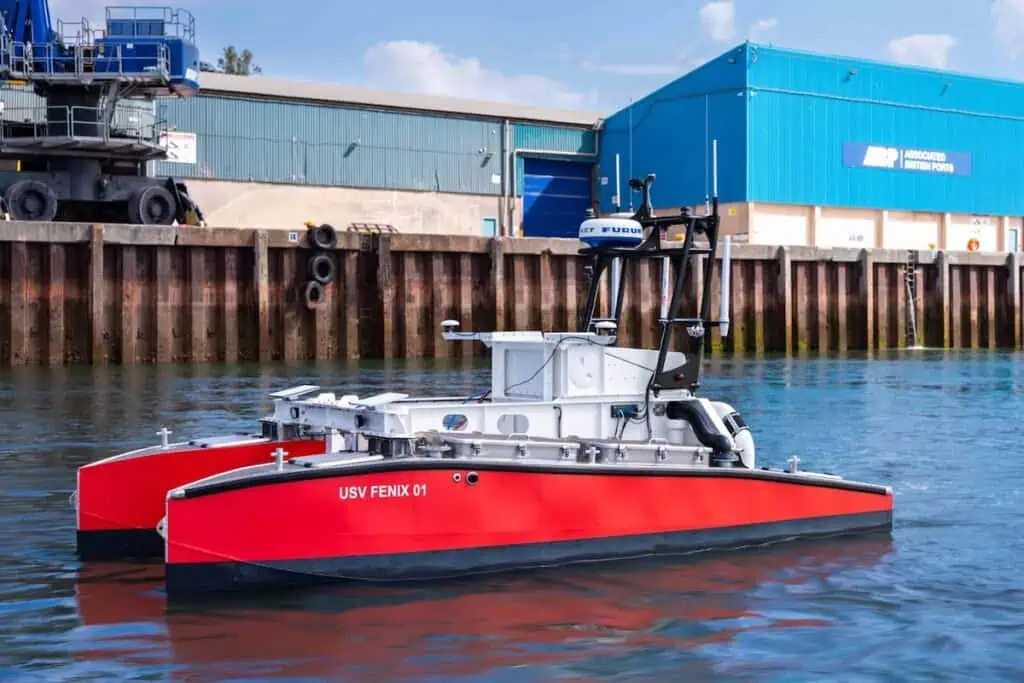
Italian survey contractor Subsea Fenix has taken delivery of a 5.7m battery-hybrid uncrewed surface vessel from HydroSurv, combining multi-beam hydrographic survey and deepwater ROV subsea inspection capabilities into one platform
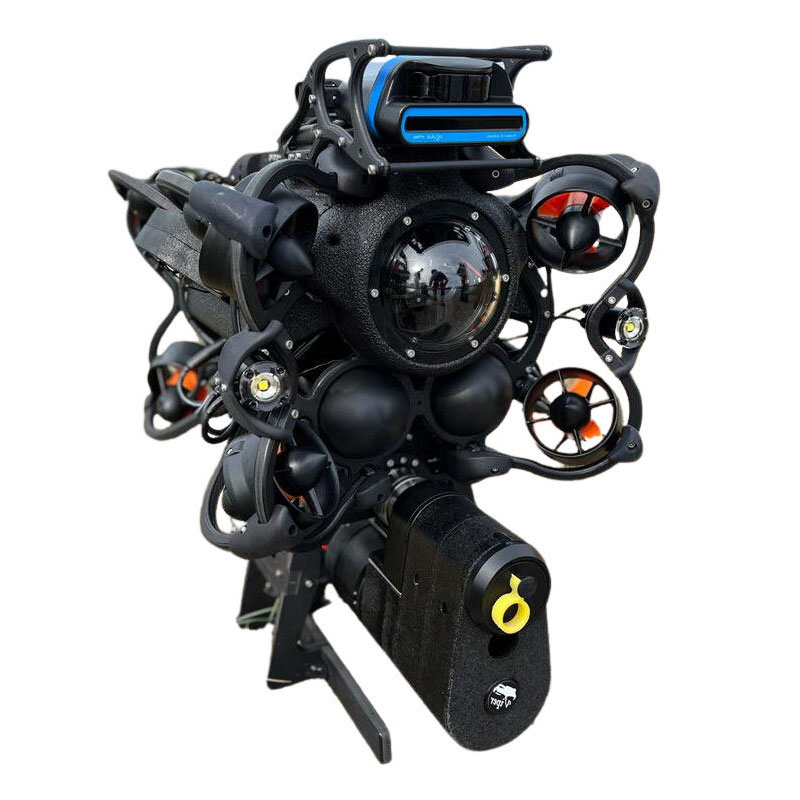
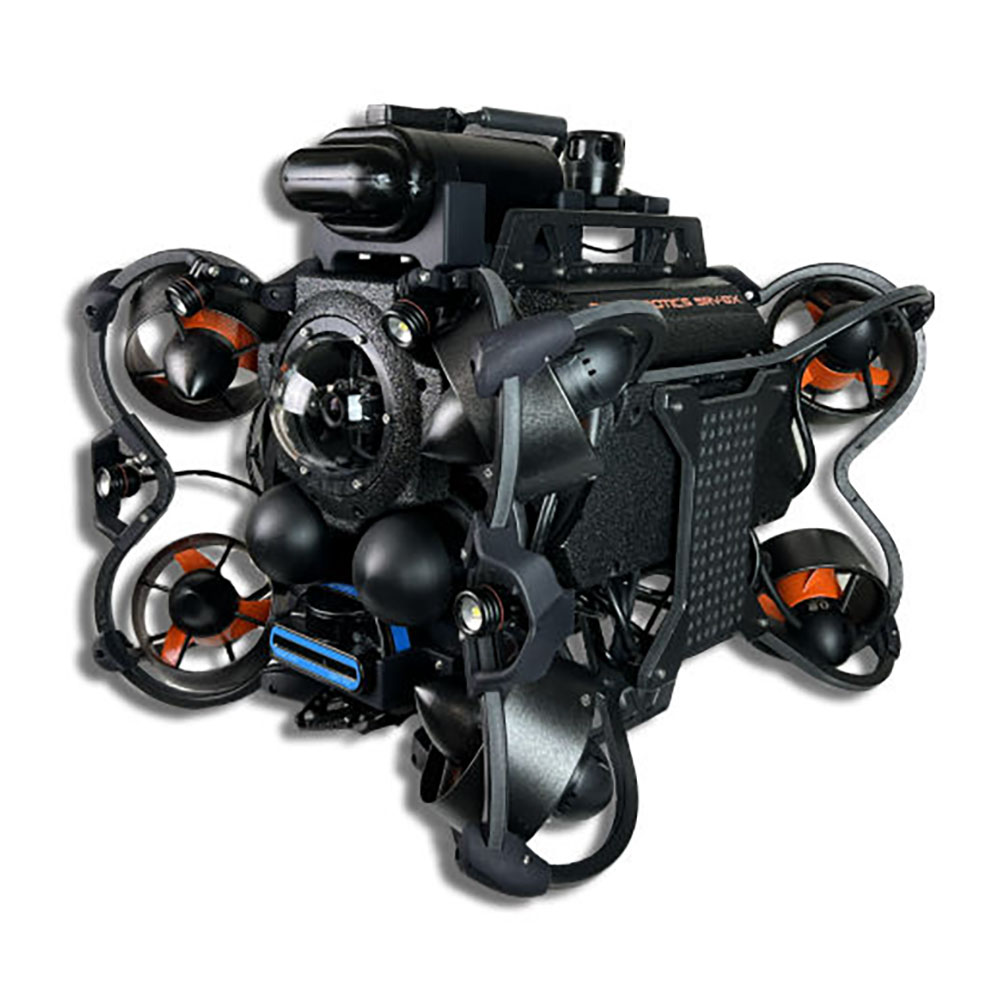
Oceanbotics has partnered with Discovery Channel production teams for a fourth consecutive year, using its SRV-8 remotely operated vehicle (ROV) to track and film sharks underwater for Shark Week
Strategic Robotic Systems outlines how hybrid AUV/ROV platforms integrate autonomous transit with tethered precision work to support multi-phase underwater missions including port security, mine countermeasures, and infrastructure inspection
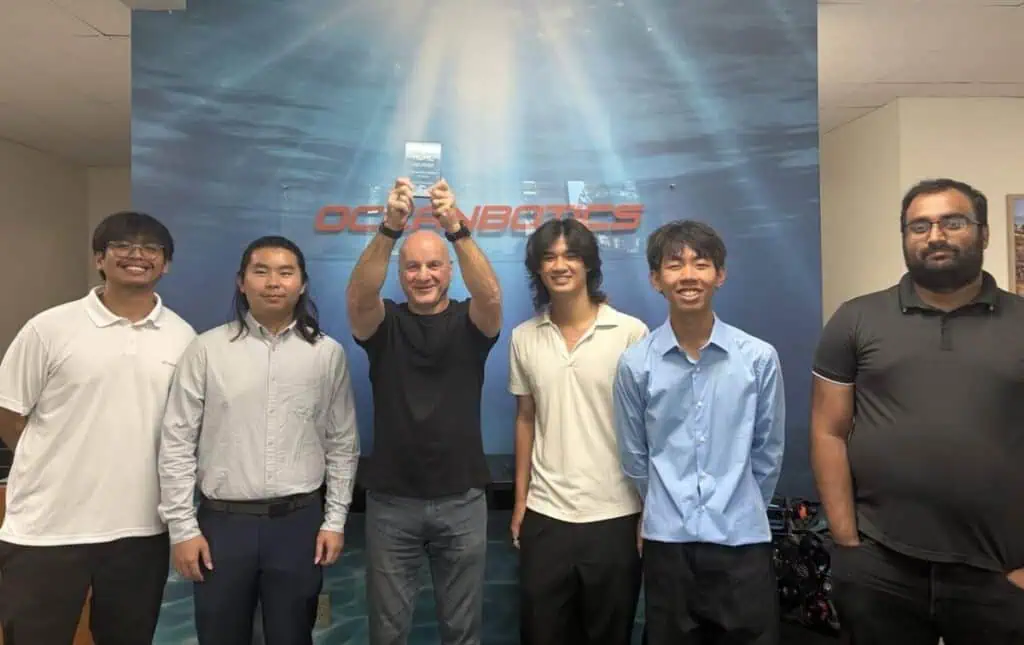
Oceanbotics supported the championship winning CSUF Titan ROV team as it secured first place at the National Underwater Robotics Challenge, highlighting a decade long partnership that develops future underwater robotics talent
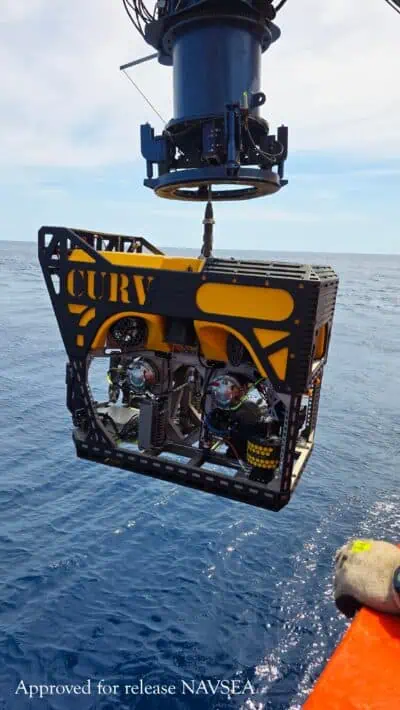
Phoenix International’s CURV 7 ROV has completed its first operational mission, demonstrating deep-ocean capability, six-degree maneuverability and mobile intervention capability for U.S. Navy operations