The Global Sourcing Hub for Marine, Subsea & Offshore Technology
Discover cutting-edge solutions from leading global suppliers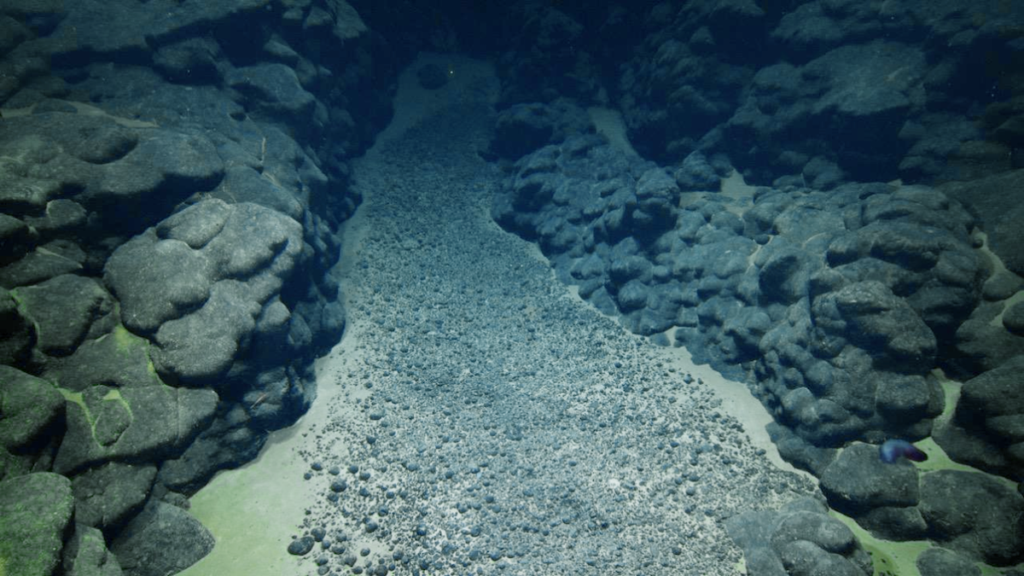
NOAA Ocean Exploration is partnering with the Cook Islands Seabed Minerals Authority to conduct a 28-day deep-water exploration mission in July and August 2026.
Operating from the NOAA Ship Okeanos Explorer, the research team will utilize remotely operated vehicles, advanced mapping technologies, and onsite sensors to explore the abyssal plains and the Manihiki Plateau. The mission focuses on imaging and sampling both the seabed and the water column to compare diverse deep-ocean habitat types, specifically targeting areas known to contain polymetallic nodules. These geological formations often hold significant deposits of nickel, cobalt, manganese, and other critical minerals.
“This expedition is a major step toward strengthening our strategic partnerships in the Pacific,” said Neil Jacobs, Ph.D., NOAA administrator. “NOAA is proud to contribute our world-class science and research to understand deep-sea resources, which will directly contribute to the economic growth of the United States and our partners, and will set the standard for responsible critical mineral management across the globe.”
The gathered data will be made publicly available and shared directly with the Cook Islands government to assist in the regional management of marine resources and inform the potential development of marine critical minerals. This initiative advances the objectives of the Executive Order “Unleashing America’s Offshore Minerals and Resources,” which promotes strengthening international partnerships for the responsible development of seabed minerals.
The upcoming operations build upon a previous NOAA-funded 2025 expedition conducted in the region on the Exploration Vessel Nautilus alongside the Cook Islands Seabed Minerals Authority and the Ocean Exploration Cooperative Institute. Throughout the 2026 mission, live video feeds from the remotely operated vehicles will be streamed online in real time, allowing the public and shore-based scientists to observe the deep-sea exploration and listen to expert commentary.