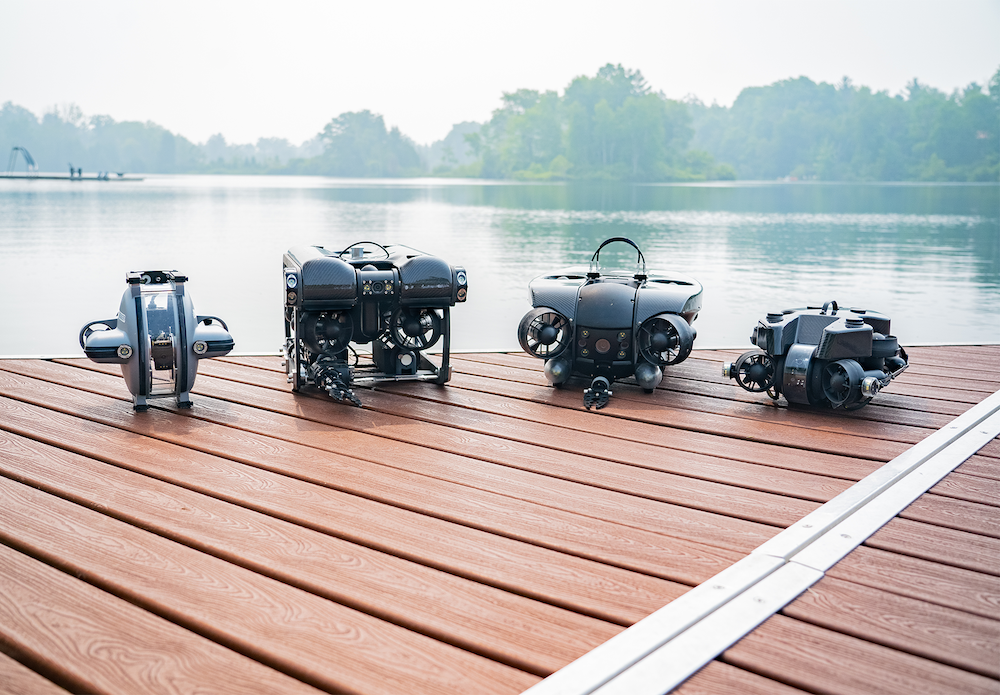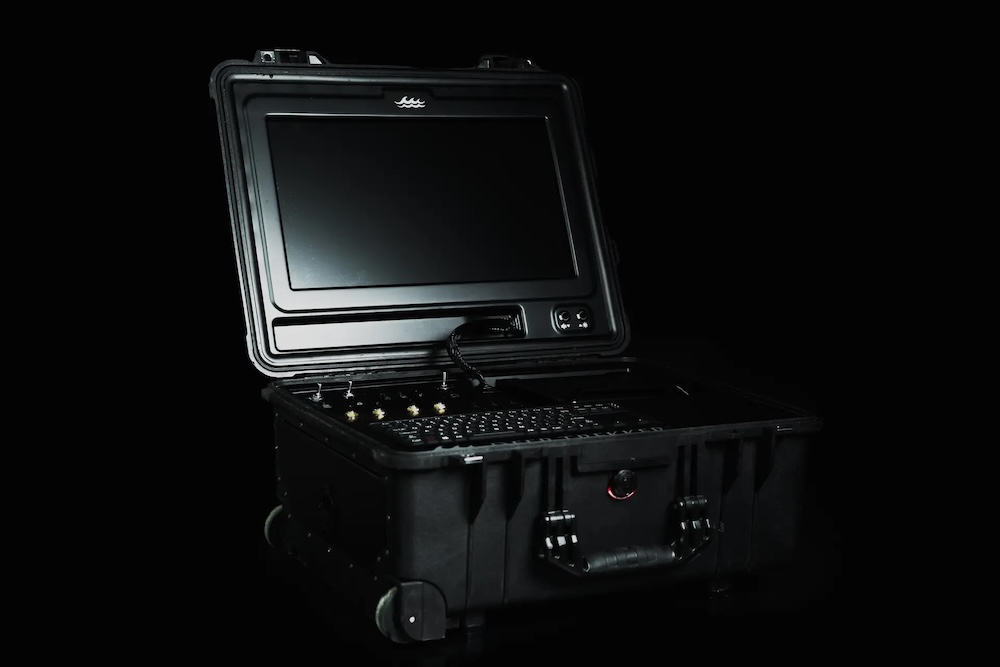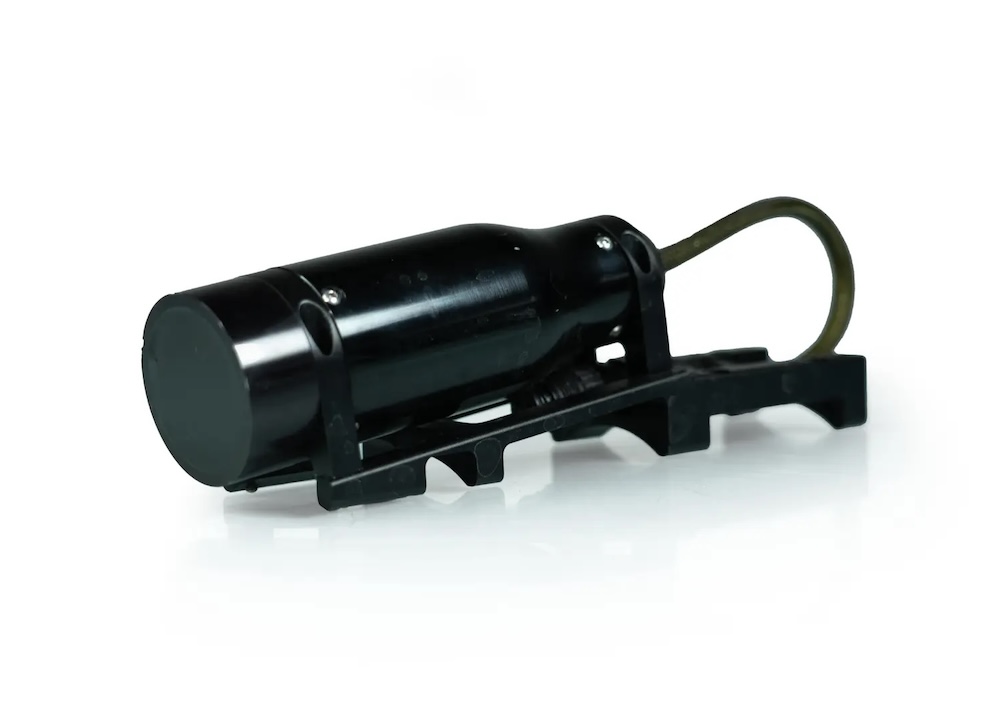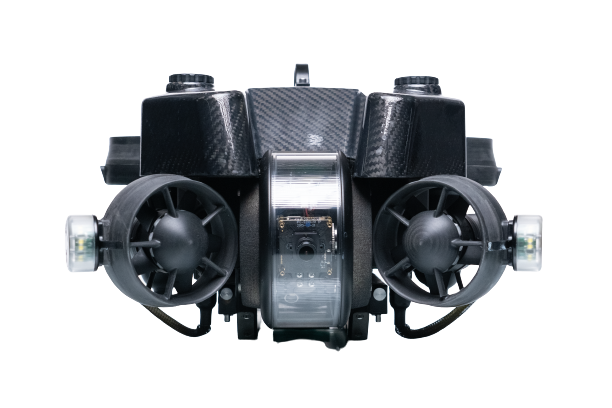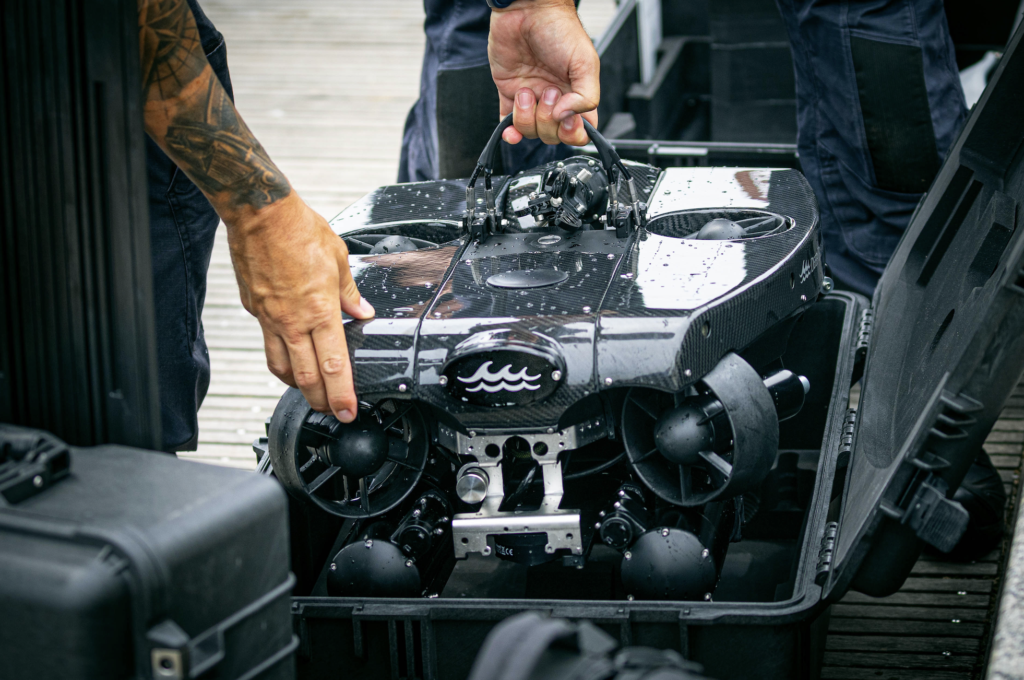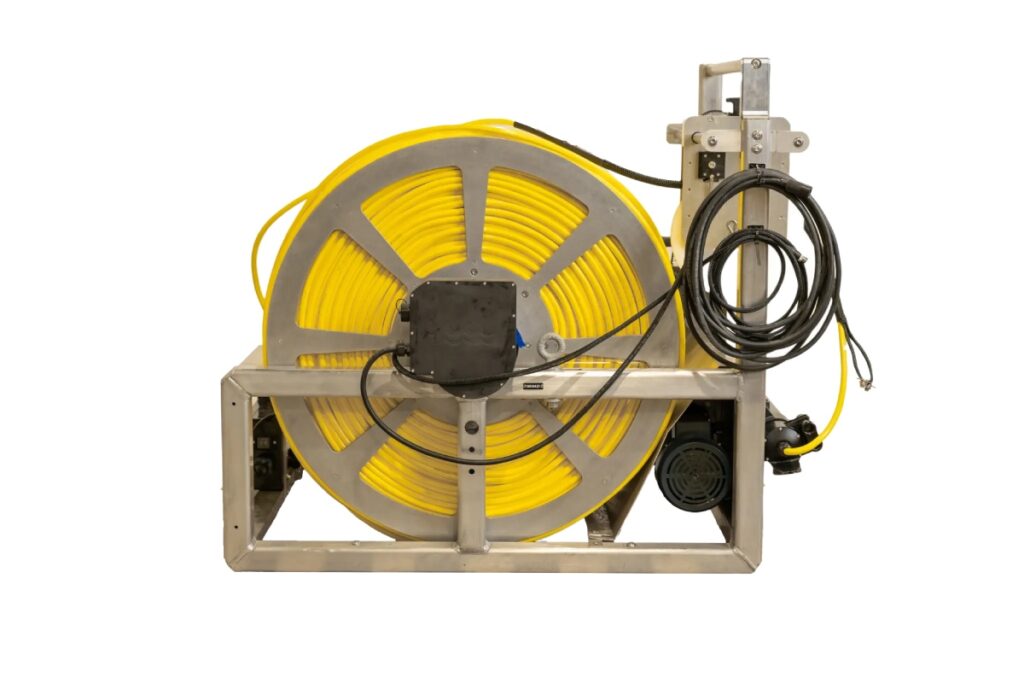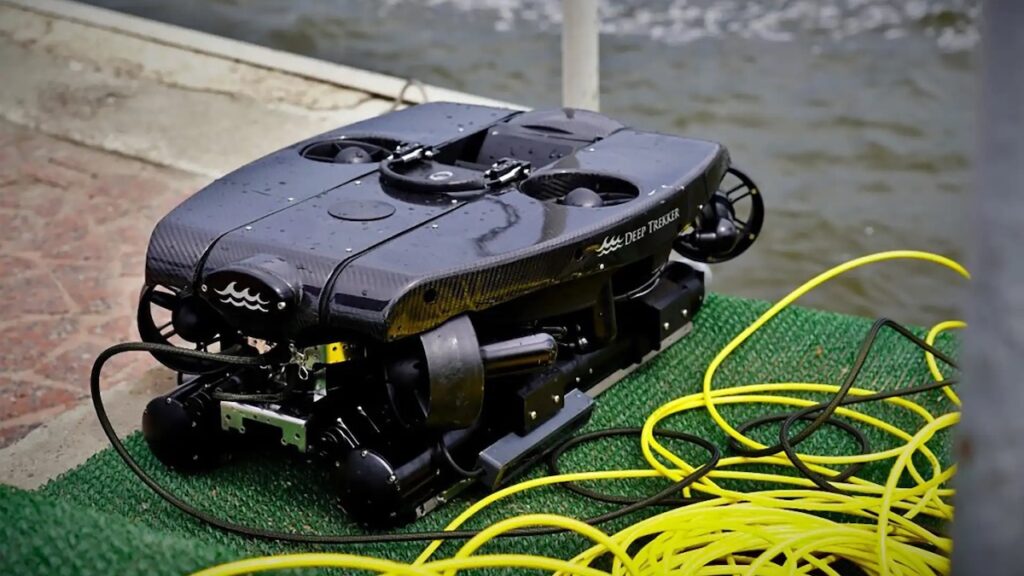

Deep Trekker provides sonar technologies and ROV-integrated systems designed to support underwater inspection, mapping, and navigation in low-visibility environments.
Sonar systems are widely used across offshore energy, infrastructure inspection, marine research, defense, and subsea construction, where optical visibility is often limited.
Acoustic technologies including multibeam imaging sonar, side scan sonar, CHIRP sonar, and 3D imaging sonar enable operators to identify underwater targets, assess subsea assets, conduct bathymetric surveys, and maintain situational awareness during inspection operations.

Deep Trekker ROVs utilize active sonar systems that transmit acoustic pulses and analyze returning echoes to generate underwater imagery and positioning data. Multibeam imaging sonar systems provide forward-looking visualization for navigation and target detection, while side scan sonar supports large-area seafloor imaging and search operations.
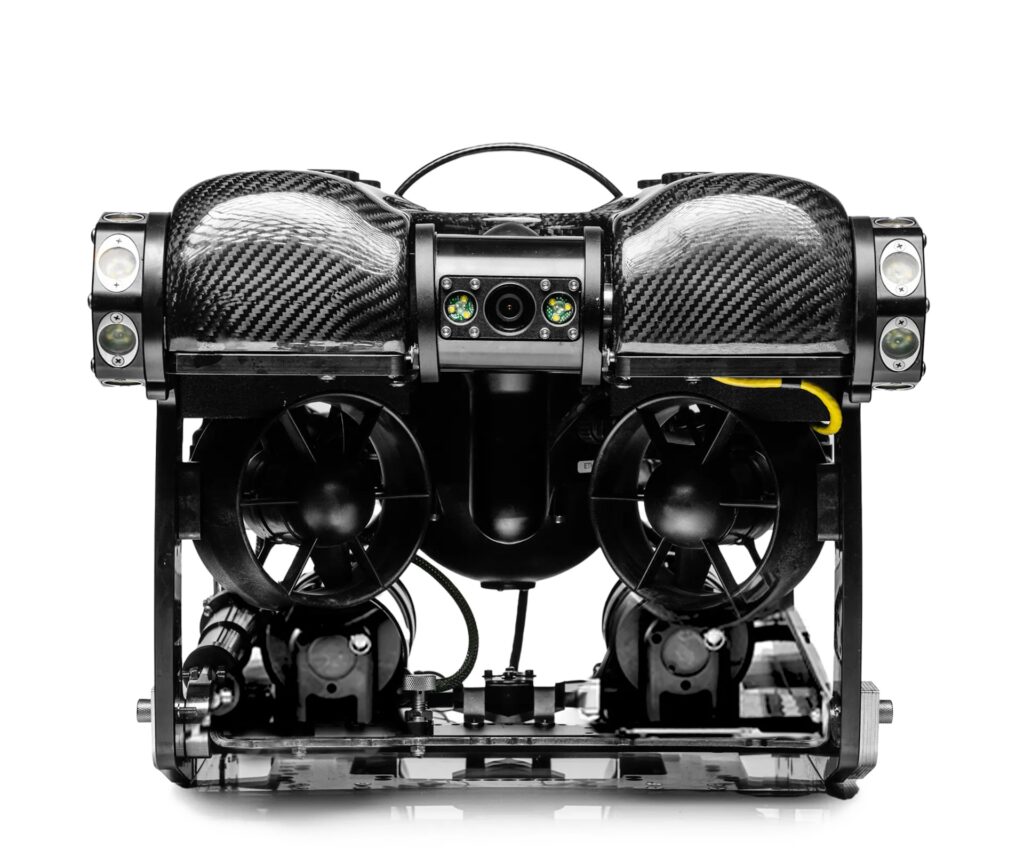
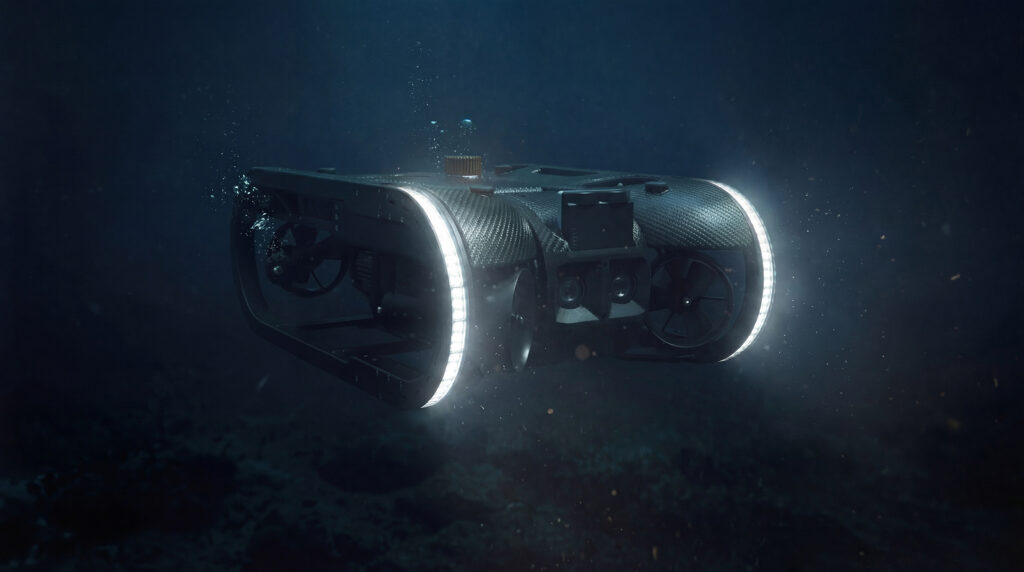
The company’s SPECTRA ROV integrates 3D imaging sonar with SLAM-based positioning, enabling real-time mapping and localization in GNSS-denied environments. This allows operators to generate point cloud models of subsea structures while verifying inspection coverage during operations.
Deep Trekker also offers multiple sonar configurations tailored to different operational requirements, including long-range navigation, high-resolution close-range inspection, and confined-space assessment. Compatible platforms include the SPECTRA, REVOLUTION, and PIVOT ROVs.
These sonar technologies support applications including pipeline inspections, offshore wind surveys, search and recovery, EOD and MCM operations, marine salvage, and underwater infrastructure assessment.
Read All You Need to Know About Sonar Systems on Deep Trekker’s website.