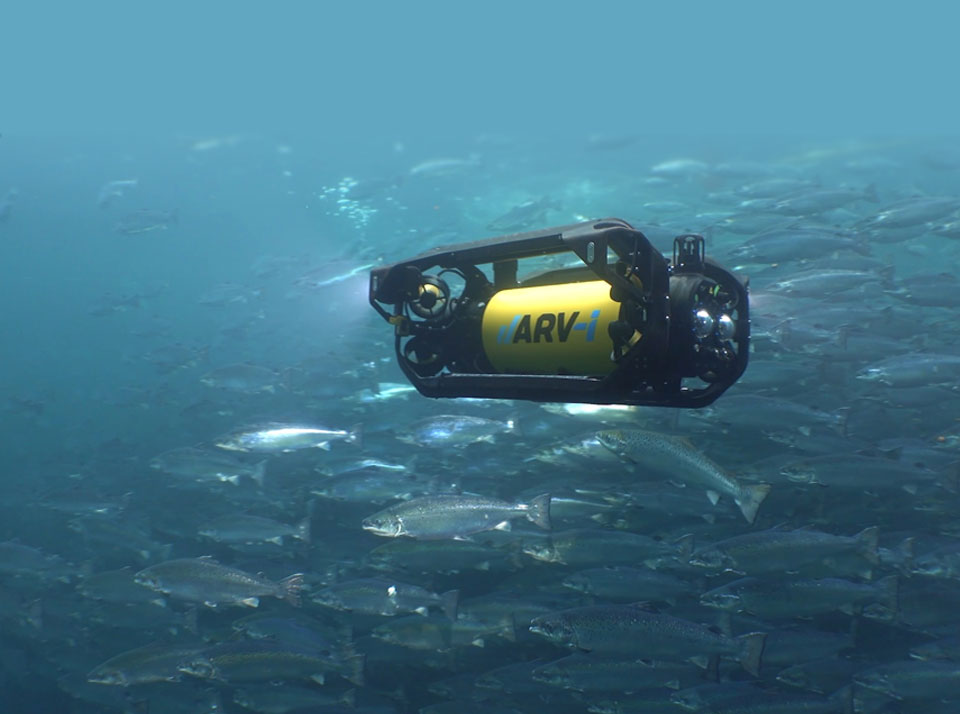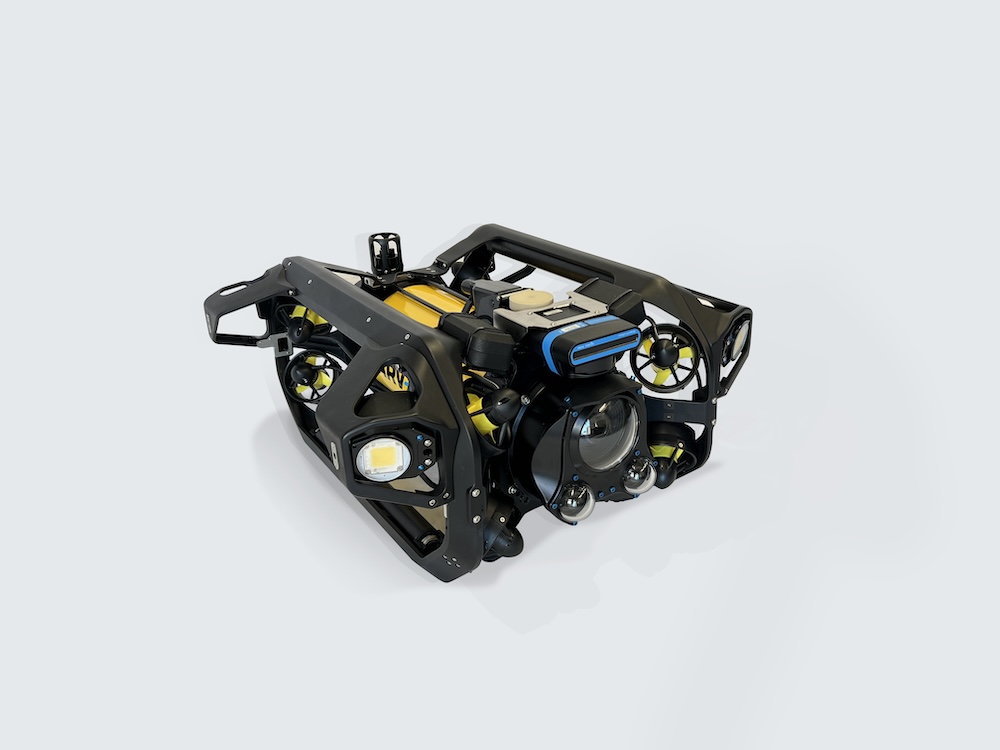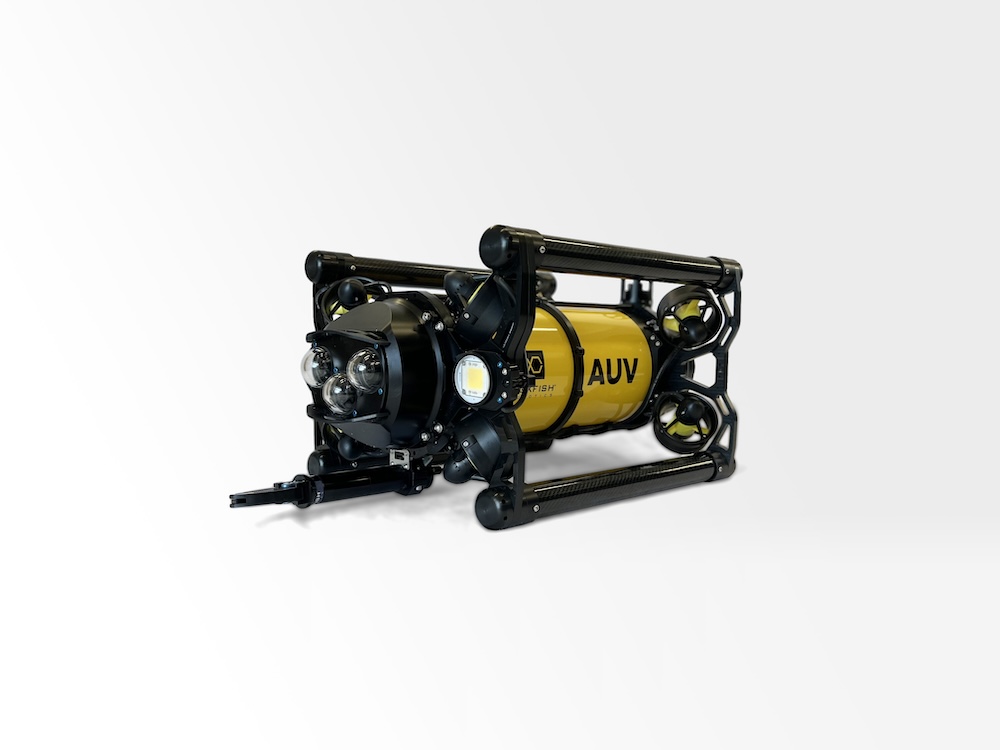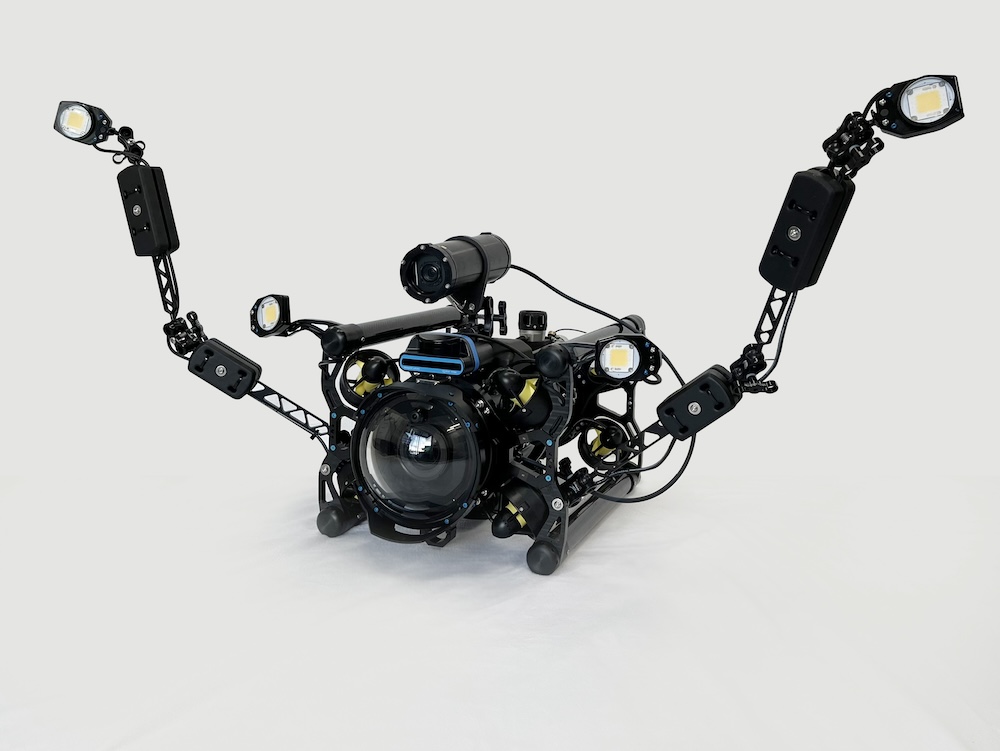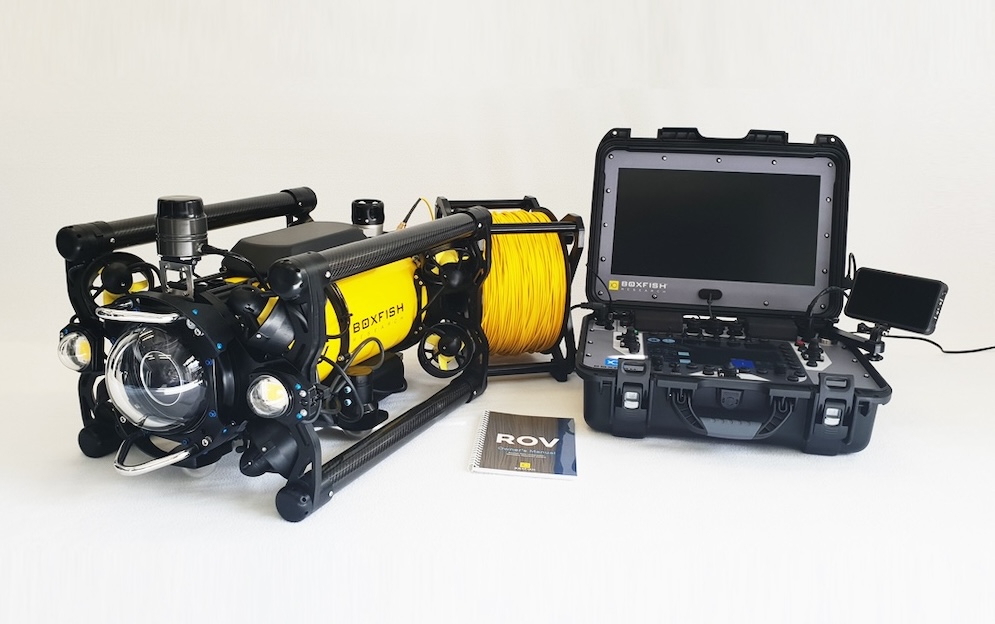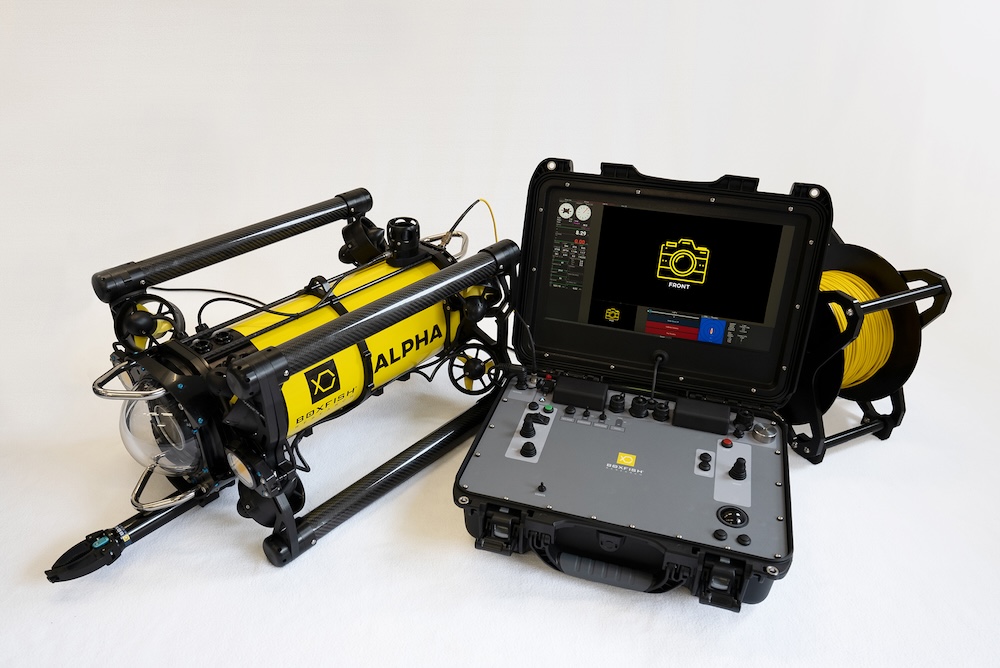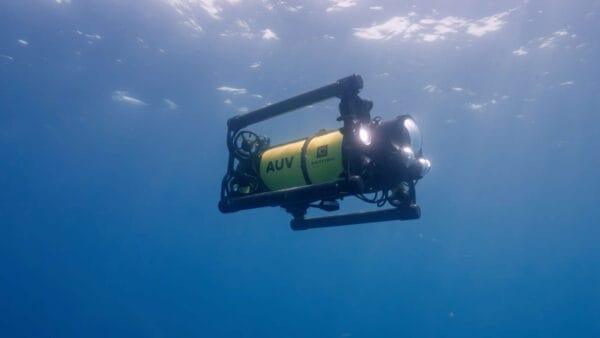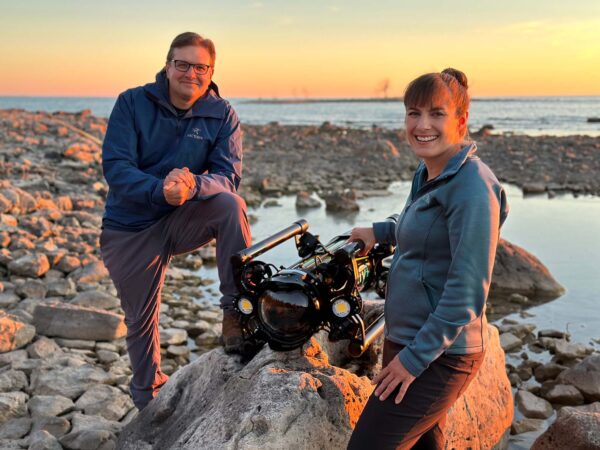


A new wildlife documentary, Hidden Below: The Great Lakes, produced by filmmakers Yvonne Drebert and Zach Melnick, is using underwater robotic systems developed by Boxfish Robotics to enable the capture of rarely observed ecological activity beneath the surface of the Great Lakes.
The project explores the Great Lakes watershed through a combination of scientific collaboration and underwater imaging, focusing on environments and species behaviors that have historically remained difficult to document.
Robotic Platforms for Freshwater Imaging
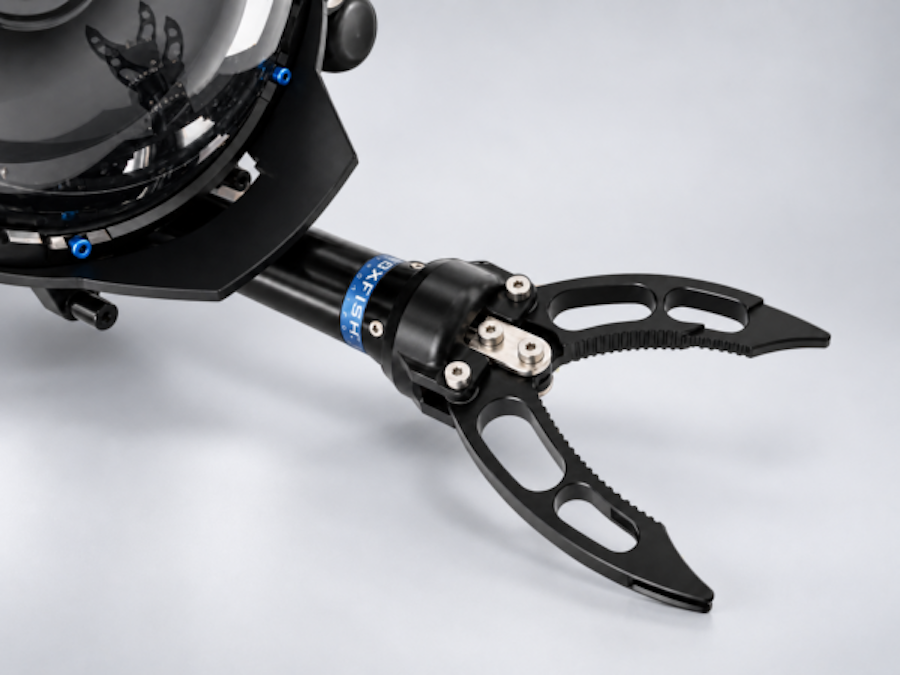
Boxfish Robotics is supporting the production as its technology partner through the development and deployment of specialized underwater robotic platforms designed for scientific research and natural history filmmaking.
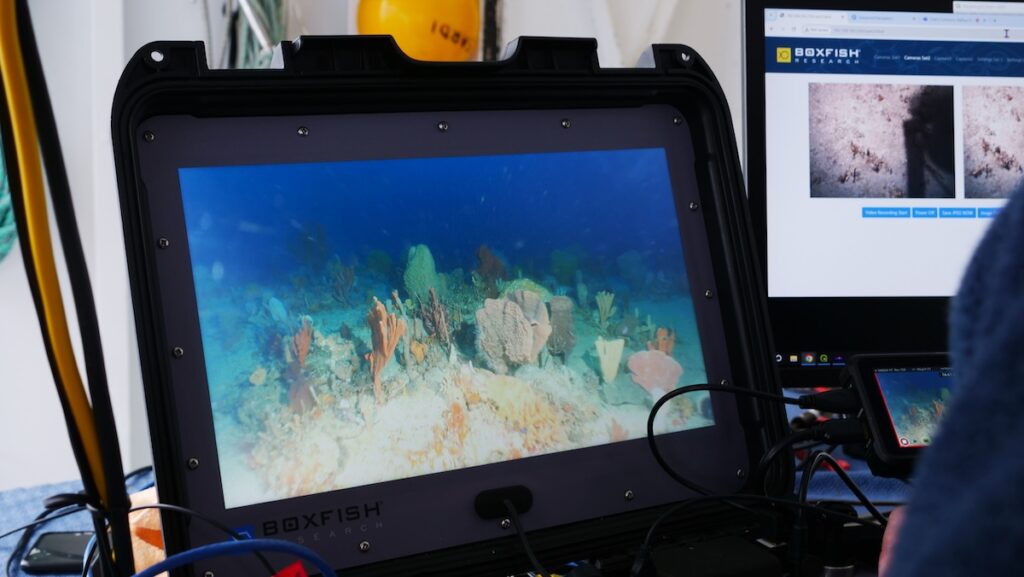
The company’s remotely operated and autonomous systems feature advanced imaging capabilities, enabling high-resolution capture in low-light and deepwater conditions. For this project, Boxfish is developing a dedicated underwater robotic platform adapted to freshwater environments, alongside visual technologies designed to enhance depth perception and image clarity.
These systems are designed to allow filmmakers to operate in complex conditions while minimizing disturbance to sensitive ecosystems.
Craig Anderson, Co-founder of Boxfish, commented, “Hidden Below reflects exactly why Boxfish underwater robots are perfectly positioned to support science and enable stories that would otherwise remain unseen. Working with Inspired Planet Productions shows the impact of aligning technological innovation with research and filmmaking. Together, we are developing a new visual approach that will allow audiences to observe underwater ecosystems with an enhanced sense of depth and presence, revealing the hidden complexity of life below the surface.”
Documenting Rare Spawning Behavior
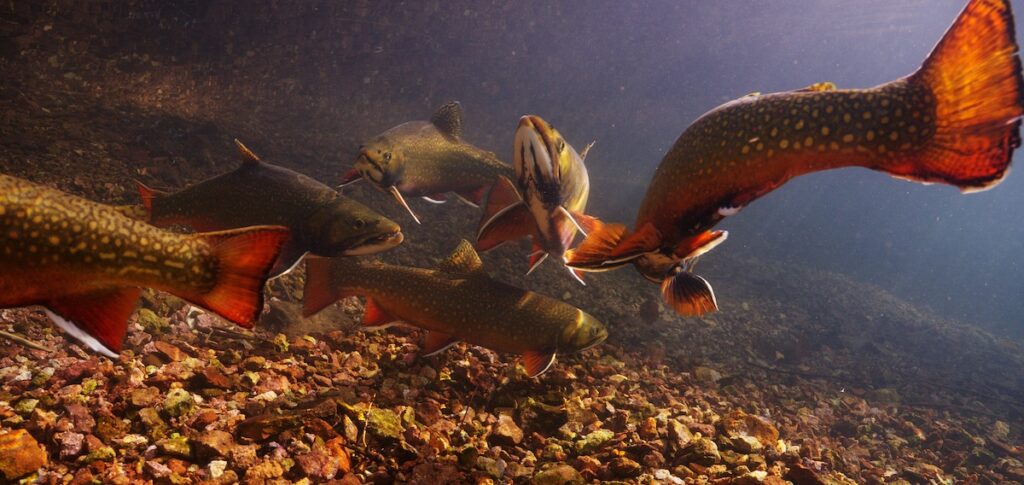
During early production in Lake Superior, underwater robotic systems were used to document Coaster Brook Trout spawning activity in remote island environments.
This behavior had previously been suggested, and the resulting footage is believed to be among the first documented visual records of spawning activity in these locations, providing both scientific value and a detailed view of the species’ behavior.
The ability to deploy compact, maneuverable robotic systems has supported access to these areas and the observation of natural behavior in situ.
Supporting Live and Long-Form Exploration
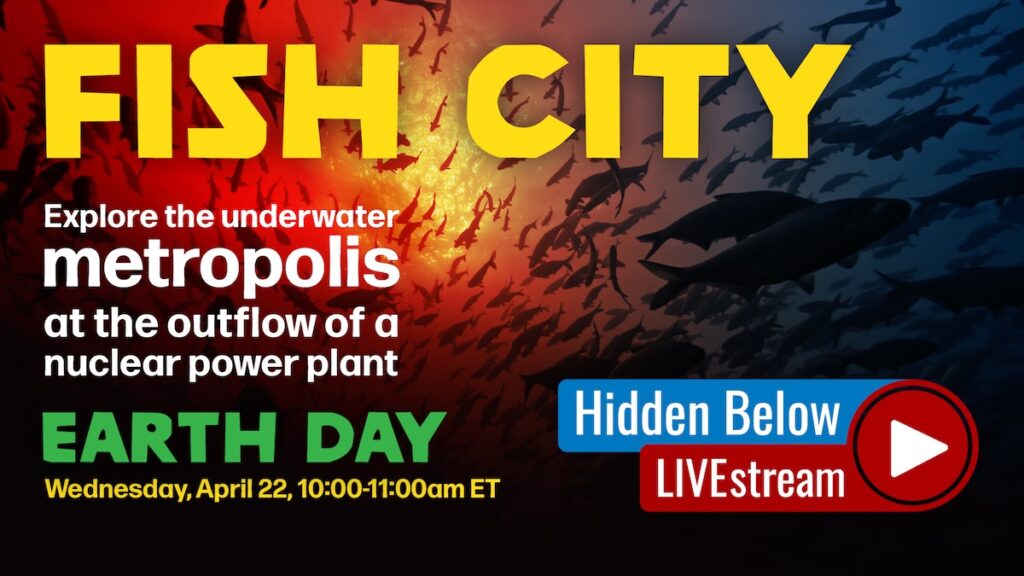
In addition to documentary filming, the project incorporates live-streamed underwater exploration, allowing audiences to observe freshwater environments in real time.
This builds on previous collaboration between Boxfish Robotics and the production team, including a live exploration of Superior Shoal, where underwater robotic systems were deployed to capture footage from one of the largest submerged geological features in the Great Lakes. The integration of cinematic imaging and live deployment enables both long-form documentary production and real-time exploration.
Expanding Access to Underwater Ecosystems
The use of underwater robotics in the project reflects a broader shift toward combining technology with environmental research and visual storytelling. By enabling access to deep, remote, and low-visibility environments, these systems support scientific observation while also contributing to how underwater ecosystems are visually documented.
Through its role in the project, Boxfish Robotics is contributing to new approaches in underwater imaging, helping reveal aspects of freshwater ecosystems that have remained largely unseen.