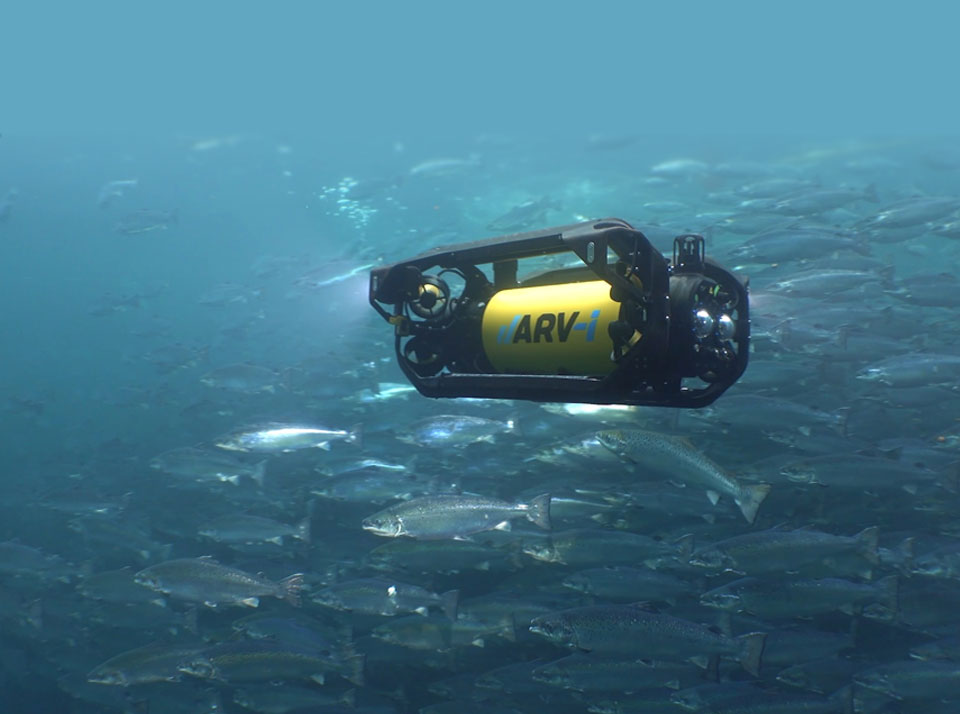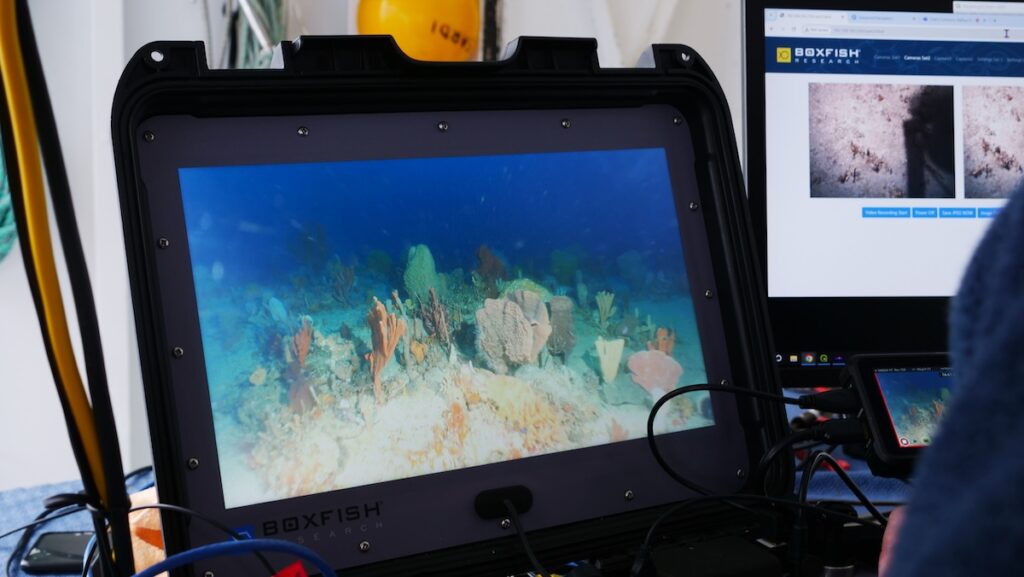
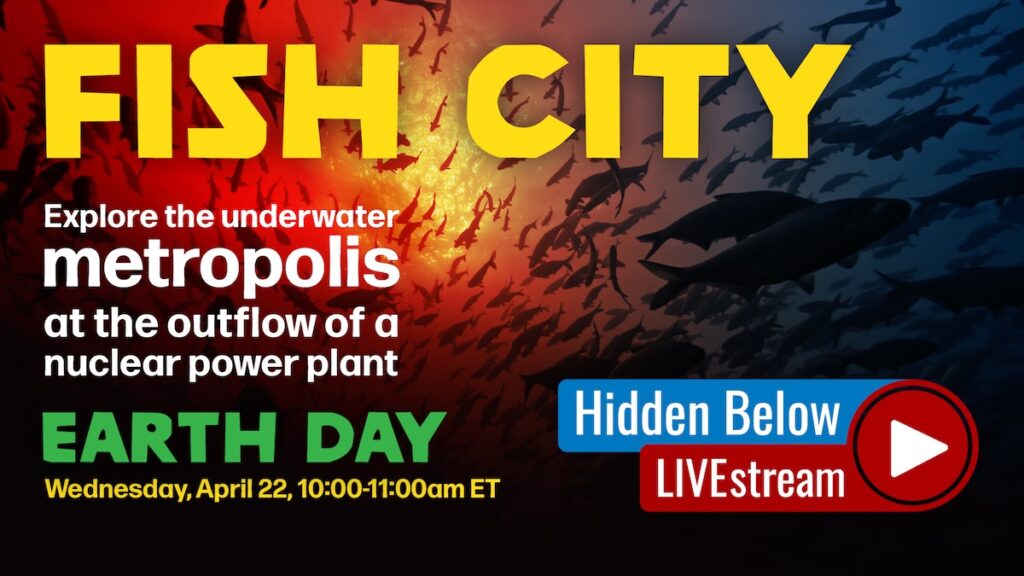
A recent underwater exploration event in Lake Huron utilized a Remotely Operated Vehicle (ROV) developed by Boxfish Robotics to capture real-time imagery of a biologically active freshwater environment influenced by nearby industrial infrastructure.
The livestream, “Nuclear Fish City,” was broadcast at 10:00 AM ET on April 22 (Earth Day) near the Bruce Power nuclear generating station, where warm water outflow contributes to conditions that attract a high concentration of fish species. A recording of the livestream is now available to view.
ROV Deployment for Real-Time Freshwater Observation
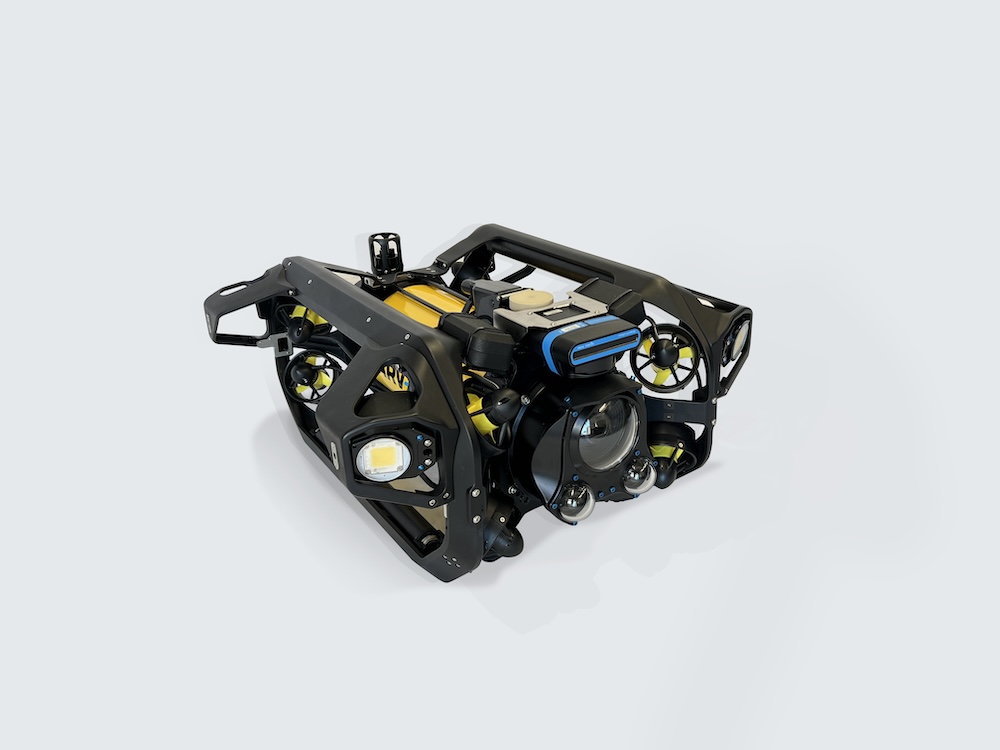
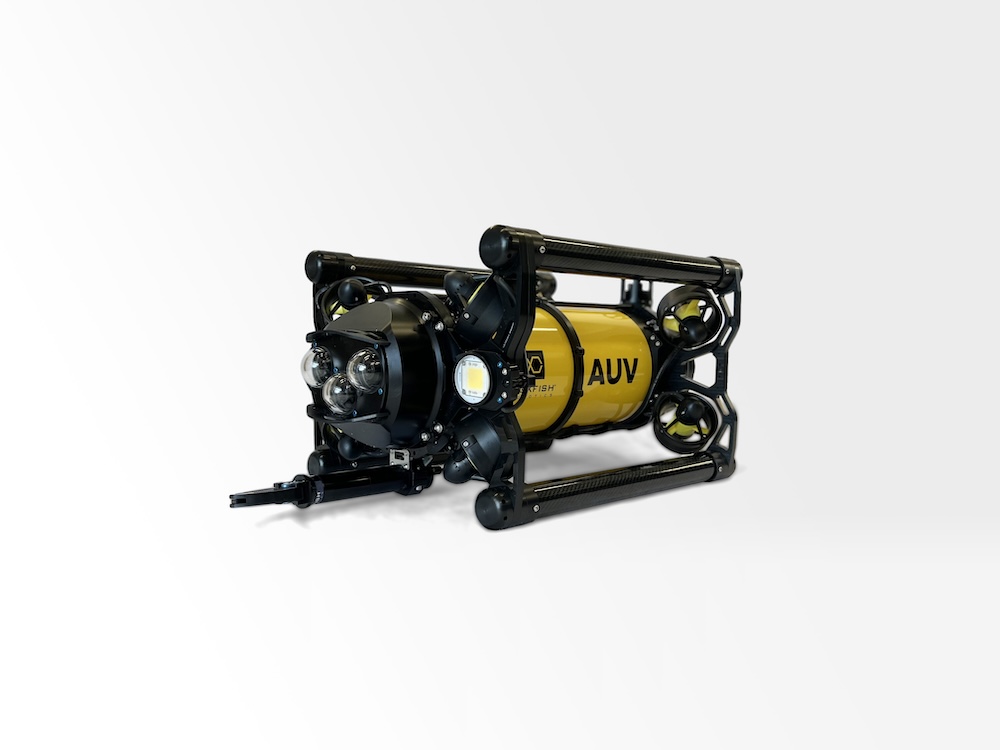
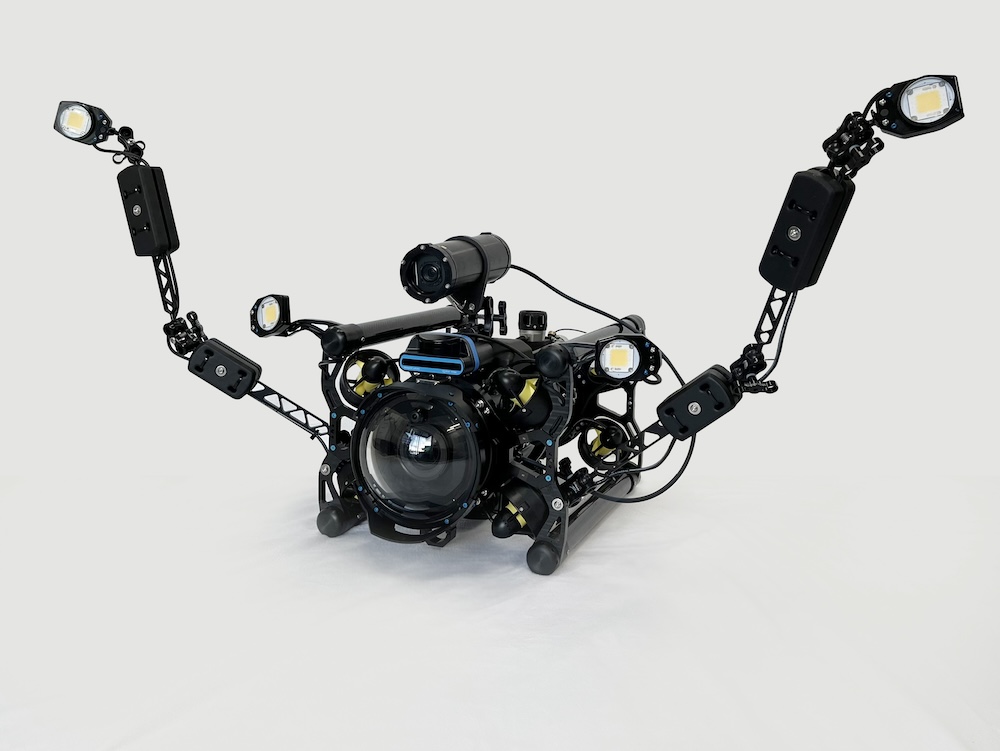
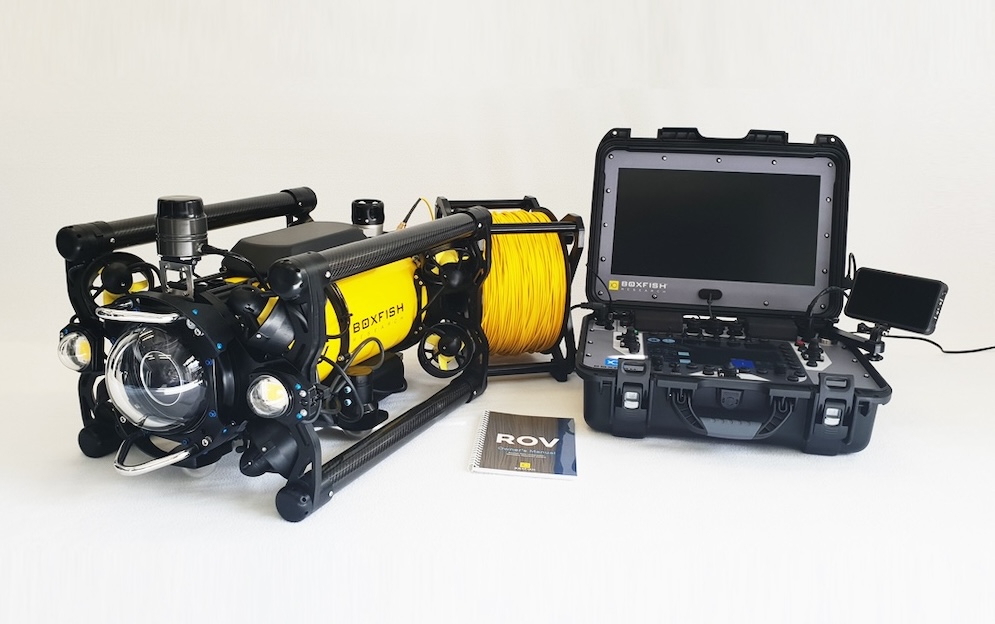
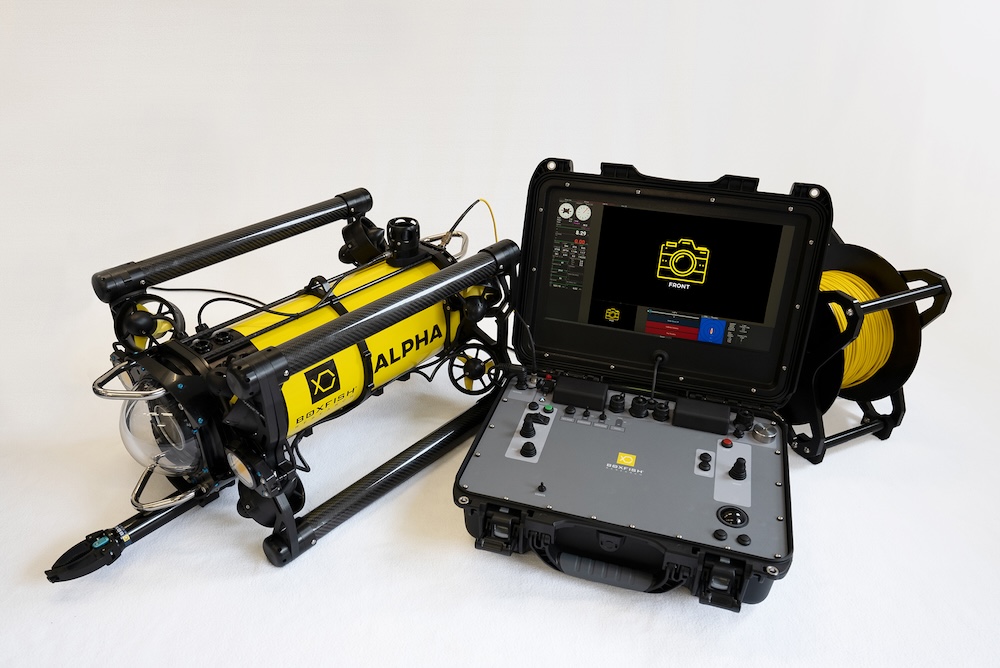
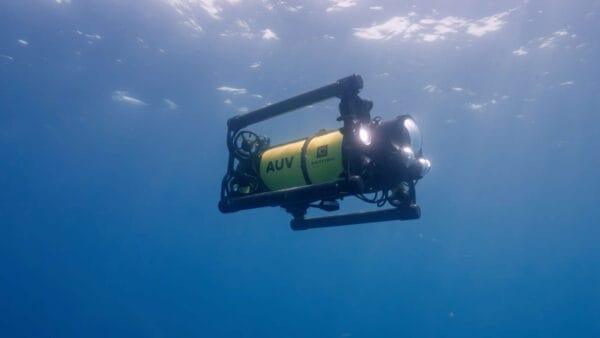
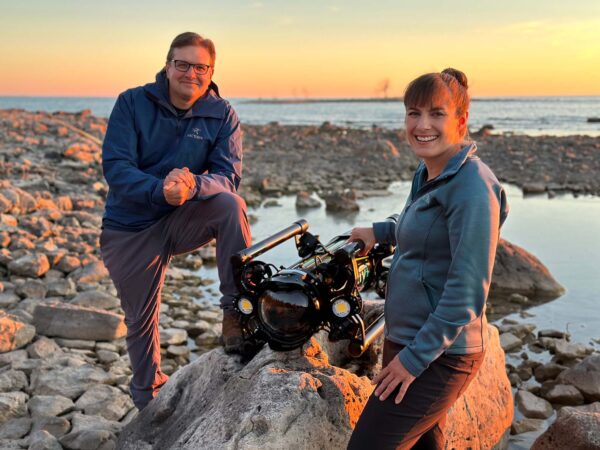
The exploration was conducted using the Boxfish Luna ROV, a cinema-grade underwater robotic system designed for high-resolution imaging and operation in complex aquatic environments.
The system was piloted by filmmakers and freshwater explorers Zach Melnick and Yvonne Drebert, with additional input from Nicholas Mandrak and Cherie-Lee Fietsch. The deployment forms part of the Hidden Below project, which integrates underwater robotics with scientific collaboration to document freshwater ecosystems.
Imaging a Thermally Influenced Aquatic Environment
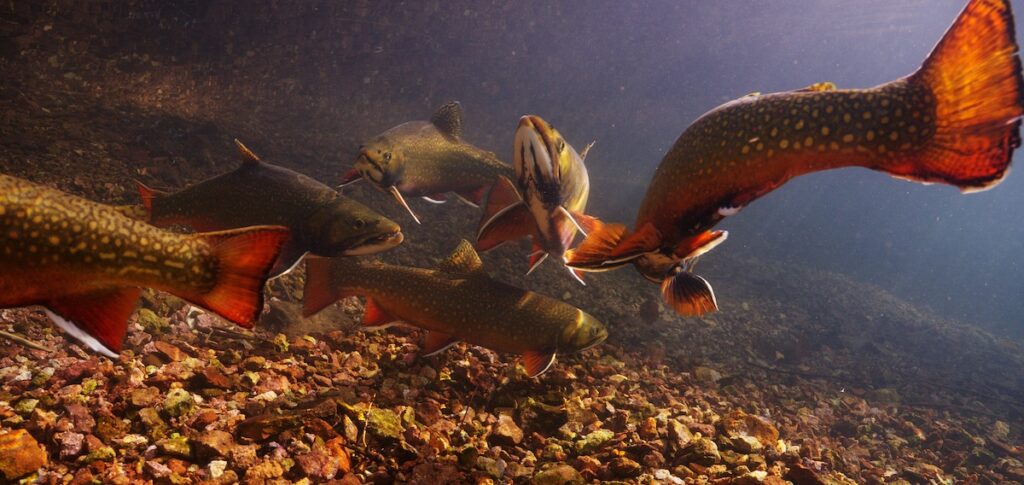
The dive focused on a localized zone affected by warm water discharge from the power facility. Elevated temperatures and water clarity in this area have resulted in an atypical freshwater habitat that supports high fish density and species diversity.
Species commonly observed in this environment include bowfin, bigmouth buffalo, smallmouth bass, walleye, freshwater drum, catfish, and rainbow trout. Large populations of gizzard shad are also present, with occasional appearances from invasive and transient species such as carp and sea lamprey.
The concentration of species and interactions in this area provides an opportunity to observe how human-influenced conditions affect freshwater environments.
Integration with Live and Long-Form Observation
The livestream forms part of Hidden Below LIVE, an initiative supporting the upcoming Hidden Below: The Great Lakes documentary.
The project combines long-form underwater imaging with live ROV deployment, enabling both documentary production and real-time observation. This approach supports scientific engagement while expanding access to underwater environments that are typically difficult to observe directly.
The initiative is supported by organizations including PBS Detroit and Great Lakes Now.
Underwater Robotics Supporting Freshwater Observation
The use of ROV systems in this context reflects the increasing role of underwater robotics in freshwater research and environmental observation. By enabling stable imaging, precise maneuverability, and deployment in complex conditions, these systems support visual observation in environments where traditional survey methods may be limited.
Potential applications include behavioral observation and the documentation of ecosystem responses to environmental and industrial influences.