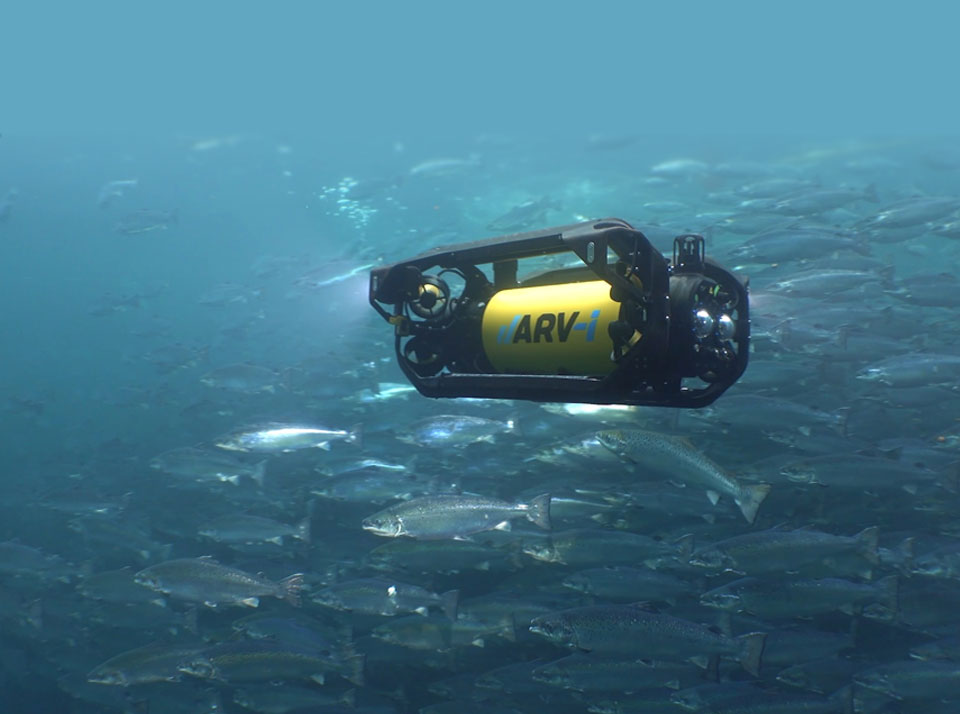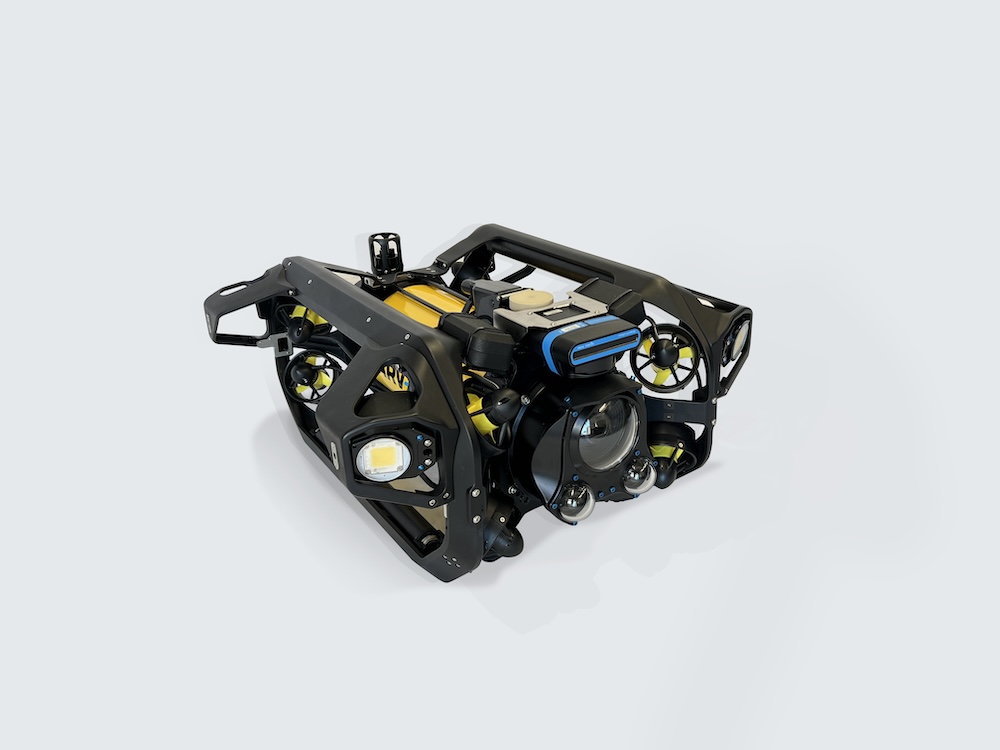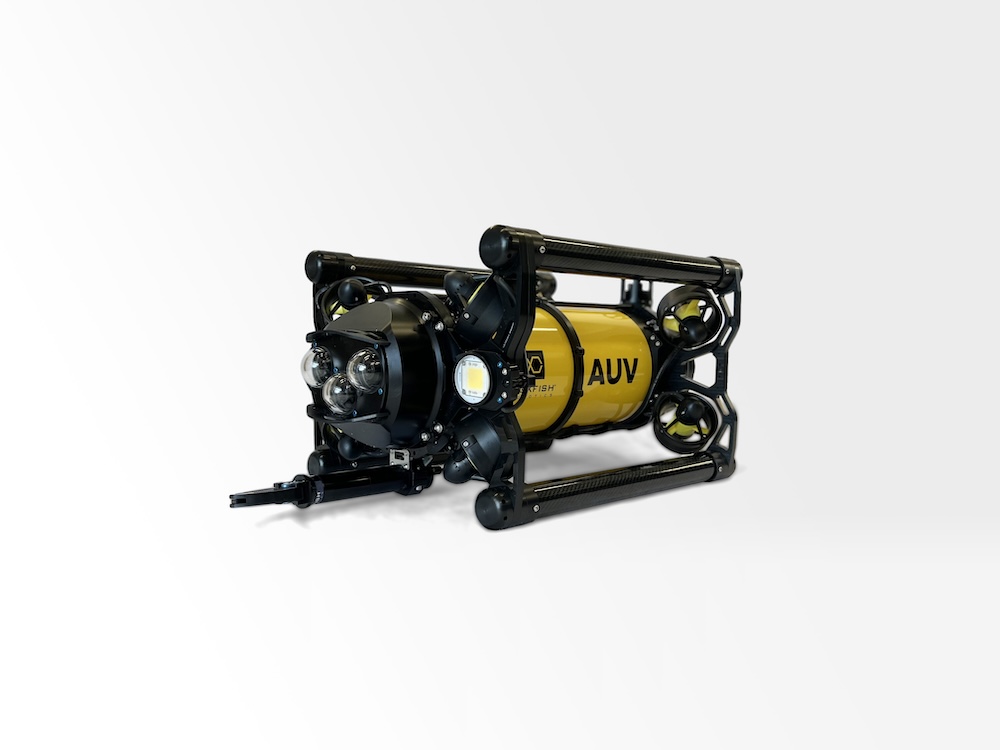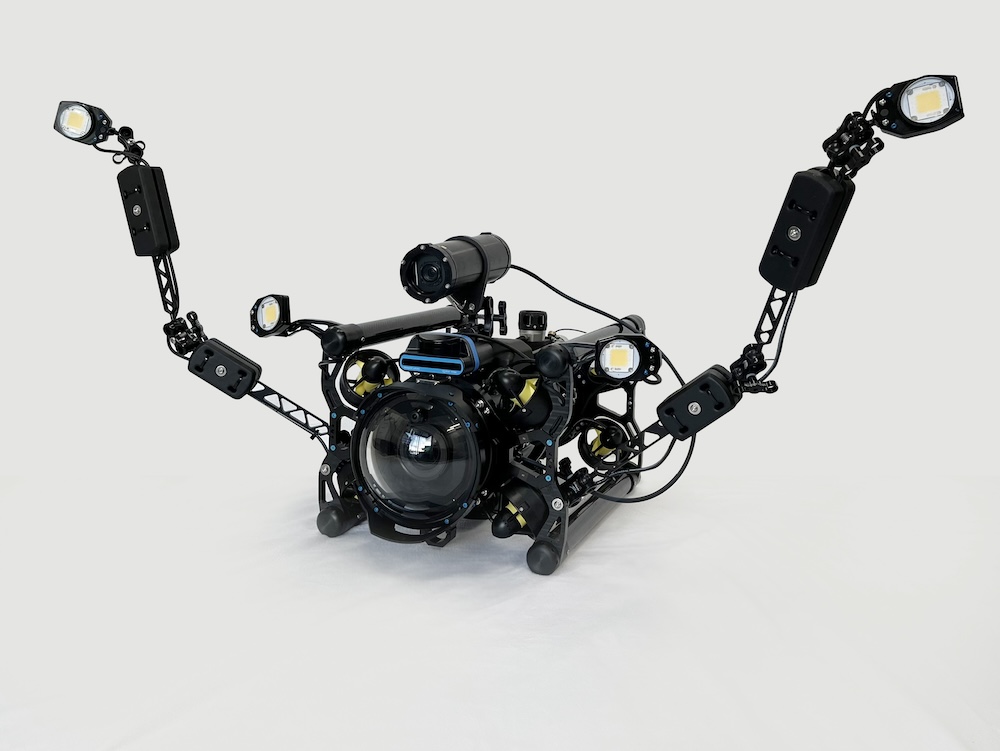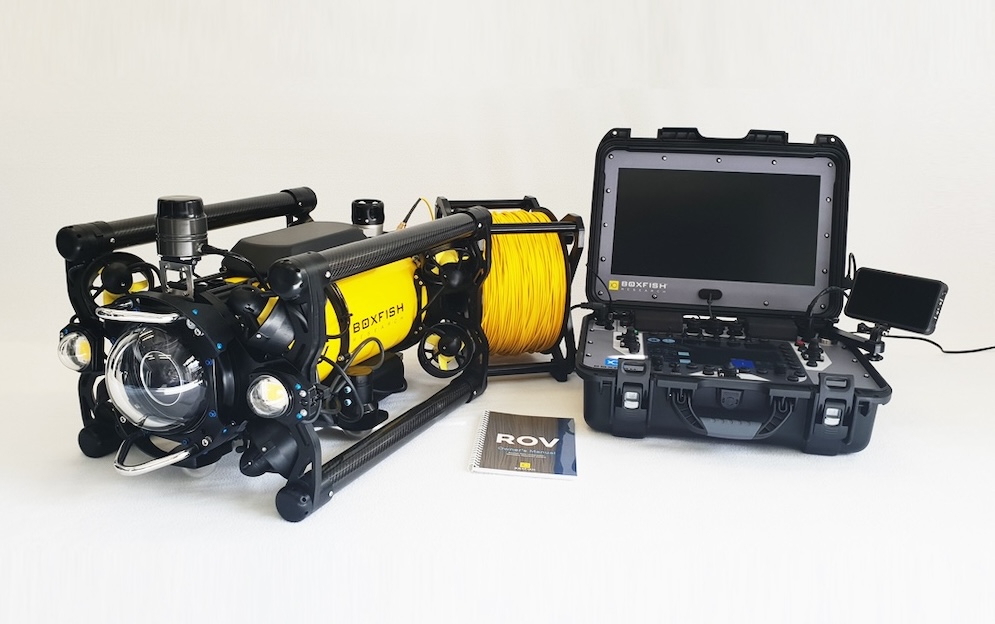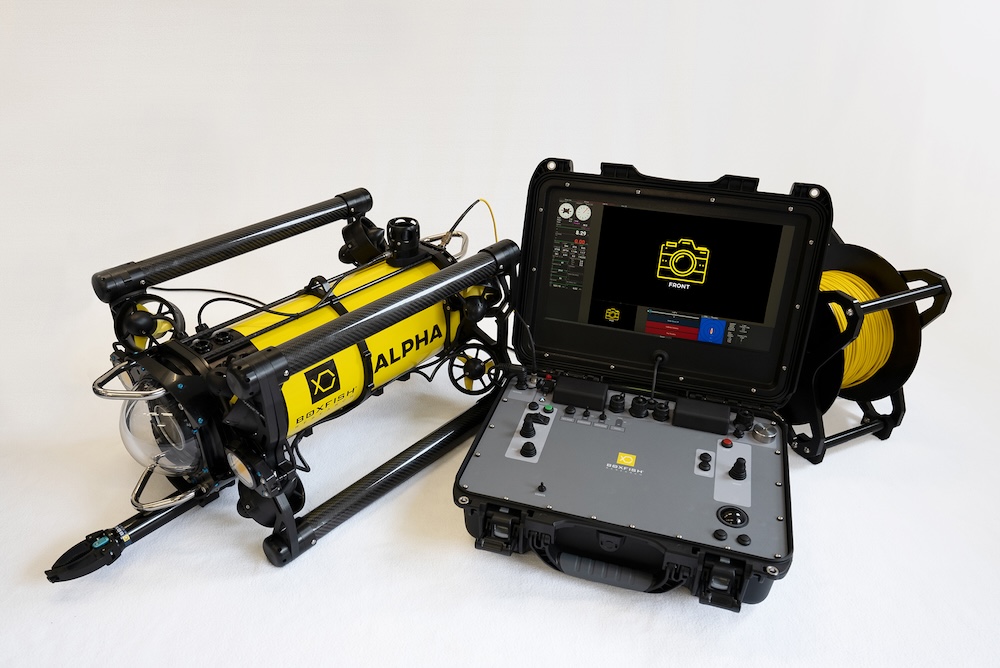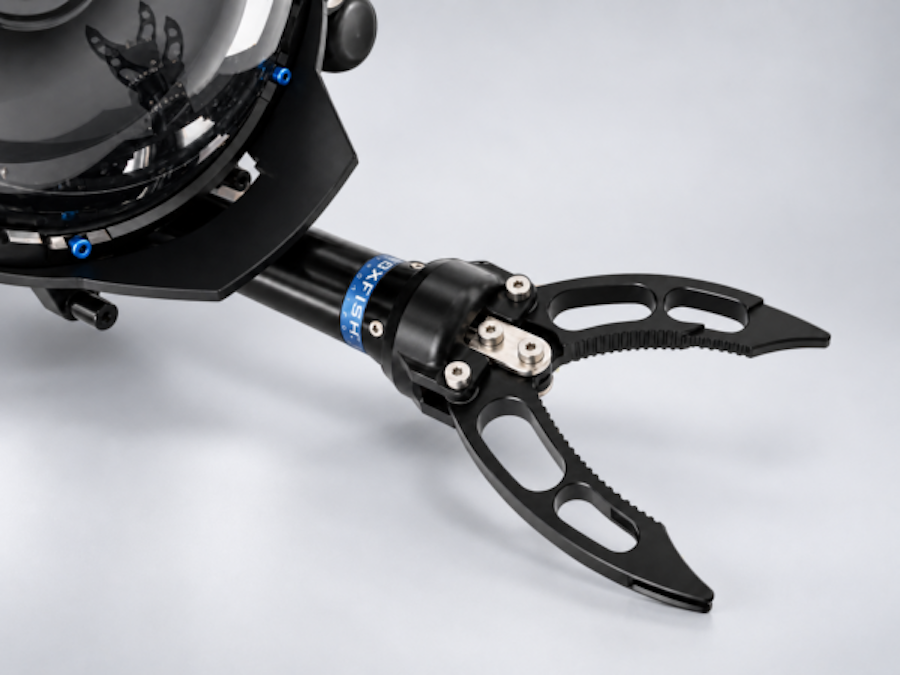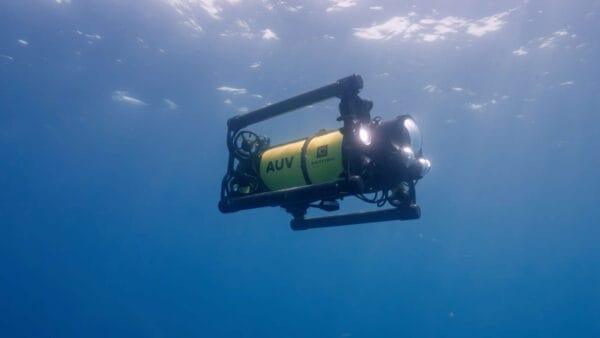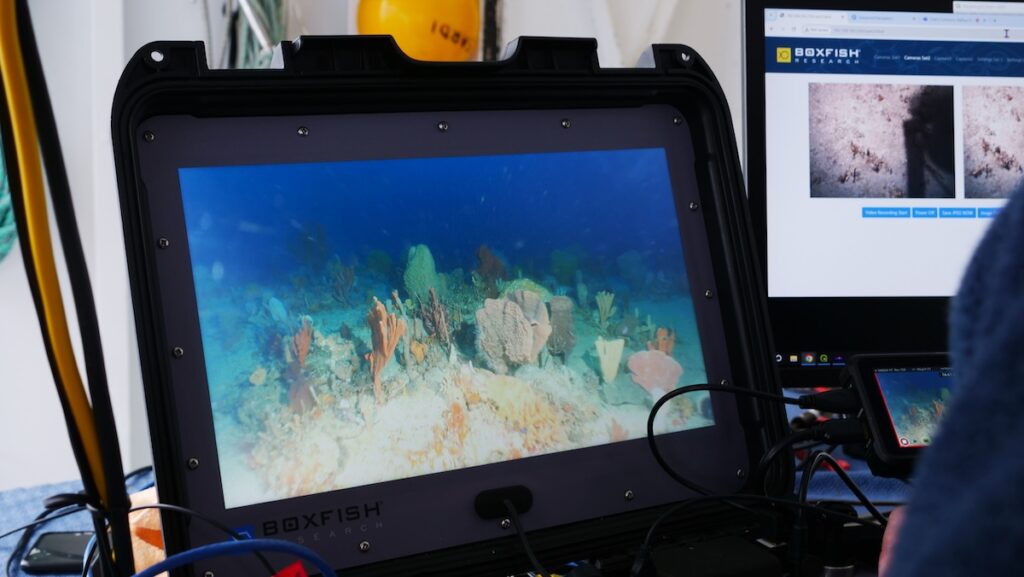



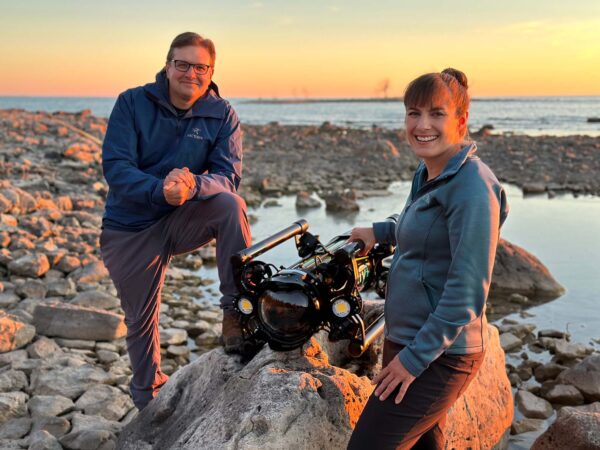
A live underwater expedition utilizing a Boxfish Luna ROV from Boxfish Robotics is scheduled to descend to “Superior Maximus,” the deepest point in Lake Superior.
Led by filmmakers and freshwater explorers Yvonne Drebert and Zach Melnick of Inspired Planet Productions, the project aims to study an environment located more than 55 kilometers offshore. Operating in near-total darkness and under pressures exceeding 40 times that of the surface, the team will utilize the cinema-grade Remotely Operated Vehicle (ROV) to broadcast the descent in real time. The depths of this region have remained virtually unexplored since scientists last descended there 41 years ago.
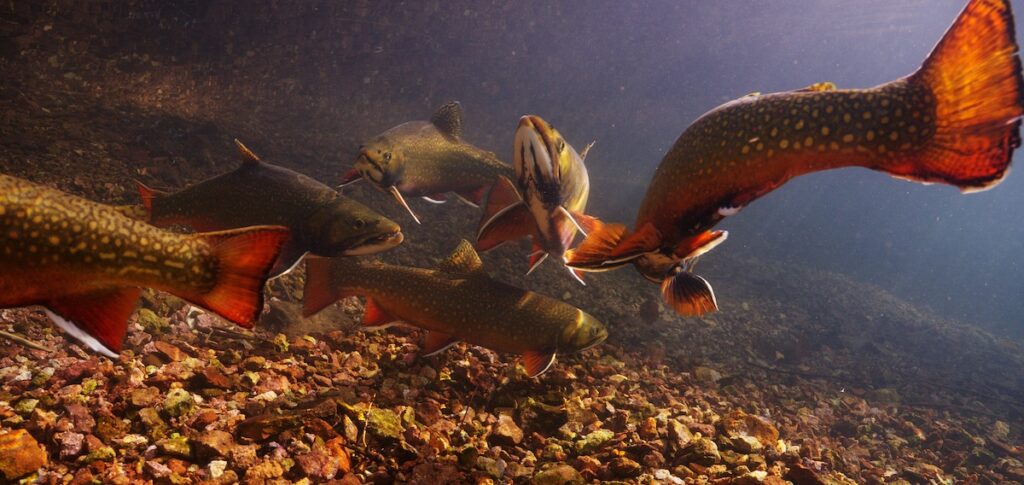
The mission focuses on documenting deepwater life uniquely adapted to these extreme conditions. Researchers hope to encounter the kiyi, a rare deepwater cisco now found only in Lake Superior, which has never been photographed alive in its natural habitat. Additionally, the expedition will look for deepwater sculpin nests, forests of colorful hydra, mysis shrimp, and siscowet lake trout, a giant trout specially adapted to survive in cold, lightless depths.
Shawn Sitar, a fisheries research biologist from the Michigan Department of Natural Resources, is joining the dive to provide a scientific perspective on ongoing ecosystem research. His current work investigates the appearance of “zombie fish,” which are emaciated siscowet lake trout increasingly found across Lake Superior. Many of these fish are believed to originate from the deepest parts of the lake, raising new questions about conditions within these largely unseen ecosystems.
The live dive forms part of the ongoing “Hidden Below: The Great Lakes” exploration initiative, which focuses on revealing rarely explored freshwater environments through real-time underwater expeditions.
The live broadcast is planned for June 6 at 1:00 PM local time, with a weather window extending from June 6 to June 9 depending on conditions. The expedition will stream live on YouTube, contributing to ongoing freshwater research while demonstrating how modern ROV technology can be utilized to access rarely explored underwater environments.