Remotely Operated Vehicles (ROV)
Discover cutting-edge solutions from 10 leading global suppliers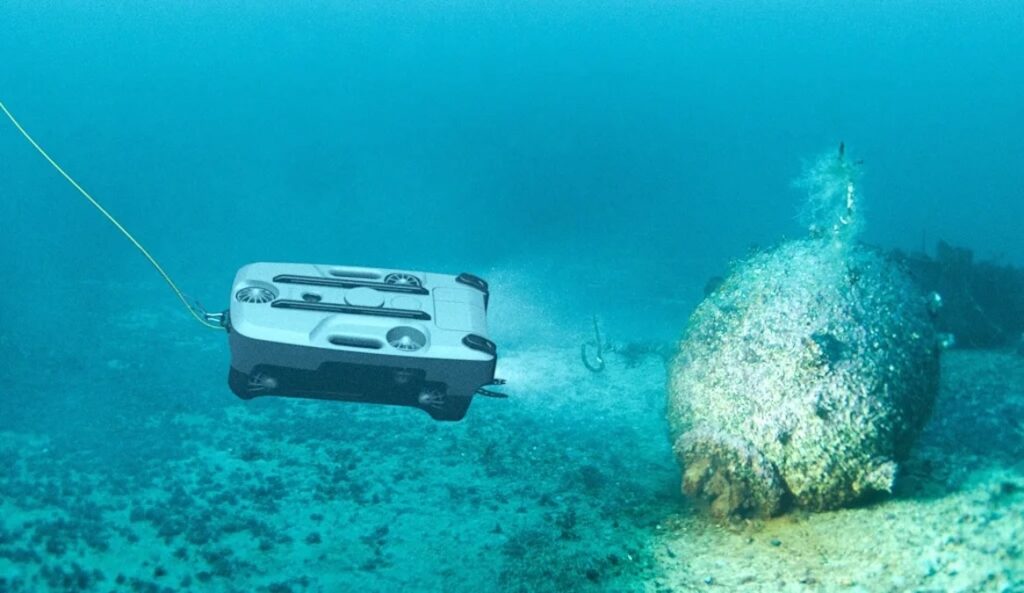
Blueye Robotics has expanded its underwater technology portfolio with the launch of the Blueye X7 Remotely Operated Vehicle (ROV), the Blueye X3 Ultra ROV, and the Blueye Cloud platform.
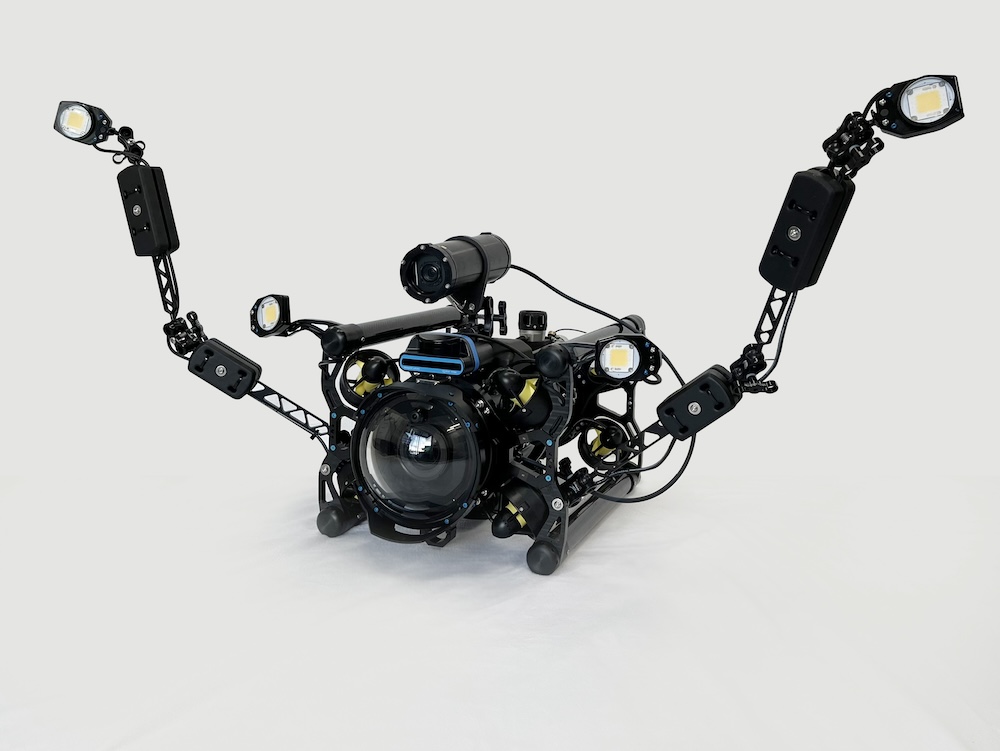
The newly introduced Blueye X7 serves as the flagship ROV designed for complex and demanding underwater operations. Built as an entirely new platform, the X7 features seven thrusters that deliver six degrees of freedom, enabling the vehicle to maintain its position and heading in strong currents while offering active pitch and roll control.
To support specialized missions such as aquaculture net pen inspections, structural surveys, and search and recovery operations, the ROV is equipped with seven guest ports. These connections support payloads including sonars for wide-area scanning, Doppler Velocity Logs (DVLs) for precise positioning, and robotic grippers.
Onboard computing power allows the X7 to run vision models directly on its 4K UHD zoom camera, facilitating real-time turbidity filtering, object recognition, and single-object tracking. Operators can also upload custom, domain-specific detection models to the drone. Power is supplied via a dual-battery setup compatible with standard and high-capacity packs, with a topside power alternative planned for extended dive operations. The system retains a user-friendly architecture that allows a single operator to manage missions without specialized ROV training.
Blueye has also introduced the AI-ready X3 Ultra ROV, an upgraded version of its X3 platform. Maintaining its established compact, fast-deployment design, the X3 Ultra is equipped with a low-light 4K UHD HDR camera featuring 8x zoom, enabling operators to inspect weld seams and hull markings from a distance.
Driven by an Nvidia Jetson Orin NX System on Chip (SoC), the X3 Ultra processes turbidity, color, and lens-correction filters in real time. The onboard processing capability supports advanced applications including object detection and tracking, collision avoidance, and enhanced situational awareness. The X3 Ultra includes three guest ports to accommodate the full range of Blueye sensors and tools.
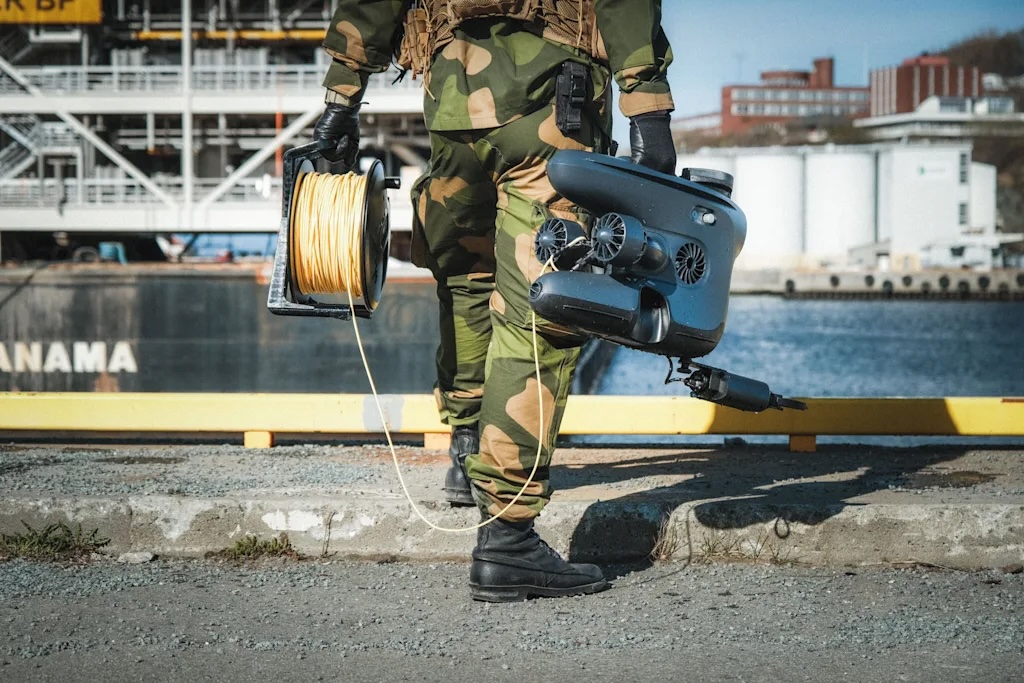
Operating as a unified ecosystem, both the X7 and X3 Ultra utilize the Blunux operating system, ensuring that firmware updates, software enhancements, and AI models can be deployed across an entire fleet. This hardware lineup is rounded out by the Blueye X1, which was launched in 2024 for light inspection and basic underwater operations.
To address the challenges of managing inspection data across multiple assets and missions, the web-browser-based Blueye Cloud platform centralizes dive logs, telemetry, and media files. The system automatically populates fleet data by tracking individual drones, batteries, and peripherals by serial number. Users can replay dives through a map-based interface displaying depth-colored tracks, time-synchronized imagery, and live multibeam sonar data.
Through a dedicated projects module, multi-dive datasets can be consolidated into shareable workspaces where users annotate findings and create inspection reports. An integrated AI assistant uses Azure OpenAI services hosted in Norway to generate draft inspection reports based on dive data, annotations, imagery, and voice narration transcripts recorded through the Blueye App.
The cloud platform is available through a Free plan featuring 5 GB of storage, fleet management, dive analytics, and a monthly AI quota, while a Professional plan adds live streaming, custom map layers, project management capabilities, and AI-generated inspection reports.