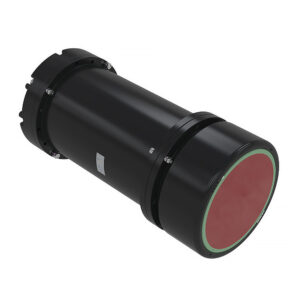
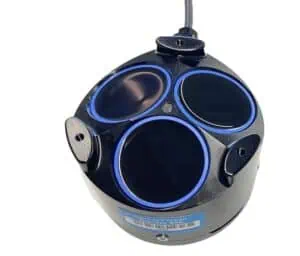
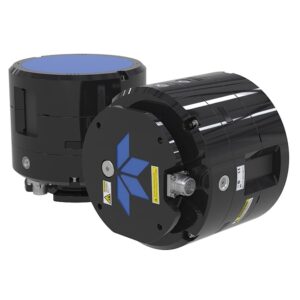
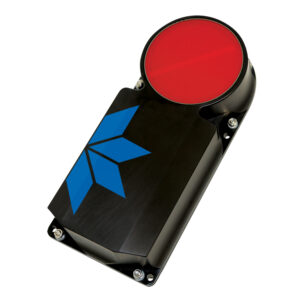
Doppler Velocity Log (DVL) systems are acoustic sensors that measure subsea platform velocity relative to the seabed or water column using Doppler shift principles. Widely deployed on AUVs, ROVs, and autonomous vessels, a Doppler velocity log enables precise dead reckoning and navigation in GNSS-denied environments.
This page showcases leading Doppler Velocity Log manufacturers providing sensors built for deployment across ocean science and offshore applications.
If you design, build or supply Doppler Velocity Logs (DVL), create a profile to showcase your capabilities and connect with visitors who have an active requirement for your solutions.
A Doppler Velocity Log (DVL) is a specialized acoustic sensor used to measure the velocity of a subsea platform relative to the seabed or the surrounding water column. It operates by emitting acoustic pulses and analyzing the frequency shift of the returned echoes to determine motion.
This velocity data is typically resolved into three orthogonal axes (Forward, Starboard, and Down). When integrated over time, these measurements allow for highly accurate position estimation through dead reckoning.
For professionals operating Autonomous Underwater Vehicles (AUVs), Remotely Operated Vehicles (ROVs), and autonomous vessels, the DVL provides the continuous updates necessary for autonomous missions where external positioning references are unavailable. When GNSS signals disappear beneath the waves, the DVL takes over, providing high-frequency, high-accuracy velocity data that keeps subsea platforms on track.
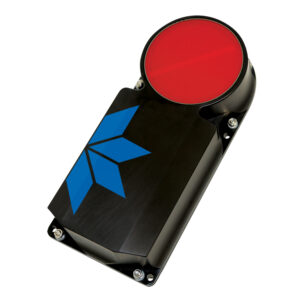
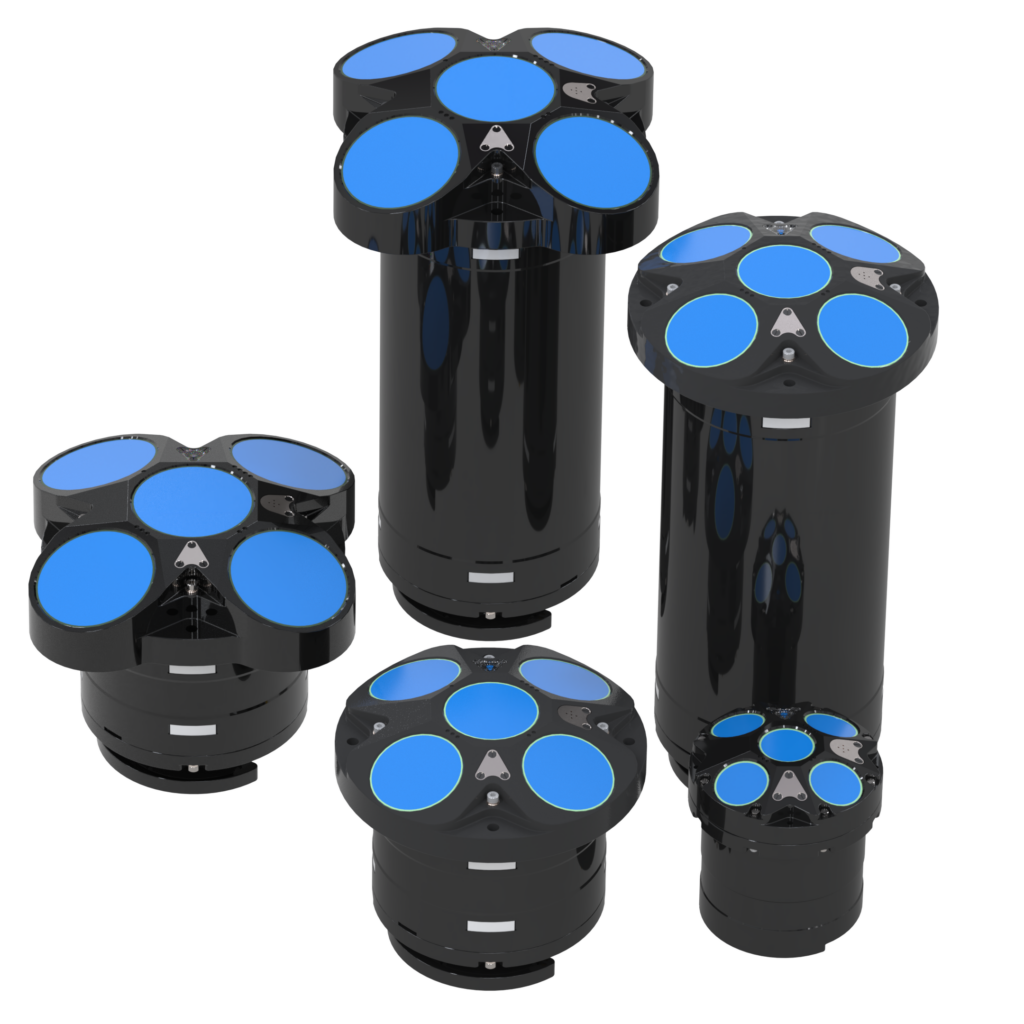
Doppler Velocity Log, Pathfinder DVL, from Teledyne Marine.
Principles of Operation: The Doppler Velocity Effect
The Doppler velocity log principle of operation is rooted in underwater acoustics. When a DVL transmits an acoustic pulse at a known frequency, the signal reflects off a surface, either the seafloor or particles suspended in the water. If there is relative motion between the underwater vehicle and the reflecting surface, the returned signal exhibits a frequency shift proportional to that velocity.
By measuring this shift with high precision, the system determines velocity components along each acoustic beam. These individual measurements are then transformed into vehicle-referenced velocity vectors using geometric calculations. This means using a Doppler velocity log for underwater vehicle navigation is a robust solution for tracking movement in three dimensions.
Acoustic Beam Geometry and the Janus Configuration
Most industrial-grade Doppler velocity loggers utilize what is known as a Janus configuration. This setup typically consists of four acoustic beams angled symmetrically (commonly at 20 to 30 degrees) from the vertical axis.
While three beams are theoretically sufficient to resolve 3D velocity, the fourth beam provides critical redundancy. By comparing the data from opposite beam pairs, the system calculates an error velocity. This metric is valuable for engineering specifiers, as it acts as a real time quality indicator of the sensor performance and the consistency of the acoustic environment. Some advanced five-beam systems include a dedicated vertical beam to improve altitude estimation over complex, rugged terrain.
Bottom Track vs Water Track Modes
To maintain robust navigation across varying depths and environments, a DVL operates in two primary modes:
Bottom Track Mode: This is the preferred mode for high-precision navigation. The DVL locks onto the seabed, providing absolute velocity relative to the Earth. It is the gold standard for ROV station keeping and AUV survey tasks, though it requires the vehicle to remain within the acoustic range of the floor.
Water Track Mode: When the seabed is out of range, the Doppler velocity log sensor measures velocity relative to scatterers like plankton or particulates in the water column. While this enables operation at higher altitudes, it is generally less accurate due to the dynamic nature of moving water masses and currents.
Key Components of Doppler Velocity Log Sensors
A high-performance Doppler velocity logger is a complex integration of hardware and software designed to survive extreme pressures.
Acoustic Transducers and Beam Arrays: The transducer assembly is the front end, responsible for transmitting and receiving signals. Each beam is generated by a dedicated element designed for specific frequencies. The choice of frequency is a trade-off: higher frequencies offer better resolution but shorter range, while lower frequencies are required for deep water bottom tracking.
Signal Processing Units: Raw acoustic returns are processed by onboard electronics that perform frequency shift detection, correlation, and filtering. Advanced digital signal processing (DSP) is used to extract clean velocity data from noisy environments in real-time.
Embedded Software and Algorithms: These manage beam sequencing and coordinate transformations. They also handle critical tasks like bottom detection and outlier rejection, ensuring the system does not lose lock due to a passing school of fish or sudden changes in terrain.
Interfaces and Data Outputs: Doppler velocity logs provide data through standard communication interfaces such as serial, Ethernet, or fieldbus protocols. Typical outputs include velocity vectors, altitude, and beam quality metrics.
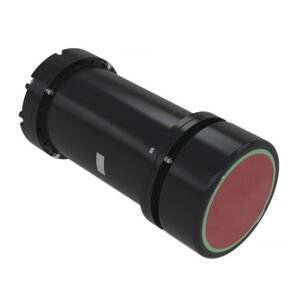
Doppler Velocity Log, Pioneer DVL, from Teledyne Marine.
Applications of DVLs Across Ocean Science & Offshore Engineering
Autonomous Underwater Vehicles (AUVs)
The use of a Doppler velocity log for AUV systems is critical for successful subsea missions. These sensors enable precise path following, terrain relative navigation, and mission repeatability, particularly in survey and inspection tasks conducted close to the seabed. Relying on an AUV DVL ensures that long-endurance missions remain accurate even when the vehicle is operating far from surface support or acoustic baselines.
Remotely Operated Vehicles (ROVs)
A Doppler velocity log for ROV platforms provides velocity feedback to support pilot control and station keeping. When integrated with dynamic positioning systems, it enhances vehicle stability, enabling delicate manipulation tasks in high-current subsea environments. An ROV DVL is typically optimized for high update rates, with tight integration into the control loop allowing precise station keeping, which is essential for heavy intervention and structural repair operations.
Unmanned Surface Vessels (USVs) and Autonomous Ships
There is a rising trend in the usage of a Doppler velocity log for autonomous ships and surface vessels. In littoral or shallow water environments, these sensors provide a ground-referenced speed over ground measurement. This is a critical safety layer for autonomous navigation, providing a reliable velocity source that is immune to the signal interference or atmospheric conditions that can sometimes affect GPS-based systems on surface platforms.
Using a DVL for navigation is an important consideration for advanced USV developers, particularly for GNSS-denied operations and high-precision autonomous navigation.
Scientific Research and Hydrography
In scientific applications and hydrography, Doppler velocity logs support long-duration missions where consistent navigation is required for spatial correlation of data. In the offshore energy sector, they ensure that bathymetric data is accurately georeferenced for pipeline tracking and structural intervention.
Integration with Navigation & Positioning Systems
Inertial Navigation System (INS) Integration
A DVL is most powerful when integrated with an Inertial Navigation System (INS) to form a tightly coupled solution. The DVL provides velocity updates that constrain the exponential drift of the inertial sensors, while the INS supplies high rate attitude and acceleration data, complemented by Motion Reference Units (MRUs) for accurate motion measurement.A DVL is most powerful when integrated with an Inertial Navigation System (INS) to form a tightly coupled solution. The DVL provides velocity updates that constrain the exponential drift of the inertial sensors, while the INS supplies high rate attitude and acceleration data, complemented by Motion Reference Units (MRUs) for accurate motion measurement.
Acoustic Positioning Systems
DVLs complement systems like Ultra Short Baseline (USBL) or Long Baseline (LBL). While these provide absolute position fixes, they often have low update rates. Using a Doppler velocity log for navigation fills the gaps between these fixes with high-frequency velocity data, maintaining a smooth and accurate track.
A distinction should be made between DVLs and Acoustic Doppler Current Profilers (ADCPs). While both use Doppler principles, an ADCP is optimized to measure water current profiles over a range of depths, whereas a DVL is fine-tuned for the precise velocity measurement of a moving platform.
Deployment & Selection Considerations
When selecting Doppler velocity log manufacturers or specifying a unit for a fleet, engineers must consider:
Mounting and Alignment: Proper installation is critical. The sensor must be rigidly mounted, and any misalignment relative to the vehicle reference frame must be calibrated out to prevent systematic errors.
Depth and Pressure Ratings: Housings must be rated for the maximum operating depth of the platform, with appropriate safety margins.
Power Consumption: For battery-powered AUVs, power efficiency is a primary metric that influences total mission duration.
Emerging Trends in Doppler Velocity Loggers
The industry is currently seeing a move toward miniaturization, allowing for a Doppler velocity log for underwater vehicle platforms as small as micro AUVs. Additionally, AI-enhanced navigation is being used to improve decision-making and anomaly detection in challenging acoustic environments, while hybrid navigation solutions are combining multiple sensing modalities into a single, robust architecture.
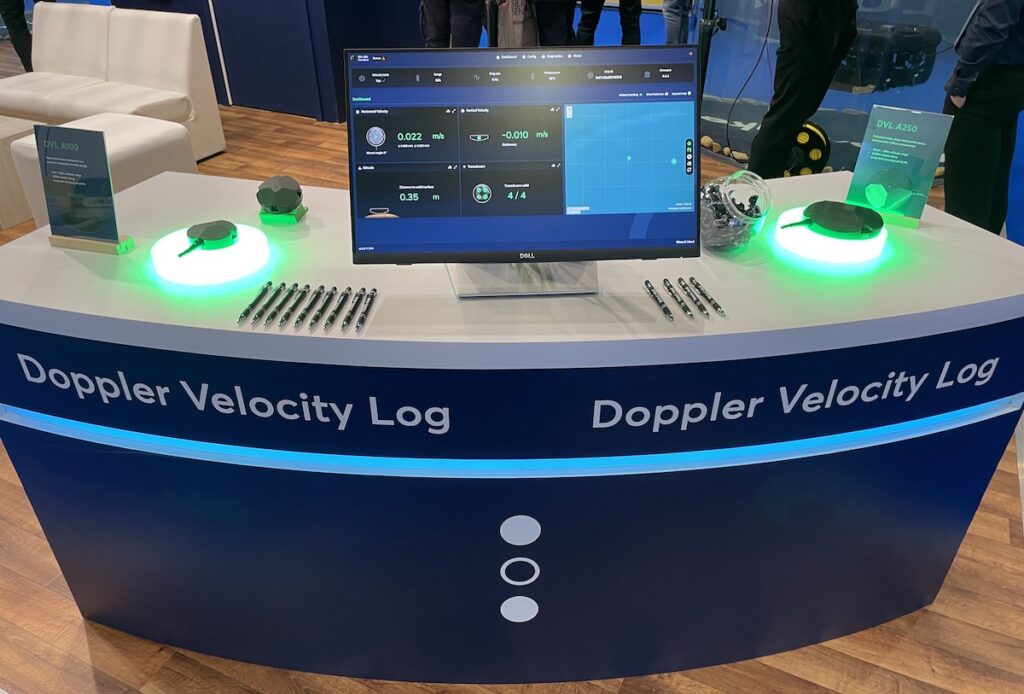
Water Linked speaks to Ocean Science Technology at Oceanology International 2026 in London, with Chief Commercial Officer Scott McLay outlining the company’s latest compact Doppler Velocity Log developments
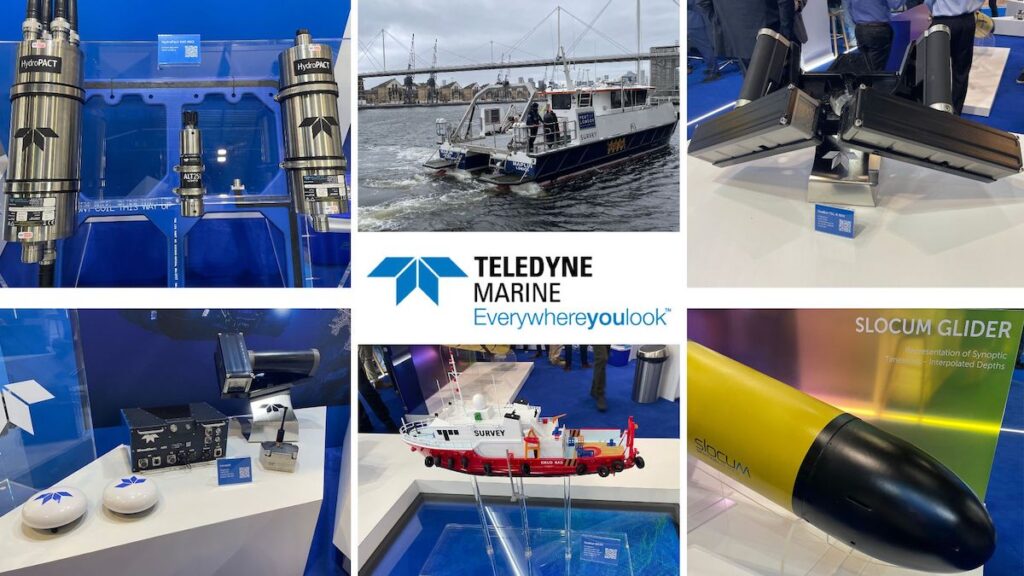
OST visited Teledyne Marine at Oceanology International 2026 in London, where the company showcased sonar, navigation, oceanographic, and autonomous survey technologies
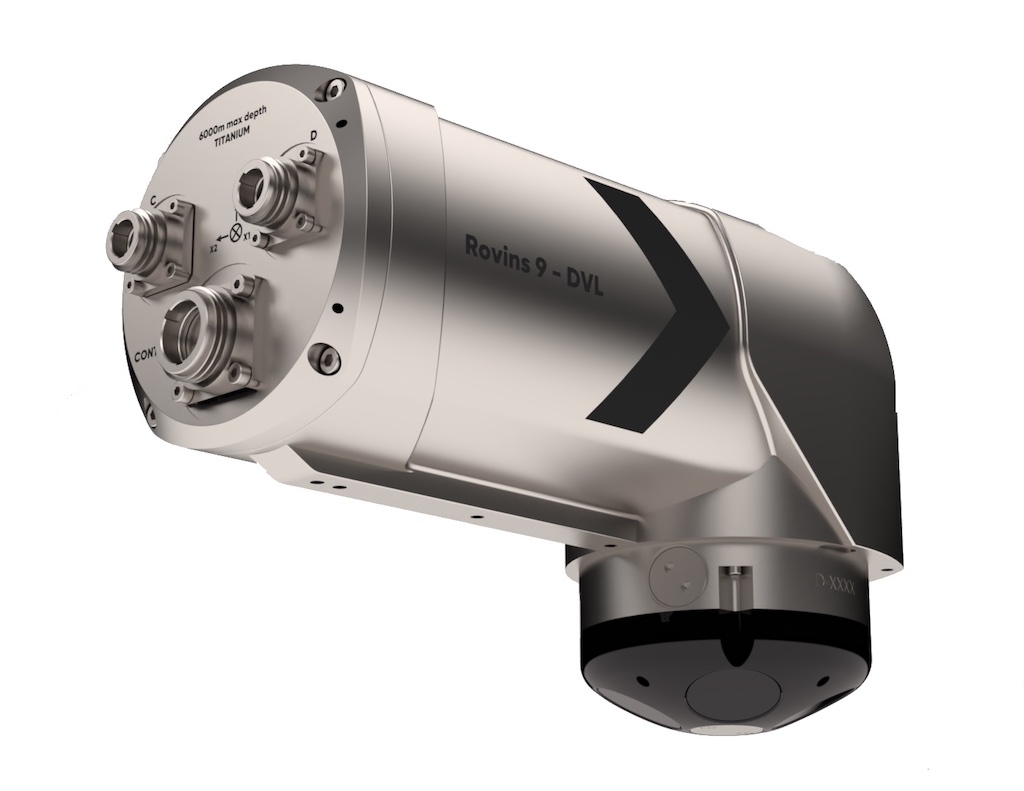
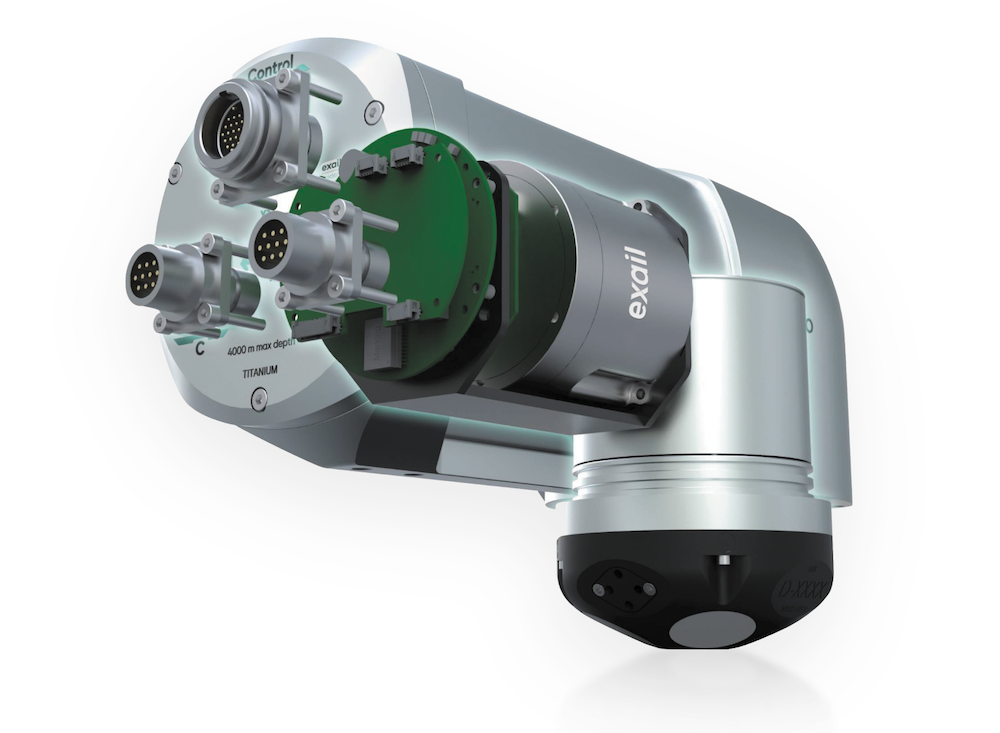
Ashtead Technology has purchased six of Exail’s Rovins 9-DVL, a high-performance navigation system that integrates INS and DVL functionalities for reliable subsea positioning
New from Exail, the Rovins 9 DVL’s tight integration of raw sensor data from both INS and DVL provides operators with highly accurate position, velocity, and attitude information, even in challenging subsea environments
The latest offshore, subsea & marine technology news, straight to your inbox.
Get our weekly roundup of technology developments, new products and industry news.
THANK YOU FOR SIGNING UP
Thanks for joining us. Check your inbox.
We've sent you an email. Click the confirmation link to complete your subscription to the weekly eBrief. In the meantime, explore the latest news, suppliers and technologies.