Dissolved CO2 Sensor Probes for Accurate Marine CO2 Monitoring
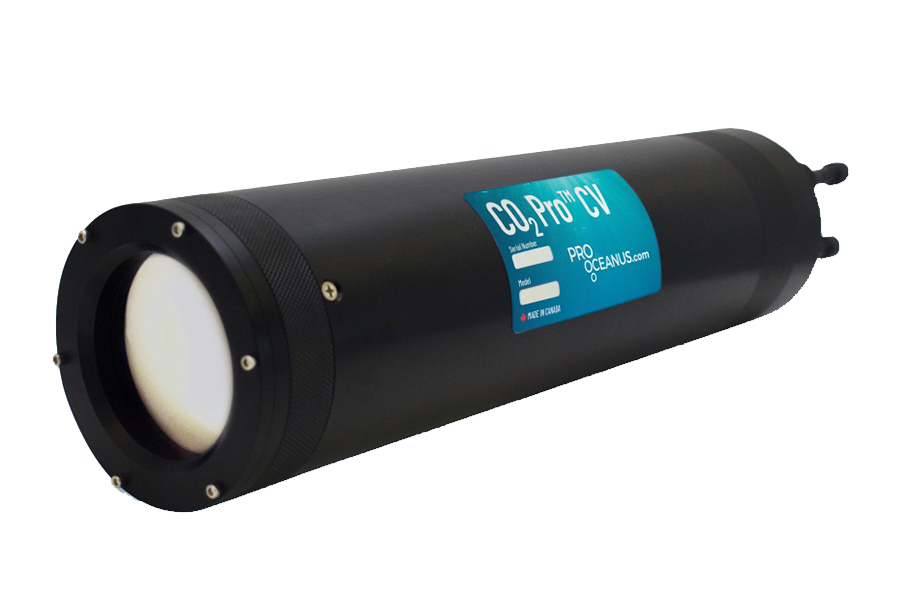
Understanding the concentration of dissolved CO2 in marine environments is critical for research on ocean health, acidification, and climate change. Advanced dissolved CO2 sensor probes are used on platforms like ROVs, buoys, and underwater observatories to measure pCO2 levels accurately. These sensors help researchers monitor carbon dioxide in water, study ocean acidification, and understand the effects of CO2 on marine ecosystems.
If you design, build or supply Dissolved CO2 Sensor Probes, create a profile to showcase your capabilities and connect with visitors who have an active requirement for your solutions.
Dissolved CO2 Sensor Probes for Accurate Marine CO2 Monitoring
Overview by
Sarah Simpson
Updated:
What is Dissolved CO2 and Why Measure it in Marine Environments?
Dissolved CO2 refers to the carbon dioxide that is absorbed and dissolved in ocean water. The accurate measurement of dissolved CO2 is essential to understand marine chemistry, track changes in ocean acidification, and assess the health of underwater ecosystems. Since CO2 dissolved in water influences pH levels and carbonate chemistry, monitoring these changes helps scientists and policymakers address environmental challenges and climate change impacts.
Dissolved CO2 is typically measured using specialized sensor probes that can detect partial pressure of CO2 (pCO2) in water. These probes are deployed on various platforms such as buoys, remotely operated vehicles (ROVs), and flow-through systems to gather real-time data on carbon dioxide concentrations.
Applications of Dissolved CO2 Sensor Probes
Dissolved CO2 sensor probes play a vital role in marine science and oceanography. Some key applications include:
Ocean Acidification Studies
By measuring pCO2 and tracking changes in CO2 levels, researchers can study how rising CO2 affects ocean water pH, leading to acidification. This helps in understanding the long-term impact on marine organisms, particularly those with calcium carbonate shells.
Climate Change Monitoring
Accurate CO2 monitoring helps scientists understand the role of oceans as carbon sinks and track the effects of atmospheric CO2 on marine environments.
Marine Ecosystem Health Assessments
Changes in dissolved carbon dioxide levels can affect marine life, particularly corals and shellfish. Monitoring CO2 levels provides insights into ecosystem health and potential threats to biodiversity, alongside other water-quality measurements made using CDOM/FDOM sensors.
ROV and Buoy Deployments
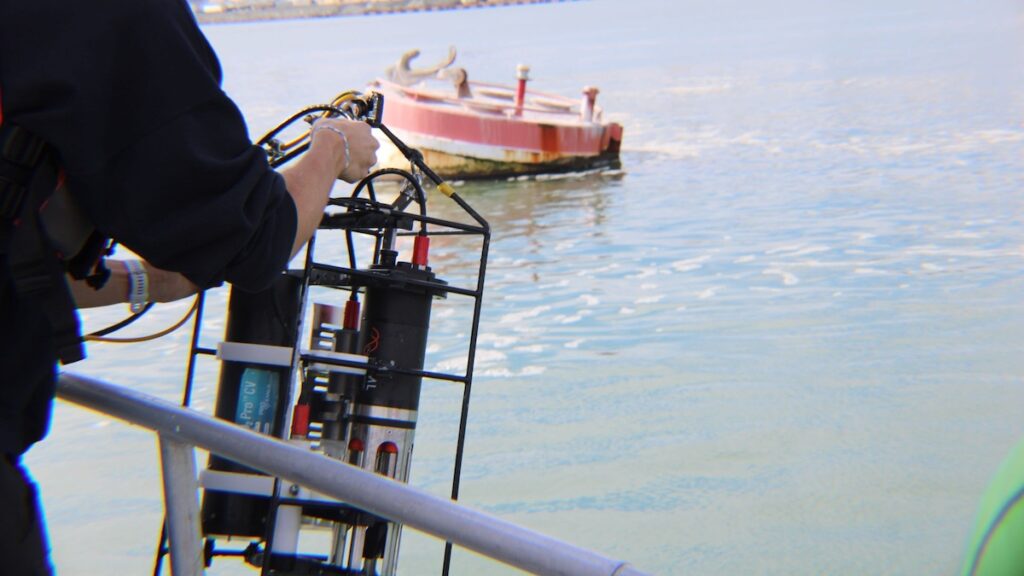
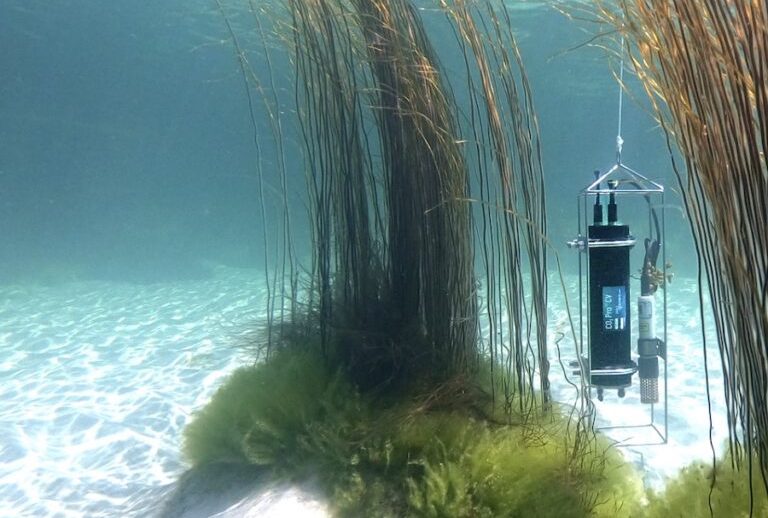
Dissolved CO2 sensor probes can be attached to ROVs, AUVs (Autonomous Underwater Vehicles), and moored buoys to measure CO2 levels across various depths and locations, offering flexibility in data collection.
Gas Exchange Research
Understanding how carbon dioxide exchanges between the atmosphere and the ocean is crucial for modeling carbon cycles and predicting climate trends.
How Dissolved CO2 Sensor Probes Work
Dissolved CO2 sensor probes function by detecting the partial pressure of CO2 (pCO2) in seawater. These sensors are often combined with temperature sensors and gas sensors to provide accurate measurements. The most common types of dissolved CO2 sensors include:
Infrared (IR) CO2 Sensors
These sensors use infrared absorption technology to measure CO2 concentrations. They are highly accurate and commonly used in flow-through systems for real-time monitoring.
Electrochemical CO2 Sensors
These sensors rely on chemical reactions to detect CO2 levels. They are suitable for long-term deployments on buoys and underwater platforms.
Membrane-Based CO2 Probes
These probes use semi-permeable membranes to allow dissolved CO2 to pass through for measurement, providing stable and reliable readings even in varying water conditions.
Key Features of Dissolved CO2 Sensors
When selecting a dissolved CO2 sensor probe for marine applications, consider the following features:
Accuracy and Sensitivity: Reliable detection of pCO2 in water is crucial for scientific research. High-precision sensors ensure accurate results.
Durability: Probes designed for harsh ocean environments are resistant to corrosion and pressure changes.
Temperature Compensation: Since temperature affects CO2 solubility, sensors with integrated temperature sensors provide more accurate data.
Deployment Flexibility: Sensors that can be deployed on ROVs, buoys, and in flow-through systems offer versatile data collection options.
Real-Time Data Monitoring: Some sensors provide immediate feedback and data logging for continuous monitoring of CO2 levels.
Advancements in CO2 Monitoring Technology
Recent advancements in CO2 monitoring technology have improved the reliability and efficiency of dissolved CO2 sensor probes. These improvements include:
Miniaturization of Sensors: Smaller, more compact probes can be easily mounted on various platforms.
Enhanced Durability: Advanced materials and designs have increased the lifespan of probes in saltwater environments.
Wireless Data Transmission: Real-time data can now be transmitted wirelessly to researchers onshore or on vessels.
Frequently Asked Questions About Measuring Dissolved CO2
Q: Is there carbon dioxide in water?
A: Yes, carbon dioxide naturally dissolves in water, particularly in oceans, where it helps regulate the global carbon cycle.
Q: How does CO2 affect pH in water?
A: When CO2 dissolves in water, it forms carbonic acid, which lowers the pH, leading to ocean acidification.
Q: What is a pCO2 sensor?
A: A pCO2 sensor measures the partial pressure of CO2 in water, providing accurate data on dissolved CO2 levels.
Q: What is the importance of monitoring dissolved CO2 in ocean water?
A: Monitoring dissolved CO2 helps track ocean acidification, understand climate change impacts, and assess marine ecosystem health.
Summary of Dissolved CO2 Sensor Probes
Dissolved CO2 sensor probes are indispensable tools for monitoring carbon dioxide in marine environments. From studying ocean acidification to tracking climate change, these sensors provide critical data for understanding how CO2 affects ocean water and ecosystems. Whether deployed on ROVs, buoys, or flow-through systems, advanced CO2 sensors offer accurate, real-time monitoring to support scientific research and environmental management.
Explore the latest technologies in dissolved CO2 sensors and stay informed on how these tools are shaping our understanding of the ocean’s role in the global carbon cycle.
Pro-Oceanus Systems discusses dissolved gas dynamics in freshwater environments such as lakes and rivers, and outlines how its Mini-Series sensors are used to monitor concentrations of gases including CO₂ and CH₄
Pro-Oceanus Systems explains dissolved CO₂ variability in coastal and estuarine waters, outlining measurement approaches for short-term and long-term monitoring using its Mini CO₂ and CO₂-Pro™ sensors
Pro-Oceanus Systems’ dissolved gas sensors are enhancing global ocean observatories, enabling continuous carbon dioxide measurements that advance research into ocean acidification and climate processes
Discover how Pro-Oceanus Systems’ advanced sensors help explore the oceans, measure dissolved gases, and uncover critical insights into marine and climate processes
Pro-Oceanus Systems was featured in the ICOS OTC pCO2 Instrument Intercomparison, where its CO2-Pro™ CV and CO2-Pro™ ATM units demonstrated strong performance under varying seawater and atmospheric conditions
Pro-Oceanus Systems is providing advanced CO2-Pro CV sensor technology and technical expertise for buoy deployments led by Dalhousie University, supporting ongoing research into marine carbon dioxide removal
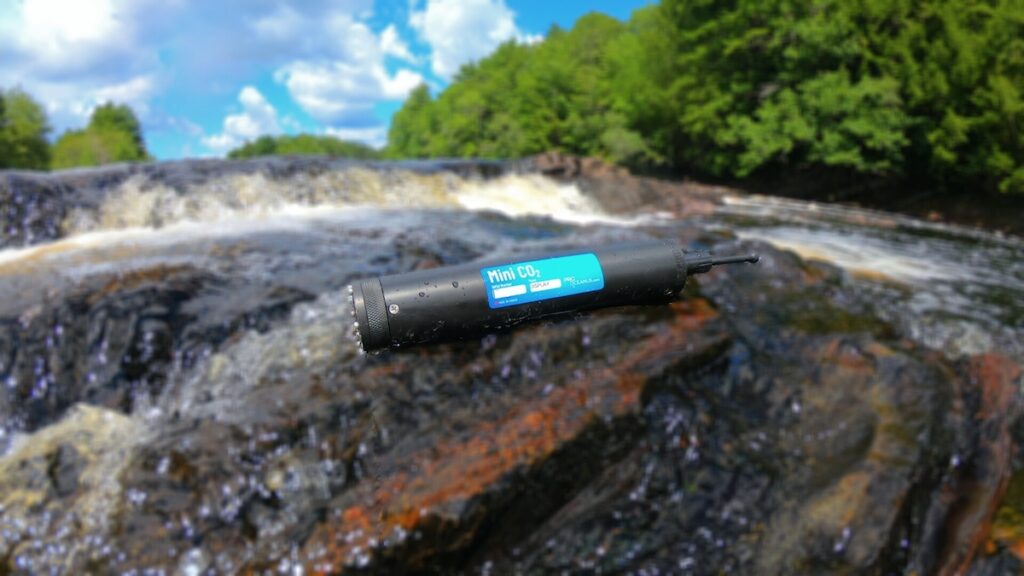
Pro-Oceanus Systems showcases its Mini CO2, a submersible pCO2 sensor designed to operate as an autonomous unit or integrate seamlessly with ocean gliders and AUVs
OST highlights Pro-Oceanus Systems’ high-accuracy dissolved gas sensors, engineered for diverse marine applications like oceanography, environmental monitoring, and oil & gas operations
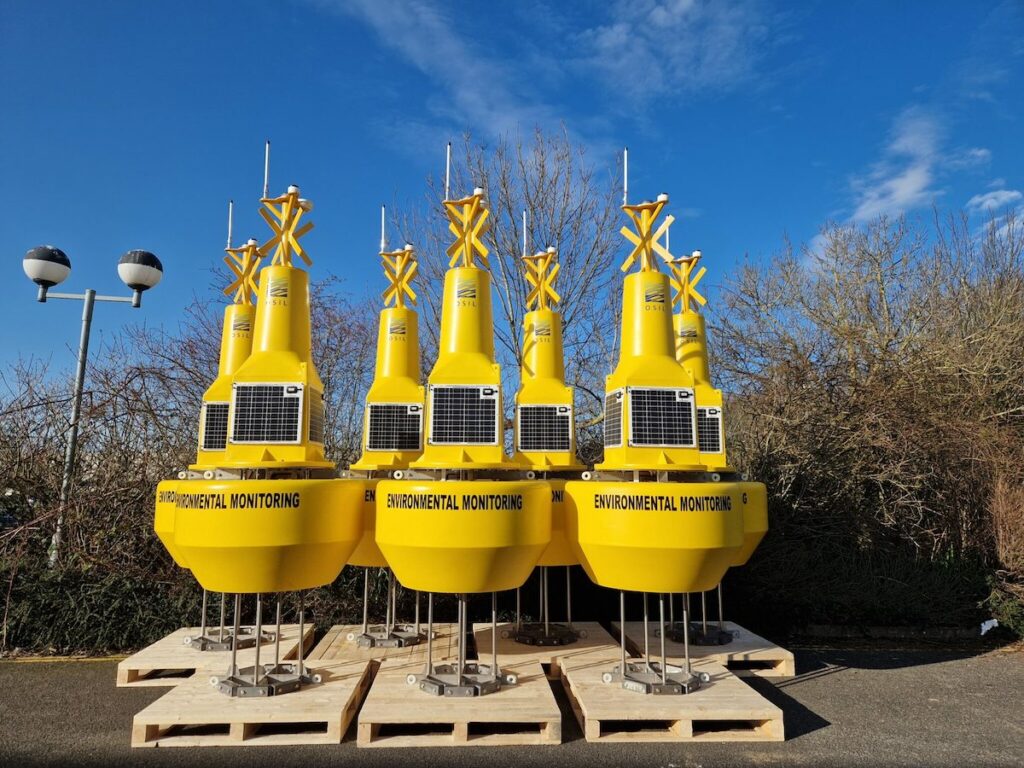
OSIL’s data buoys will provide continuous real-time information about the dredge plume and surrounding environmental conditions of Van Oord’s dredging locations, keeping track of dissolved oxygen levels and turbidity