

Pro-Oceanus Systems outlines the importance of monitoring dissolved gases such as CO₂ and methane (CH₄) in lakes and rivers, and highlights how compact sensing technologies can support limnology research and environmental monitoring. Read more >>
Around 85-90% of lakes globally are supersaturated with CO₂, meaning they contain higher concentrations of carbon dioxide than the atmosphere. As a result, lakes release CO₂ into the air and represent an important component of the global carbon budget.
Mean CO₂ concentrations in lake waters are typically around 1000-1200 ppmv, although levels can rise significantly, reaching between 10,000 and 100,000 ppmv (1-10% pCO₂ by volume).
Anoxic sediments in lakes act as sources of dissolved methane, releasing it into the overlying water column and ultimately to the atmosphere. In stratified water bodies, higher methane concentrations may occur in deeper layers.
Surface CH₄ levels in lakes can vary considerably and may reach 2 μmol/L or more under favourable conditions. For example, measurements taken beneath winter ice cover in Lake Baikal have recorded dissolved methane concentrations of up to ~4 μmol/L (~3000 ppmv CH₄).
In river environments, pCO₂ levels can vary widely, ranging from values below atmospheric concentrations, such as during periods of algal bloom, to around 2000 ppmv or higher, and in some cases exceeding 10,000 ppmv. These fluctuations may be influenced by several processes, including changes in gas solubility, the breakdown of organic matter, methane oxidation, carbonate precipitation, and inputs from anthropogenic runoff.
Dissolved CO₂ concentrations in rivers are frequently estimated using pH and alkalinity measurements. However, even small inaccuracies in pH readings can lead to significant errors when calculating pCO₂.
Dam spillways and waterfalls may also introduce air bubbles into the water, a process known as bubble entrainment, which can result in gas supersaturation and negatively affect fish health. Because of this risk, Total Dissolved Gas (TDG) levels downstream of dam spillways are monitored in many regions, and concentrations must remain below established regulatory thresholds to protect fish and other aquatic organisms.
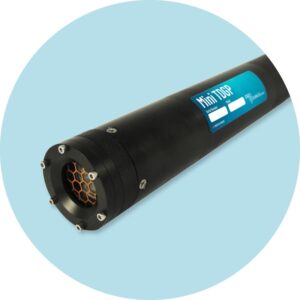
Mini-Series TDGP dissolved gas pressure sensor.
Mini-Series Dissolved Gas Sensors
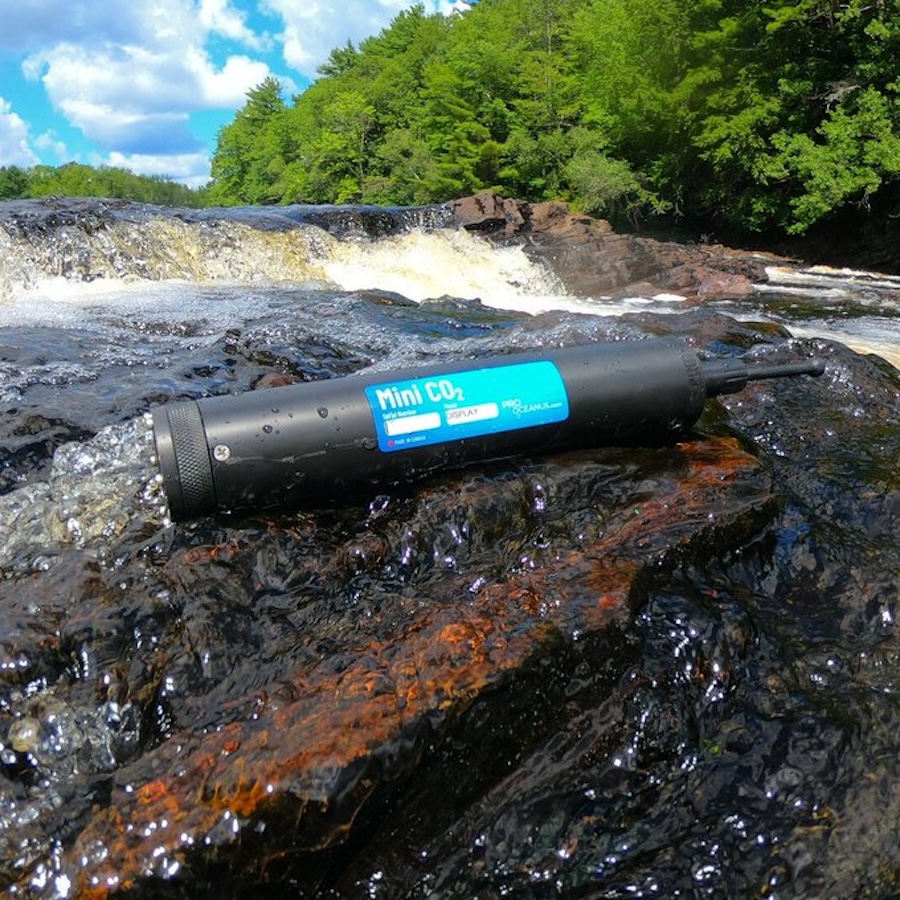
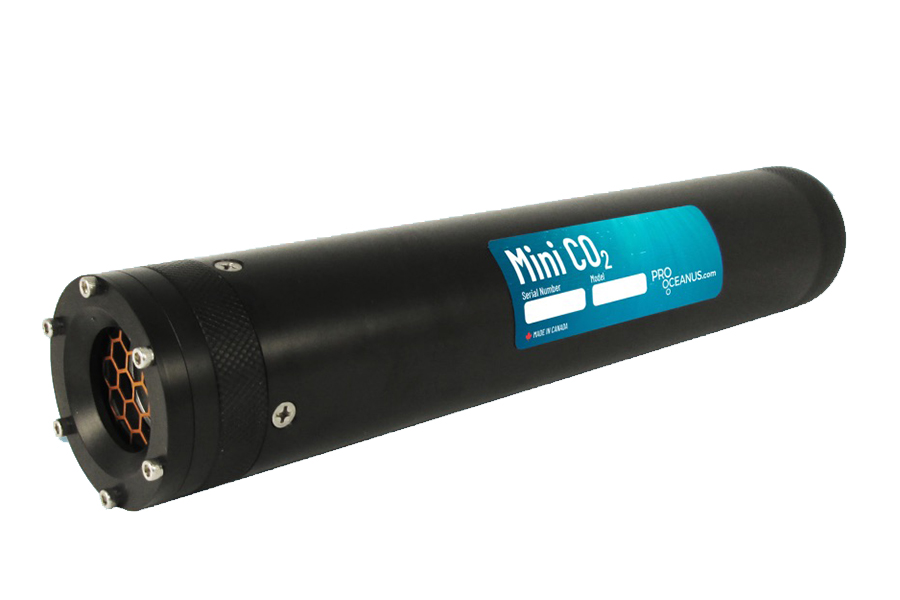
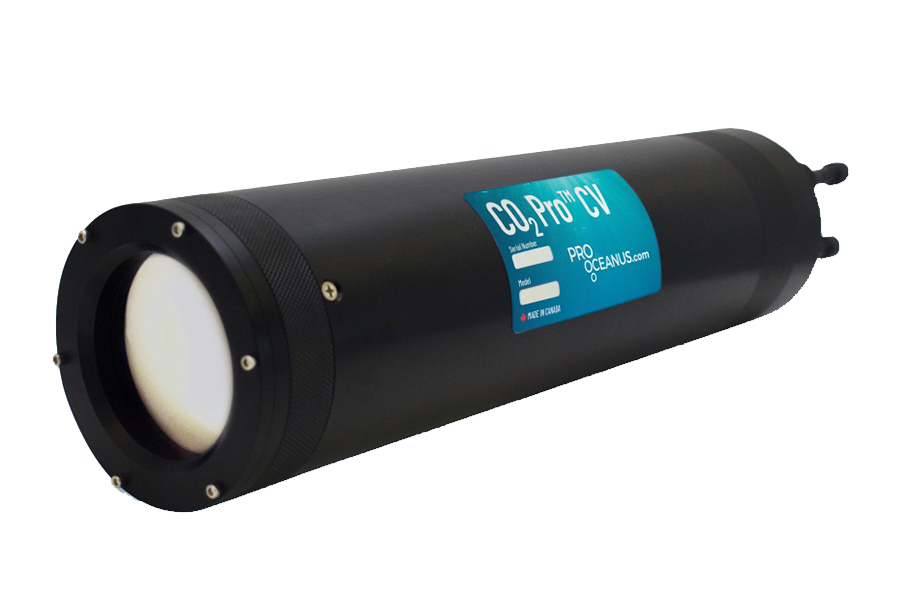
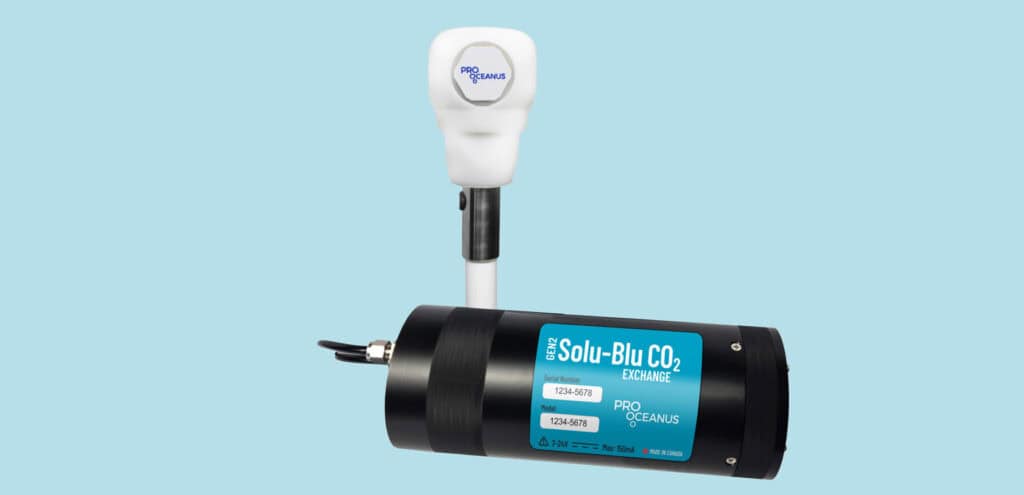
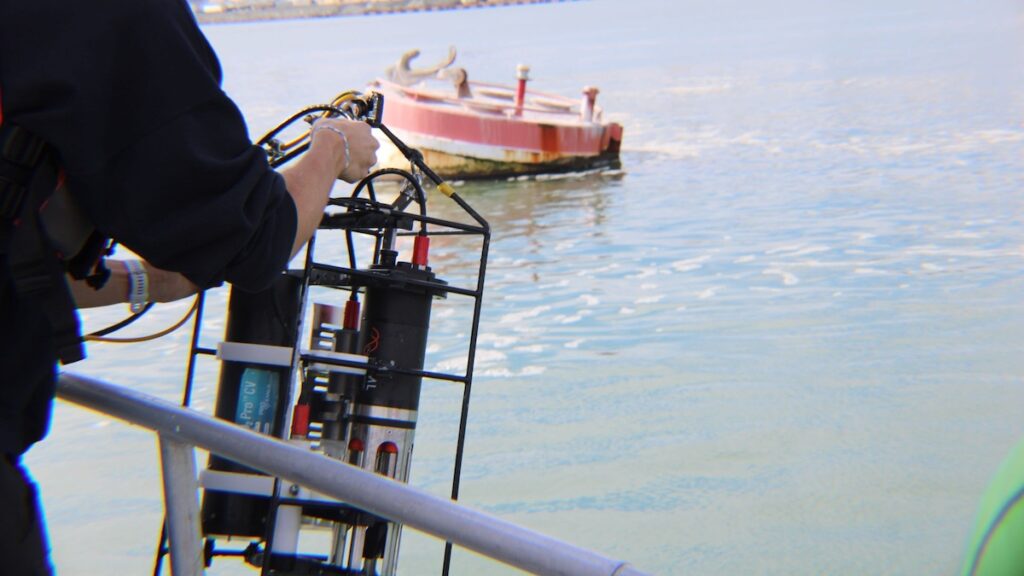
The Pro-Oceanus Mini-Series sensors are designed to measure the highly variable gas concentrations commonly found in lakes and rivers.
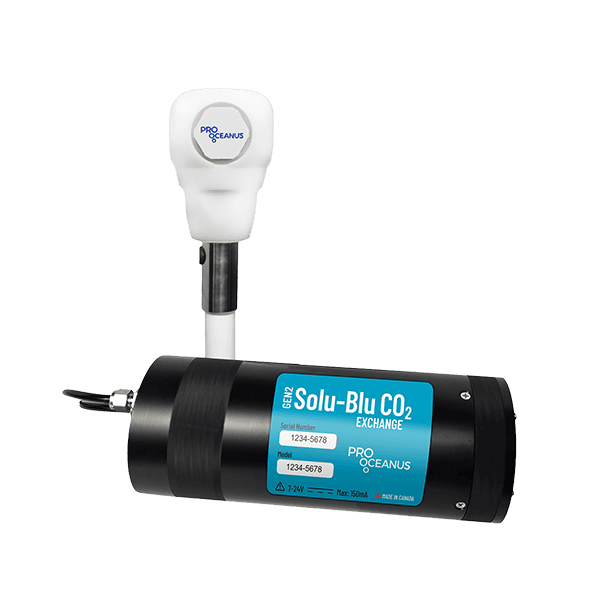
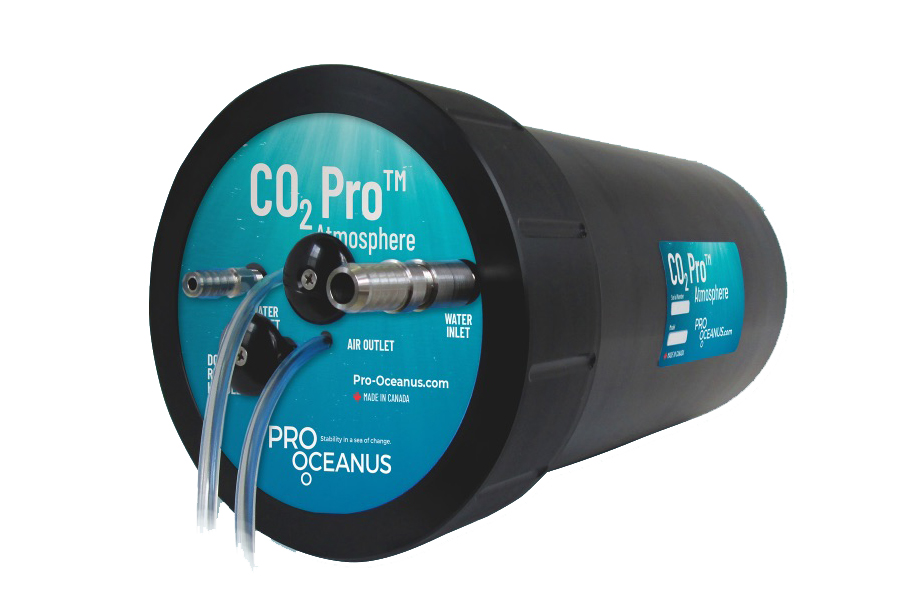
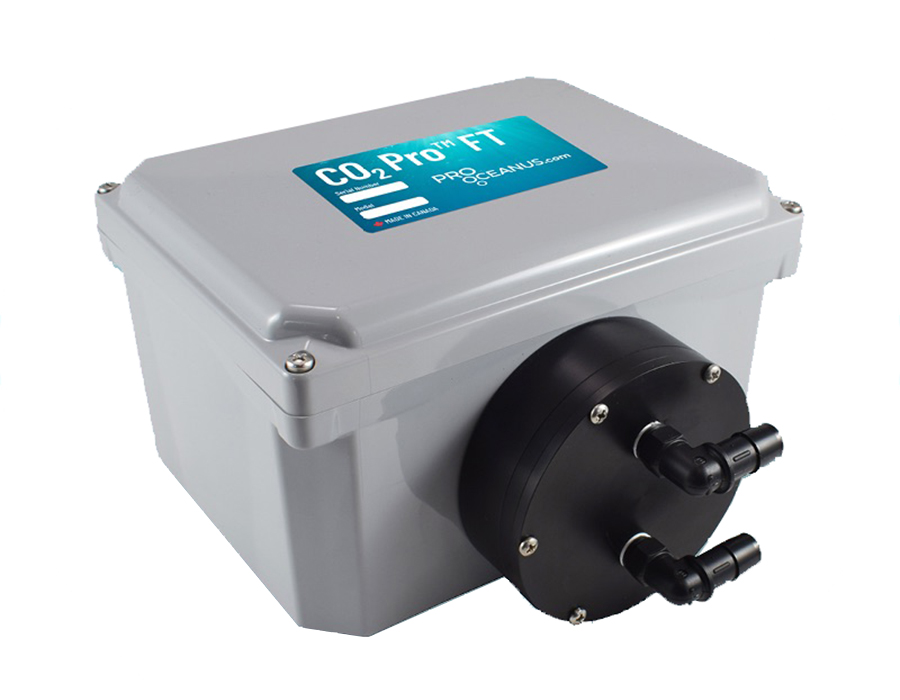
Available for CO₂, CH₄, and TDGP, the Mini-Series sensors are compact and lightweight instruments that provide reliable long-term measurements of dissolved gases. They are designed for use in water, oil, or mixtures of water and oil, enabling a wide range of dissolved gas monitoring applications.