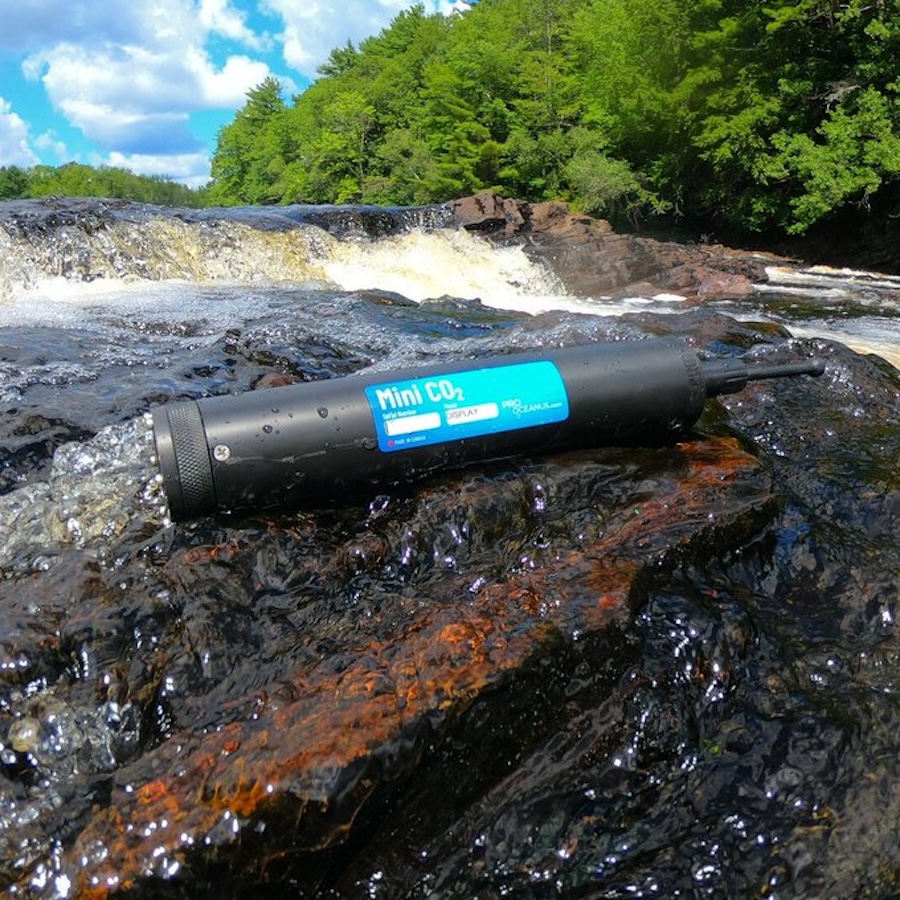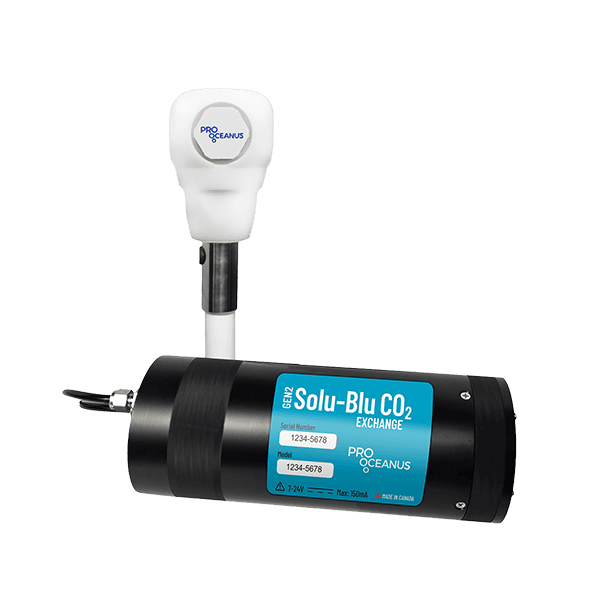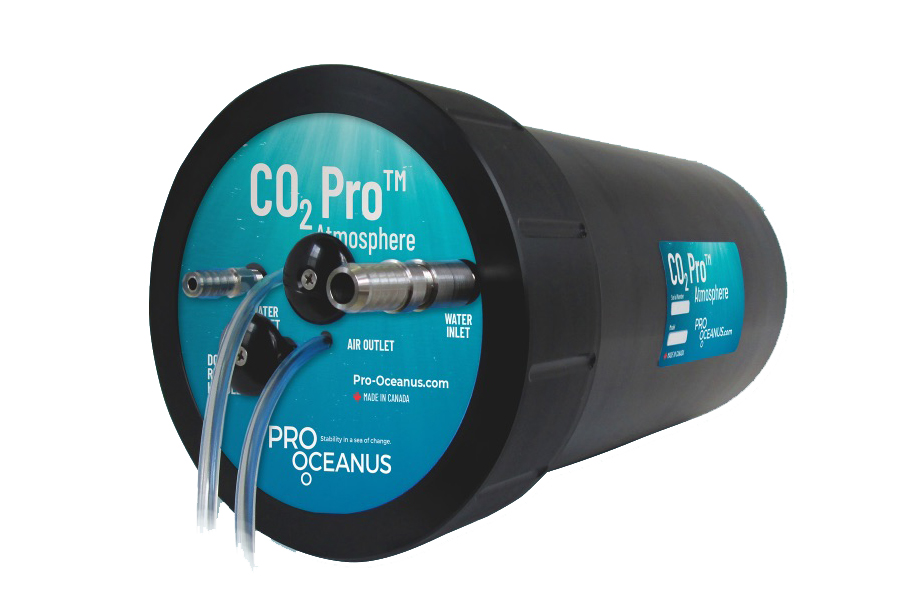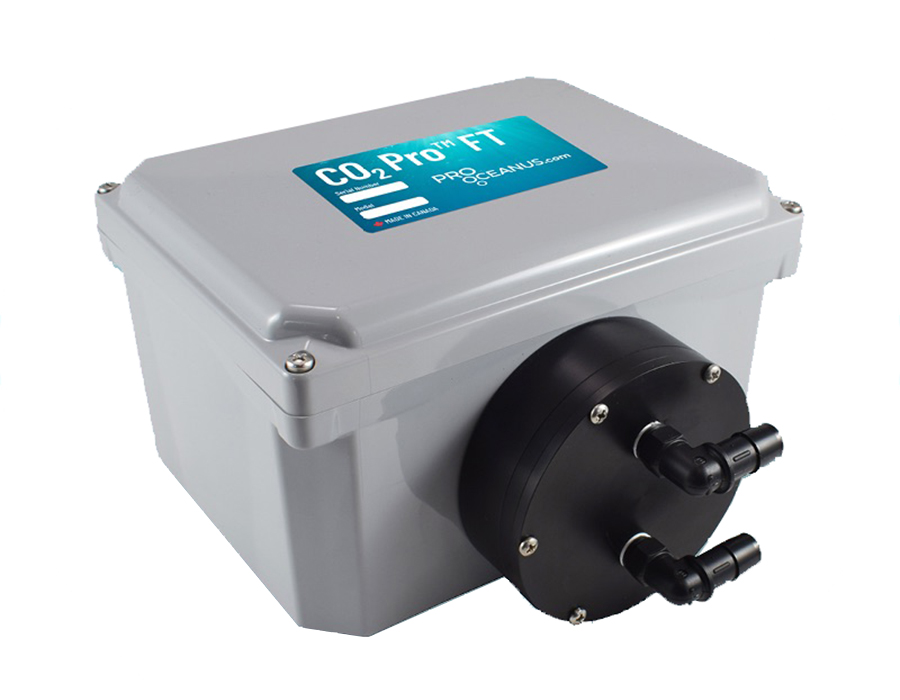



Pro-Oceanus Systems designs and manufactures precision instruments for the measurement of dissolved gases in marine environments, supporting international efforts to sustain long-term ocean observation.
The company’s high-accuracy sensors are deployed across fixed, cabled and buoy-based monitoring networks, providing continuous data on dissolved carbon dioxide and other gases that inform research into ocean acidification, air–sea gas exchange and the global carbon cycle.
Integration with Ocean Networks Canada
Ocean Networks Canada (ONC) operates two large cabled observatory systems, NEPTUNE and VENUS, located off the coast of British Columbia. These platforms provide continuous power and data connectivity to seabed and water-column instruments, enabling uninterrupted monitoring of physical, chemical and biological processes in coastal and deep-water environments.
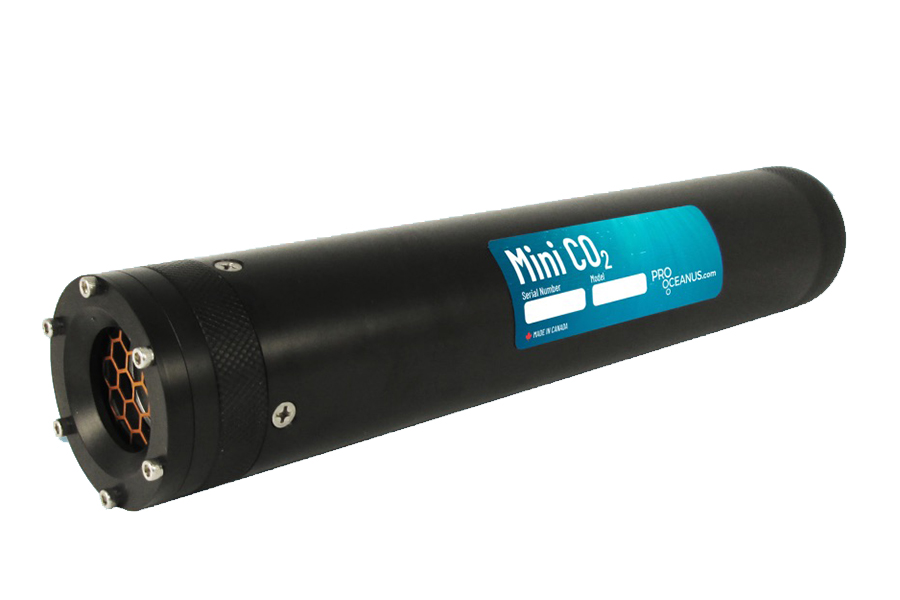
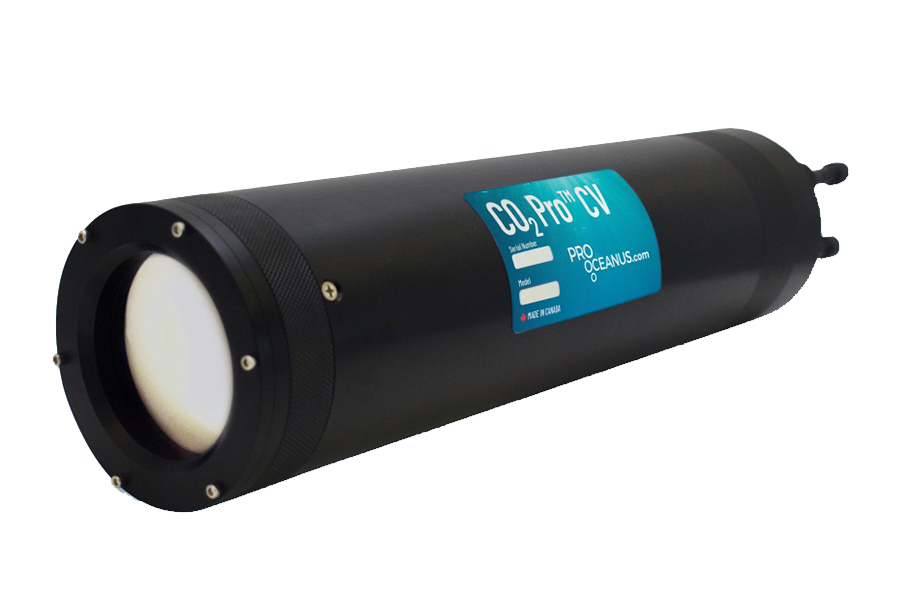
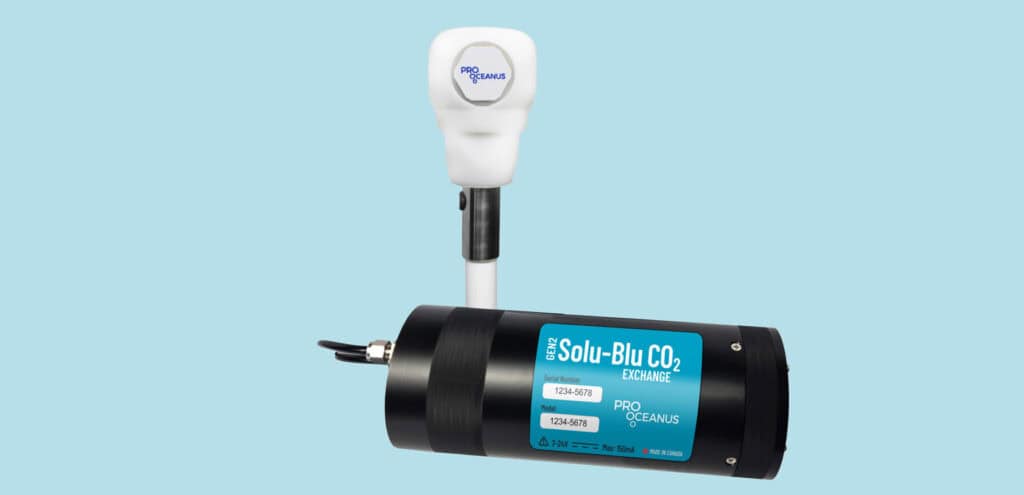
Within this infrastructure, Pro-Oceanus CO₂ sensors deliver sustained, in-situ measurements of dissolved carbon dioxide at fixed sites. The resulting data contribute to long-term studies of ocean acidification, carbon flux and ecosystem variability, with open access provided through ONC’s Oceans 3.0 data portal. These deployments highlight the value of permanently powered observatory systems in supporting high-resolution, long-duration gas monitoring across diverse marine settings.
Supporting the Ocean Observatories Initiative
In the United States, Pro-Oceanus Systems instruments form part of the National Science Foundation’s Ocean Observatories Initiative (OOI), a programme established to deliver continuous, real-time ocean data from the surface to the seafloor. Within OOI’s infrastructure, Pro-Oceanus sensors measure the partial pressure of carbon dioxide at the air–sea interface, supporting long-term observations of carbon exchange that underpin research into climate variability and marine biogeochemical cycles.
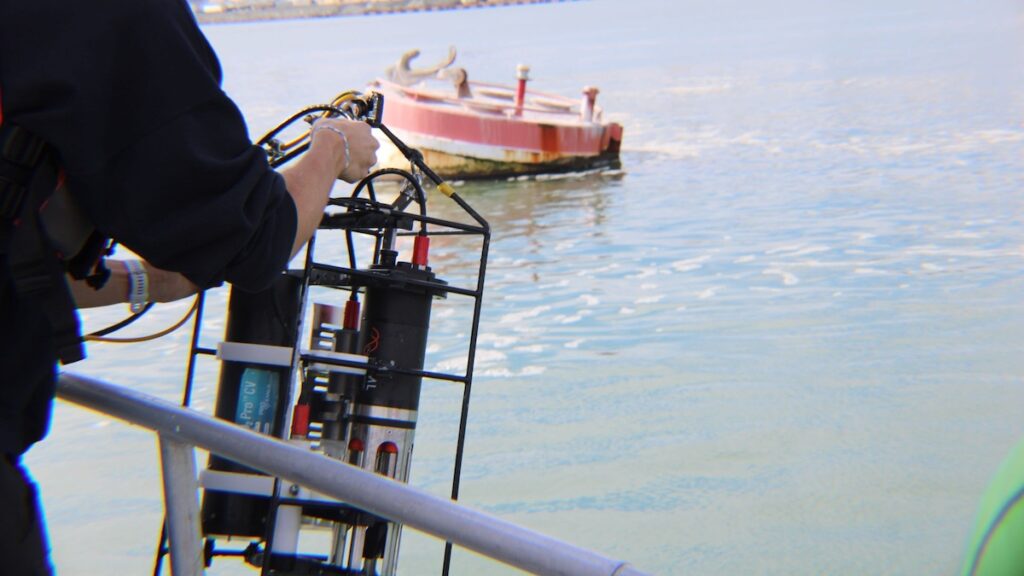
The sensors are installed on surface and moored platforms within OOI’s observing arrays, supplying continuous data to the initiative’s open cyberinfrastructure. This system supports scientific research, education and environmental monitoring across an international user community.
Contributions to European Observing Networks
Pro-Oceanus dissolved gas sensors have also been used within European fixed-point observatory initiatives, including the FixO3 (Fixed-Point Open Ocean Observatories) project. FixO3 focused on establishing consistent technologies, operational approaches and data access across multidisciplinary observing sites. Although the project concluded in 2017, its outcomes continue to inform current European monitoring efforts coordinated through EMSO ERIC. Pro-Oceanus sensors have been deployed at locations such as the Southern Adriatic, supporting long-term measurements of dissolved gases within ongoing observation programmes.
Advancing Sustained Ocean Observation
Across North American and European initiatives, Pro-Oceanus Systems technology enables reliable, continuous dissolved gas measurements that improve understanding of how the ocean absorbs, stores and releases greenhouse gases. These observations provide essential insight into both gradual environmental change and shorter-term variability.
By incorporating precise gas measurement instruments into established observatory infrastructures, long-term ocean monitoring programmes are advancing from intermittent, ship-based sampling toward sustained, high-resolution datasets that strengthen knowledge of climate processes, ecosystem dynamics and ocean–atmosphere interactions.