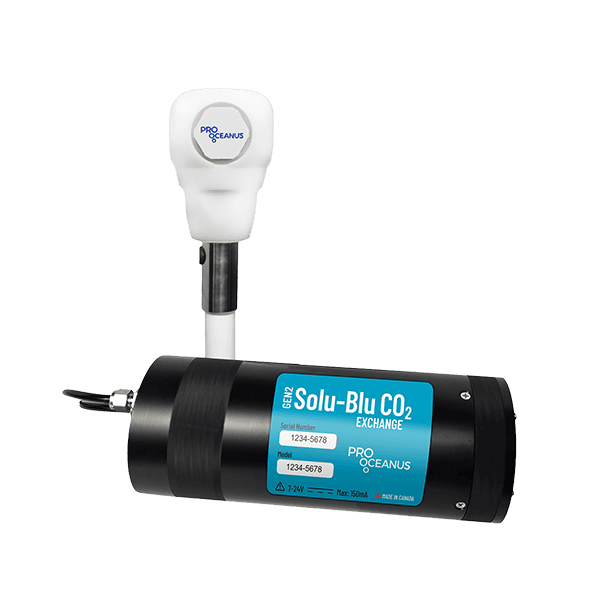


Pro-Oceanus Systems, a developer of high-accuracy dissolved gas sensors, explains variability in dissolved CO₂ across coastal waters and estuaries and the implications for effective measurement. Read more >>
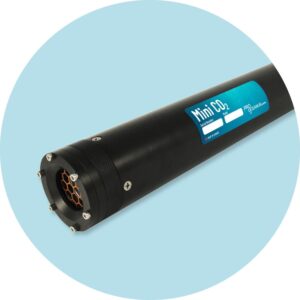
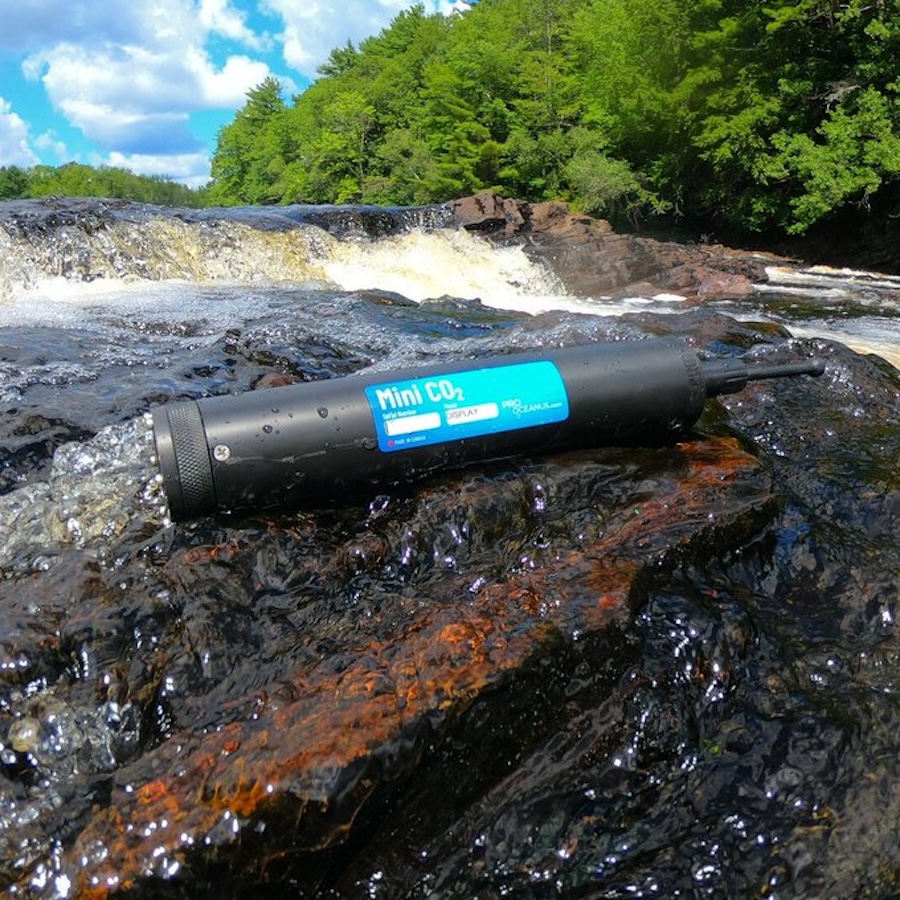
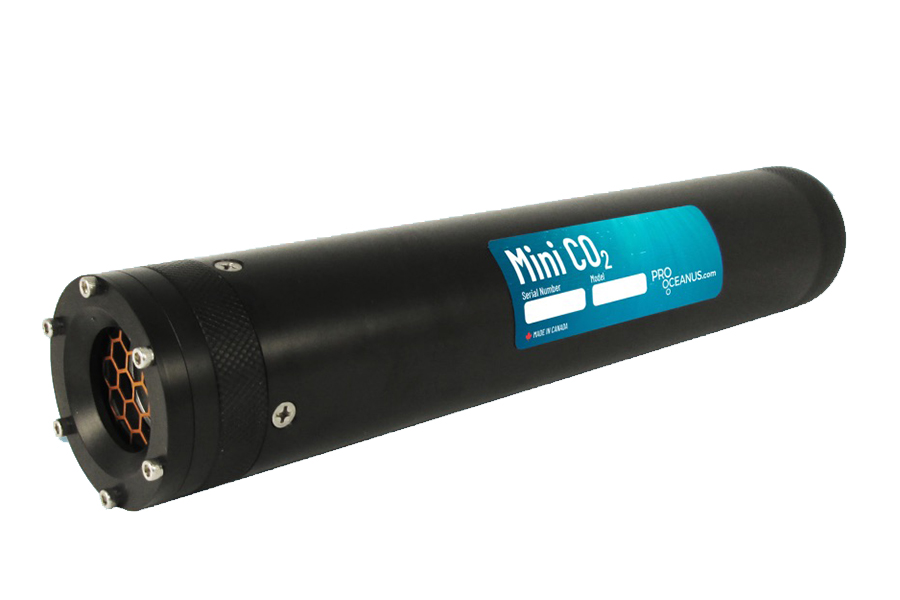
Mini CO₂
Coastal waters and estuaries represent some of the most dynamic marine environments, where concentrations of dissolved gases such as carbon dioxide (CO₂) can vary widely across both time and space. In these regions, partial pressure of CO₂ (pCO₂) can range from levels comparable to the open ocean (~200-600 µatm) to very high values of 5,000-10,000 µatm. This high degree of variability is characteristic of both limnological applications and coastal and estuarine waters.
Short-term variability in dissolved CO₂ concentrations can result from several factors, including changes in water temperature, variations in river discharge following rain events, biological processes and daily (diel) cycles, wastewater discharge, and physical disturbances such as storms and wind events.
Over longer time scales, additional sources of variability include changes in biological activity, such as eutrophication or shifts in dominant species, and seasonal changes in temperature and daylight. Further sources include buildup of ice, industrialization and land use changes, and seabed sediment reactions and organic breakdown, including transitions from aerobic to anaerobic conditions.
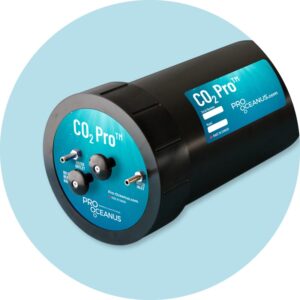
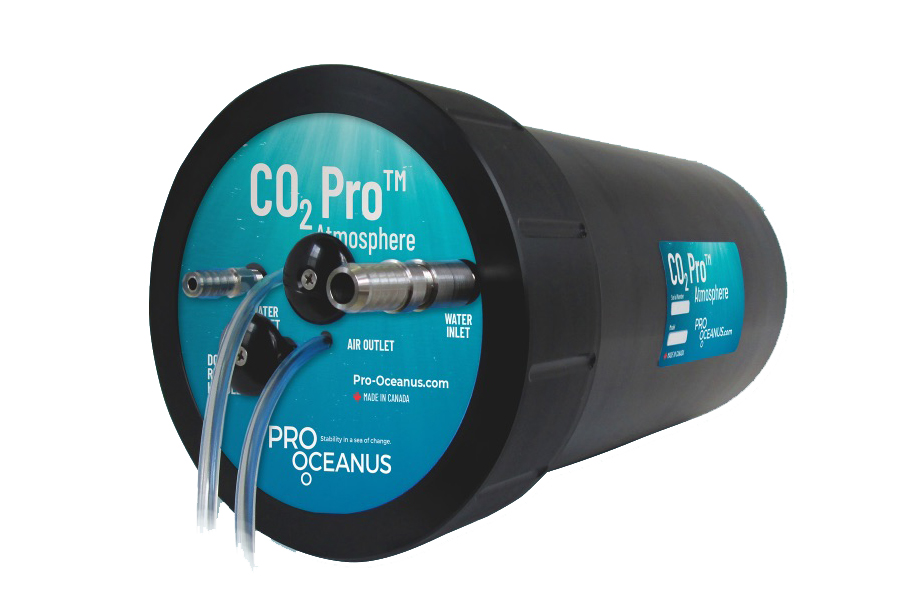
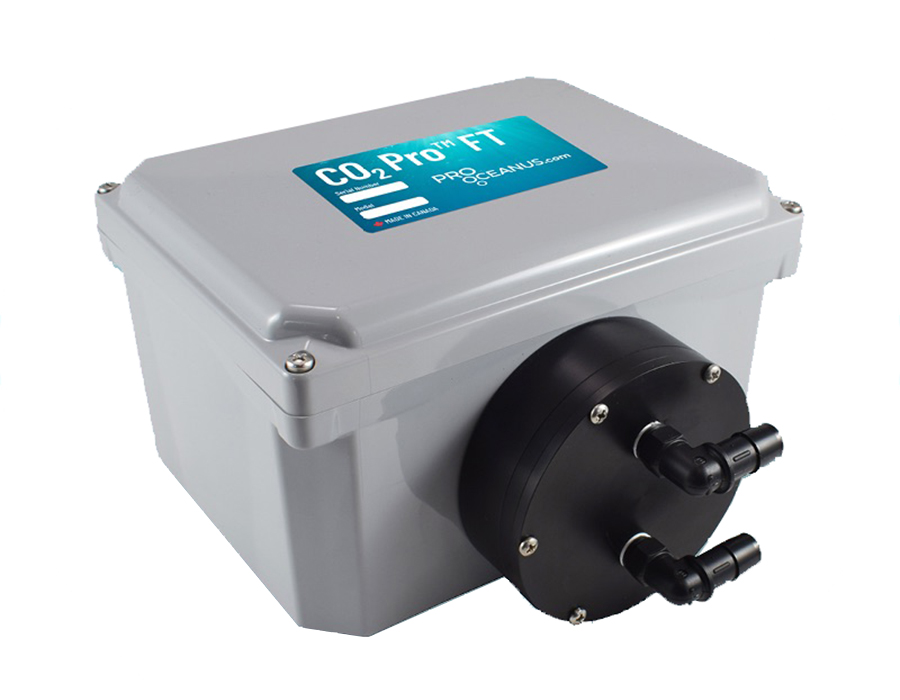
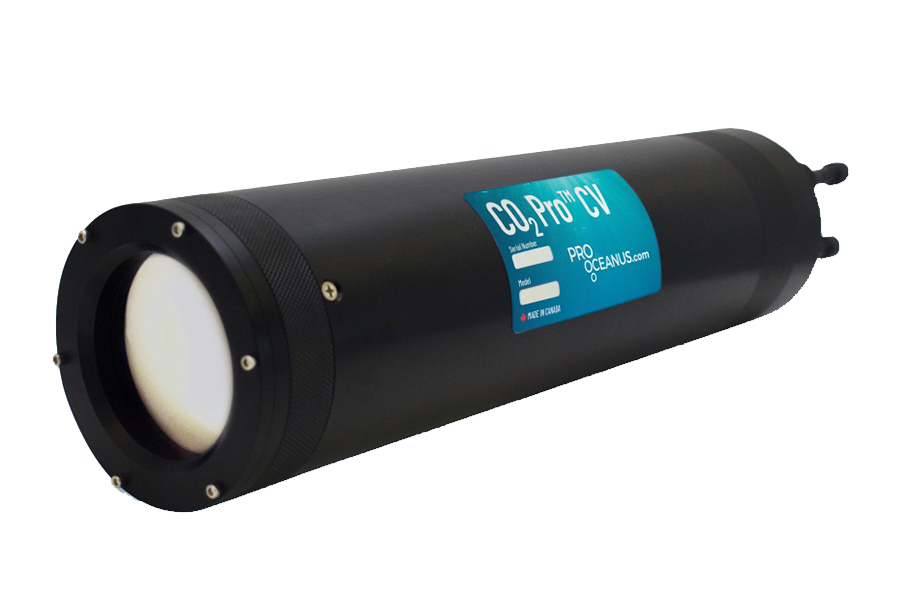
CO₂-Pro™ series
Due to the wide range and high variability of CO₂ concentrations in coastal and estuarine environments, there remains significant uncertainty in estimates of carbon fluxes in these regions. This uncertainty increases the importance of measuring pCO₂ in coastal waters.
Sensor selection therefore depends on monitoring constraints and study objectives. Large-scale, short-term changes in dissolved CO₂ can be readily measured using the Mini CO₂ sensor, supporting coastal monitoring where wide concentration ranges and cost considerations are key.
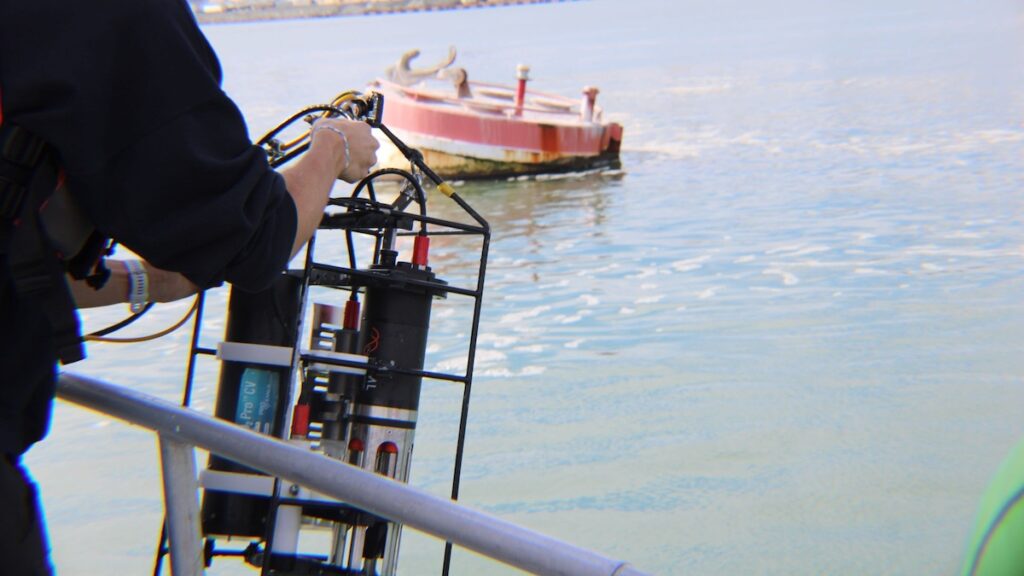
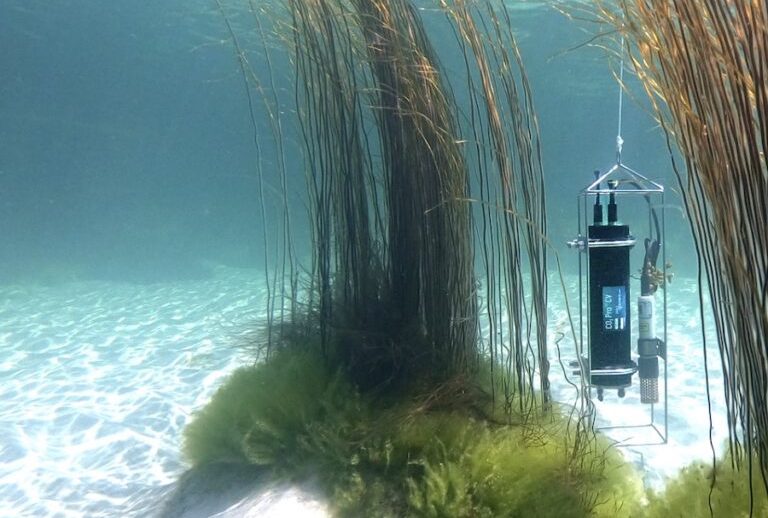
Long-term changes require greater measurement accuracy and stability and are addressed using the CO₂-Pro™ series of instruments, which combines long-term stability with increased anti-fouling protection for precise measurements in nearly all conditions.
To find out more information, read ‘Coastal and Estuary’ here >>