Autonomous Marine Systems
Discover cutting-edge solutions from 7 leading global suppliers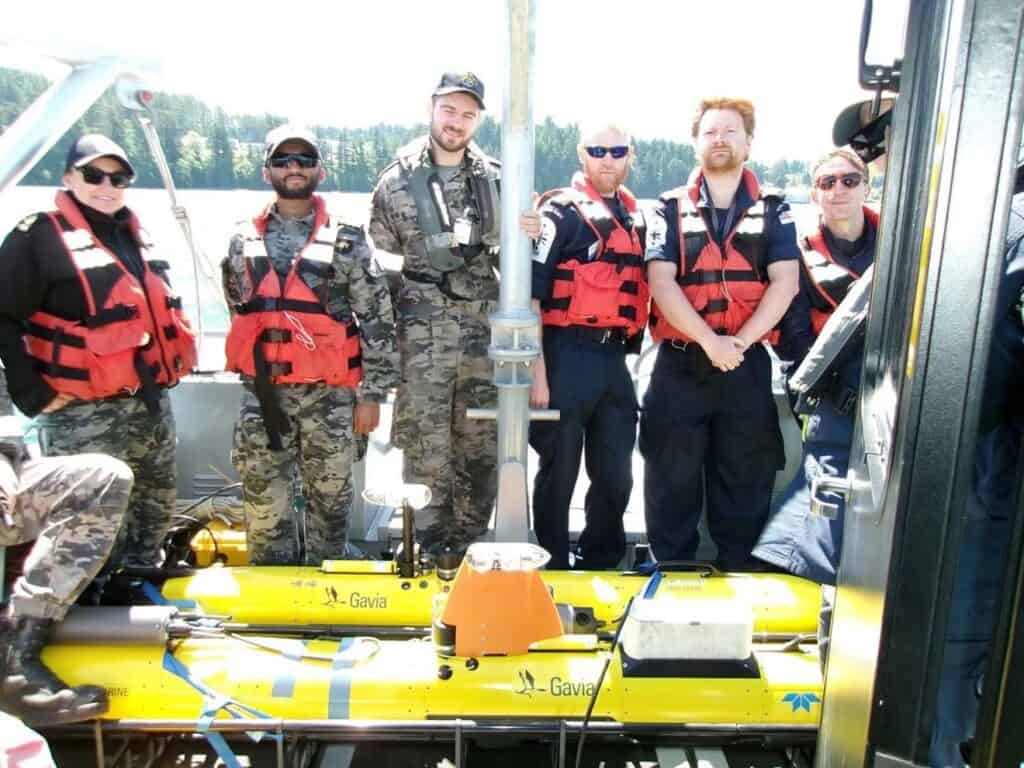
Exercise Lanternfish saw the trilateral partners collaborate across locations in Virginia, Washington, and the southwestern coast of Australia to test crewed and uncrewed capabilities under the AUKUS Pillar 2 defence agreement.
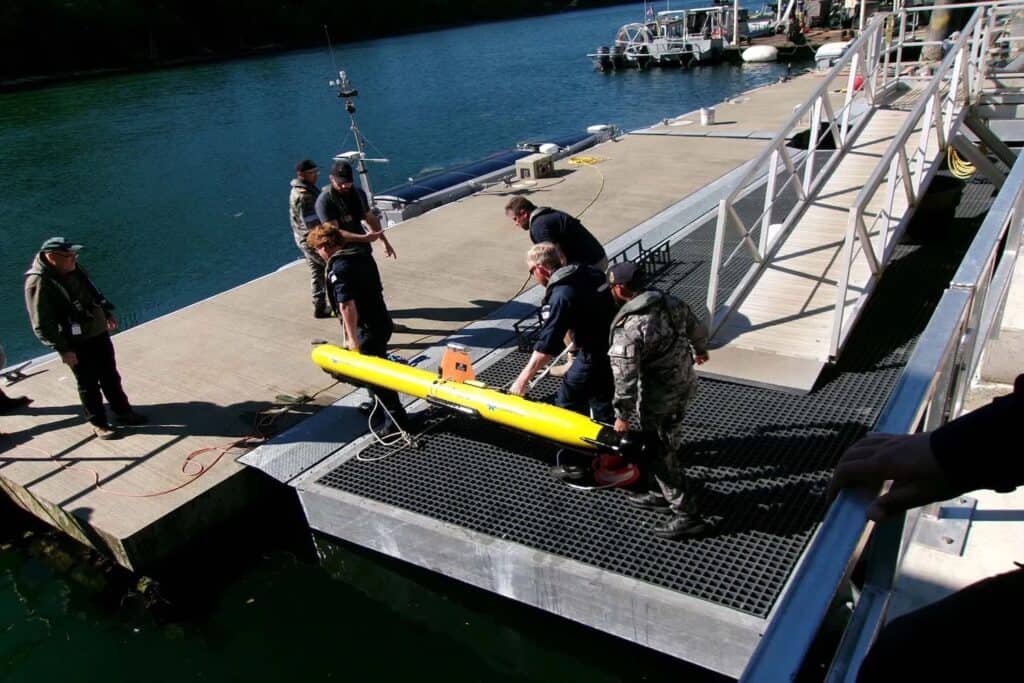
During the six-week operation, Royal Navy divers and hydrographic experts deployed remotely-operated systems alongside their American and Australian counterparts. The team from the Diving and Threat Exploitation Group demonstrated the VideoRay Defender, a small remotely-operated submersible used to locate mines and underwater explosive devices. Concurrently, experts from the Devonport-based Hydrographic eXploitation Group (HXG) launched their Autonomous Underwater System, the Teledyne Gavia, which utilizes a modular design to carry out varied AUKUS missions depending on its specific sensor fit.
These assets operated within a wider ecosystem of sensors and underwater vehicles to conduct surveillance of Critical Undersea Infrastructure (CUI) and rehearse responses to potential hostile activity in a realistic operational setting.
The overarching goal of the live drills was to improve how the partner nations detect, monitor, and respond to potential threats below the surface while developing common operating procedures to ensure seamless integration during peacetime or conflict.
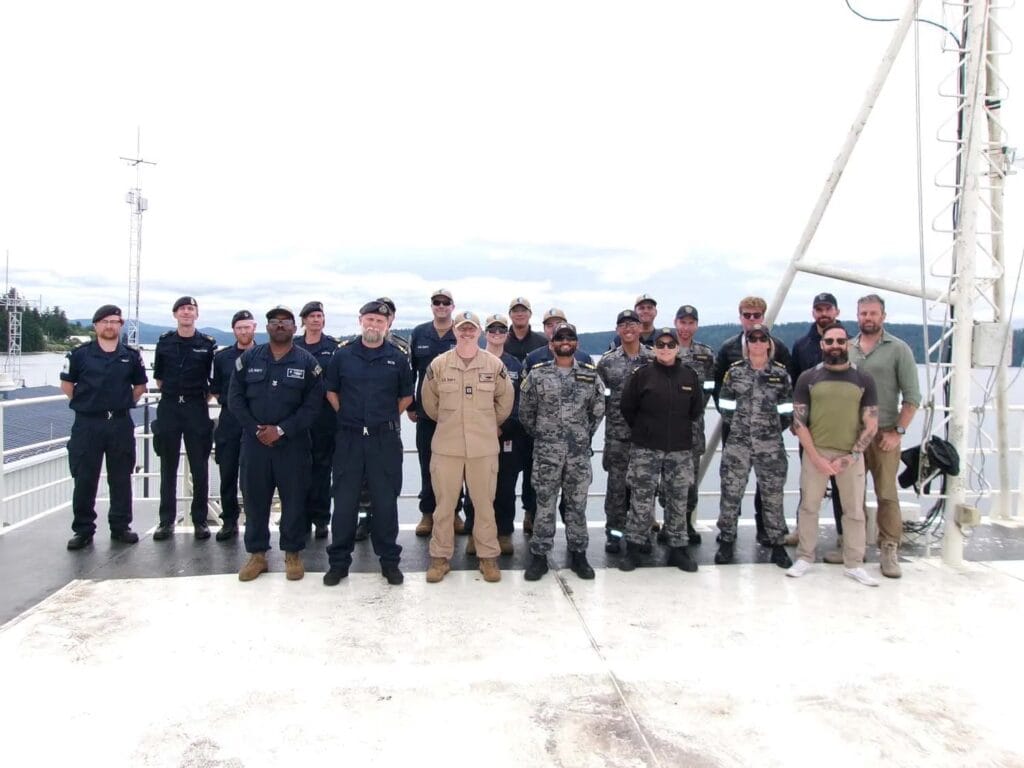
This exercise marks a significant transition from theory and testing into live operational activity, reflecting the Royal Navy’s ongoing transition towards a Hybrid Navy where crewed and uncrewed platforms work alongside each other to enhance operational effectiveness.
The emphasis on safeguarding subsea networks comes amid rising threats from foreign state actors to critical undersea infrastructure, highlighted by the covert operations of a Russian submarine in and around the UK earlier this year.
“Our Seabed Warfare team worked extremely closely with our AUKUS partners, demonstrating true integration through the seamless use of Royal Australian Navy equipment when required,” said Lt Cdr Mark Wilton, from HXG. “We completed a number of Gavia missions on the exercise – acoustic calibration, night-time and independent, unaided. The team really delivered and their qualified and experienced personnel have grown exponentially”.
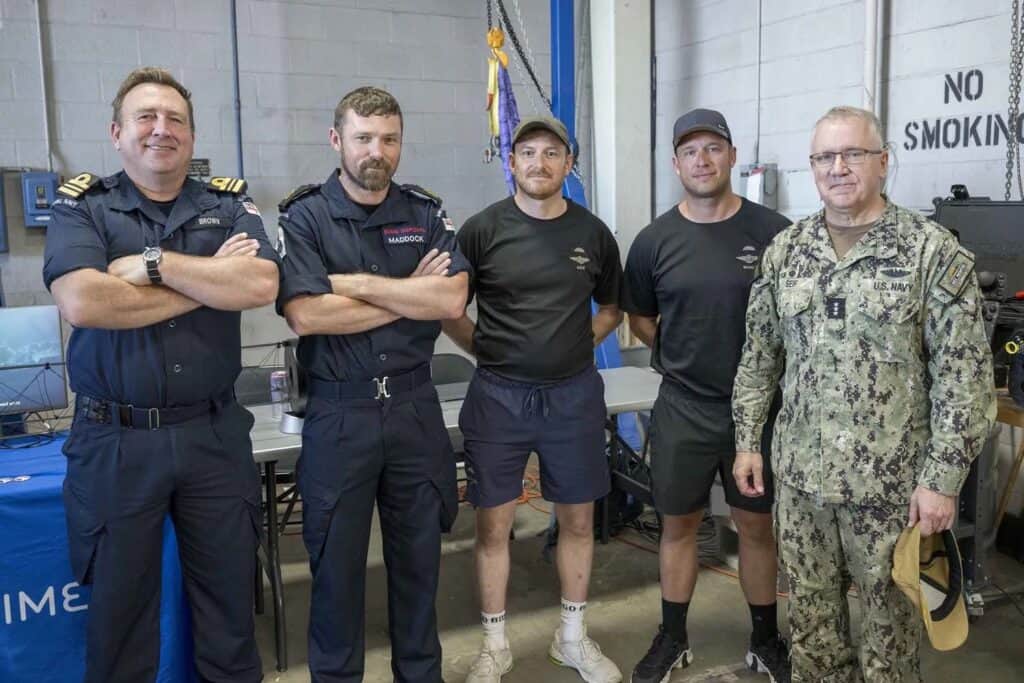
“These events provide a fantastic opportunity to test our interoperability in a real world setting and allow us to iterate our capabilities at pace,” said Commodore Marcus Rose, Deputy Director Defence Underwater.
With the conclusion of Exercise Lanternfish, planning is already underway for the next AUKUS Pillar 2 operational exercise, which aims to demonstrate allied and partner integration across maritime, air, cyber, and space domains.