
Showcase your capabilities
If you design, build or supply Remotely Operated USV, create a profile to showcase your capabilities and connect with visitors who have an active requirement for your solutions.



Source remotely operated USVs from experienced manufacturers and specialized suppliers supporting ocean science, hydrographic survey, and marine research operations. These unmanned surface vessels provide controlled, surface-based platforms for hydrographic survey, seabed mapping, environmental monitoring, and sensor deployment where crewed vessels increase operational risk, cost, or complexity.
Read the Technology Overview
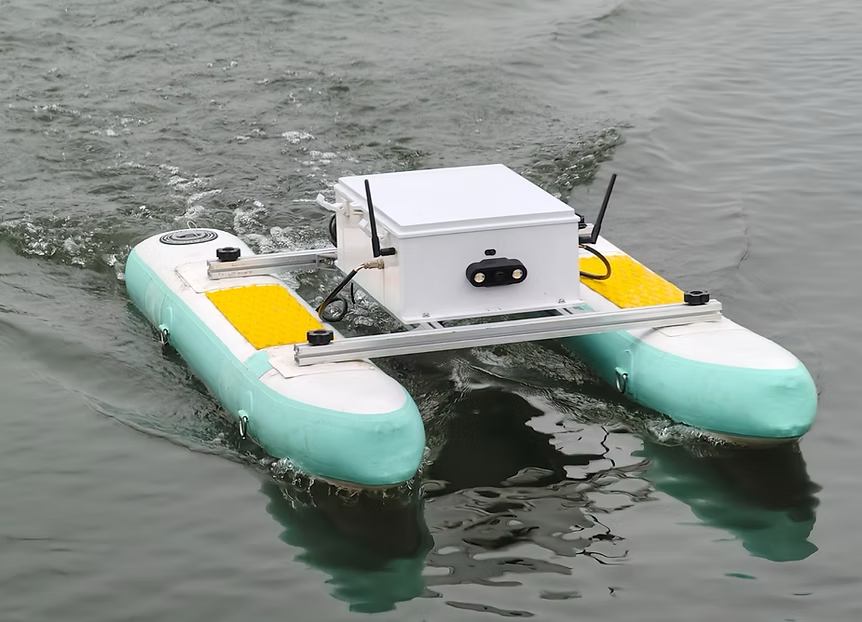
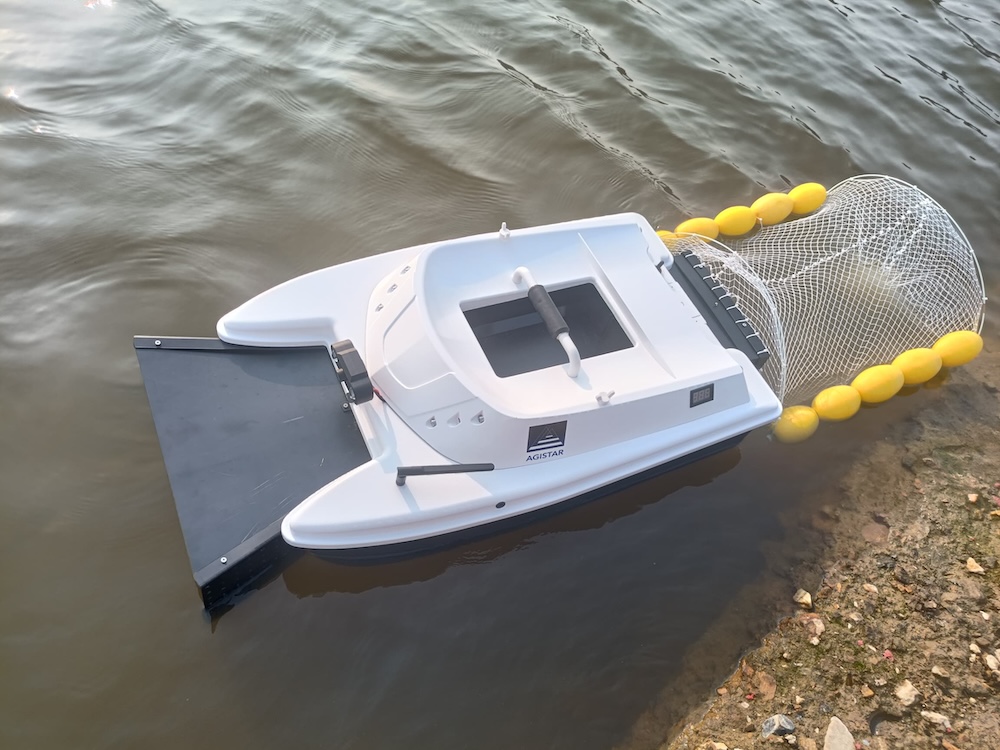
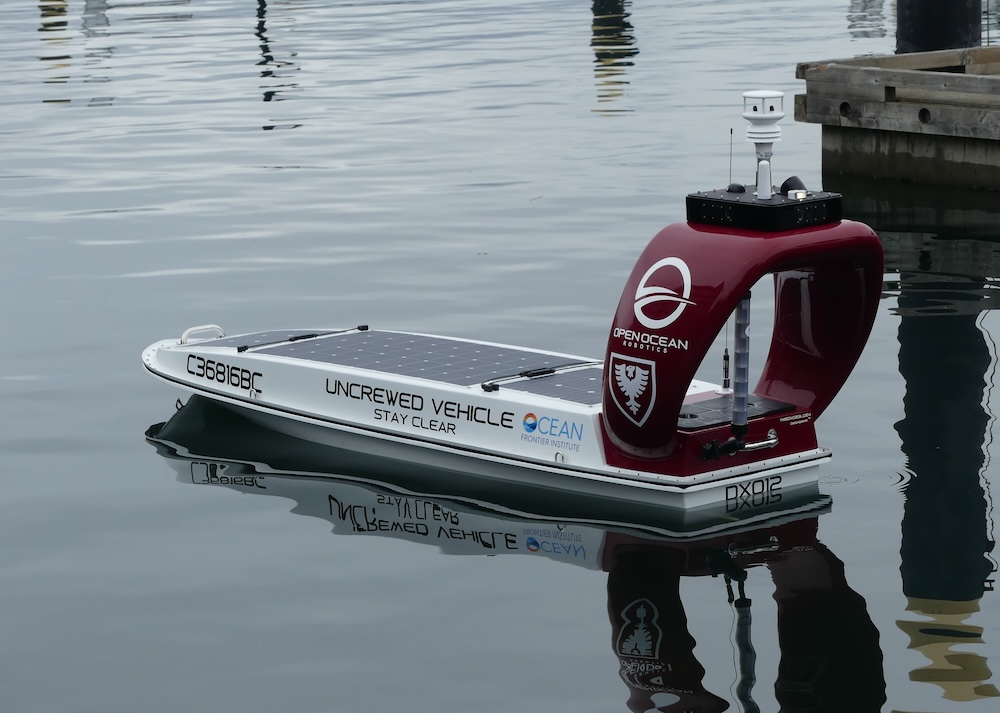
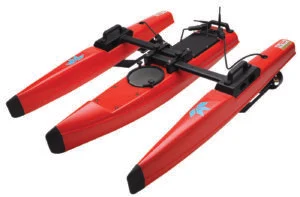
High-Performance Instruments, Sensors & Technologies for Exploring & Monitoring Subsea Environments


Innovative Uncrewed & Autonomous Surface Vessel Technologies for Maritime Operations

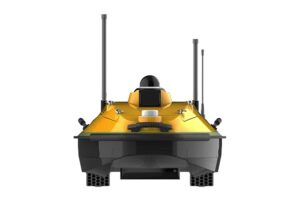
Cutting-Edge Surveying, Positioning & Sensing Solutions for Hydrographic & Oceanographic Applications

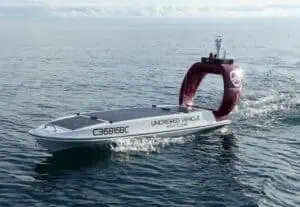
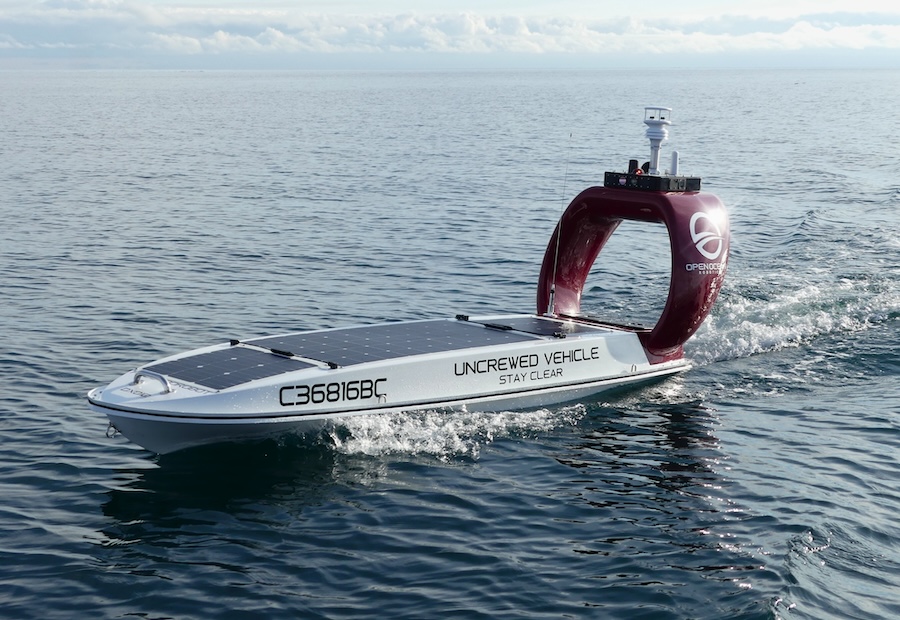
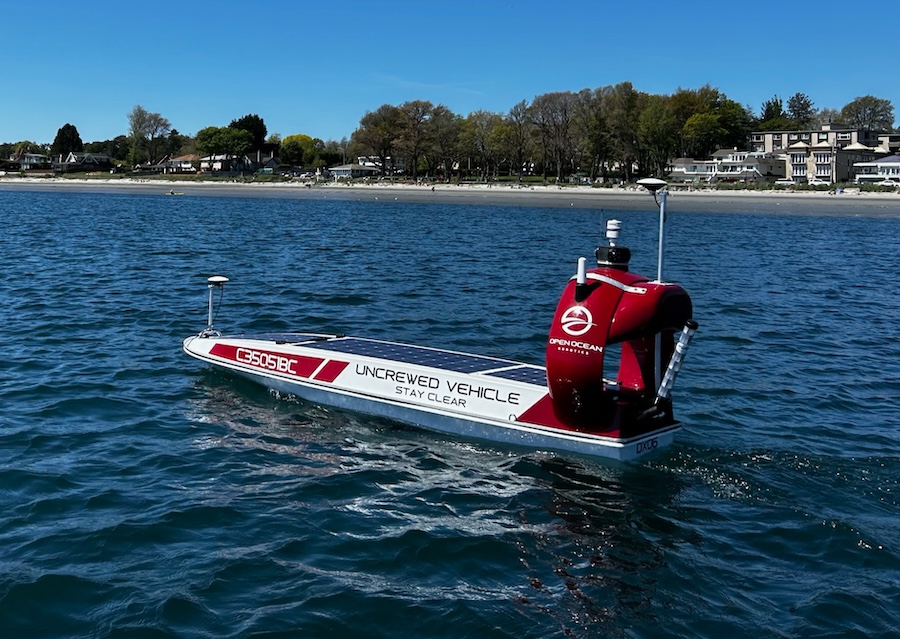
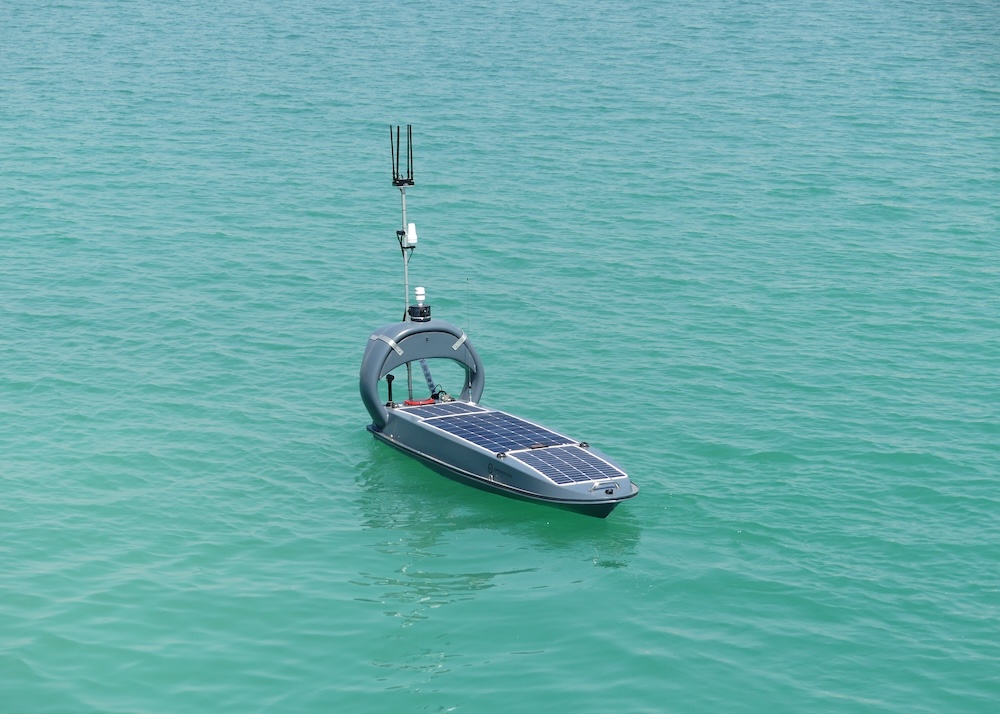
Reliable Solar-Powered USVs for Real-Time Oceanographic & Maritime Data Acquisition

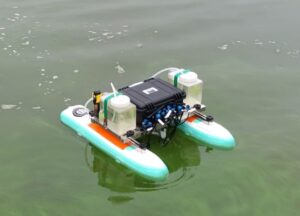
Robotic & Remote-Controlled Solutions for Waste Collection, Rescue Operations, & Aquatic Data Collection

If you design, build or supply Remotely Operated USV, create a profile to showcase your capabilities and connect with visitors who have an active requirement for your solutions.

Remotely operated USVs are uncrewed surface vessels controlled directly by human operators via shore-based or vessel-based control stations. Unlike fully autonomous platforms, these systems maintain continuous or near-continuous operator involvement, allowing real-time control of navigation, propulsion, and payloads. This approach is well-suited to scientific and survey missions that require adaptive decision-making and precise maneuvering.
Also known as remote-controlled USVs or remotely piloted surface vehicles, these platforms combine remote operation with advanced navigation, communication, and payload integration.
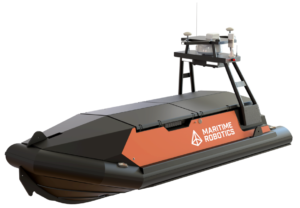
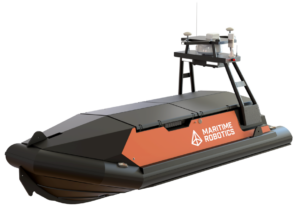
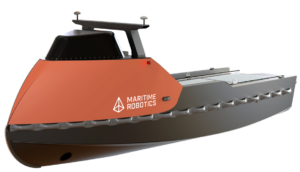
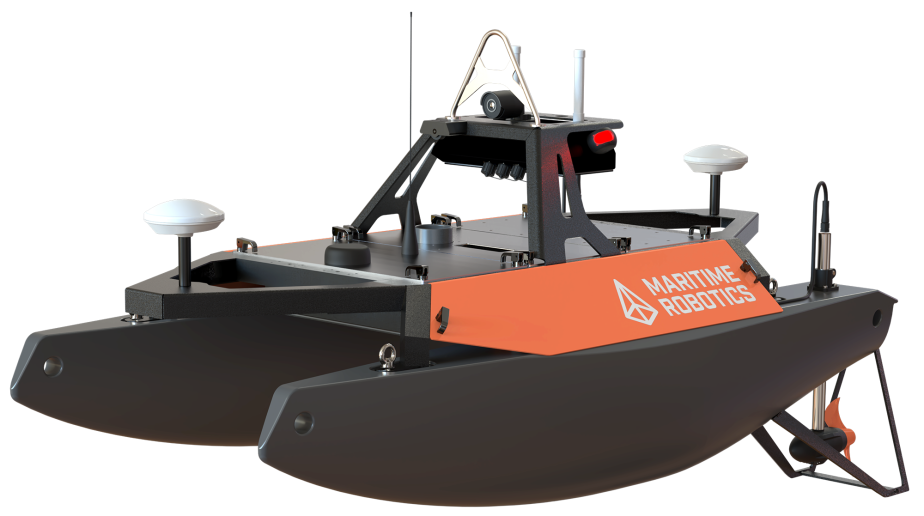
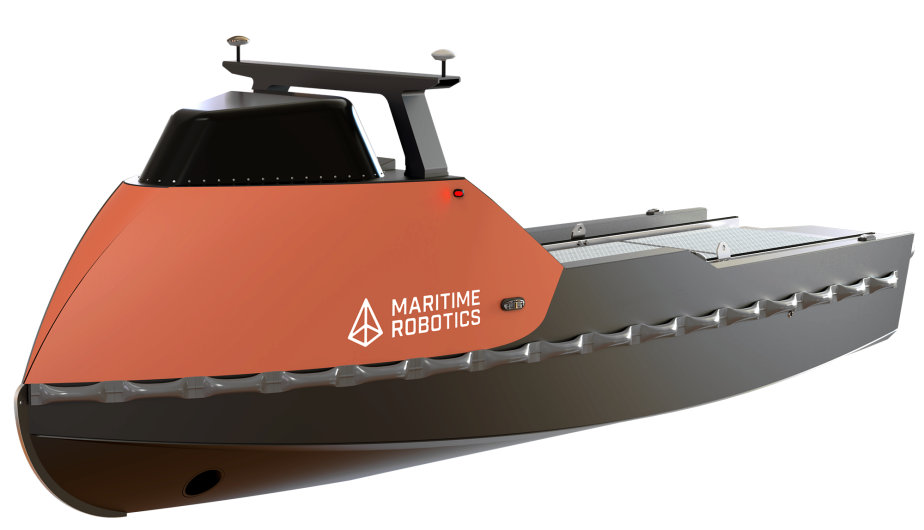
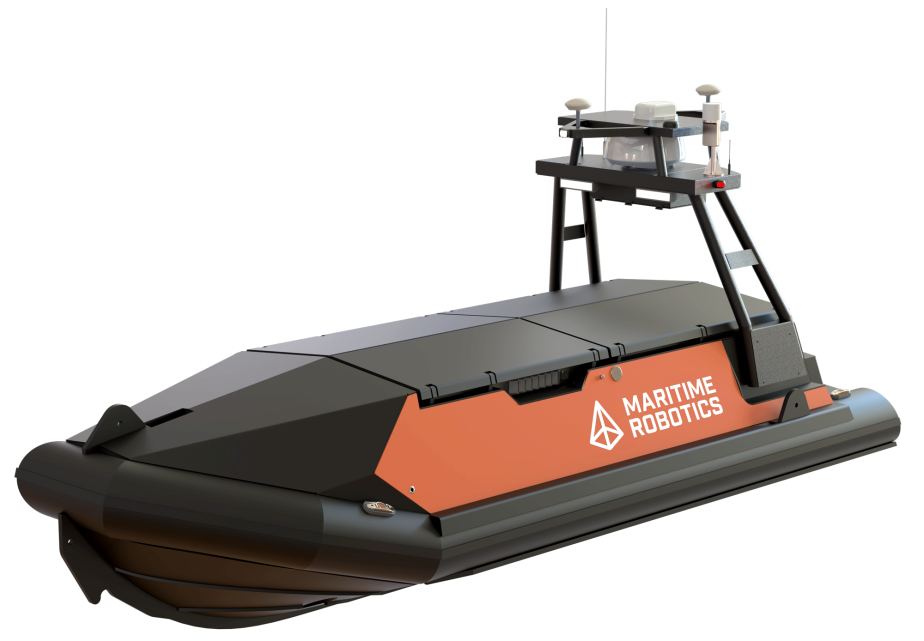
Mariner remotely controlled USV by Maritime Robotics.
Remotely operated USVs are deployed across coastal, nearshore, and offshore environments. Common missions include:
Remotely operated USVs are widely used for hydrographic and bathymetric surveys with single-beam and multibeam sonar systems, particularly in shallow, confined waters.
USVs support environmental monitoring systems for water quality surveys, enabling persistent sampling without the need for crewed vessels.
Marine research organizations use remotely operated USVs for scientific data collection, sensor deployment, and oceanographic surveys in coastal and offshore regions.
USVs are effective platforms for coastal monitoring, seabed mapping, and habitat surveys in areas with limited vessel access.
Remotely operated offshore inspection USVs are deployed for offshore wind farm surveys, cable route surveys, and pipeline inspection, supporting offshore wind farm surveys, cable route survey operations, and oil and gas inspection missions.
Maritime security USVs support maritime surveillance, port monitoring, and harbor security operations requiring persistent surface presence.
Remotely operated military USVs are configured for defense and security missions that require direct human control, secure communications, and real-time oversight. They support naval operations, maritime surveillance, and mine countermeasure support in environments where operational control and compliance are critical.
Small USV platforms are optimized for shallow-water and nearshore operations, where portability and rapid deployment are critical.
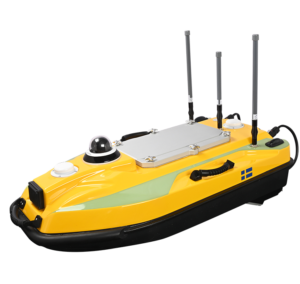
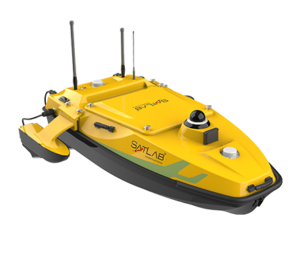
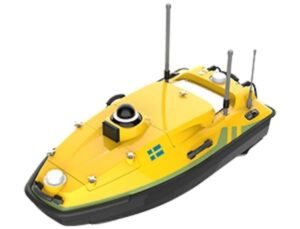
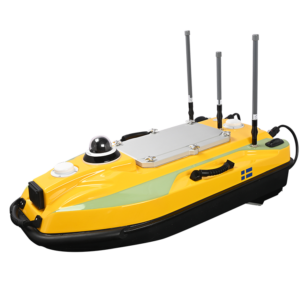
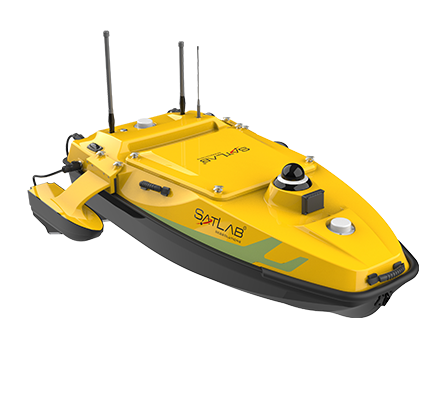
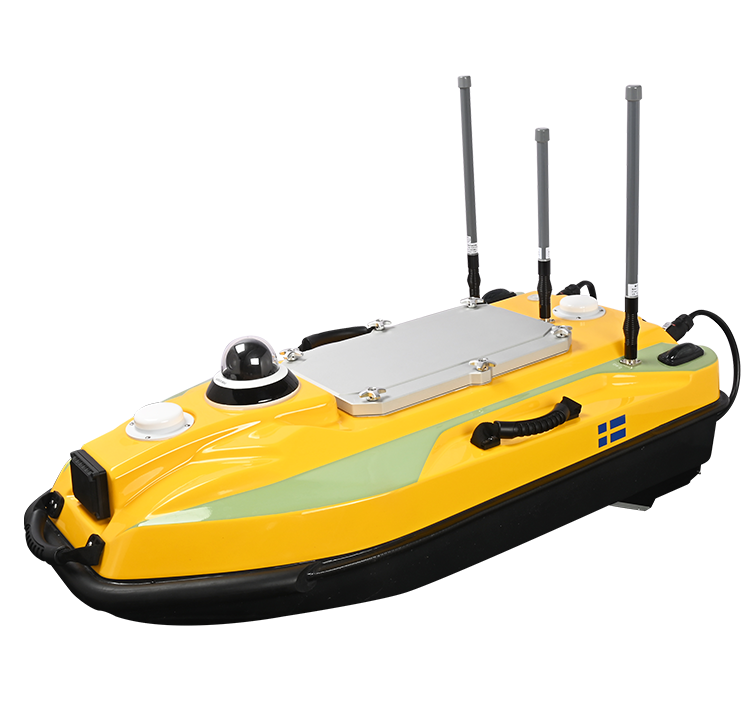
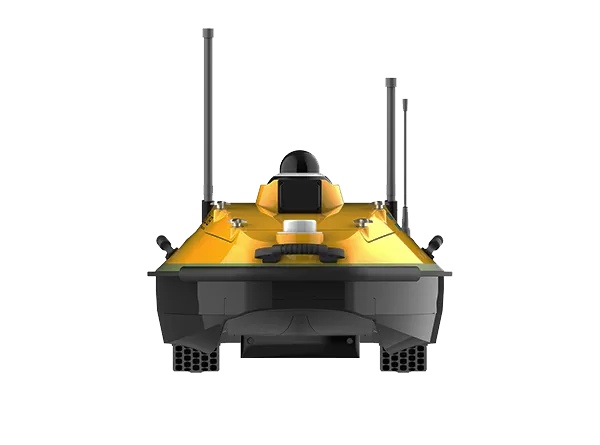
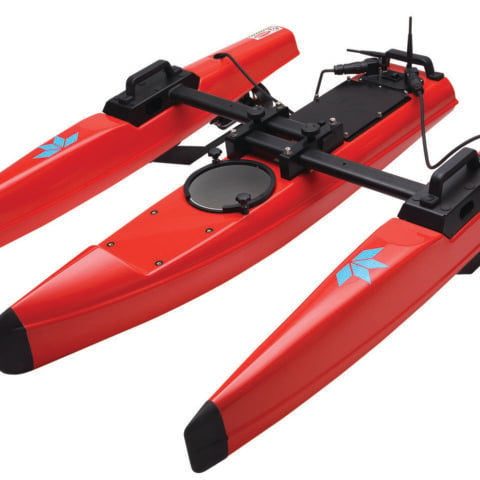
HydroBoat 990 remotely operated USV by SatLab Geosolutions
Medium USVs balance payload capacity and endurance, supporting hydrographic surveys and environmental monitoring missions.
Large USVs provide extended endurance and higher payload capacity for offshore surveys and long-duration monitoring.
Hybrid control USVs combine remote operation with semi-autonomous navigation systems, including waypoint navigation, GNSS positioning, autopilot control, and collision avoidance.
Survey USVs are purpose-built for hydrographic and bathymetric missions with integrated sonar and navigation systems.
A remotely operated USV integrates propulsion, power, navigation, communications, and payload systems into a compact surface platform. Electric motor propulsion is commonly used for low-acoustic-signature operations, while hybrid propulsion configurations support extended endurance for offshore surveys. Power systems are typically marine battery-based, with hybrid architectures enabling longer mission durations.
Navigation systems combine GNSS with inertial navigation systems to maintain accurate positioning and heading. Communication systems may include radio links, satellite communications, and telemetry systems, supporting beyond-visual-line-of-sight operations. Modular payload bays enable rapid integration of sonar, lidar, radar, camera systems, and environmental monitoring sensors.
Remotely operated USVs used in ocean science commonly align with maritime navigation, safety, and survey standards applicable to uncrewed surface vessels. Hydrographic and oceanographic missions often follow established best practices for positioning accuracy, data quality, and operational safety in coastal and offshore environments.
 Searching Companies & Products