Marine satellite communication (SATCOM) enables ocean-going vessels and remote monitoring equipment to maintain seamless connectivity worldwide. Whether ensuring the safety of offshore crews, enabling ship-to-shore communications, or supporting broadband internet at sea, SATCOM systems are vital to maritime logistics, commercial shipping, and scientific exploration. This category covers advanced satellite communication solutions, from VSAT systems and SATCOM terminals to mobile satellite services (MSS) and global coverage providers.
If you design, build or supply Satellite Communication (SATCOM), create a profile to showcase your capabilities and connect with visitors who have an active requirement for your solutions.
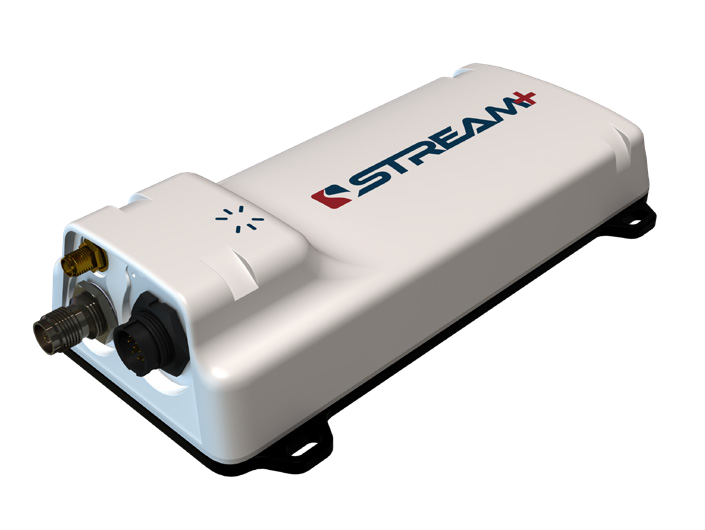
...a cutting-edge satellitecommunication device designed to deliver seamless global connectivity,... ...mbining robust satellitecommunication, intelligent power management, and seamless cloud...
This table compares selected marine SATCOM companies by location, supplier role, equipment provided, supported networks, and coverage. It includes satellite network operators, equipment manufacturers, and managed connectivity providers.
Capabilities are supplier-reported and may vary by location or project requirements.
Company
Primary Location
Supplier Role
SATCOM Equipment Provided
Satellite Networks / Connectivity
Coverage
Iridium Communications
McLean, Virginia, USA
Satellite network operator and communications technology provider
Satellite messaging modules
Maritime terminals through manufacturing partners
Satellite antennas through manufacturing partners
Iridium low Earth orbit network; L-band
Global, including Arctic and Antarctic waters
MetOcean Telematics
Dartmouth, Nova Scotia, Canada
Telemetry equipment manufacturer and Iridium value-added reseller
KVH ONE satellite connectivity; Starlink and Eutelsat OneWeb services; cellular and Wi-Fi integration
Worldwide maritime connectivity; availability depends on selected satellite service and plan
Inmarsat Maritime, a Viasat company
London, UK
Satellite network operator and managed connectivity provider
Compatible maritime satellite terminals through equipment partners
Global Xpress Ka-band and FleetBroadband L-band; NexusWave integrates low Earth orbit services and coastal LTE where included
Global maritime services; availability depends on the selected service and underlying network footprints
Marlink
Lysaker, Norway
Managed connectivity provider and network integrator
SATCOM equipment supplied within integrated connectivity solutions
Geostationary, medium Earth orbit, and low Earth orbit networks, including Starlink and OneWeb; L-band and coastal 4G/5G integration
Global maritime connectivity across combined networks; availability depends on the contracted network mix
Marine Satellite Communication (SATCOM)
Overview by
Sarah Simpson
Updated:
Reliable, high-speed marine satellite communication is essential for today’s ocean-going vessels, offshore rigs, and research expeditions. As ships venture farther into remote waters, dependable satellite connectivity ensures safety, supports real-time decision-making, and enables modern digital workflows. From routine operational data transfer to crew welfare and emergency response, SATCOM systems have evolved into critical infrastructure in the maritime sector.
What is Marine Satellite Communication?
Marine satellite communication, commonly referred to as SATCOM, is a telecommunications system that uses orbiting satellites to transmit voice, data, and video signals between sea-based platforms and terrestrial stations. Unlike terrestrial networks, SATCOM provides uninterrupted service across oceans, remote maritime regions, and polar routes, ensuring that vessels can maintain contact wherever they sail.
There are two primary types of marine satellite communication systems: geostationary satellite systems, which provide broad coverage and high data throughput, and low Earth orbit (LEO) satellite networks, which offer lower latency and dynamic bandwidth distribution. Both are used in various maritime applications, depending on mission requirements and vessel type.
Applications of Marine SATCOM Systems
SATCOM is used extensively across both commercial and scientific maritime sectors. Key applications include:
Ship-to-shore communication: SATCOM allows vessels to maintain constant communication with shore-based operations, enabling real-time logistics coordination and emergency alerts.
Broadband at sea: High-throughput VSAT systems provide broadband internet access, essential for remote operations, crew welfare, and business continuity.
Offshore communication systems: Oil rigs, scientific research platforms, ocean monitoring systems, and remote maritime stations depend on SATCOM for data exchange, telemetry, and remote monitoring.
Satellite tracking systems: These enable precise vessel tracking and automated position reporting, supporting maritime safety and compliance with global navigation standards.
Marine fleet management: SATCOM enables real-time tracking, diagnostics, and coordination of multiple vessels, improving operational efficiency, safety, and compliance for commercial and research fleets.
Types of SATCOM Equipment and Systems
Modern marine satellite communication systems include a range of hardware and software components tailored to vessel size, coverage area, and data requirements:
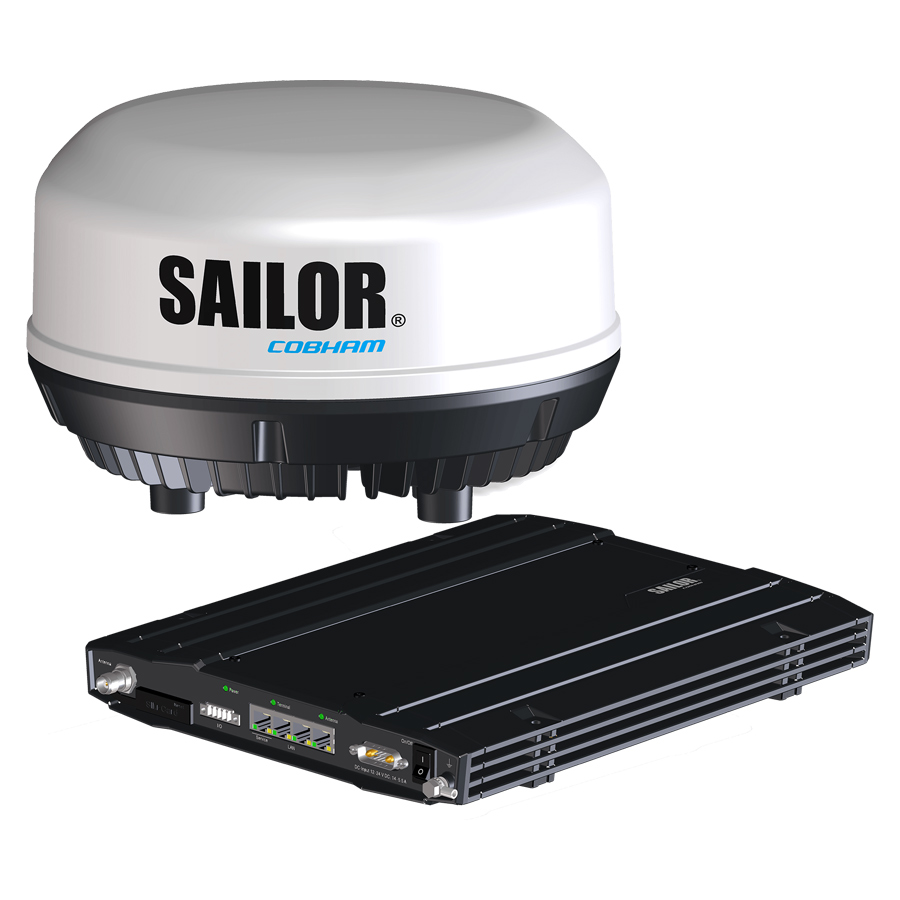
Marine satellite communication (satcom) terminal by Cobham using the Iridium Certus 700 broadband service
VSAT systems: Very Small Aperture Terminal systems are widely used on commercial ships for high-bandwidth, persistent connections. They typically use Ku-band or Ka-band frequencies.
Satcom terminals: These integrated units include antennas, modems, and controllers to manage connectivity and signal quality.
Satellite modems and antennas: Core components that enable data transmission over satellite networks. These vary in design from stabilized marine satellite dishes to compact L-band terminals for smaller vessels.
Mobile satellite services (MSS): These include L-band solutions such as Inmarsat and Iridium, which offer global coverage with lower bandwidth, ideal for voice and low-data applications.
Marine Satellite Communication Providers and Networks
Numerous SATCOM providers specialize in maritime connectivity, offering global or region-specific coverage through proprietary satellite constellations. Services differ based on bandwidth, latency, frequency band, and customer support. Some leading satellite communication providers support multi-band solutions, allowing vessels to switch between Ka-band, Ku-band, and L-band based on location and demand.
Maritime satellite communications providers typically offer managed services, including hardware installation, network monitoring, and cybersecurity tools, to protect vessel communications from cyber threats.
SATCOM Frequency Bands and Their Impact
Marine satellite communication systems operate across various frequency bands, each suited to specific use cases:
L-band: Offers consistent performance in all weather conditions and is often used for safety services and smaller vessels.
Ku-band: Delivers higher bandwidth for data-heavy applications and is commonly used in commercial shipping.
Ka-band: This band provides even greater data throughput but can be more sensitive to rain fade. It is often used for high-performance VSAT applications.
C-band: Less common in maritime due to antenna size but useful in tropical regions with high rainfall.
The choice of satcom band significantly affects the performance and reliability of marine communication systems.
Advancements in Maritime Satellite Technology
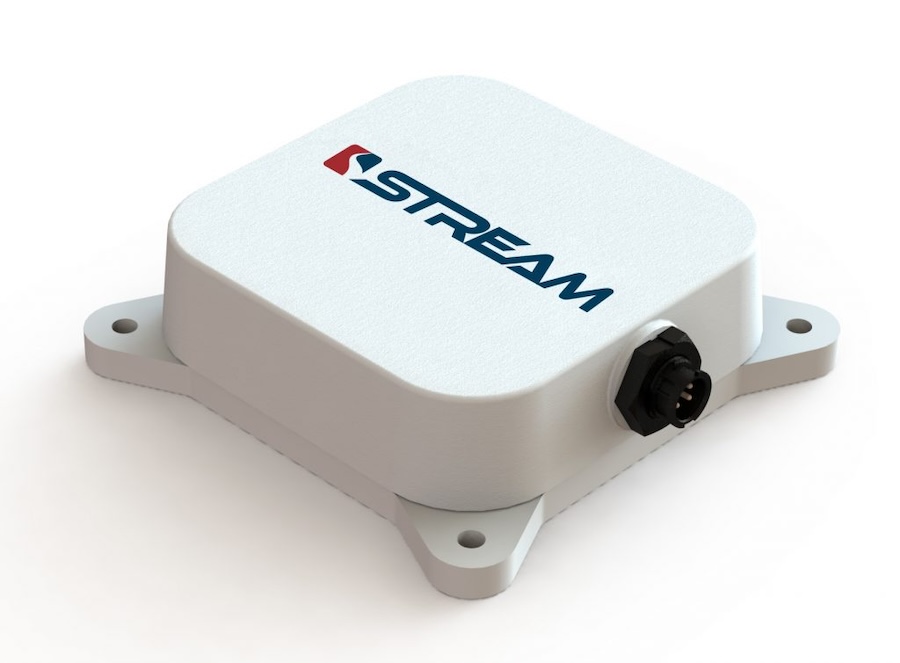
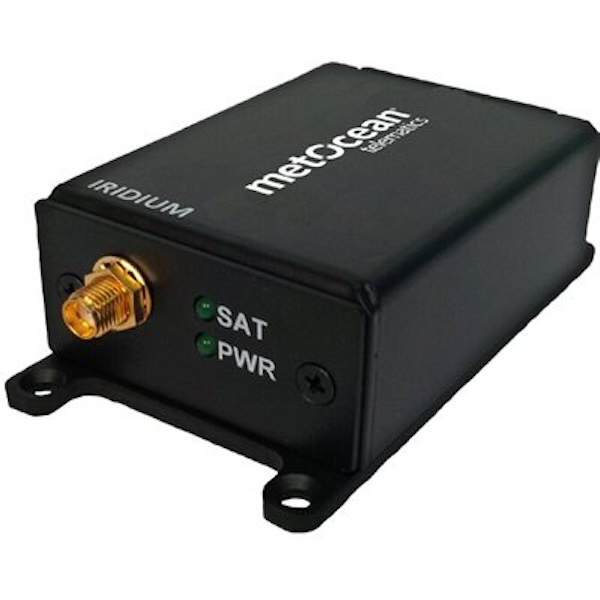
Satellite communications terminal by MetOcean Telematics utilizing Iridium Certus
Innovation in satellite technology continues to expand the capabilities of marine satellite communication systems. The rise of LEO satellite constellations offers reduced latency and greater capacity, making real-time applications like video conferencing and live remote support more feasible at sea. Integration with digital shipboard systems also enables automation, predictive maintenance, and smart navigation.
Additionally, marine satellite systems are increasingly optimized for interoperability, allowing for hybrid networks that combine SATCOM, 4G/5G, and Wi-Fi to ensure continuous service even when nearshore.
Selecting a Marine SATCOM Solution
Choosing the right SATCOM system depends on a vessel’s mission profile, geographic operating area, and communication needs. Key considerations include:
Coverage area: Whether operating in polar regions, along coastal routes, or on global transits, coverage must align with navigation patterns.
Bandwidth needs: Different operations demand varying levels of data throughput. Research vessels and passenger ships may require high-speed internet, while cargo ships may only need routine data exchange.
Hardware footprint: The size and configuration of antennas and terminals must be suitable for the vessel’s structure and available space.
Budget and service model: Providers offer a range of pricing structures, from pay-as-you-go to fully managed services with fixed monthly fees.
Marine Satellite Communication in Offshore Science and Research
Satellite communication systems are indispensable in ocean science. Research vessels rely on SATCOM to transmit high-resolution imagery, sensor data, and telemetry from autonomous underwater vehicles (AUVs) and remote sensing devices. Marine satellite internet enables real-time collaboration between onboard scientists and shore-based institutions, supporting time-sensitive data analysis and mission adjustments.
Marine satellite compass integration and satellite data transfer tools also allow for precision navigation and remote equipment control, key for deep-sea exploration and environmental monitoring.
“Despite not requiring real-time human control, the success of any deployed autonomous asset relies on having reliable and secure communications.” – Iridium Communications
Frequently Asked Questions
Which SATCOM devices support crew welfare?
Marine broadband terminals connected to onboard Wi-Fi support crew messaging, voice calls, video calls, and internet access, provided the service plan has sufficient capacity. Compact L-band terminals suit lighter communication needs, while higher-capacity connections better accommodate multiple users and streaming. Separate crew and operational networks, individual usage controls, and allocated bandwidth help prevent personal traffic from disrupting vessel communications.
How do maritime SATCOM providers handle outages?
Managed providers typically combine remote fault diagnosis with traffic switching across available connections. A hybrid installation may move essential communications to a backup satellite service when the primary link fails, although available bandwidth can fall substantially. Resilience depends on independent network paths, functioning onboard equipment, and power availability. Service agreements should define outage notifications, escalation procedures, restoration targets, and which applications remain supported during backup operation.
What support should marine SATCOM providers offer?
Support should include round-the-clock technical assistance, proactive network monitoring, remote diagnostics, and access to onboard repair services along the vessel’s operating routes. A useful support agreement distinguishes initial response times from restoration commitments and defines responsibility for terminals, routers, and satellite services. Spare-parts availability, software maintenance, incident reporting, and a clear escalation contact also matter when vessels operate far from their home port.
What satellite communication options meet GMDSS requirements?
Inmarsat C and Iridium Safety Services are established operational satellite options within the Global Maritime Distress and Safety System (GMDSS), using approved equipment and service configurations. An ordinary broadband terminal does not automatically satisfy GMDSS carriage requirements. Selection depends on the vessel’s applicable rules, operating sea areas, service coverage, flag-state acceptance, and the complete radio installation, including safety-information reception and reserve power.
Which SATCOM specifications matter for sending research data ashore?
Sustained ship-to-shore upload capacity matters more than headline download speed when transmitting survey files, imagery, or scientific datasets. Selection should reflect daily data volume, transfer deadlines, and concurrent operational traffic. Committed upload bandwidth supports predictable transfers, while latency becomes more important for interactive collaboration. Where continuous transmission is unnecessary, scheduled uploads and local storage can reduce competition with other onboard applications.
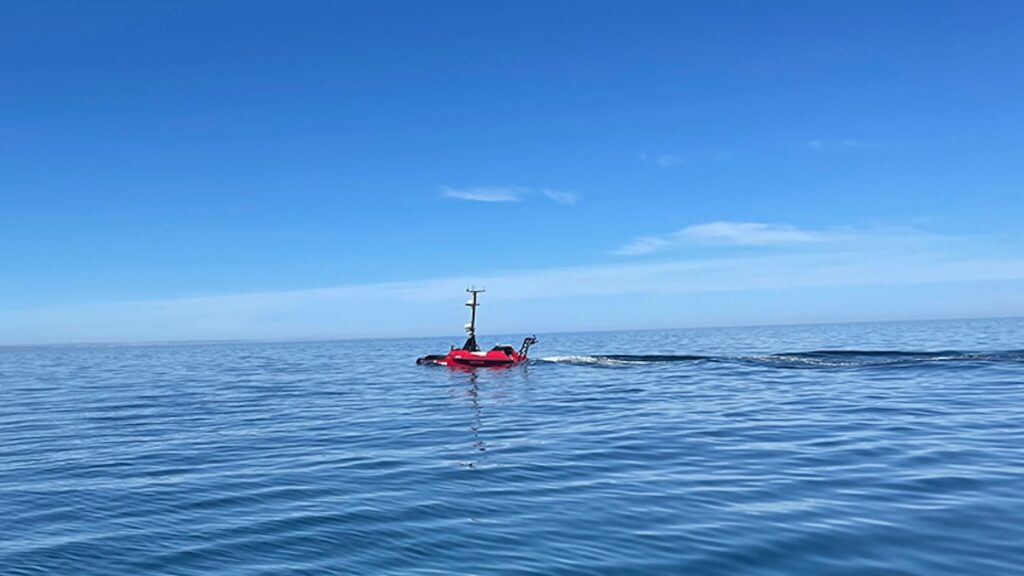
Ground Control examines how layered communications architectures can help offshore uncrewed surface vessel operators maintain visibility, continuity, and operational confidence when primary connectivity is disrupted
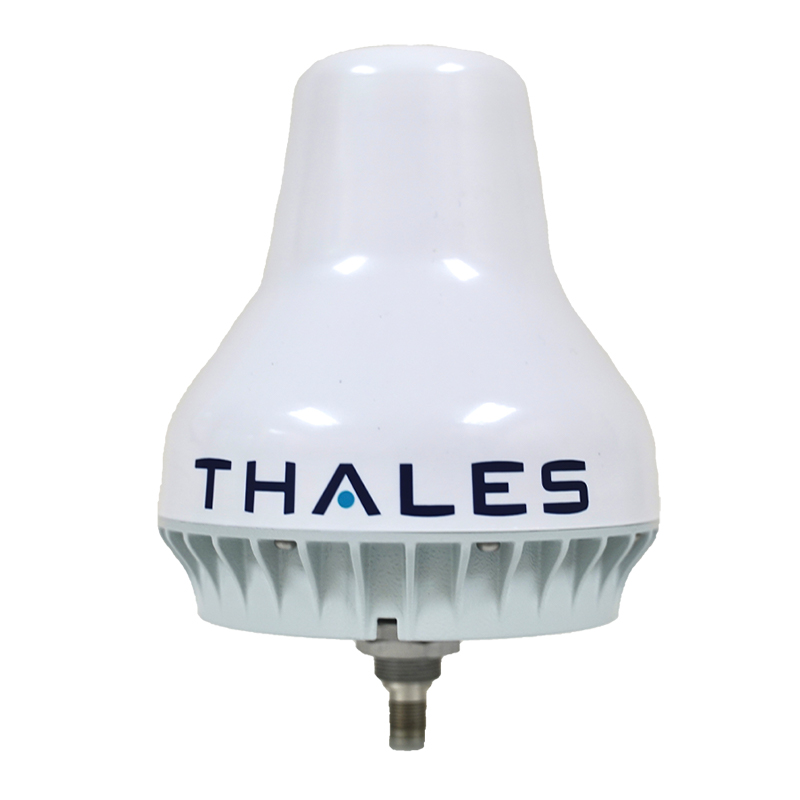
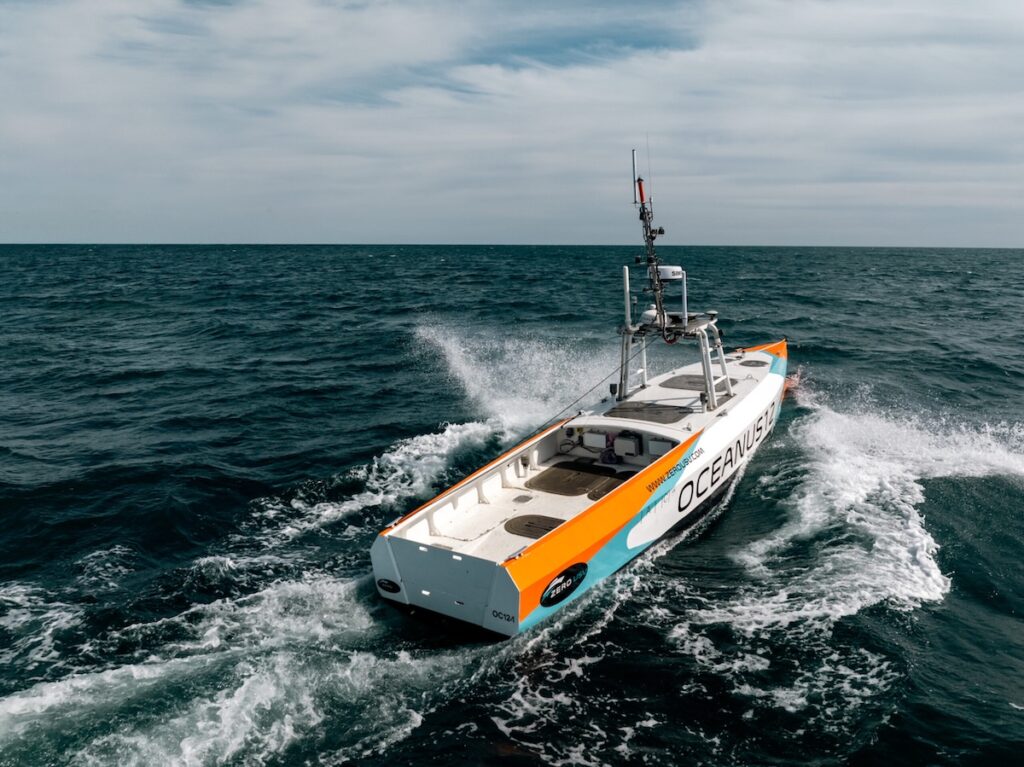
MetOcean Telematics and ZeroUSV aim to revolutionize long-endurance maritime missions by integrating Thales hardware and Iridium satellite networks to provide resilient command and control for the Oceanus class of USVs
Inmarsat Maritime, a Viasat company, is deploying NexusWave across EXMAR’s gas carrier fleet to enable secure, always-on ship-to-shore connectivity, supporting operations, business continuity, and crew welfare
Bloodhound Tracking Device partners with MetOcean Telematics to incorporate Iridium connectivity, ensuring uninterrupted tracking of high-value cargo anywhere on Earth
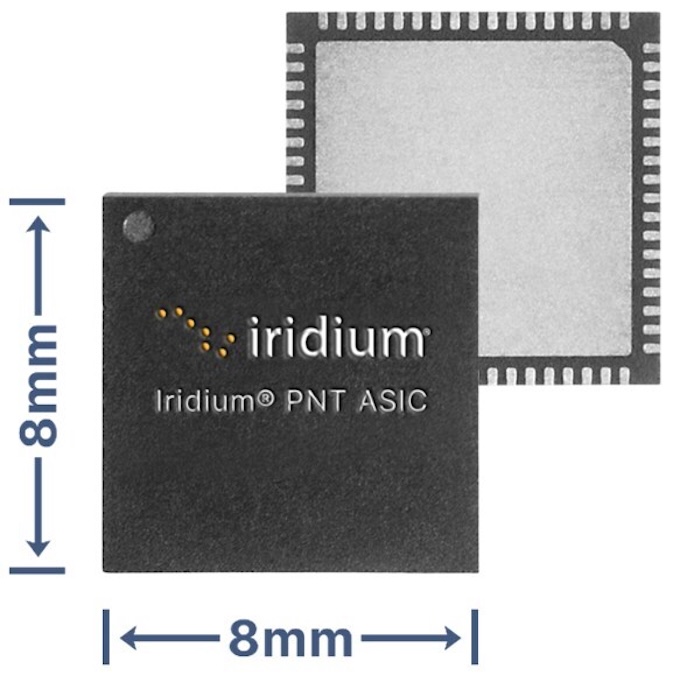
Iridium has unveiled the Iridium® PNT ASIC, a compact, 8mm chip that enhances GNSS navigation accuracy and resilience, providing secure, cryptographically verified positioning, timing, and navigation data for maritime applications and other critical systems
MetOcean Telematics introduced NAMi, a next-generation autonomous acoustic float that collects high-resolution underwater sound data to support marine conservation, regulatory compliance, and environmental research in remote ocean environments
MetOcean has been awarded a contract by the Government of Canada to provide Iridium satellite services and hardware, delivering reliable, mission-critical land and maritime communications in Canada’s remote and extreme environments
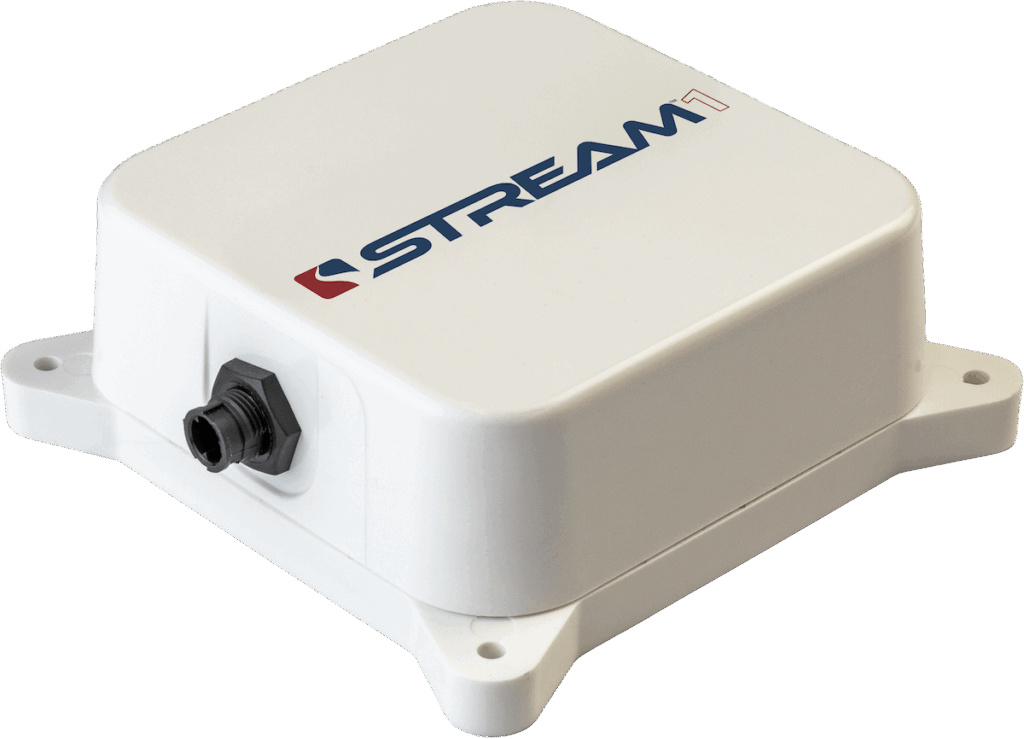
MetOcean Telematics has introduced STREAM1, a rugged satellite communication device designed for Iridium’s Certus™ 9704 transceiver, enabling dependable global connectivity in remote and demanding environments
OST is helping MetOcean Telematics showcase its satellite communications and telemetry solutions, supporting marine industries like research, fisheries, and environmental monitoring
The latest offshore, subsea & marine technology news, straight to your inbox.
Get our weekly roundup of technology developments, new products and industry news.
THANK YOU FOR SIGNING UP
Thanks for joining us. Check your inbox.
We've sent you an email. Click the confirmation link to complete your subscription to the weekly eBrief. In the meantime, explore the latest news, suppliers and technologies.