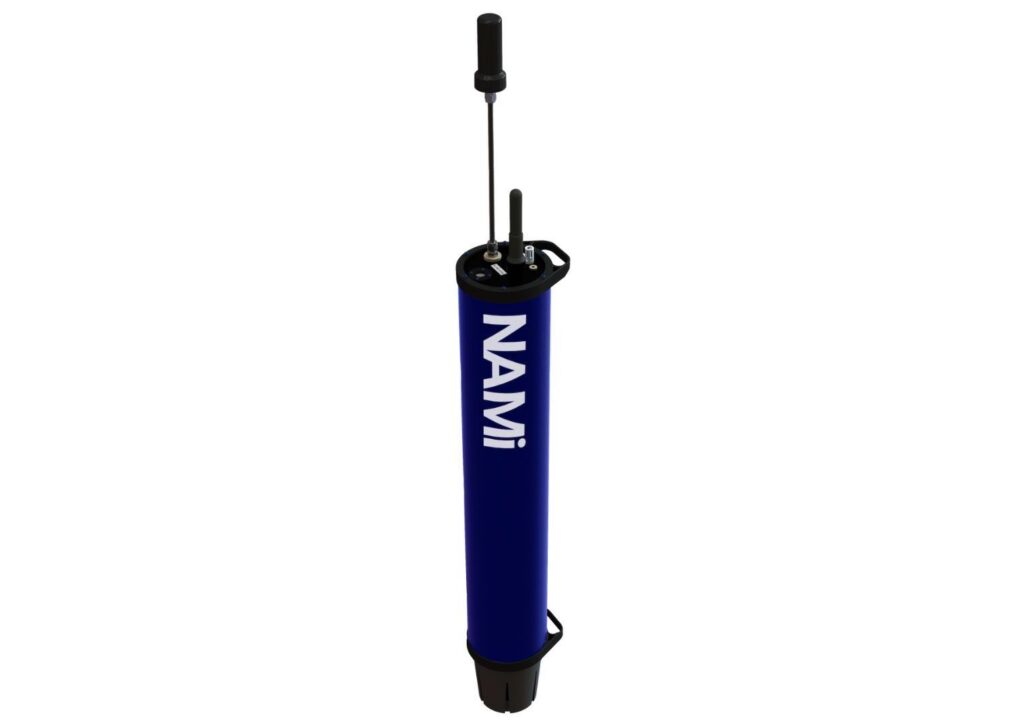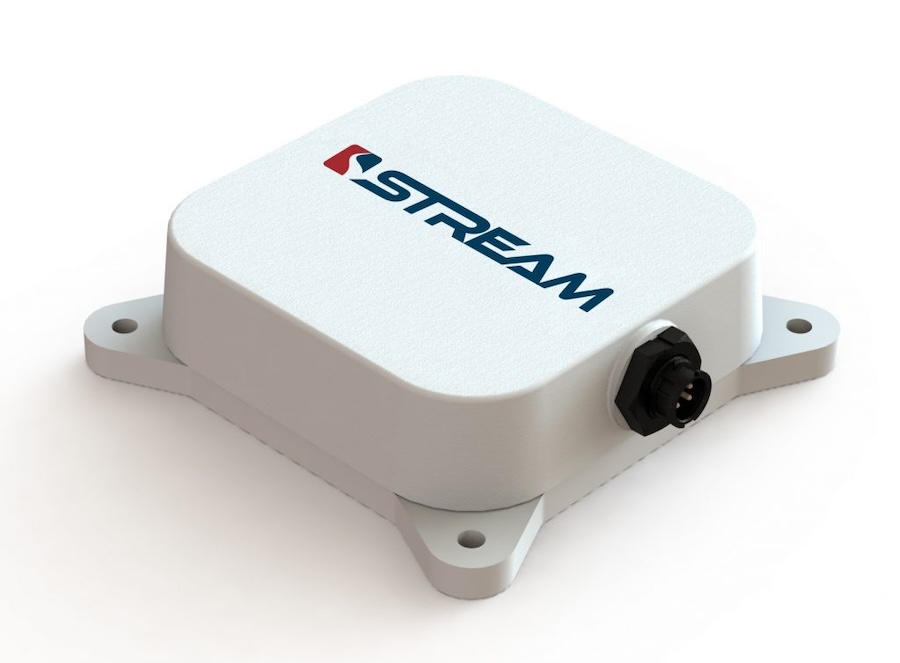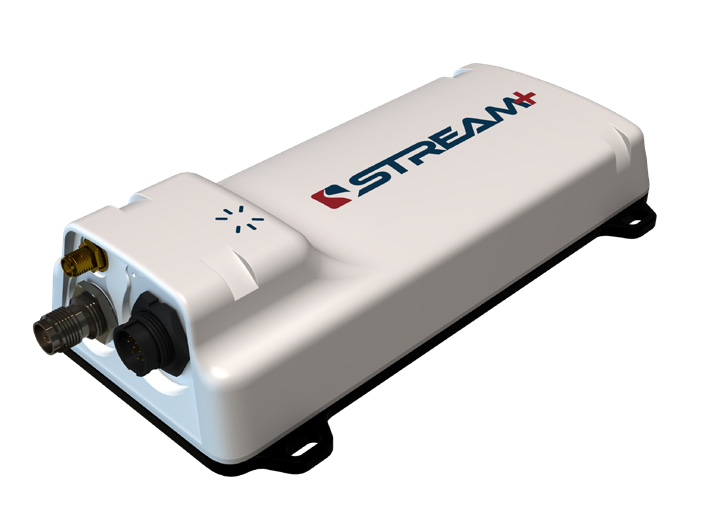

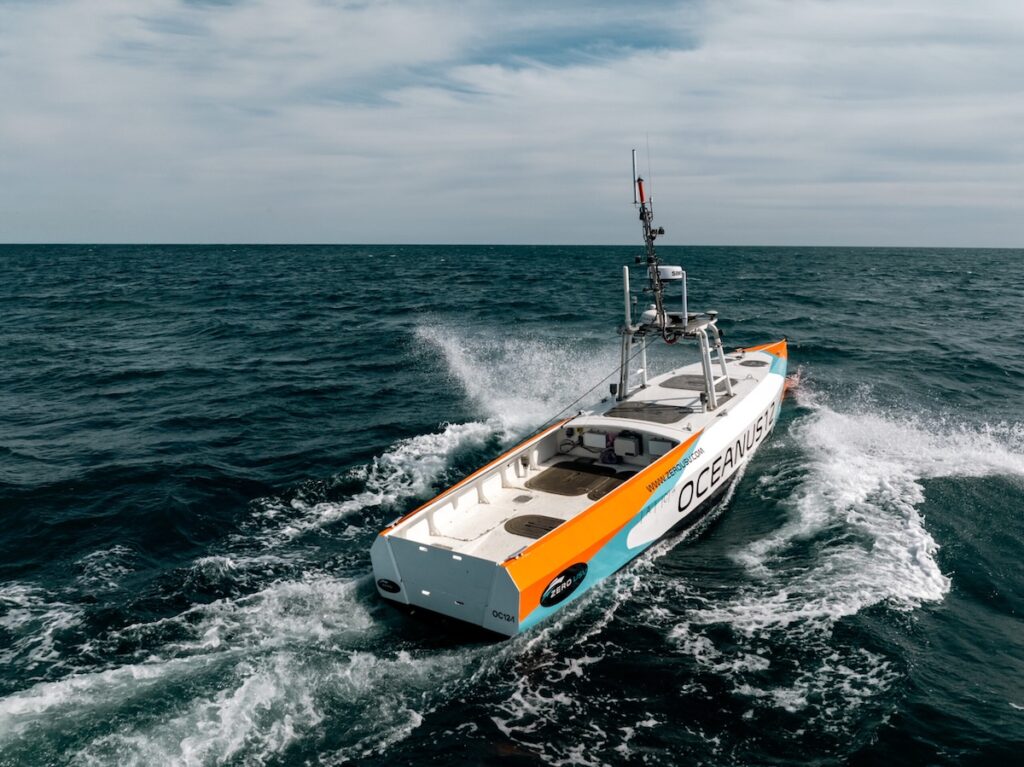
ZeroUSV is advancing long-endurance autonomous ocean operations through a strategic collaboration with MetOcean Telematics, Thales, and Iridium to integrate resilient global communications into uncrewed vessels.
The partnership focuses on the Oceanus class of uncrewed surface vessels (USVs), featuring the operational Oceanus12 and the upcoming Oceanus17. These platforms are engineered for extended, over-the-horizon missions, utilizing a combination of hybrid propulsion, advanced autonomy, and remote operations to serve the offshore energy, environmental monitoring, and maritime security sectors.
MetOcean Telematics, an Iridium Value-Added Reseller, provides the technical expertise and system configuration necessary to optimize these communications for real-world deployments. Future developments may include the integration of Iridium’s GMDSS capabilities and alignment with platforms like Thales WaveLink to enhance safety and compliance with maritime standards.
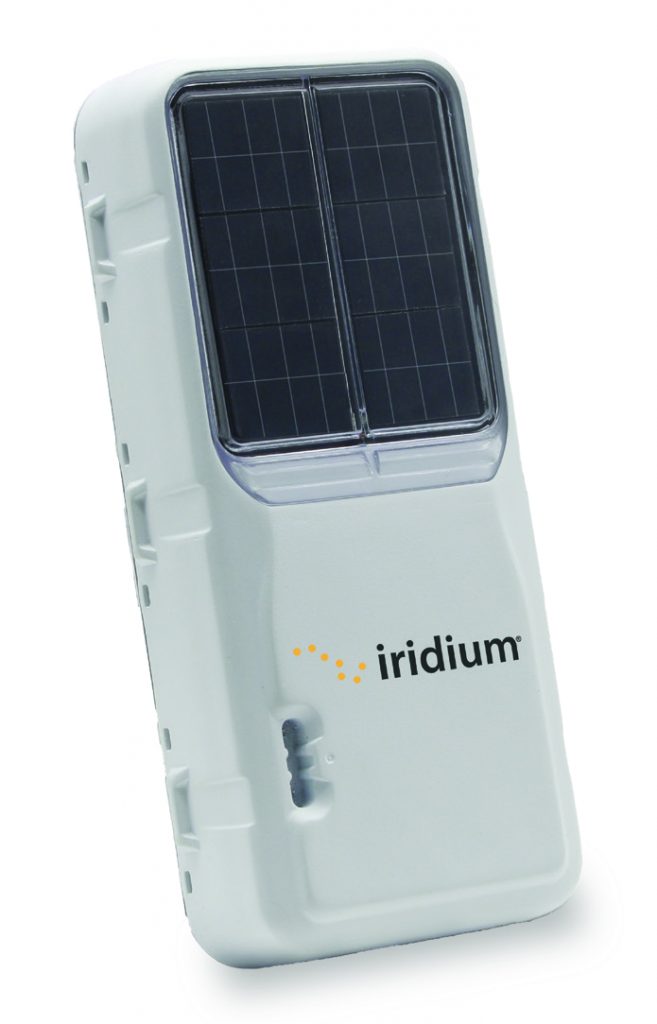
To ensure reliable performance in remote and unpredictable ocean environments, ZeroUSV utilizes the Thales VesseLINK 700, powered by Iridium Certus 700, as the primary and backup communications backbone. This infrastructure provides pole-to-pole coverage for telemetry and operational data, while Iridium Edge Solar devices offer low-power tracking and additional redundancy. Together, these technologies create a communications backbone that supports continuous connectivity even in the most demanding conditions.
“Oceanus12 represent a major step forward in autonomous maritime capability,” said Matthew Ratsey, Founder of ZeroUSV. “Working with Thales, Iridium and MetOcean allows us to deliver the reliable communications our vessels depend on, no matter where they operate.”
“This is a great example of what strong partnerships can deliver,” said Tony Chedrawy, CEO of MetOcean Telematics. “By supporting the integration of Thales hardware and Iridium’s global network into ZeroUSV’s platform, we’re empowering reliable autonomous operations in real-world conditions.”
As autonomous operations continue to grow, this collaboration highlights how integrated technology and strong partnerships are helping move the industry forward, making long-duration, uncrewed missions more practical and dependable.