
Satellite Communication (SATCOM)
Discover cutting-edge solutions from leading global suppliers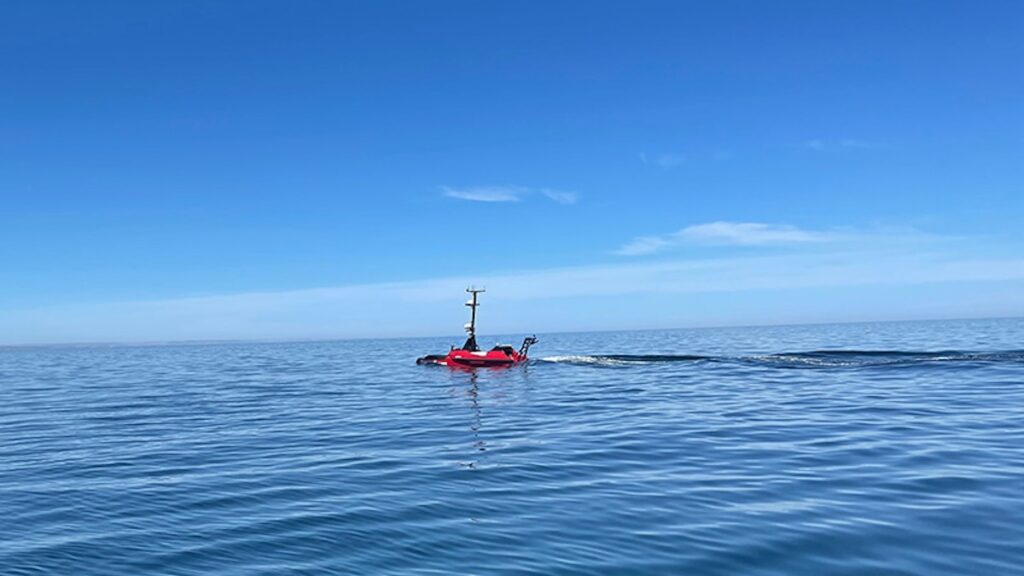
Ground Control outlines why resilient connectivity is becoming increasingly important for offshore Uncrewed Surface Vessel (USV) operations.
As missions become longer and more complex, operators need to maintain vessel visibility, receive alerts, and keep essential data flowing when primary communications links are under pressure.
The USV market continues to expand as organizations seek to reduce personnel risk, improve operational efficiency, and support longer offshore missions. As adoption grows, connectivity is becoming a more significant part of the operating model for vessels working far from shore.
Connectivity and Operational Confidence
Offshore communications strategies need to reflect real operating conditions. Sea state can affect antenna performance, weather may influence signal quality, and coverage may vary across a mission.
If a vessel loses its primary link but continues transmitting health data, position reports, and mission updates, operations may continue with limited disruption. When visibility is reduced, confidence in vessel status and mission progress can be affected, potentially undermining the operational and commercial advantages that support offshore USV deployment.
What Operators Are Prioritizing
USV manufacturers and operators are increasingly focused on preserving essential functions during periods of degraded connectivity. These include safety override, telemetry, vessel tracking, low-rate command traffic, and backup communications pathways when primary services are unavailable.
This reflects a shift from simply achieving offshore connectivity to identifying which functions must remain available if the primary communications path is interrupted.
The Case for Layered Communications
A layered approach allows primary and backup links to serve different purposes. Primary links support higher-rate telemetry, software updates, imagery, video, payload transfers, and command-and-control functions.
 Backup links maintain essential capabilities such as vessel health monitoring, alarms, mission status reporting, tracking, and low-rate command traffic when primary connectivity is constrained.
Relying on a single broadband satellite service creates dependence on one communications pathway. Weather, vessel motion, hardware issues, service constraints, or other factors can affect connectivity, which is why many operators are evaluating layered satcom architectures for critical operational functions.
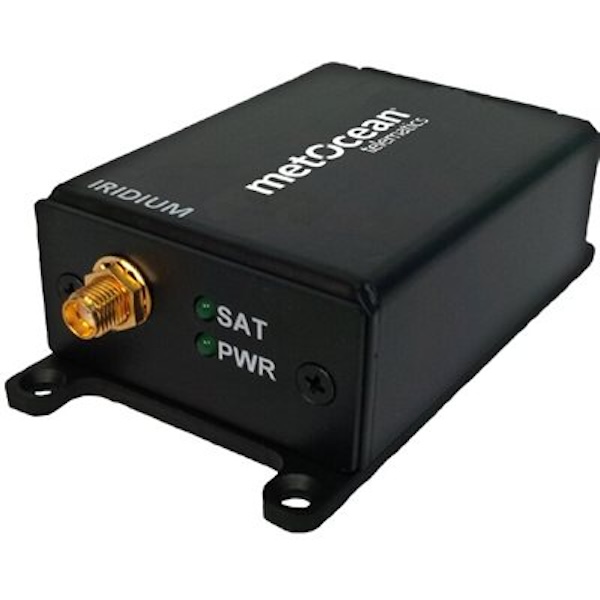
For many offshore USV applications, services such as Iridium Certus® 100 can provide a secondary communications layer for telemetry, alerts, command traffic, and other continuity-focused requirements that do not require broadband throughput.
Supporting Offshore USV Operations
As the USV market matures, connectivity resilience should be considered alongside autonomy, endurance, and payload capability. Operators need to assess what happens when a primary link is degraded, which functions remain available, what information continues to reach shore, and whether mission confidence can be maintained without immediately considering recovery.
A layered architecture combining a higher-capacity primary link with a lower-bandwidth backup pathway can help preserve visibility, continuity, and access to essential operational data during communications disruptions.