Offshore Inspection USVs for Commercial and Industrial Use
Source offshore inspection USV platforms from specialized manufacturers and suppliers supporting offshore energy, ports, and marine infrastructure operations. Offshore inspection USV systems enable safe, cost-effective visual inspection, condition monitoring, and data collection around fixed and floating offshore assets.
If you design, build or supply Offshore Inspection USVs, create a profile to showcase your capabilities and connect with visitors who have an active requirement for your solutions.
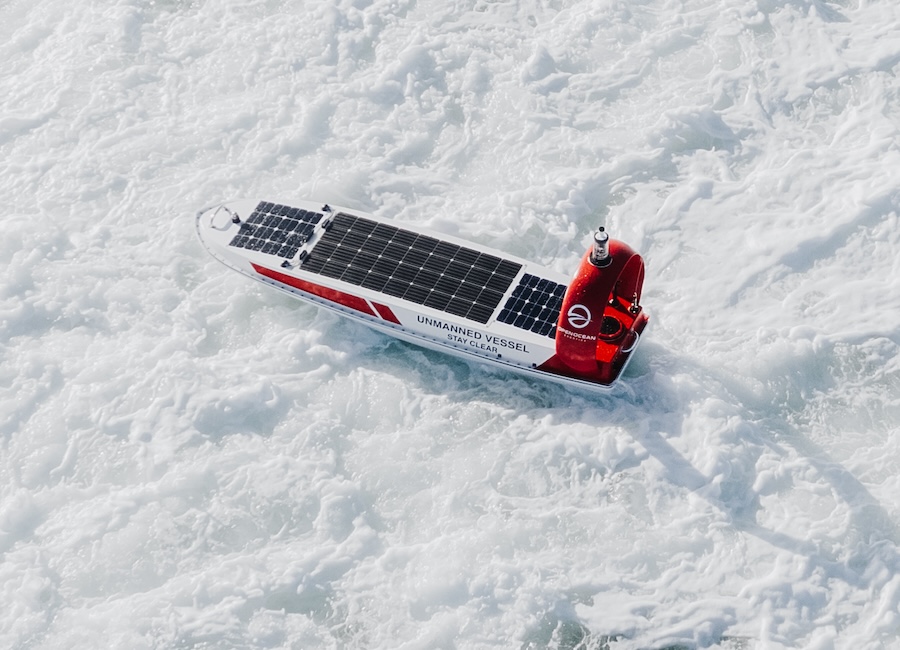
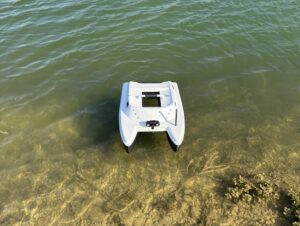
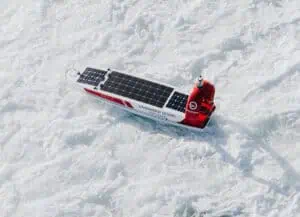
Solar-powered USV for high-resolution spatial data acquisition
Solar-powered USV for high-resolution spatial data acquisition
......l for seagrass mapping, bathymetric survey, mining exploration, pipeline inspection and much... ...
The USV comes equipped as standard with a variety of sensors and payloads, including:
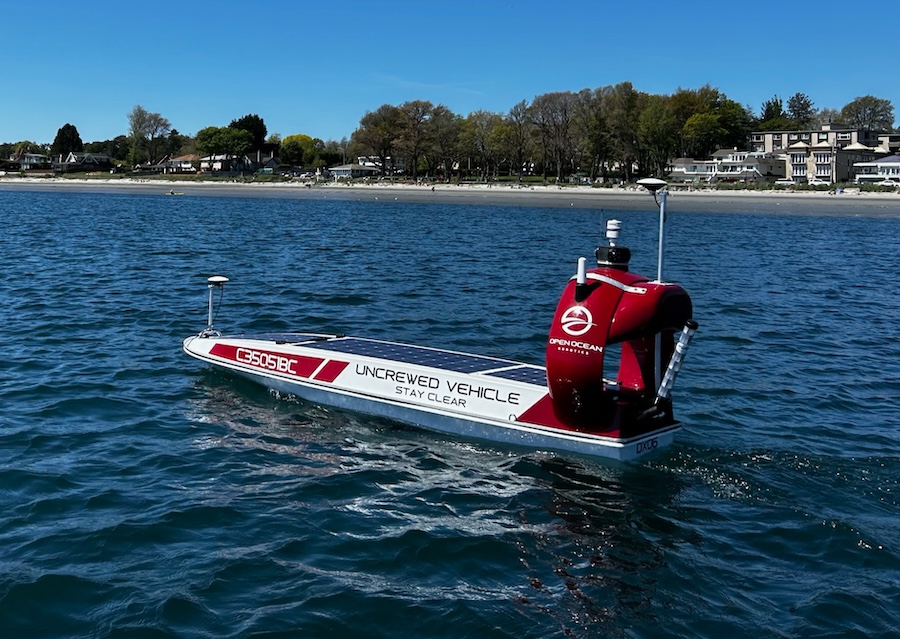
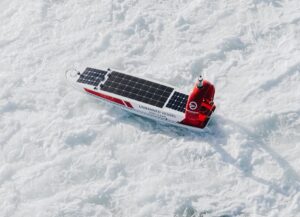
Solar-powered USV for meteorological & oceanographic data collection
Solar-powered USV for meteorological & oceanographic data collection
......climate science research, hurricane detection, weather modelling, and offshore energy... ...zero-emissions USV features a patented self-righting system for quick recovery, a shallow draft, and...
Offshore Inspection USVs for Commercial and Industrial Use
Overview by
Eleanor Widdows
Updated:
Offshore inspection USVs are uncrewed surface vessels engineered to operate in close proximity to offshore structures and coastal assets. These platforms are used across oil and gas facilities, offshore renewable energy sites, ports, subsea cable corridors, and floating infrastructure where routine inspection and monitoring are required. By removing onboard crew and leveraging remote or autonomous control, inspection tasks can be conducted more frequently and with improved operational safety.
Inspection USV Applications
Offshore Platform Inspection
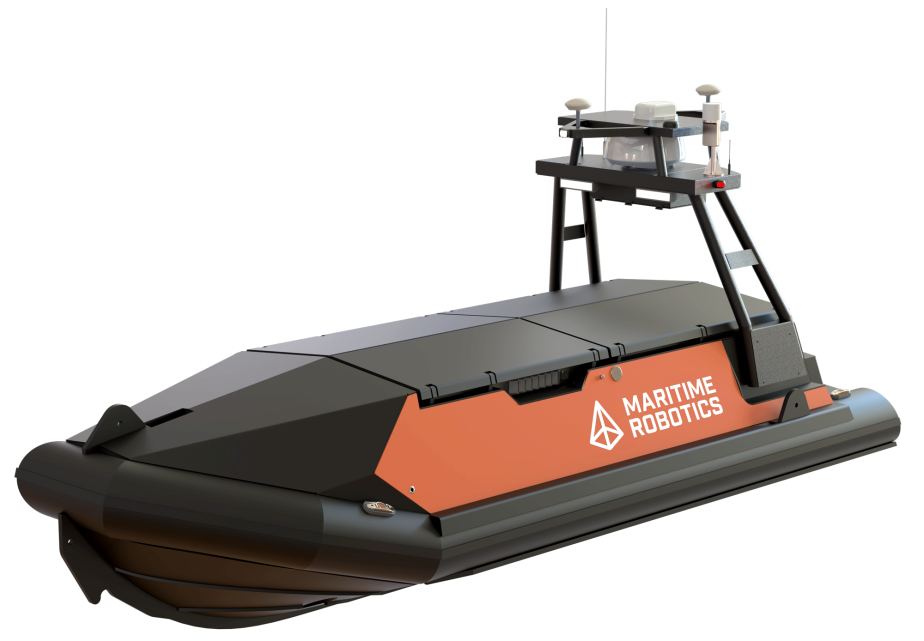
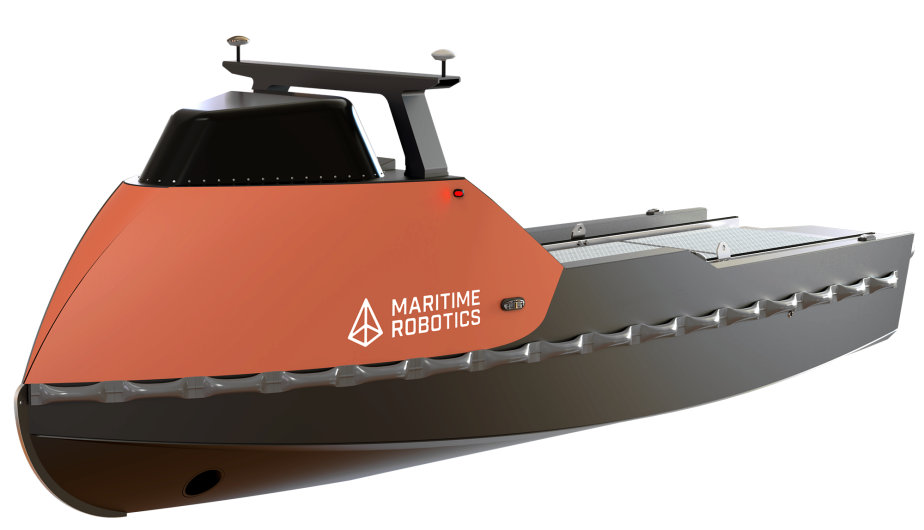
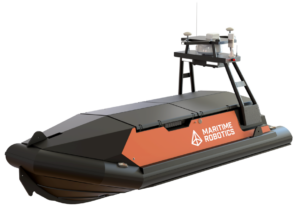
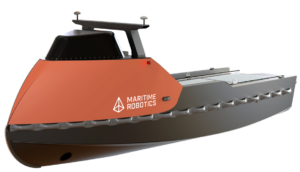
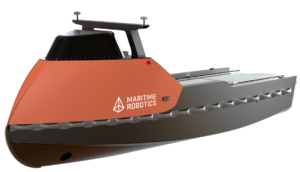
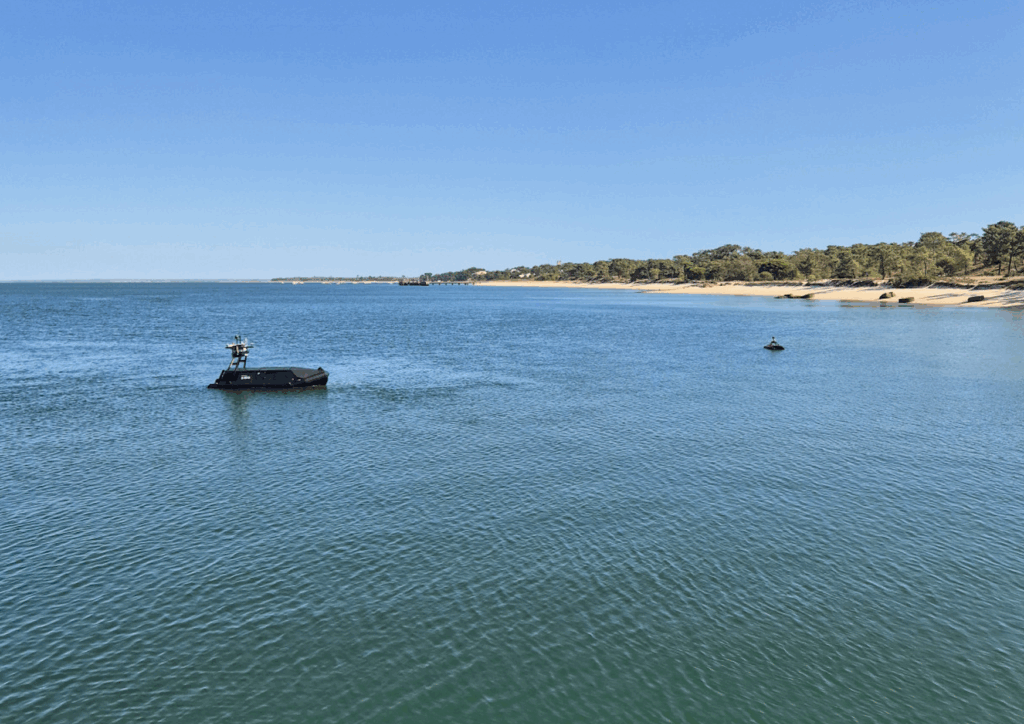
Mariner X offshore inspection USV by Maritime Robotics.
USVs are used to conduct visual and thermal inspection around fixed and floating offshore platforms, reducing the need for crewed vessels in exclusion zones.
Offshore Wind Turbine Inspection
Inspection USVs support blade, foundation, and transition-piece inspections using stabilized camera systems in close proximity to offshore wind assets.
Offshore Port and Harbor Inspection
Compact inspection USVs are deployed for quay wall inspection, fender assessment, and harbor infrastructure monitoring in confined environments.
Offshore Oil and Gas Inspection
USVs provide routine inspection support around rigs, FPSOs, and pipelines, enabling safer operations and frequent condition monitoring.
Offshore Cable and Pipeline Inspection Support
Surface inspection USVs support cable route monitoring and act as platforms for visual and environmental inspection operations.
Compact Inspection USVs
Compact inspection USVs prioritize maneuverability and ease of deployment for harbor and nearshore inspection operations.
Long Endurance Inspection USVs
Long endurance platforms support extended offshore inspection missions with hybrid propulsion and high-capacity power systems.
Modular Inspection USVs
Modular inspection USVs allow rapid reconfiguration of sensor payloads and communication systems across multiple inspection tasks.
Heavy Duty Inspection USVs
Heavy-duty inspection USVs are designed for higher sea states and persistent operations around exposed offshore infrastructure.
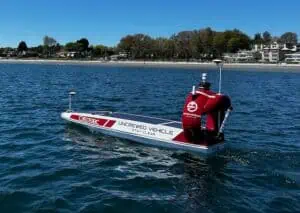
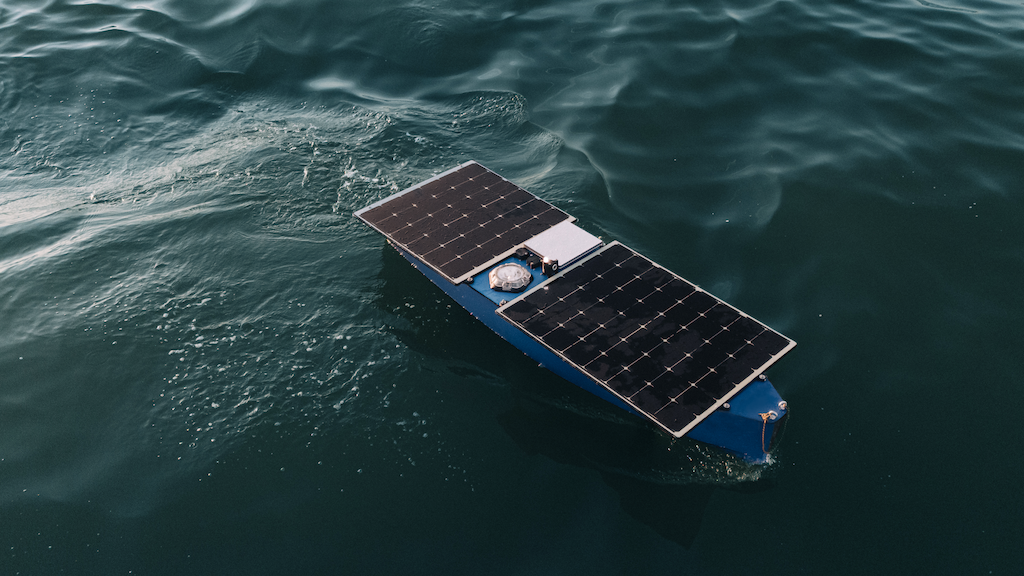
DataXplorer™ METOC solar-powered USV for offshore monitoring by Open Ocean Robotics.
Sensor Payloads and Inspection Capabilities
Inspection-focused USVs are typically equipped with stabilized optical cameras, thermal cameras, marine radar, and lidar to support visual assessment, corrosion monitoring, and situational awareness. Payload bays allow integration of mission-specific sensor payloads, while onboard computers handle navigation, collision avoidance, and data management. Data links using radio communication or satellite communication enable real-time monitoring and control from shore-based or vessel-based remote control stations.
Hull Design and Propulsion Systems
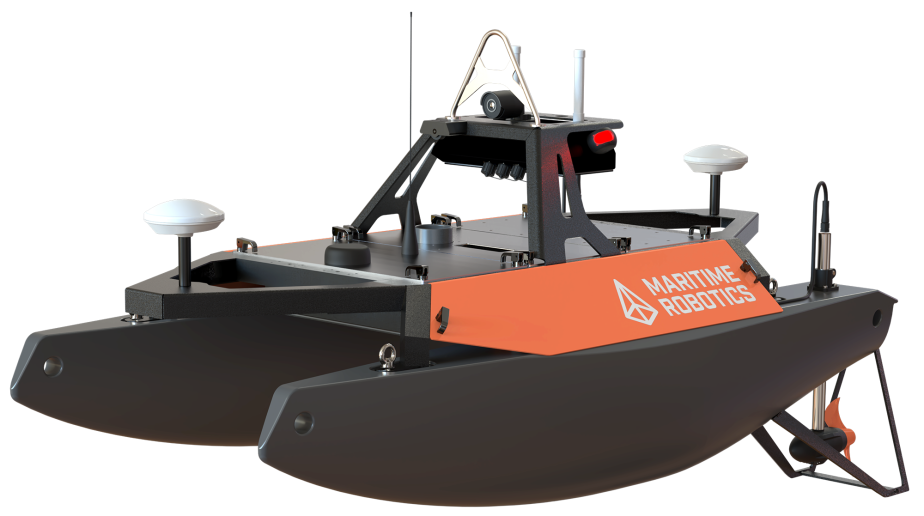
Hull form and propulsion selection play a significant role in inspection performance. Monohull and catamaran hull designs are commonly used depending on sea-state tolerance, endurance requirements, and deck-space needs. Electric propulsion systems are widely adopted for low acoustic signature and reduced maintenance, while hybrid propulsion configurations extend endurance for long-duration inspection missions. Power management systems and battery systems are optimized to support sensor-heavy payloads and continuous operation.
Autonomy, Control, and Mission Planning
Autonomy levels vary by mission profile and regulatory environment. Some offshore inspection USVs operate under direct remote control for close-in visual inspection, while others use autonomous navigation systems for preplanned inspection routes around platforms, foundations, and harbor structures. Mission planning software enables repeatable inspection patterns, improving data consistency for long-term offshore asset monitoring and structural integrity assessment.
Standards and Qualifications
Relevant standards and guidelines influencing offshore inspection USV design and operation include maritime collision regulations, offshore safety frameworks, and emerging autonomy and control standards used within marine and offshore environments. Compliance with regional maritime authorities and offshore operator requirements is a key consideration when deploying inspection USVs in active operational areas.
Compared to crewed inspection vessels, offshore inspection USVs reduce operating costs, minimize personnel exposure, and enable more frequent inspection cycles. Their ability to integrate multiple sensor types on a single platform supports comprehensive offshore inspection solutions across visual, thermal, and situational awareness domains.
A solar-powered USV from Sofar Ocean & Online Oceans enables scalable and persistent ocean monitoring in remote deep water locations where traditional moorings are often difficult to deploy and maintain
Reach Subsea will deploy its uncrewed surface vessel Reach Remote 1 for gas reservoir monitoring and subsea maintenance projects on the Norwegian Continental Shelf
Open Ocean Robotics spoke to OST at Oceanology International 2026 in London, with CEO and Co-Founder Julie Angus outlining the company’s solar-powered USV platform and AI-enabled maritime monitoring capabilities
OceanAlpha has launched the V180 USV–ROV system, a 24 m unmanned platform integrating a DP2-enabled USV and work-class ROV for deepwater subsea inspection, maintenance and repair operations at depths of up to 3,000 m
Deep Trekker explains how its PHOTON remotely operated vehicle supported Project REPARE by delivering repeatable underwater inspections for flat oyster restoration and long-term monitoring in southern Brittany
A UK consortium led by ACUA Ocean, with Houlder, Ad Hoc Marine Designs, Trident Marine, and the University of Southampton, is developing a 145-foot hybrid-electric surface vessel capable of autonomous or crewed operation for offshore support, subsea inspection, and logistics
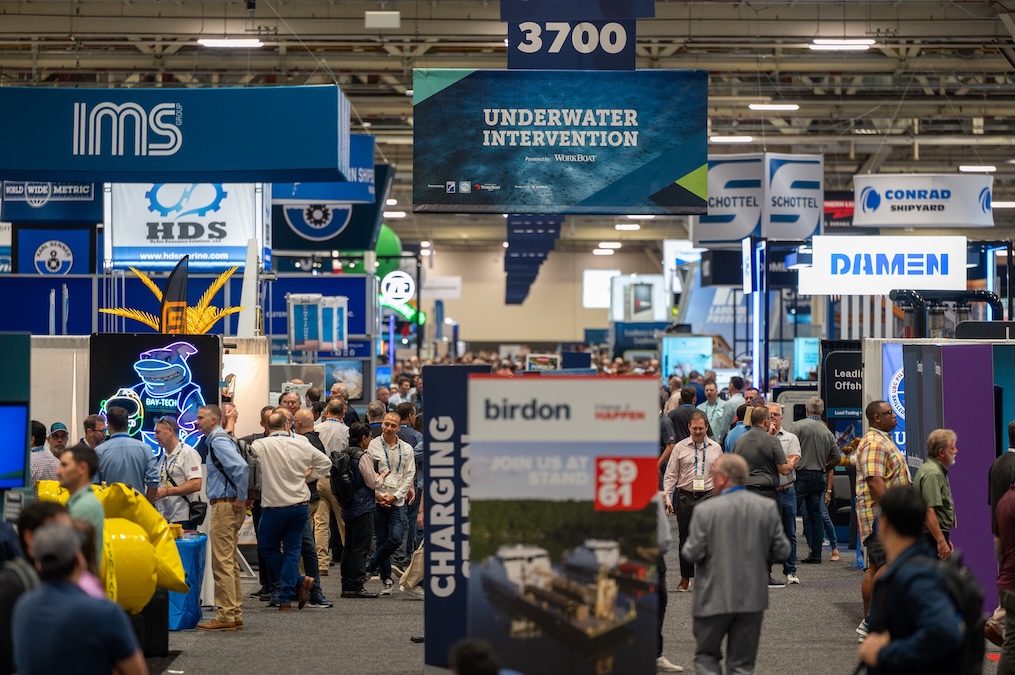
Underwater Intervention 2025, taking place from December 3-5 in New Orleans, will feature three days of technical programming, more than 100 exhibitors, and opportunities for networking across the offshore and underwater industry
The latest offshore, subsea & marine technology news, straight to your inbox.
Get our weekly roundup of technology developments, new products and industry news.
THANK YOU FOR SIGNING UP
Thanks for joining us. Check your inbox.
We've sent you an email. Click the confirmation link to complete your subscription to the weekly eBrief. In the meantime, explore the latest news, suppliers and technologies.