The Global Sourcing Hub for Marine, Subsea & Offshore Technology
Discover cutting-edge solutions from leading global suppliers
Oceanology International returned to ExCeL London in March 2026 with a clear shift in emphasis toward remotely operated and autonomous survey platforms. Across both the exhibition halls and dockside demonstrations, companies focused on complete systems capable of surveying, inspecting, and operating with increasing levels of autonomy.
Editors from Ocean Science Technology spent time across the show floor and at the water’s edge, speaking with developers and observing live demonstrations. A consistent theme emerged: platforms are being designed not just to collect data, but to do so persistently, with reduced intervention and tighter integration between navigation, sensing, and onboard processing.
This is a roundup of the platforms that stood out.
Unmanned Surface & Survey Platforms
Unmanned Surface Vessels (USVs) were among the most visible platform types at the event, particularly through live demonstrations that highlighted real-world capability.
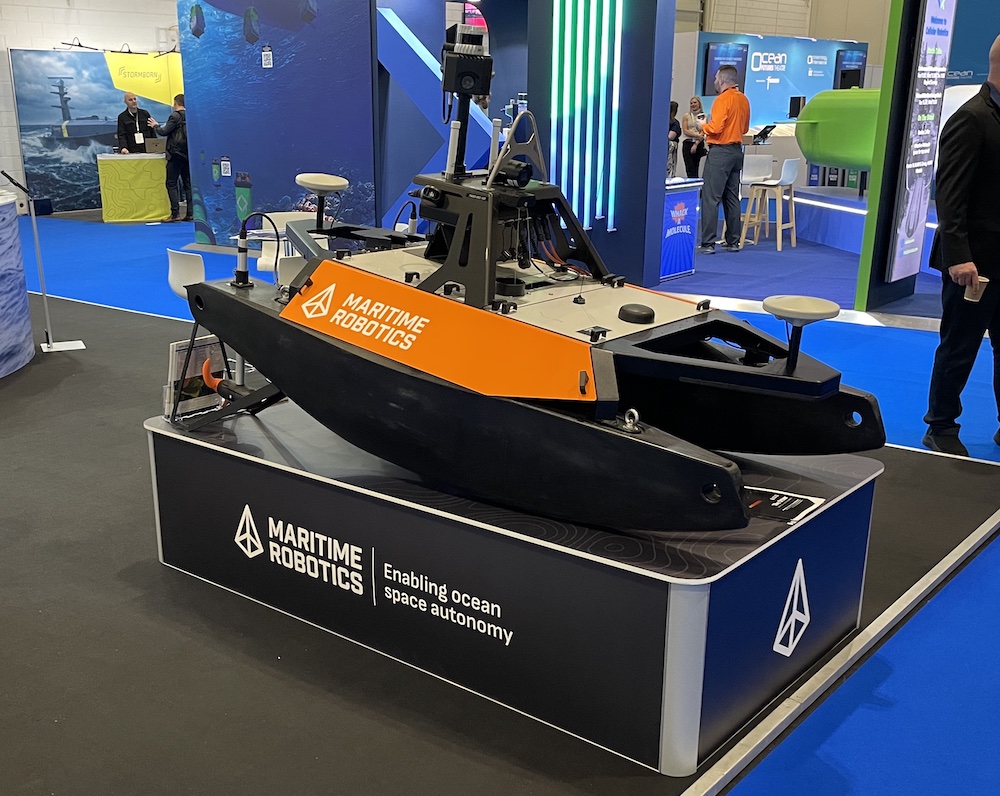
Maritime Robotics demonstrated autonomous seabed mapping using the Mariner USV, alongside remote operations linked to its Otter USV in Trondheim. The dockside demonstrations, showing full mission execution in real time, reflected growing demand for USVs across hydrography, monitoring, and security applications.
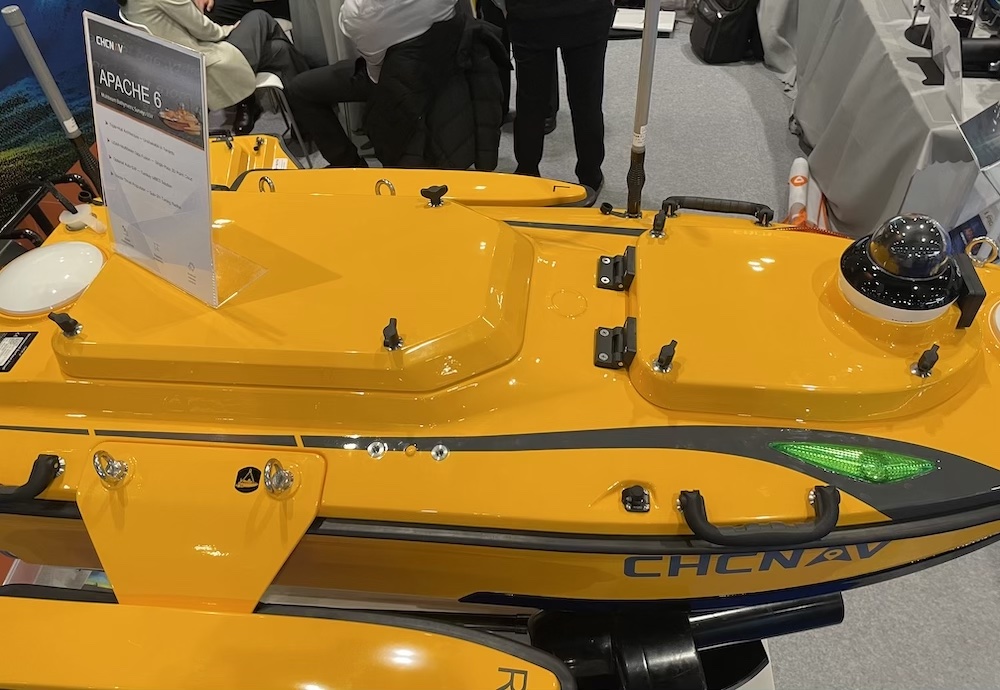
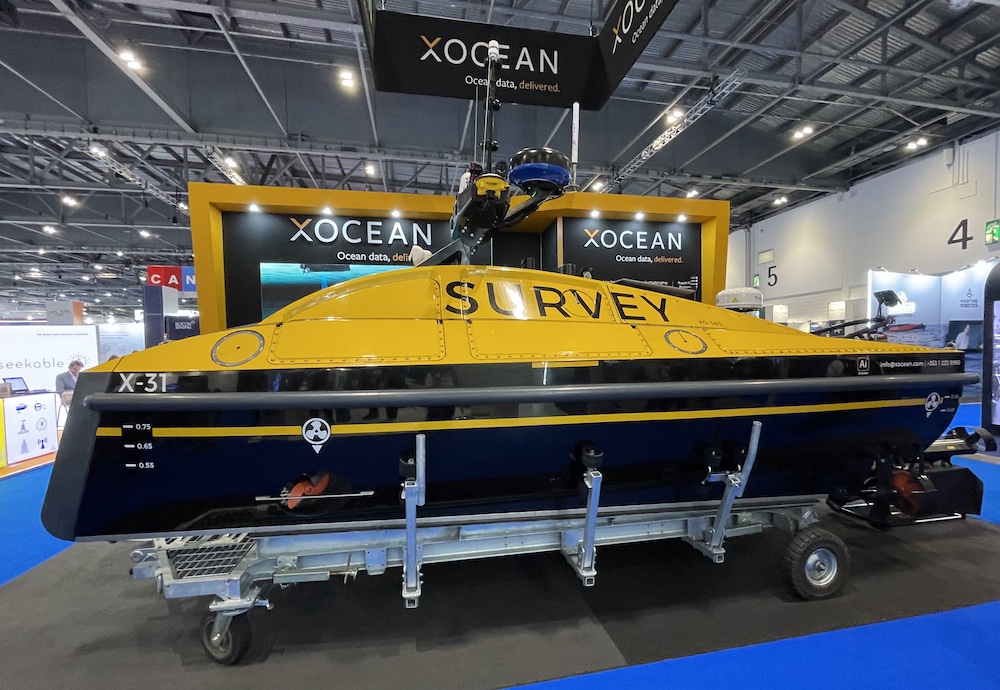
This focus on operational deployment carried through to XOCEAN, which presented its latest XO-580 and X-31 USVs for offshore survey work across energy, telecommunications, and government sectors. Similarly, CHCNAV showcased its APACHE 6, APACHE 4 Pro, and D60 platforms alongside ADCP systems, reflecting a broader move toward integrated hydrographic survey solutions.
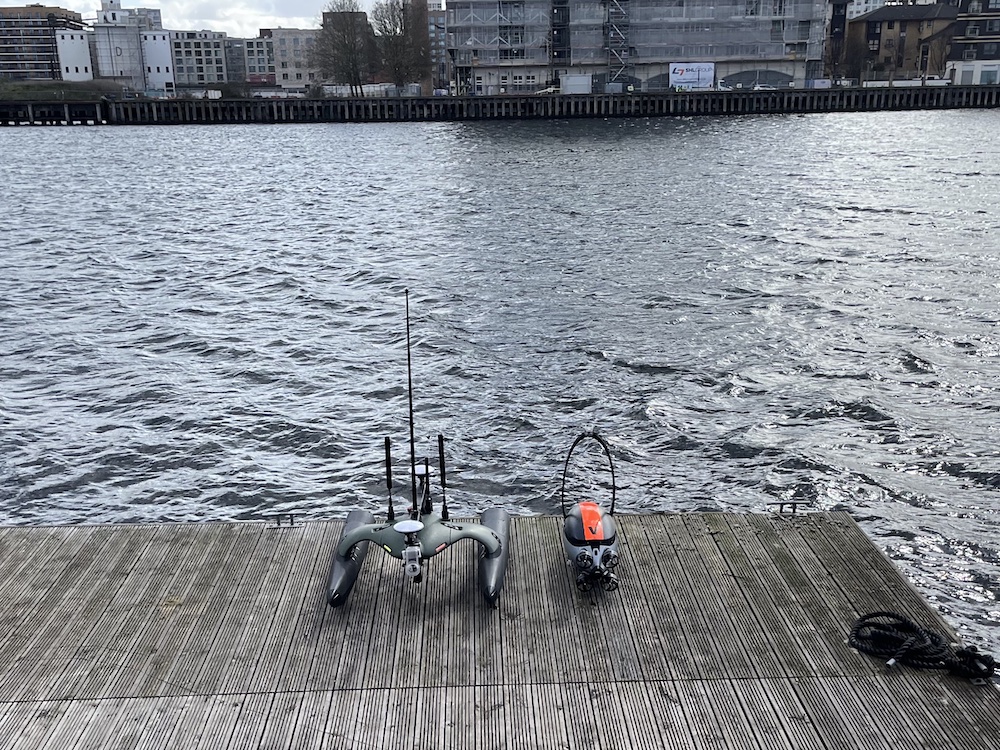
On the water, SatLab Geosolutions demonstrated the HydroBoat 1200MB, emphasizing reliability and precision in demanding environments, while EvoLogics took a multi-platform approach with a coordinated mission involving its Sonobot USV and Quadroin AUV, illustrating how surface and subsea systems are increasingly deployed together.
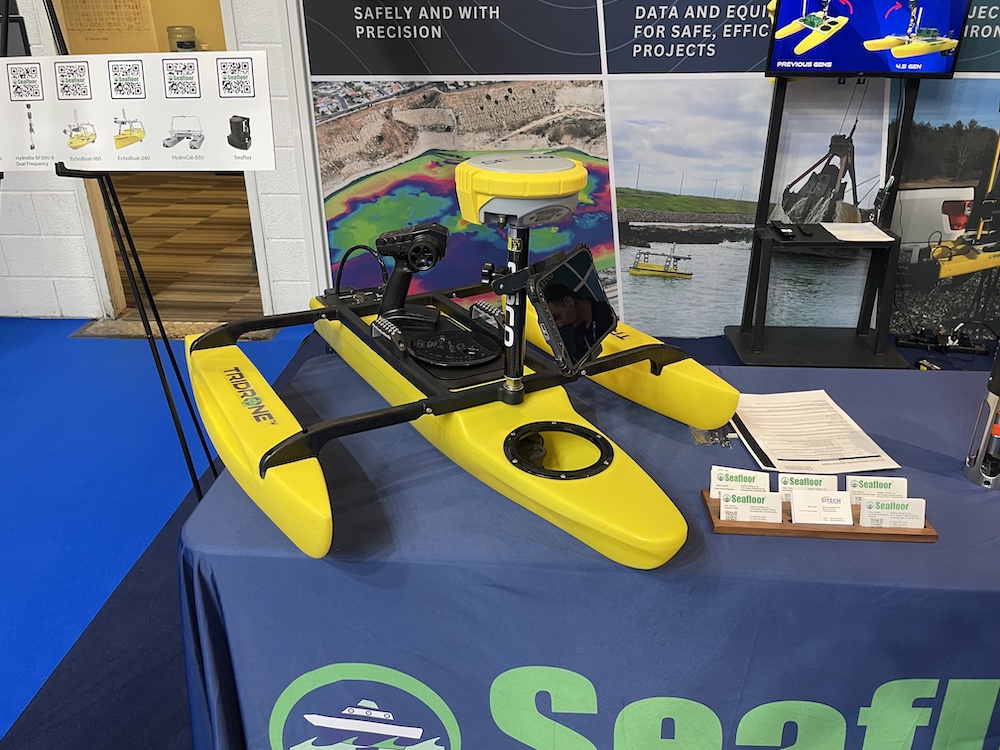
Seafloor Systems also focused on compact, integrated platforms, showcasing developments across its USV lineup, including the HyDrone™ 4.5, with SLAM LiDAR enabling combined above- and below-water mapping.
ROV Systems & Subsea Robotics
Underwater Remotely Operated Vehicle (ROV) platforms at Oi26 focused on modularity, deployment efficiency, and expanding inspection capability across a range of operating conditions.
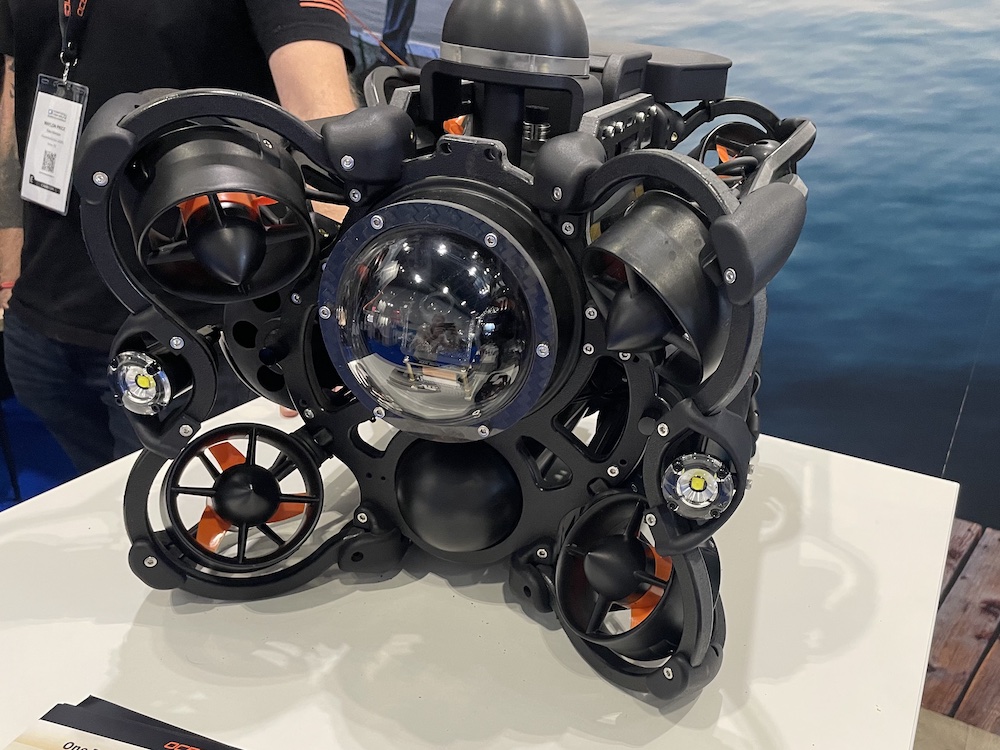
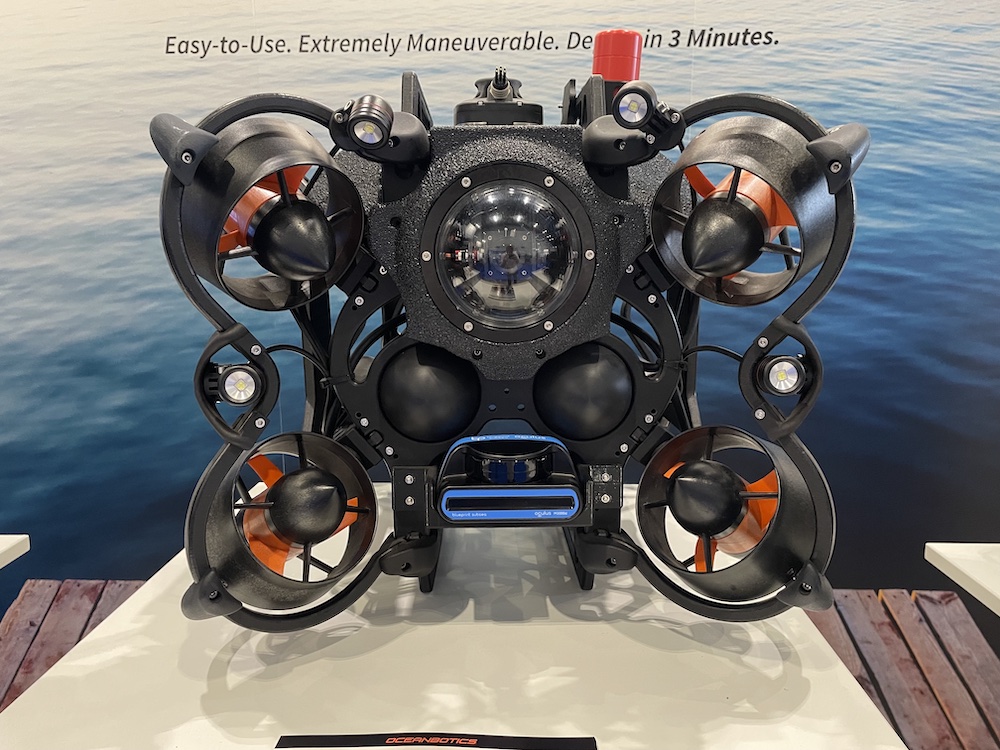
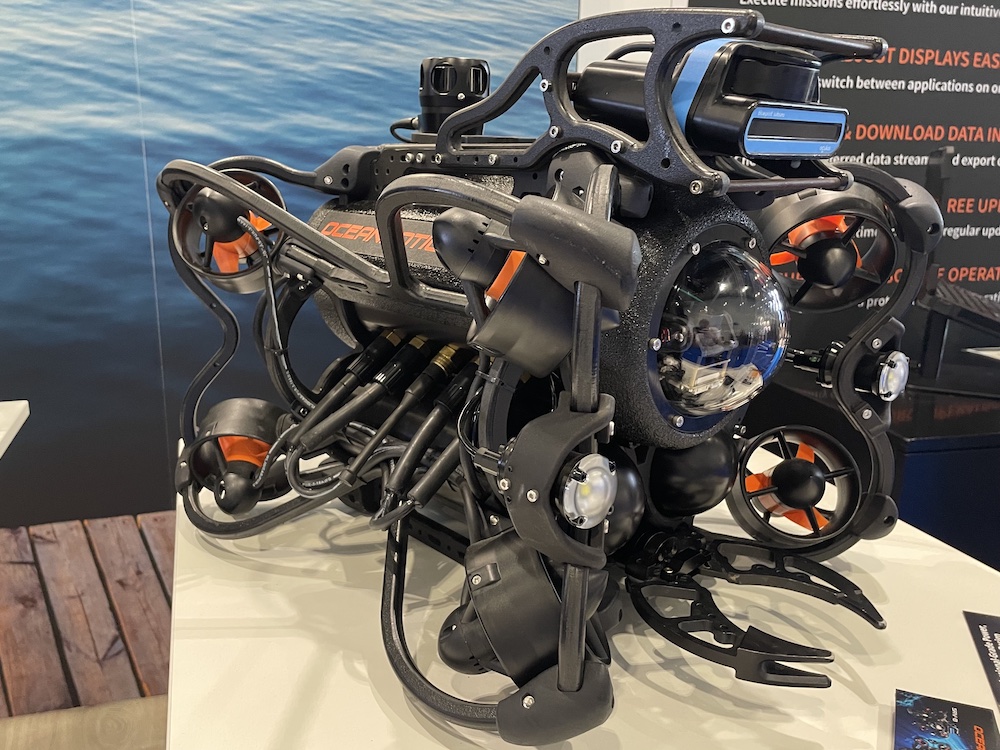
Oceanbotics presented its SRV-8 series, including the SRV-8, SRV-8X, and offered a first look at the compact SRV-8C, providing a range of configurations for inspection and survey tasks requiring different payload capacities and portability. Deep Trekker continued the theme of high-performance inspection systems with dockside demonstrations and the official launch of its SPECTRA ROV, designed for deep-water, high-current environments and incorporating real-time 3D sonar SLAM and 4K stereo vision.
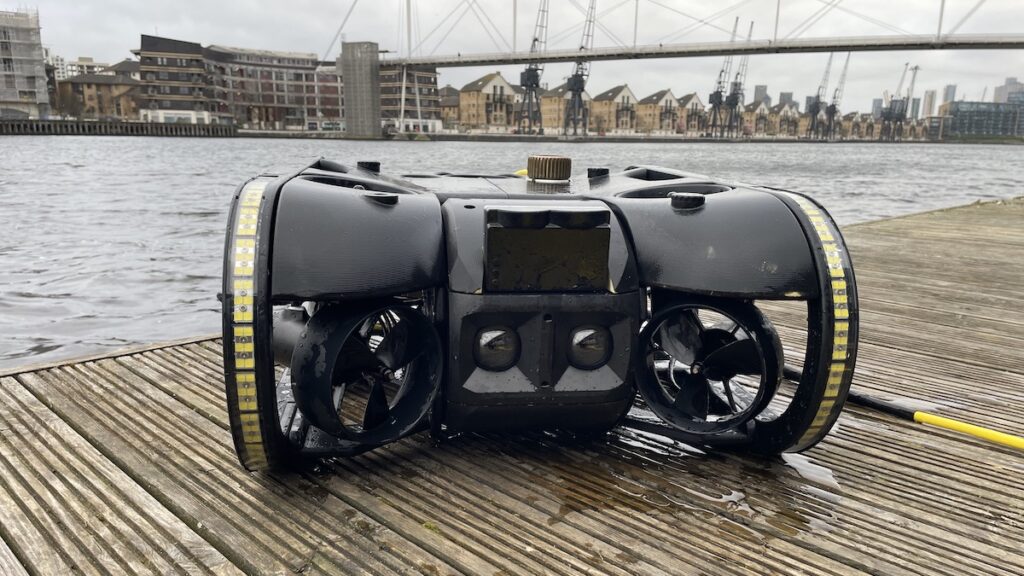
VideoRay showcased the new Wraith ROV, built on its modular Mission Specialist architecture, enabling interchangeable components, rapid field repair, and scalable payload integration. Complementing this, Atlantas Marine demonstrated its Typhoon ROV Latch, designed to improve control and safety during launch and recovery operations.
Additionally, Strategic Robotic Systems (SRS) showcased the FUSION ROV, a hybrid system capable of operating as both a tethered ROV and an autonomous vehicle, providing flexibility across different operational scenarios.
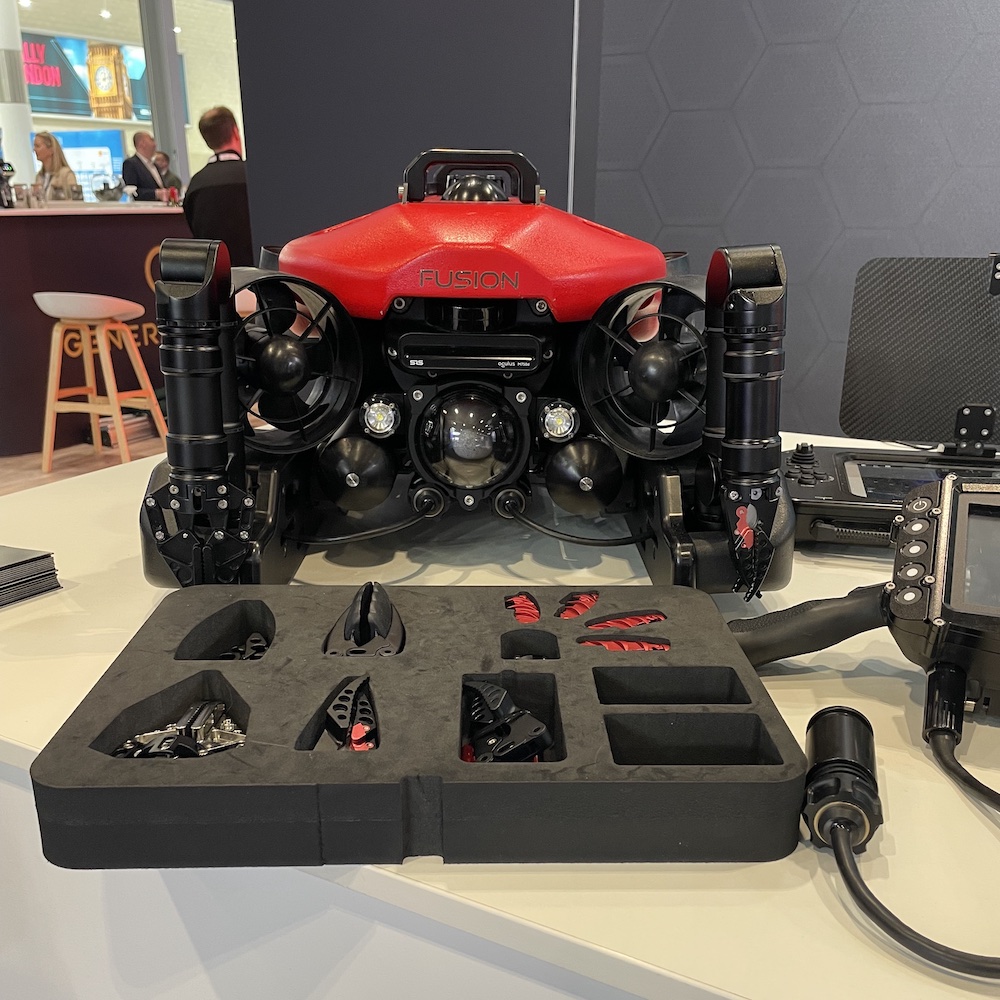
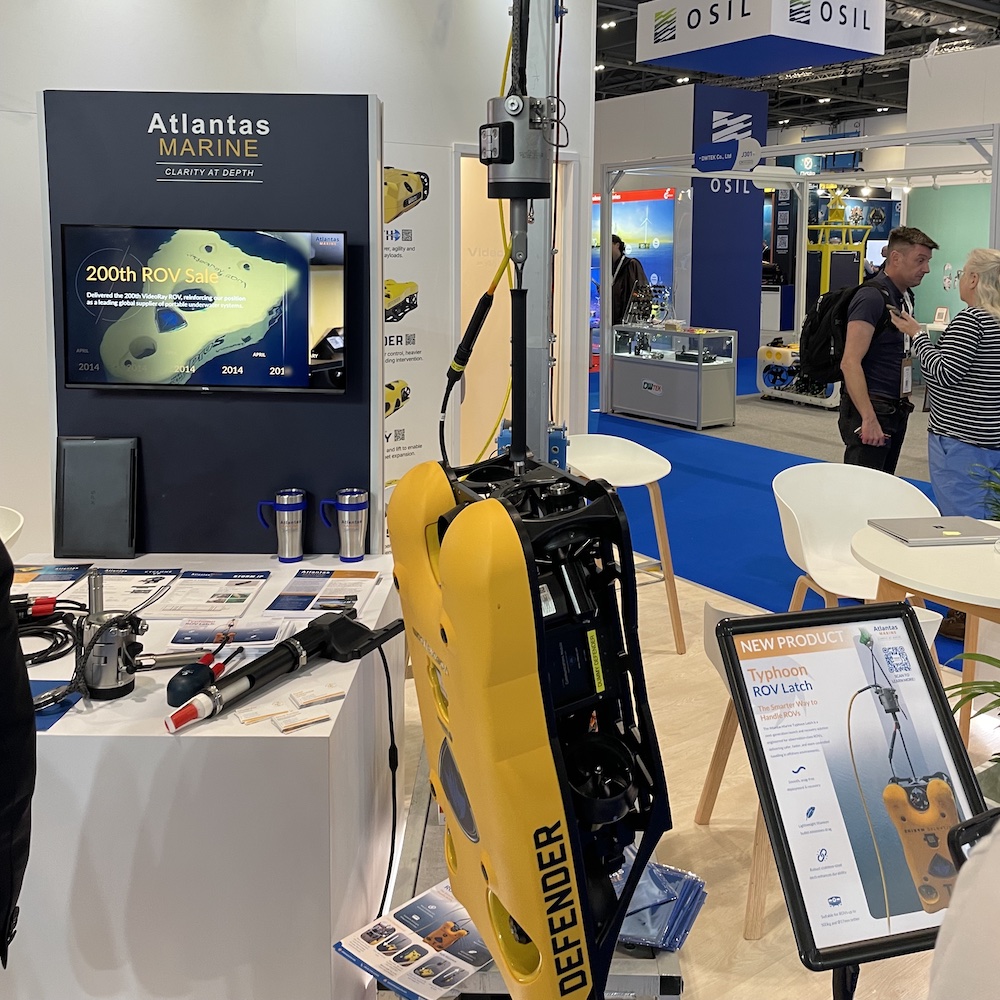
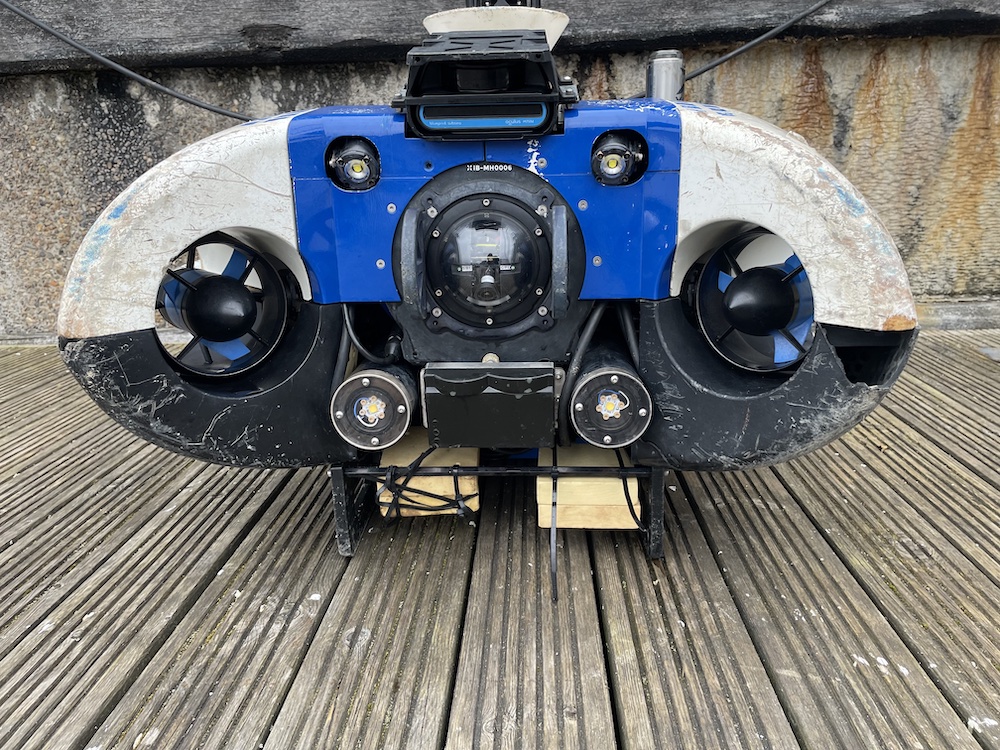
This flexibility was also reflected in Saab’s display of its ROV portfolio, including the Seaeye SR20 electric work-class ROV and electric manipulators. At the smaller end of the scale, CHASING and QYSEA both presented compact ROV platforms designed for inspection tasks.
AUV & Autonomous Underwater Systems
Autonomous Underwater Vehicles (AUVs) reflected a continued push toward compact, efficient systems capable of high-resolution mapping and inspection with reduced operational overhead.
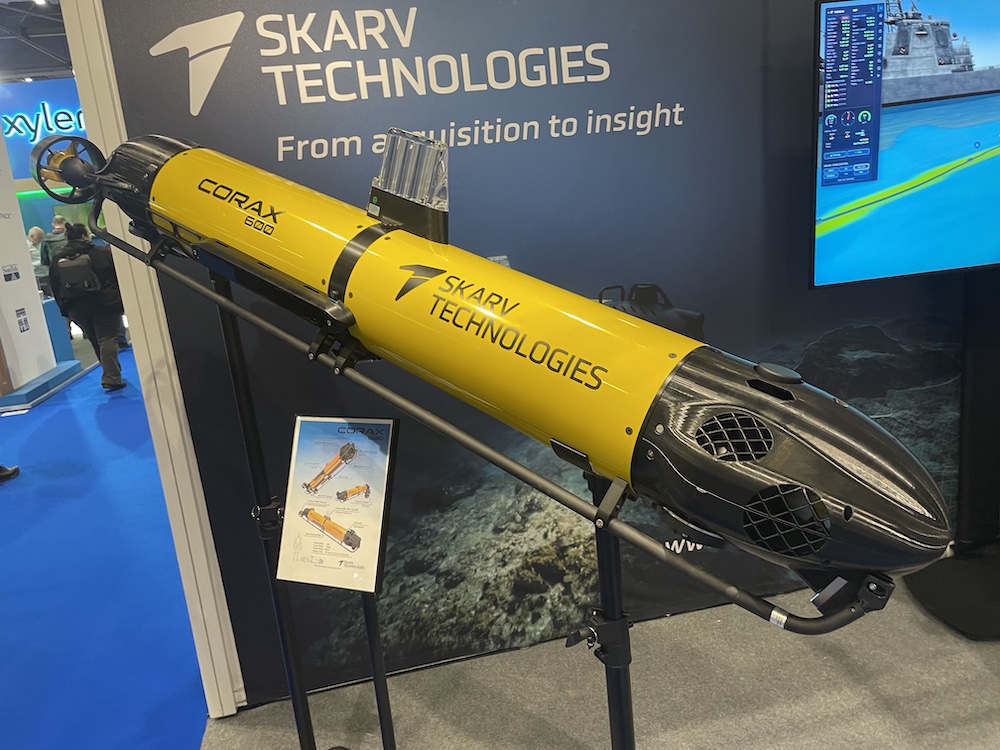
Scarv Technologies presented the new CORAX 600 AUV, a compact platform unveiled at Oi for close-range optical and acoustic seabed mapping, designed to be deployed and recovered by a minimal crew. This emphasis on efficiency and operational simplicity was echoed by BeeX, which demonstrated its A.IKANBILIS autonomous underwater drone performing inspection tasks in strong currents during dockside demonstrations.
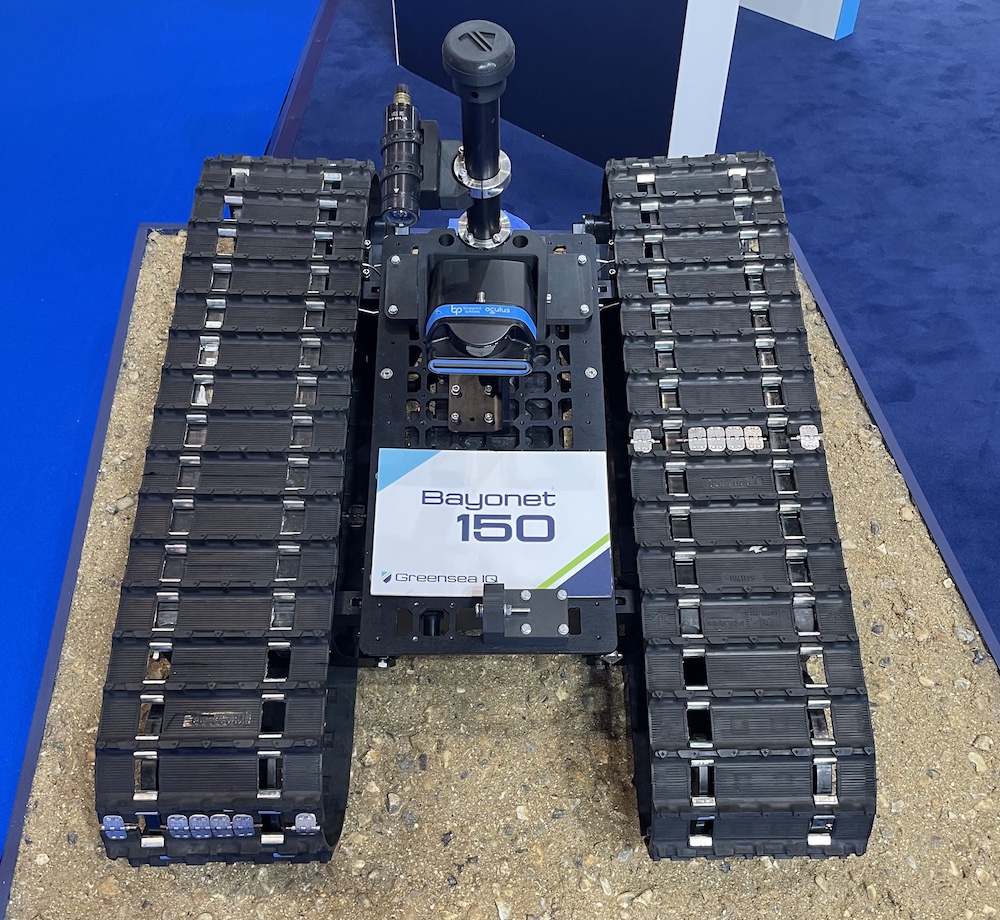
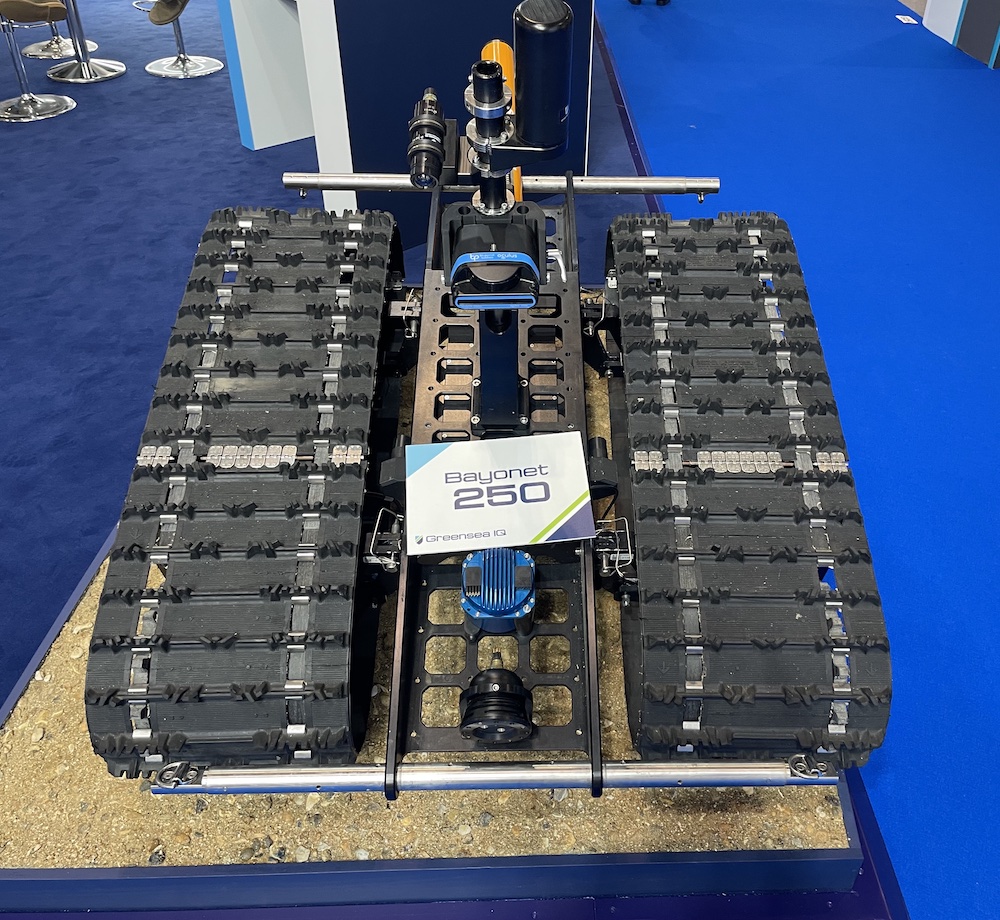
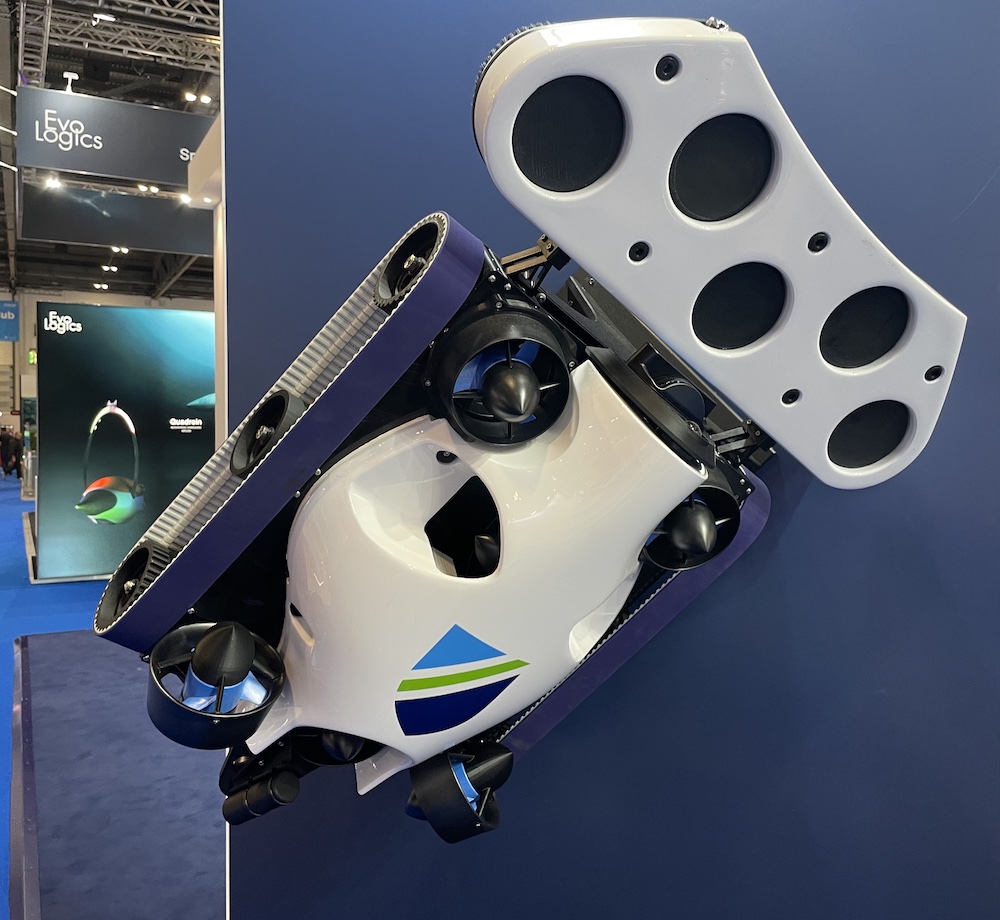
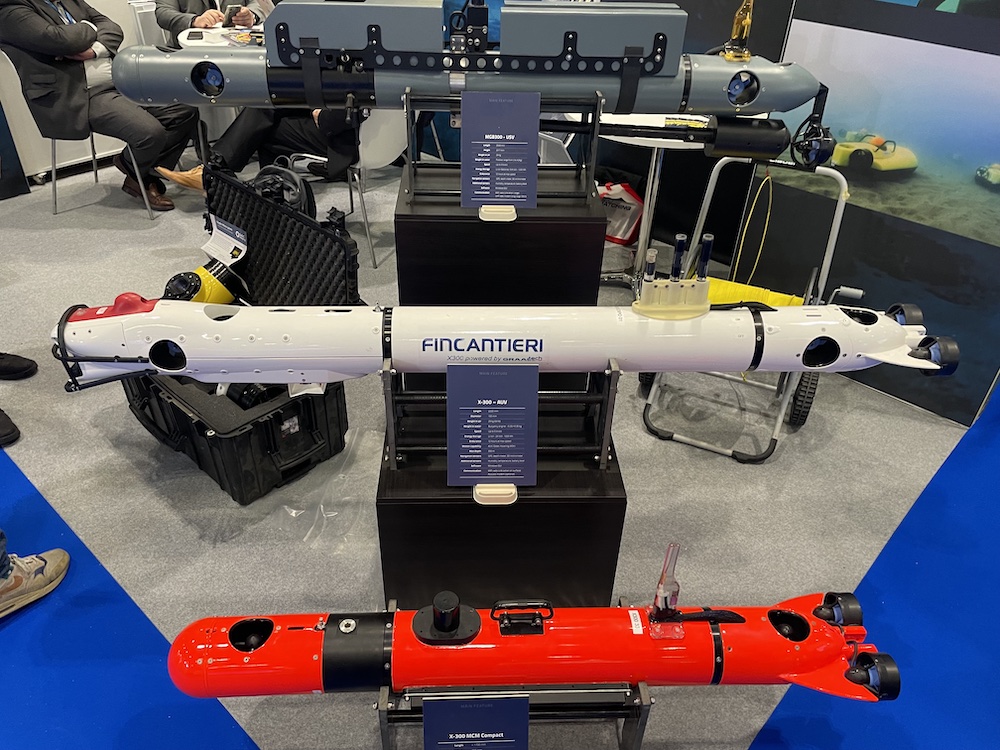
Alongside these systems, Graal Tech Srl showcased a range of customizable autonomous platforms designed to support varied subsea missions, while Greensea IQ presented its Bayonet AUGV family, including the Bayonet 150, Bayonet 250, and the EverClean hull cleaning robot, and introduced a training simulator aimed at improving operator readiness.
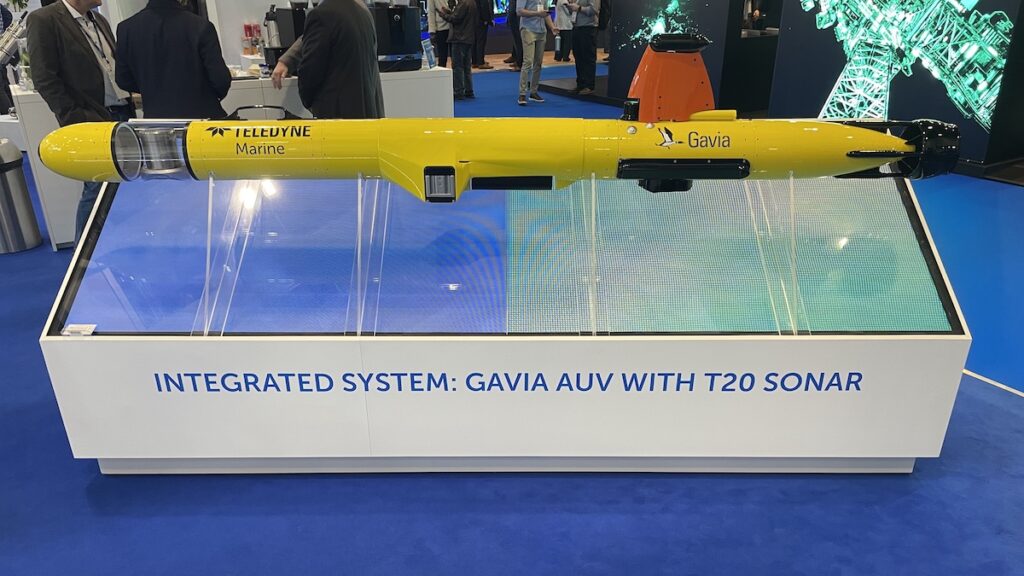
Teledyne Marine rounded out the category with a broader autonomous survey ecosystem, displaying a Gavia AUV equipped with SeaBat T20 multibeam sonar and the Compact Navigator, alongside the Slocum Sentinel glider, with the ongoing Sentinel Mission highlighting long-duration autonomous data collection.
Looking Ahead
Across the platforms on display, the direction of travel was clear. Systems are becoming more compact, more integrated, and increasingly capable of operating as part of coordinated, multi-platform workflows.
Whether through USVs working alongside AUVs, hybrid ROV concepts, or compact inspection systems designed for rapid deployment, the focus is shifting toward scalable operations that extend time in the water while maintaining data quality.
Coverage from Oceanology International 2026 will continue, with further interviews and deeper technical analysis of the platforms and systems featured here.