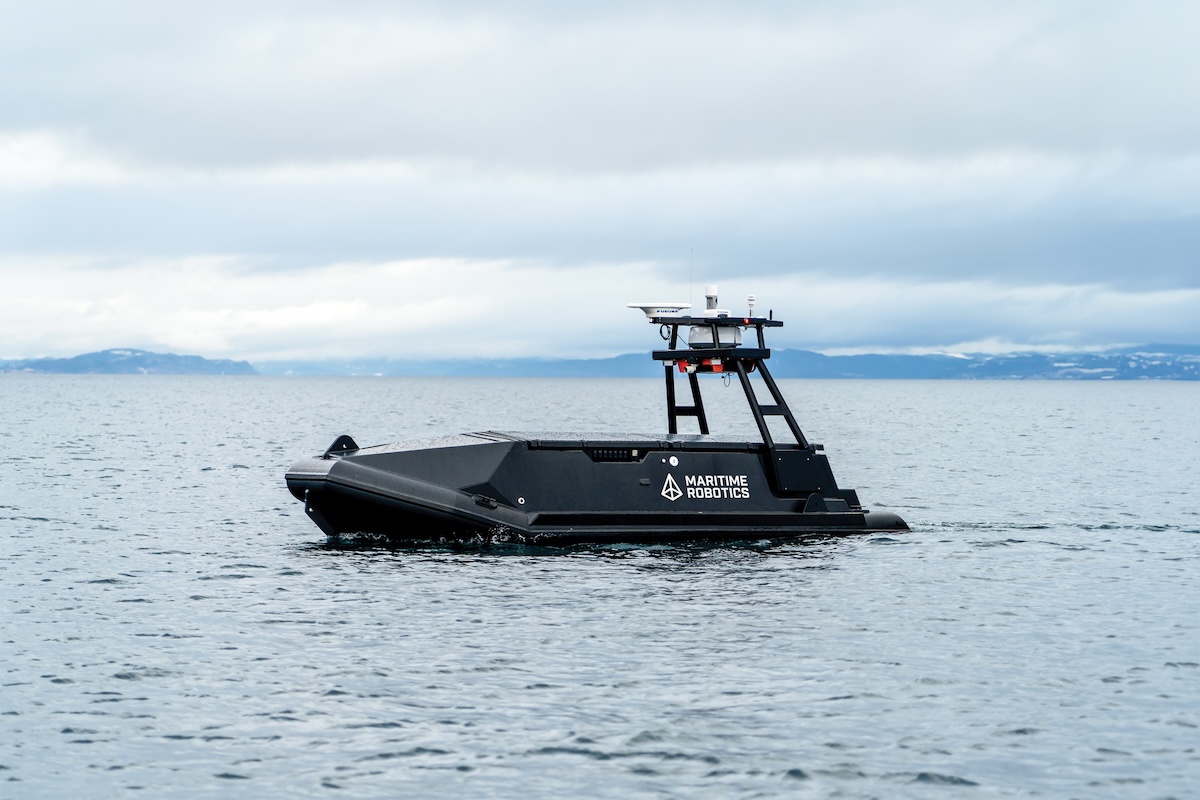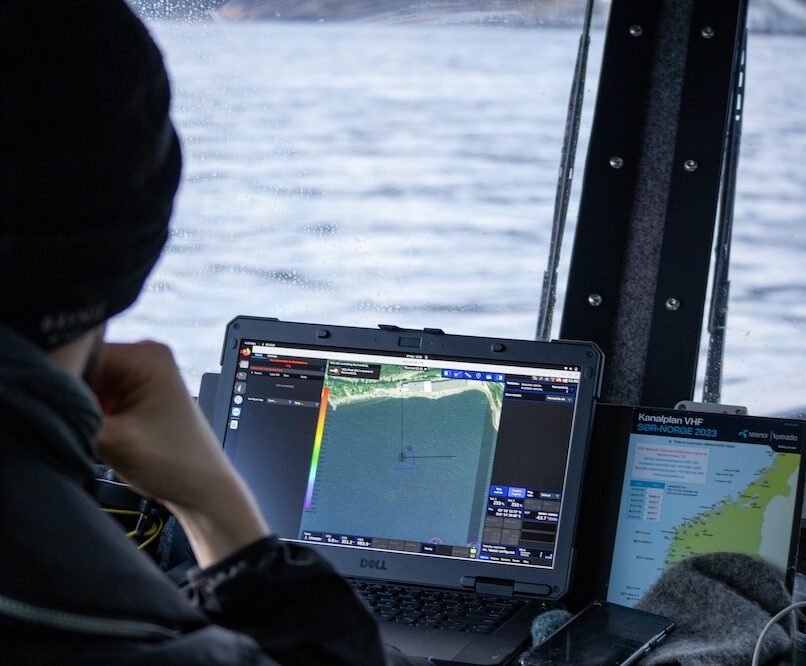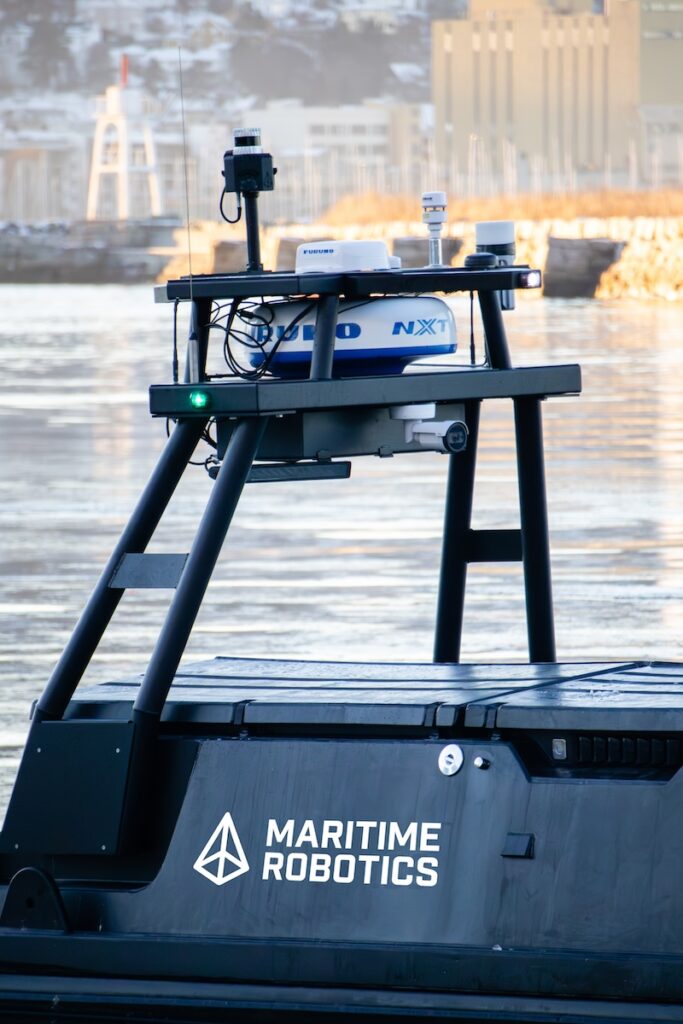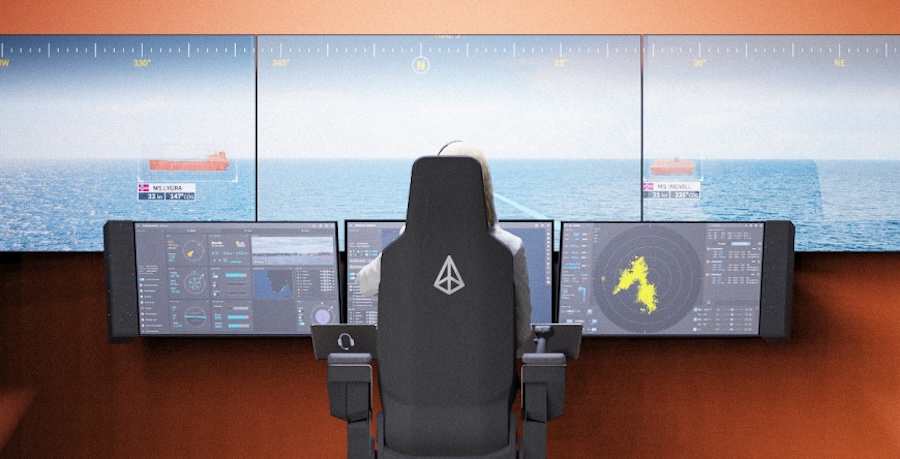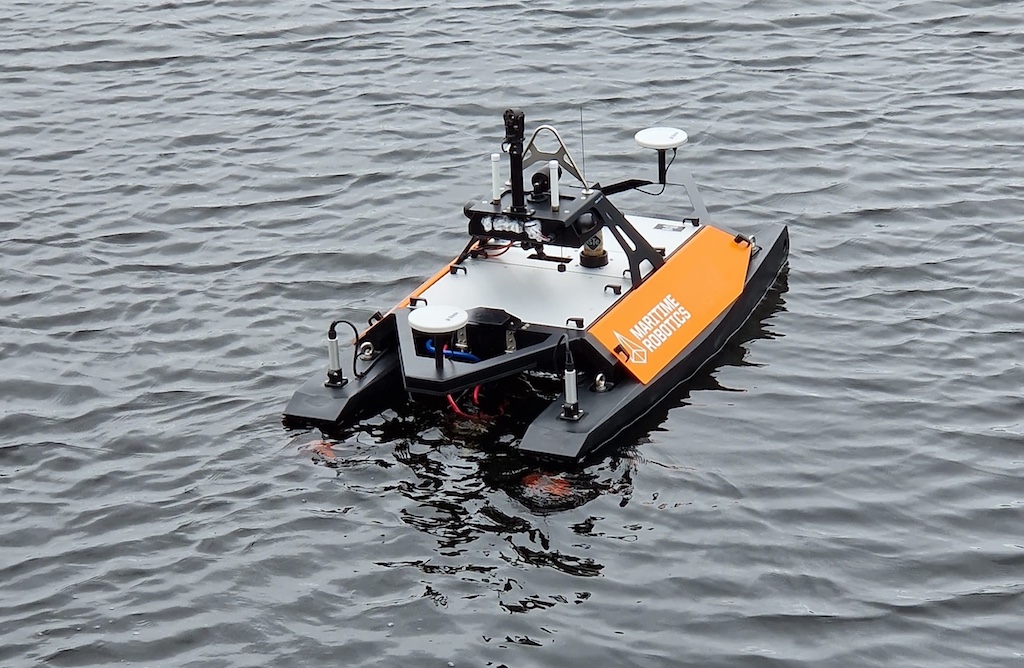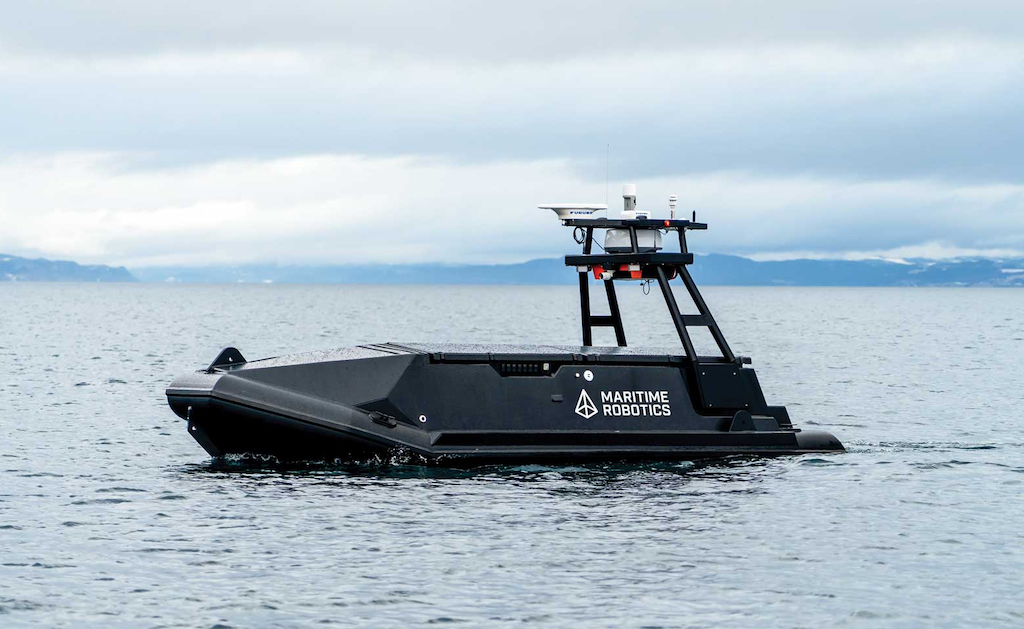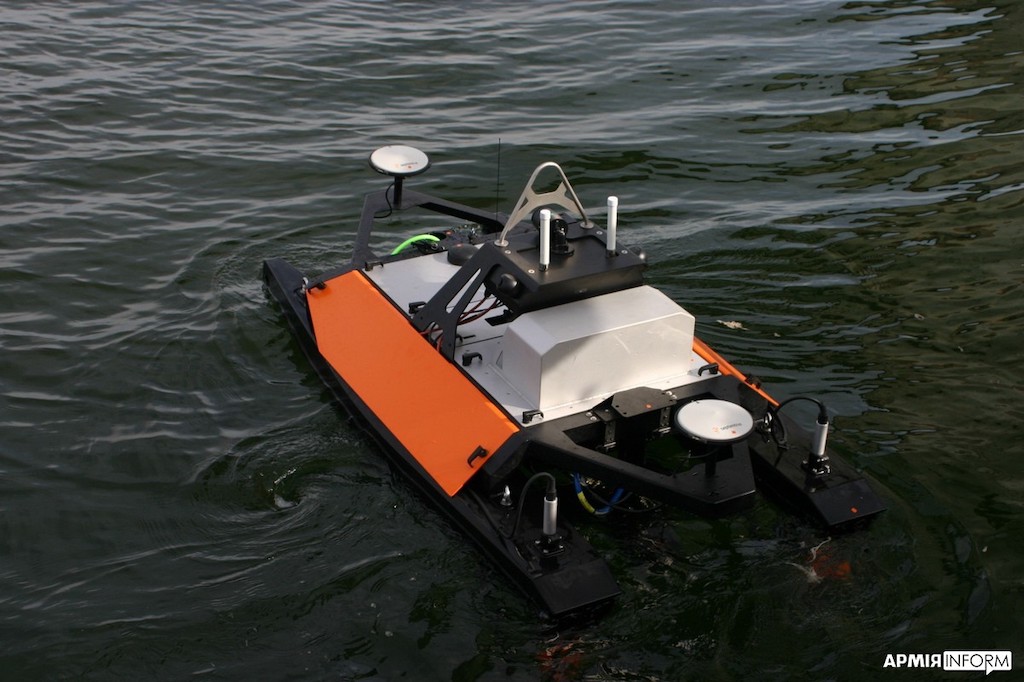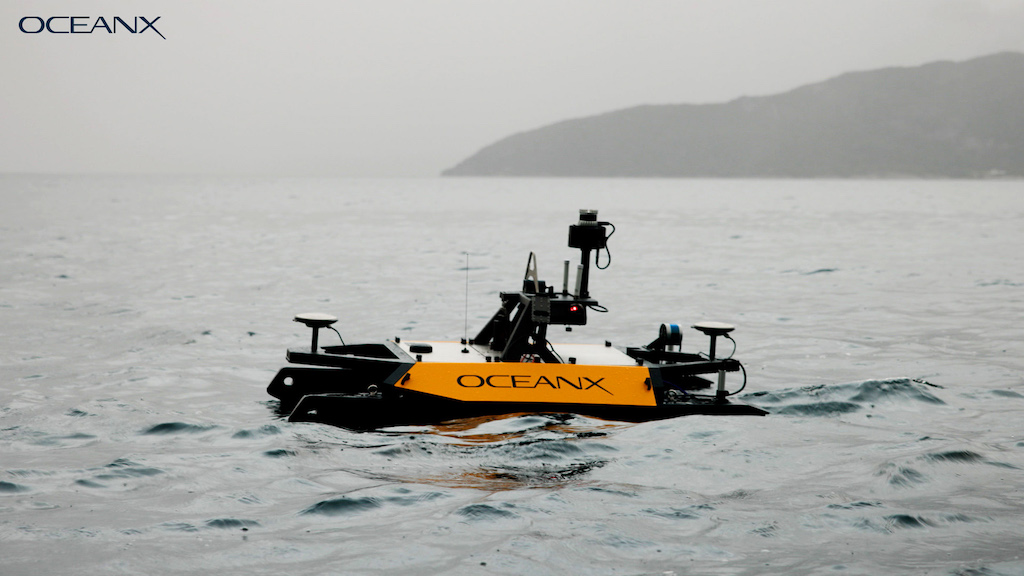


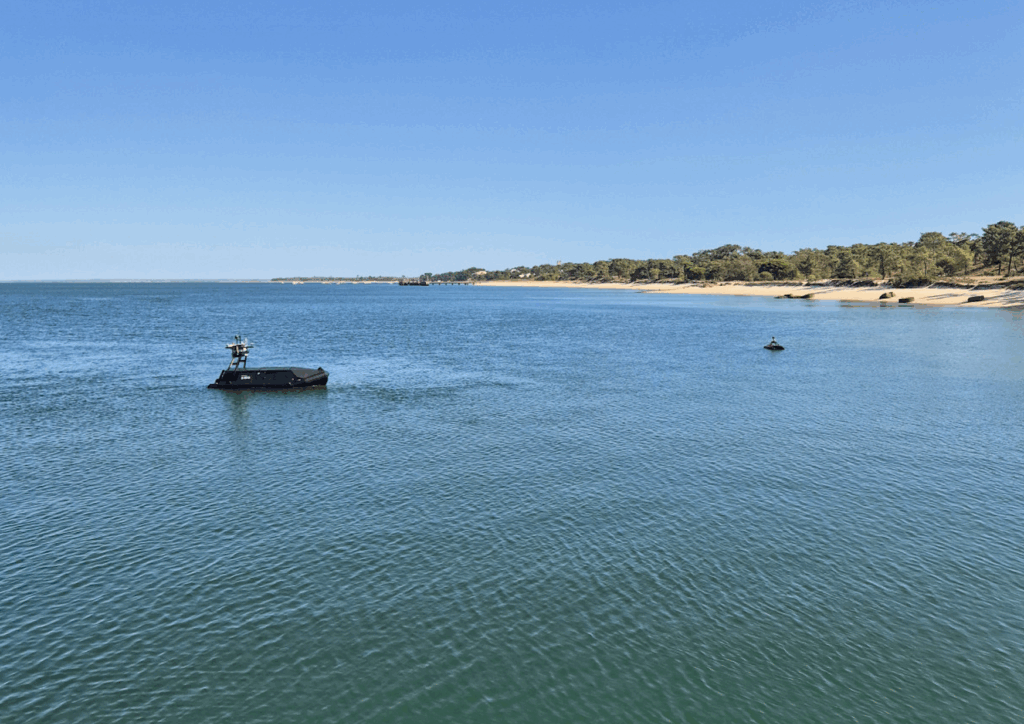
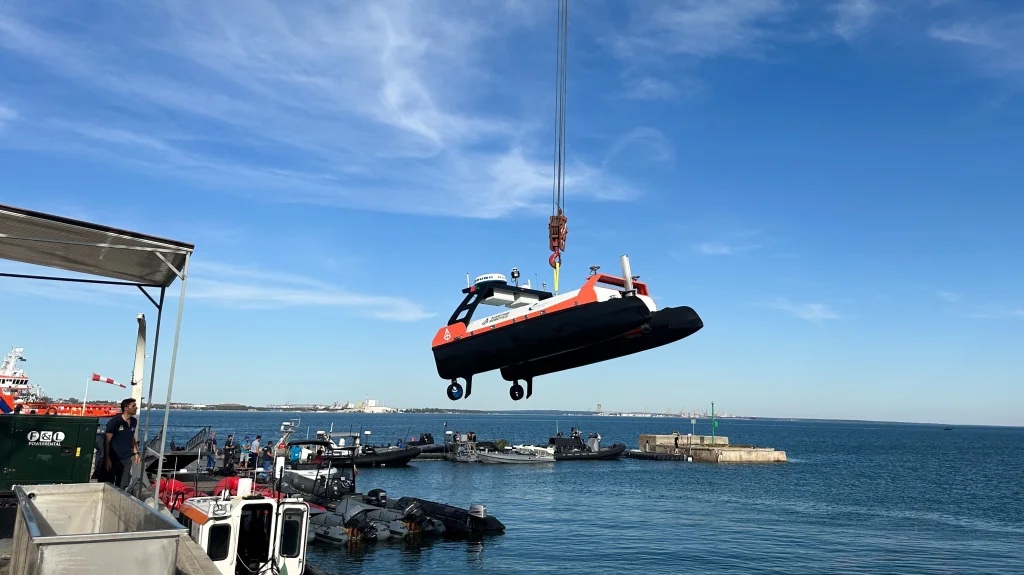
Maritime Robotics participated in NATO’s 2025 REPMUS and Dynamic Messenger (DYMS) exercises in Portugal to demonstrate its Unmanned Surface Vessels (USVs).
During the two-week exercise, Maritime Robotics’ platforms were deployed in a range of scenarios where sea drones can outperform crewed vessels in efficiency and risk reduction:
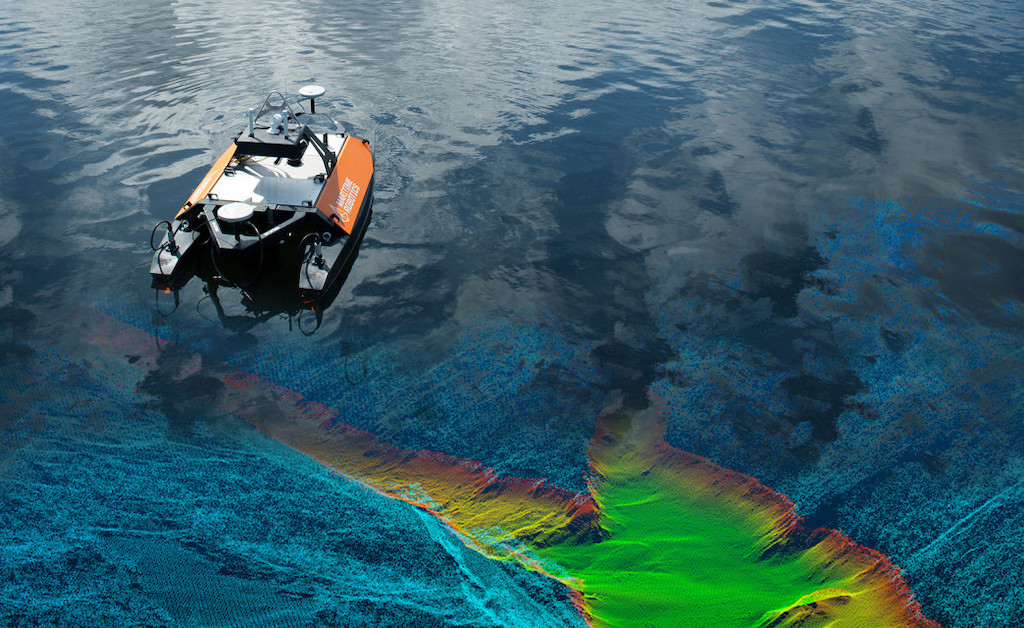
- Seabed mapping (Rapid Environmental Assessment – REA): Delivering high-resolution hydrographic data in complex waters, enabling faster navigation and mission planning while minimizing crew exposure.
- Critical infrastructure monitoring: Providing persistent surveillance of subsea cables, pipelines, and offshore installations to detect anomalies and protect vital assets.
- Mine Countermeasures (MCM): Reducing human risk by using sea drones for mine detection and clearance support while maintaining operational tempo.
- Anti-Submarine Warfare (CUxV/ASW): Towing acoustic arrays to track underwater threats, extending naval reach and safeguarding larger allied vessels.
- ROVEX (Towed ROV test): Deploying and supporting an ROV with the Otter sea drone, showcasing cost-efficient subsea inspection and intervention without large manned vessels.
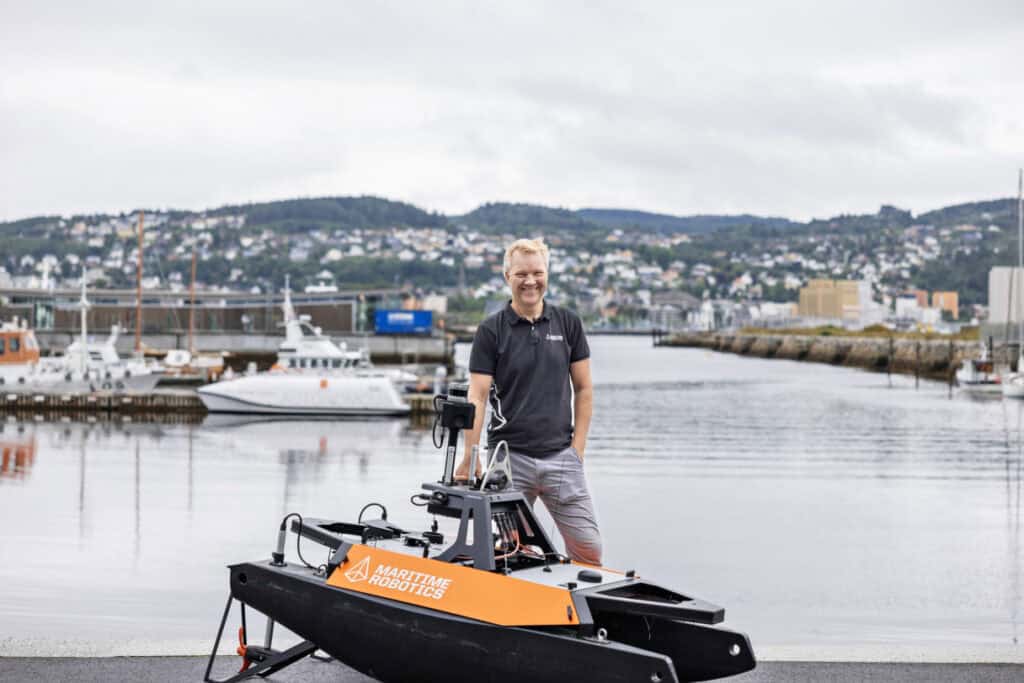
“Uncrewed systems are no longer experimental—they are essential,” said Håvar Øie, Senior Sales Director Defence & Security at Maritime Robotics.
Håvar Øie added, “Exercises like REPMUS prove how sea drones can deliver persistent surveillance, rapid response, and long-endurance missions that traditional vessels alone cannot achieve.”
For Norway and NATO, the exercise highlighted a step toward more resilient and scalable defense capabilities. For Maritime Robotics, it reinforced the company’s position as a trusted supplier of maritime autonomy, delivering technology that supports today’s missions while shaping the naval operations of tomorrow.