
Showcase your capabilities
If you design, build or supply GNSS/INS, create a profile to showcase your capabilities and connect with visitors who have an active requirement for your solutions.


GNSS/INS systems combine satellite-based positioning with inertial navigation to provide continuous position, orientation, heading, and velocity data for marine platforms. These systems are used across ships, USVs, AUVs, ROVs, hydrographic surveys, offshore assets, and port infrastructure.
This page showcases suppliers of marine GNSS/INS systems supporting navigation, georeferencing, station keeping, docking, and autonomous control.
Read the Technology Overview
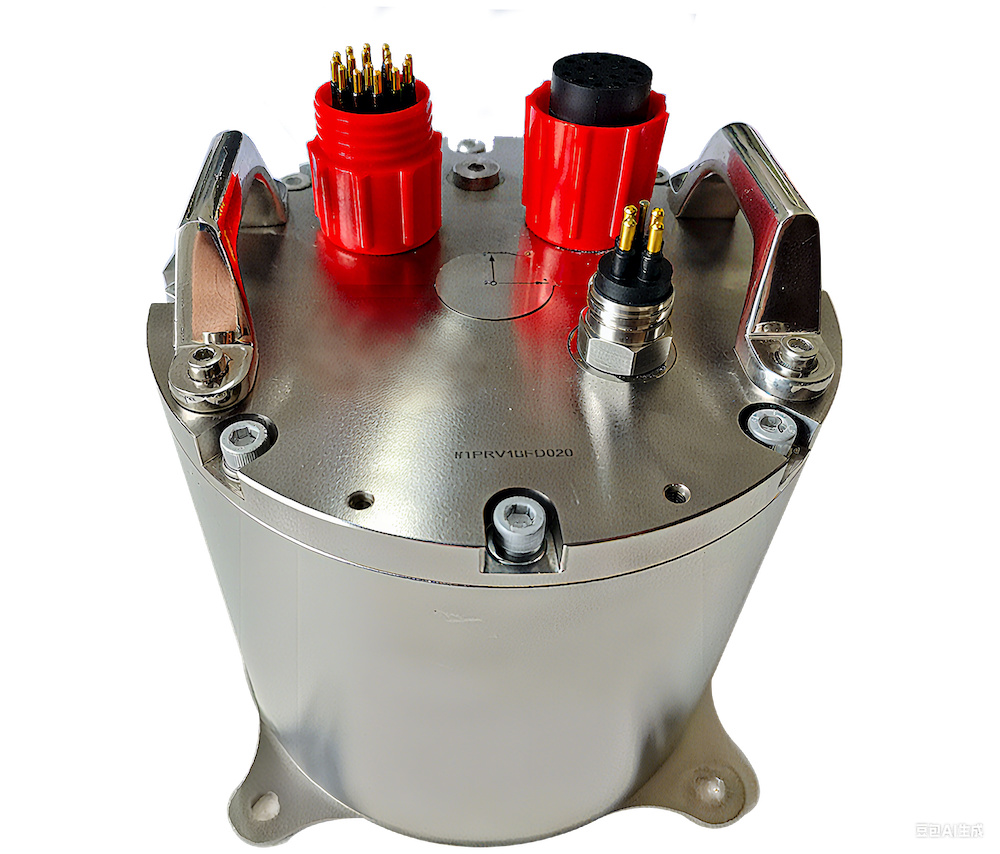
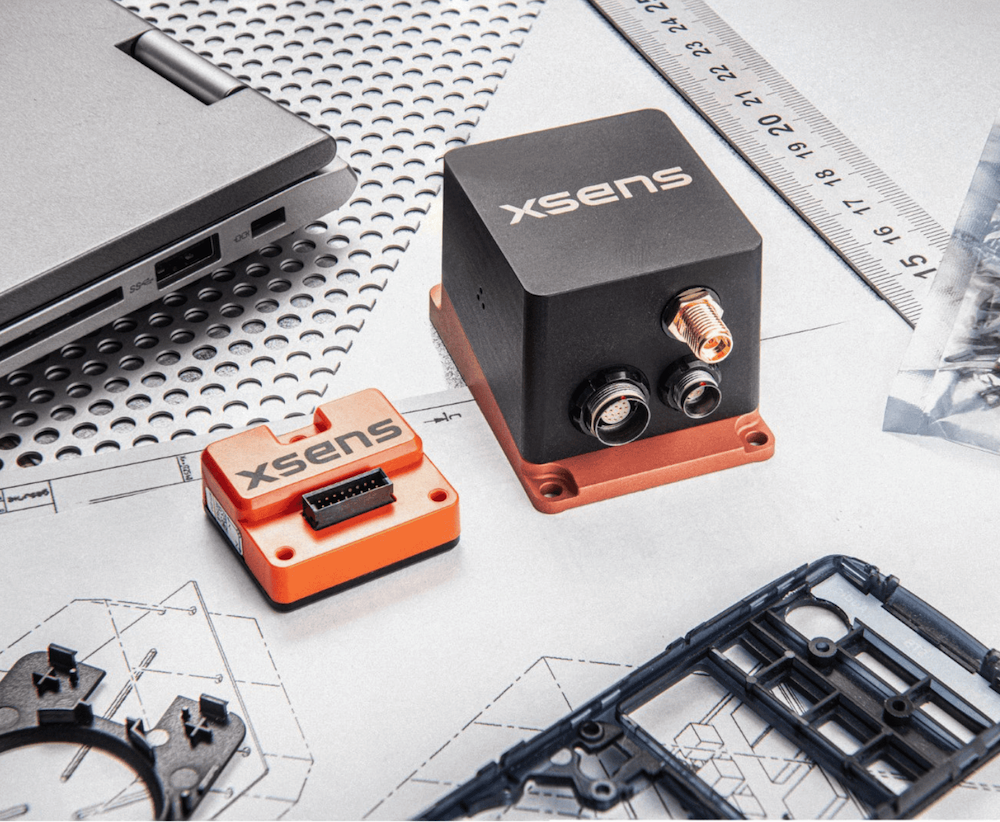
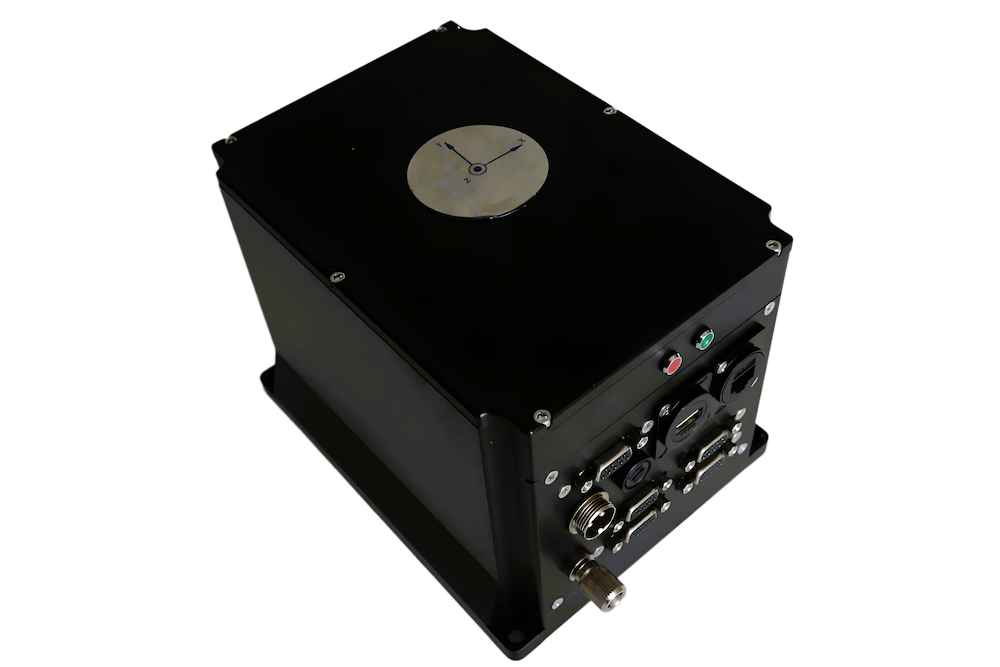
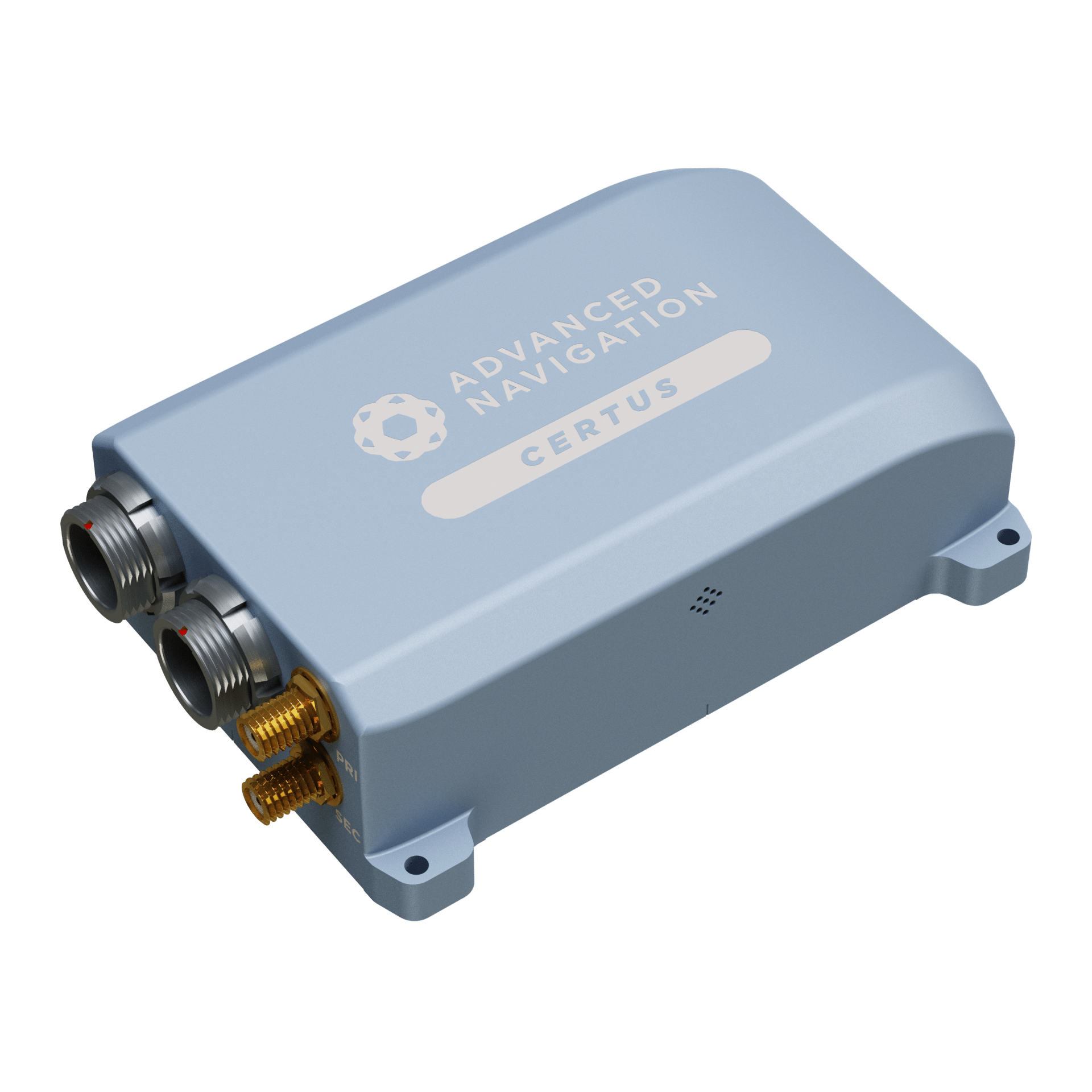
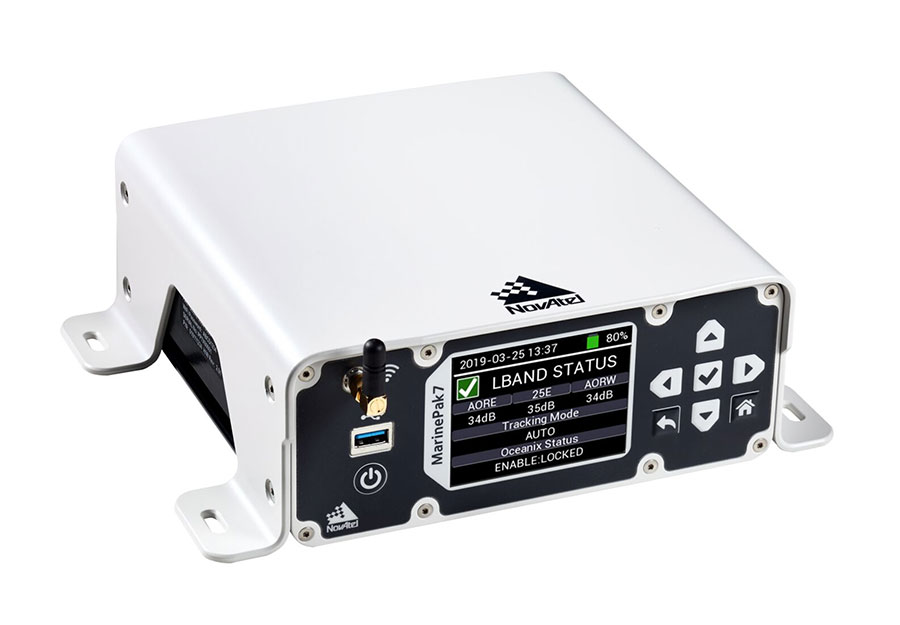
Precise GNSS & GPS Positioning Solutions for the Toughest Marine & Maritime Environments

Advanced Inertial Navigation, Motion & Positioning Solutions for Marine Applications

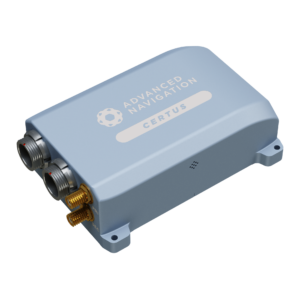
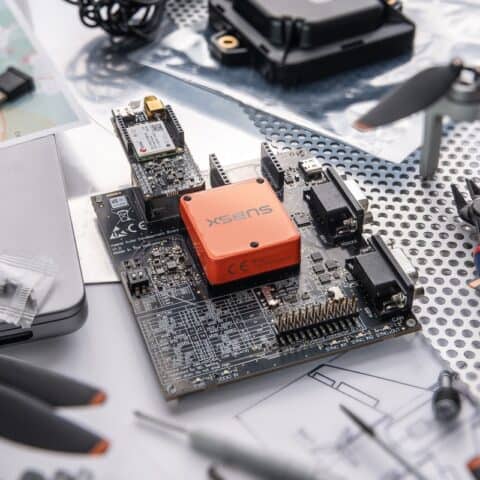
High-Accuracy Inertial Sensors & Acoustic Positioning Systems for Marine, Maritime & Offshore Applications

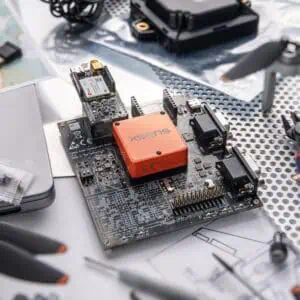
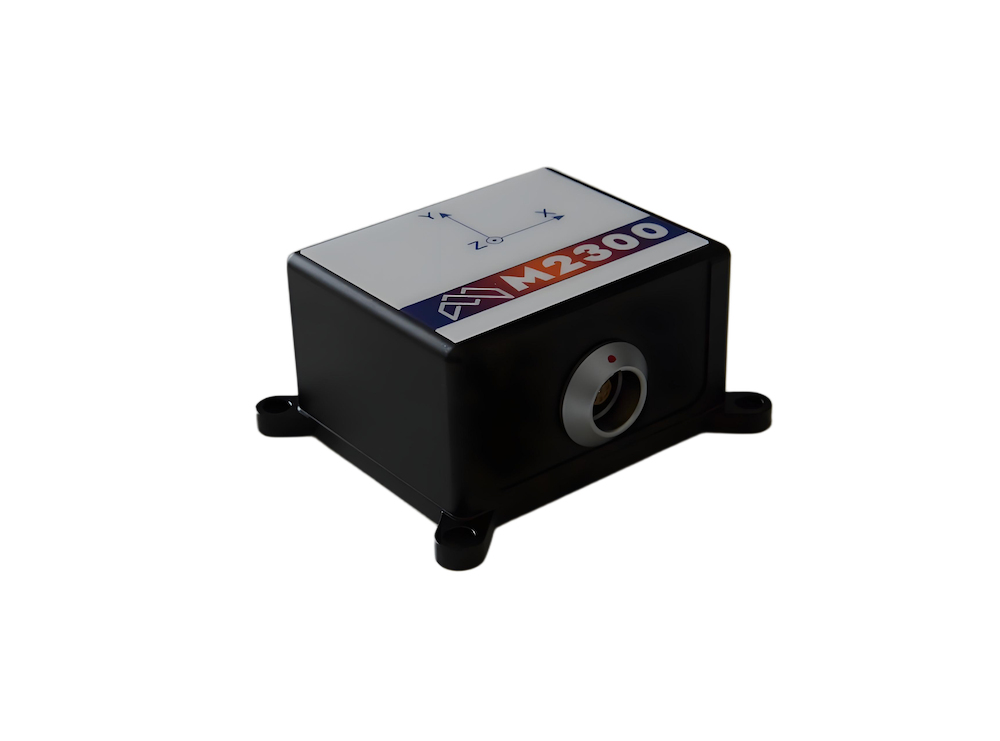
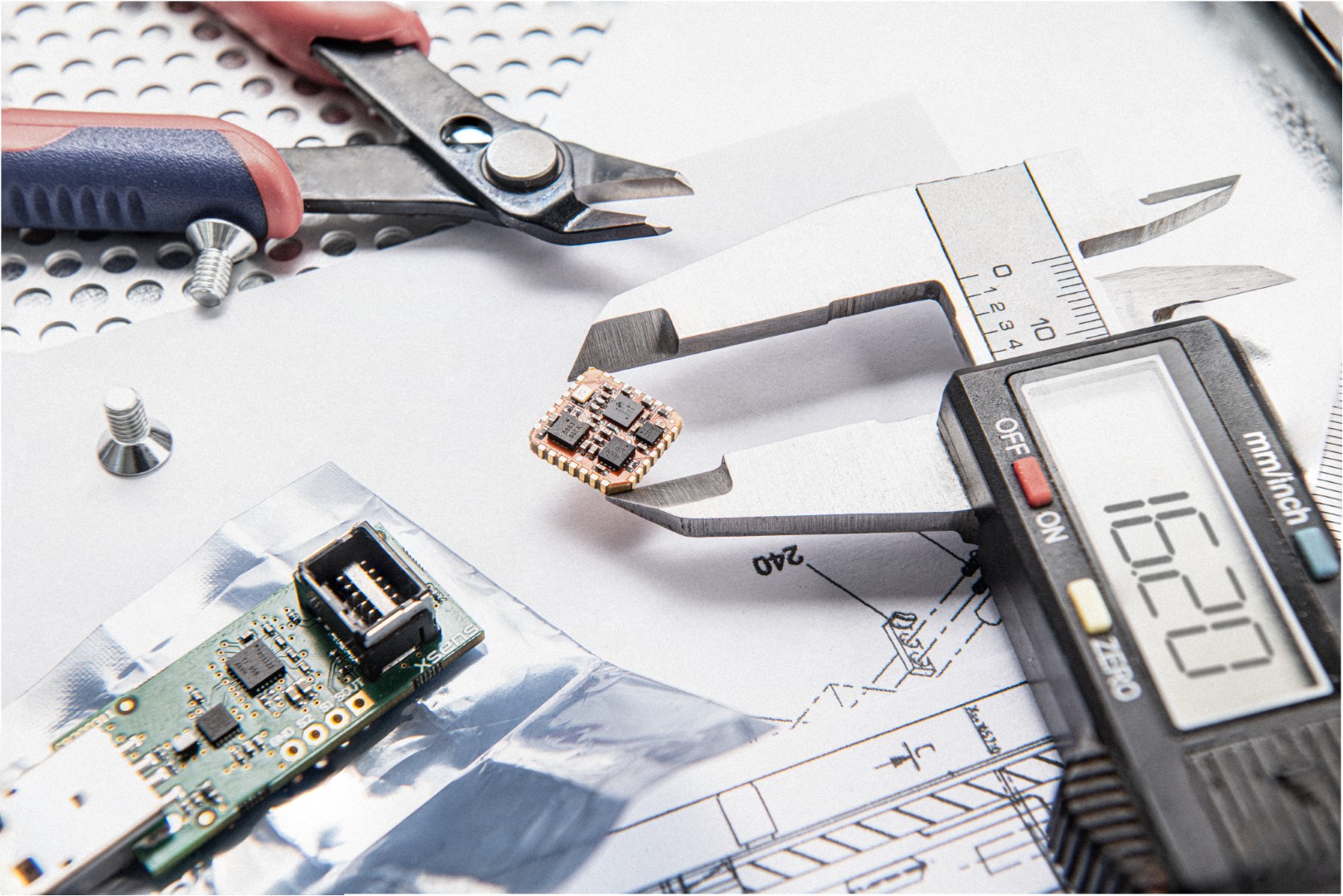
High-Performance Compact Inertial Sensing Modules for Marine & Subsea Applications

If you design, build or supply GNSS/INS, create a profile to showcase your capabilities and connect with visitors who have an active requirement for your solutions.

GNSS/INS – also known as GPS/INS technologies provide precise positioning and navigation for marine and maritime vessels, enhancing safety, efficiency, and autonomy across diverse operational environments. Integrated Global Navigation Satellite System (GNSS) and Inertial Navigation System (INS) solutions are increasingly critical to operations where accurate geospatial awareness is essential, even in GNSS-denied environments such as underwater or near complex coastal infrastructure.
These systems combine the global precision of satellite navigation with the local accuracy of inertial sensors. This fusion ensures reliable real-time data on position, orientation, and velocity for crewed and uncrewed platforms operating on or below the ocean surface. These systems support everything from seabed mapping to autonomous docking and are vital for enabling intelligent marine operations in both commercial and defense settings.
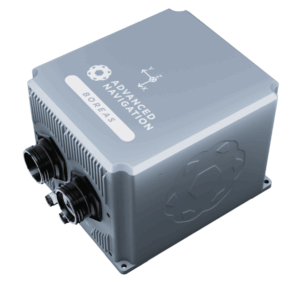
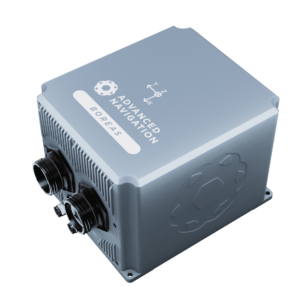
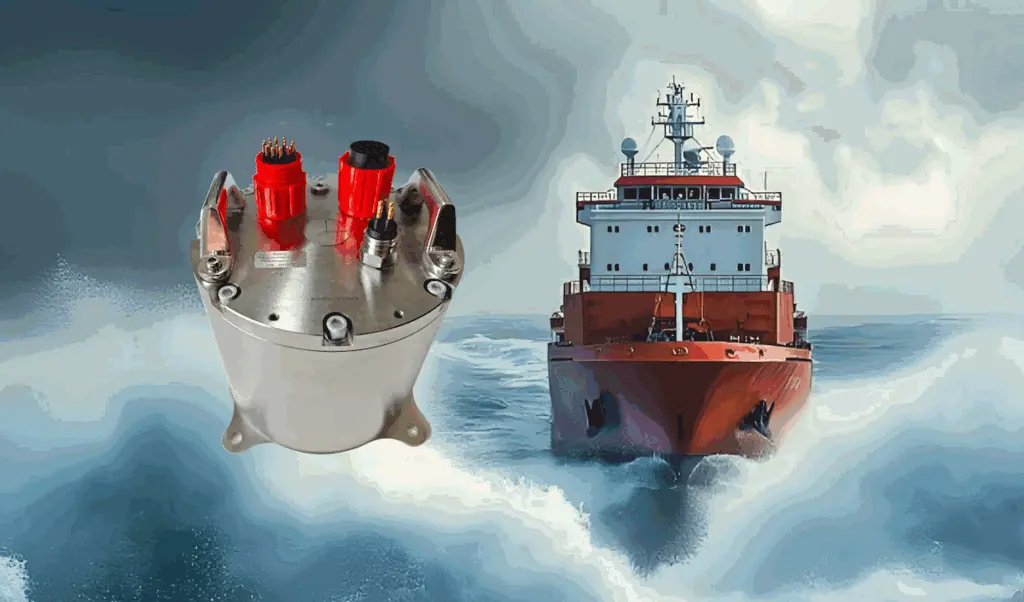
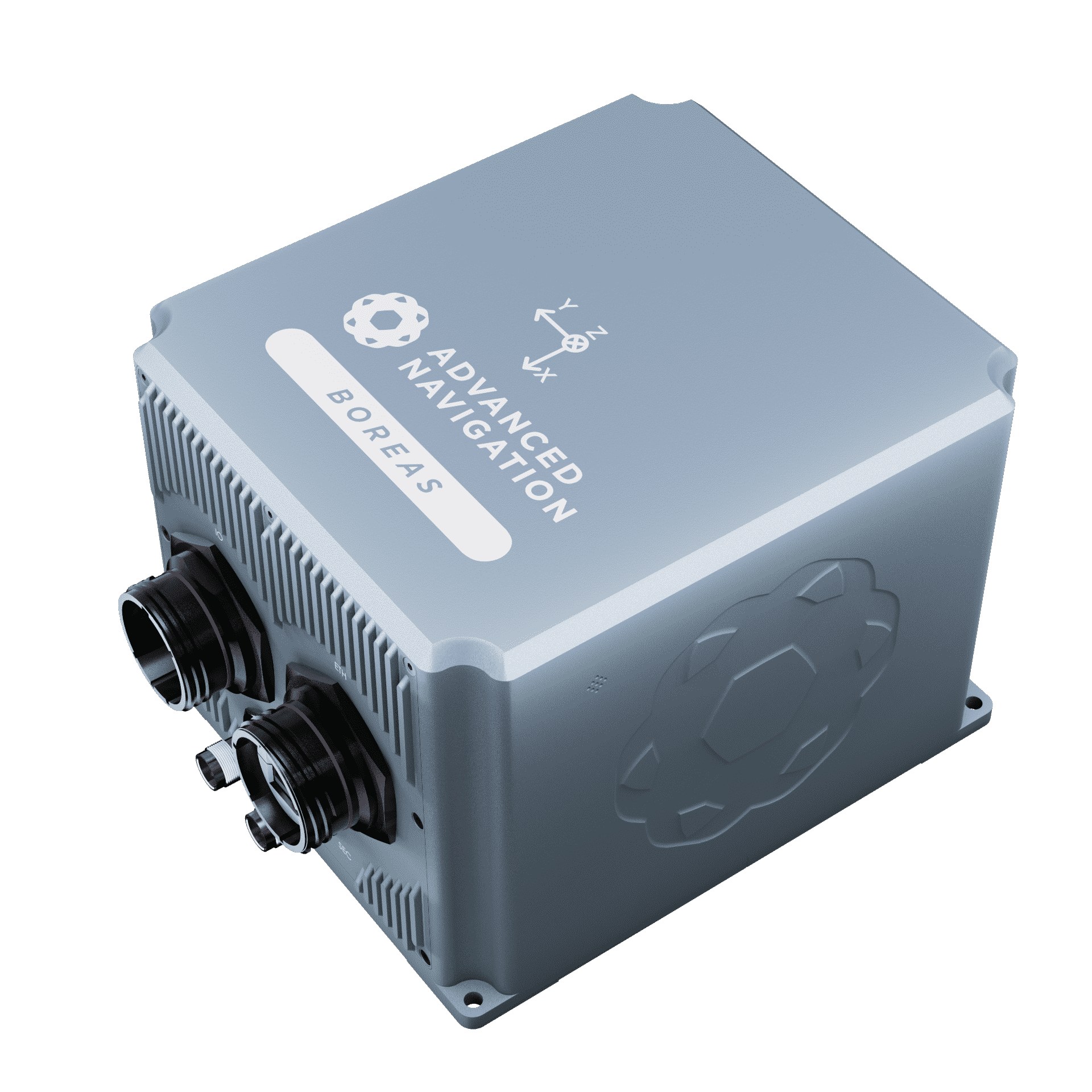
Boreas D90 digital FOG GNSS-INS by Advanced Navigation
GNSS/INS systems are used in many marine applications, providing high-precision navigation and orientation data for vessels and platforms operating in complex or dynamic settings. Typical use cases include:
Survey-grade GNSS/INS systems are used in multibeam and single-beam echo sounder operations, providing accurate georeferenced depth data for seabed characterization, dredging, and infrastructure planning.
ROVs conducting cable inspection, maintenance, or salvage rely on tightly coupled GNSS/INS data relayed from surface vessels to maintain position and execute controlled movements.
AUVs use embedded inertial systems and occasional GNSS fixes at the surface or via acoustic modems to navigate complex missions in GNSS-denied underwater environments.
Enables autonomous waypoint navigation, station keeping, and dynamic avoidance for USVs used in survey, security, and environmental monitoring.
Large ships use integrated navigation systems for safe routing, docking, and collision avoidance in congested or low-visibility conditions.
Accurate INS-corrected positioning enhances dredge head tracking, sediment management, and alignment of port infrastructure.
Aids in the stabilization and tracking of floating platforms, cranes, and sensor arrays used in offshore oil and gas, wind, and marine energy installations.
Many operations use GNSS/INS in combination with Automatic Identification Systems (AIS), vessel traffic services (VTS), and sonar for comprehensive maritime domain awareness.
Enables autonomous waypoint navigation, station keeping, and dynamic avoidance for USVs used in survey, security, and environmental monitoring.
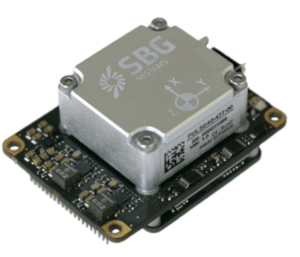
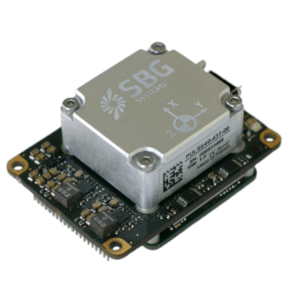
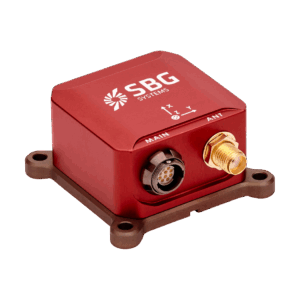
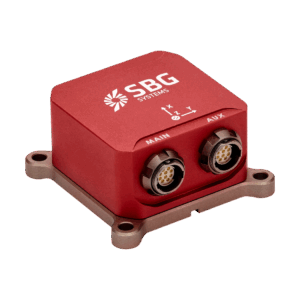
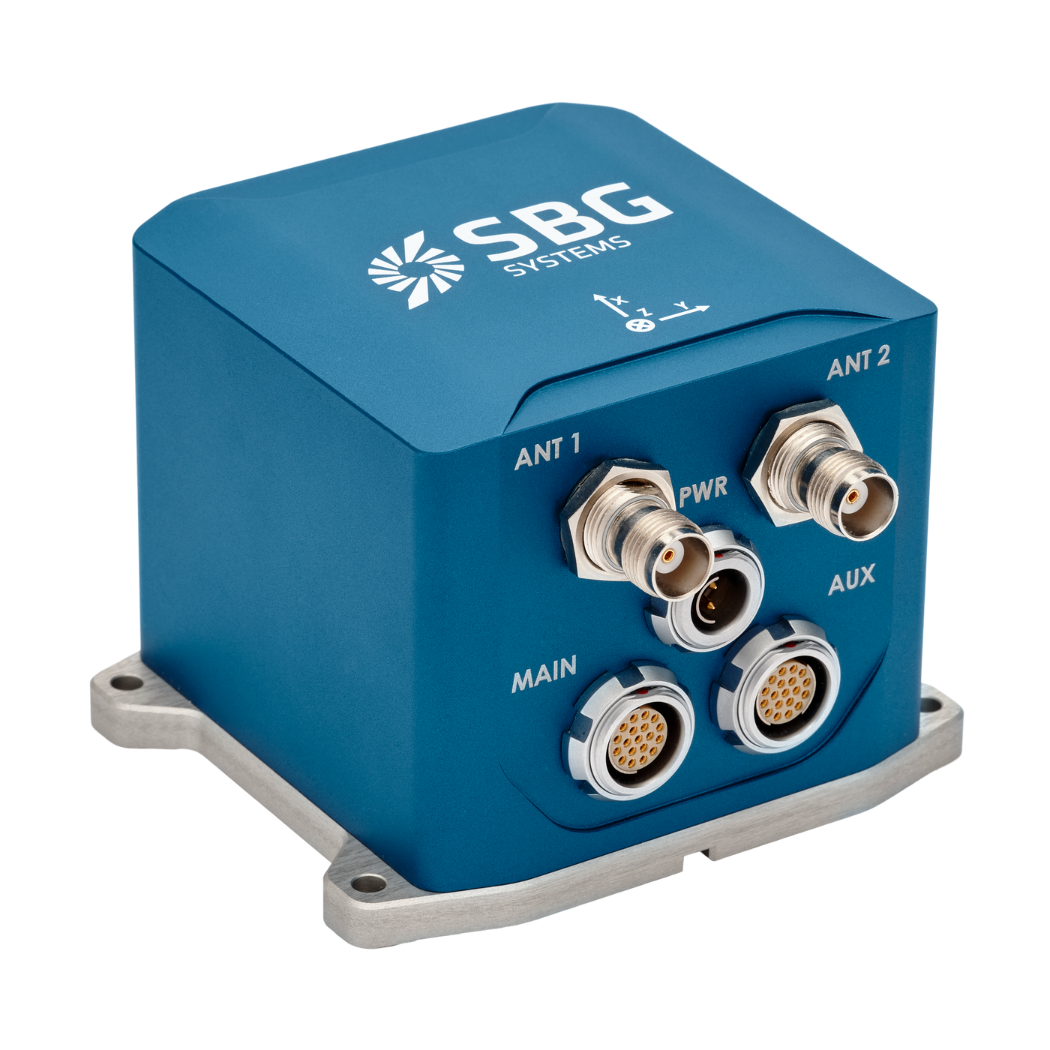
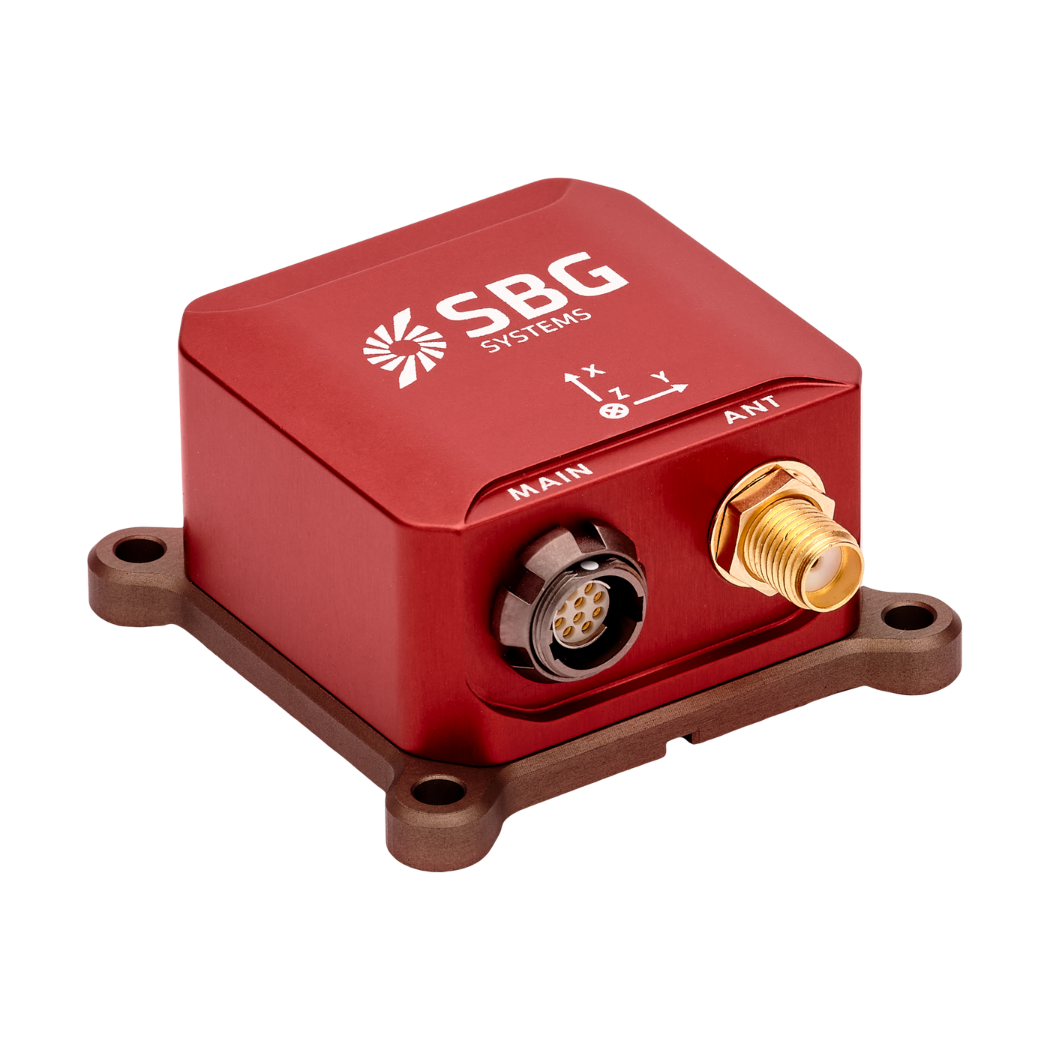
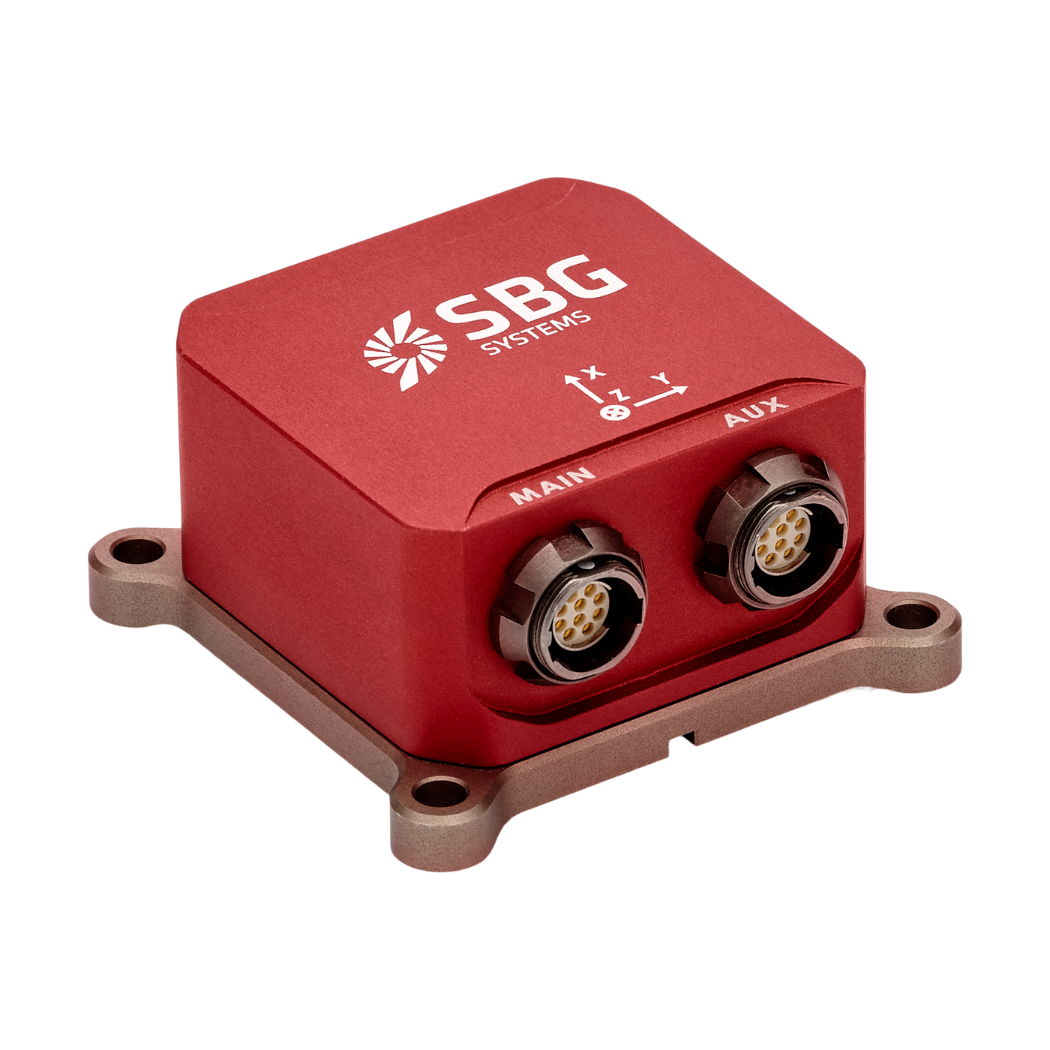
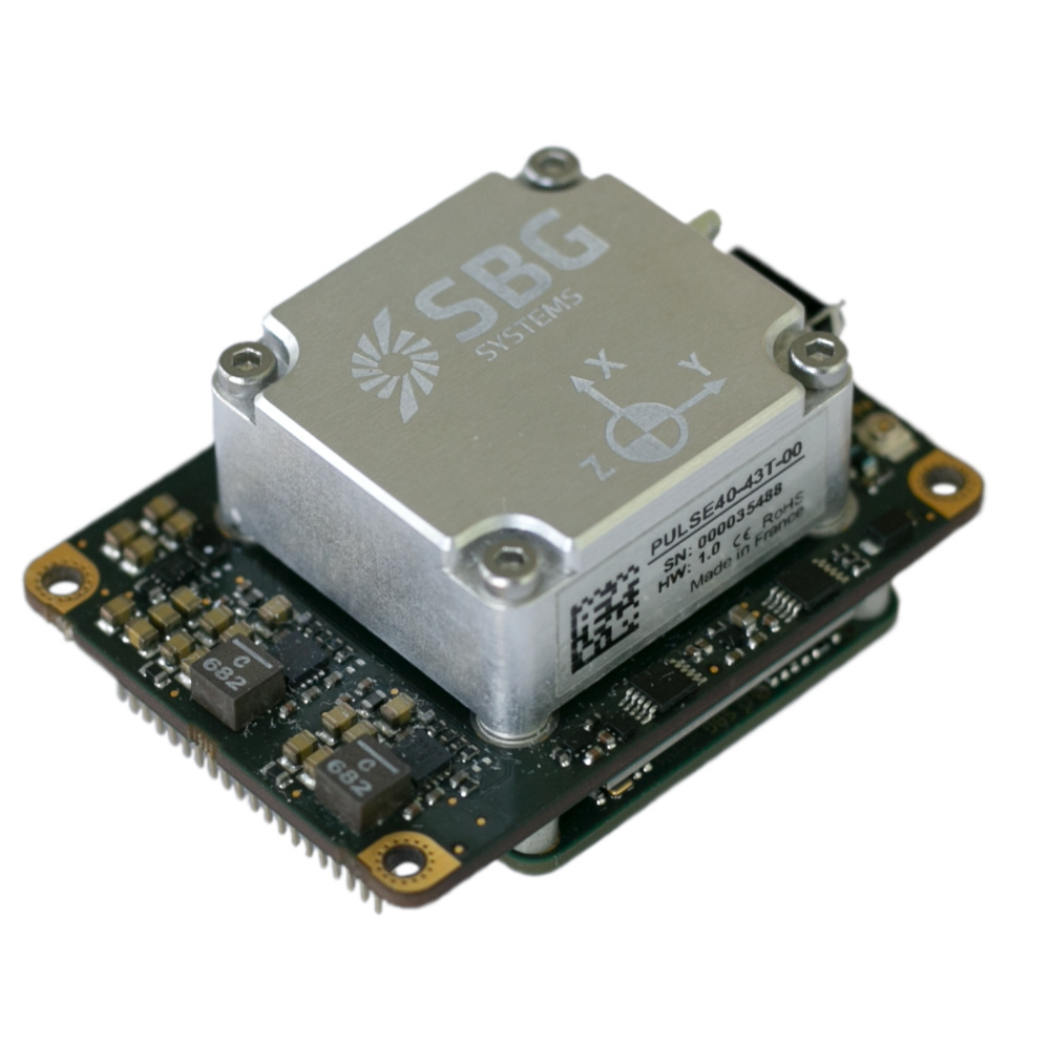
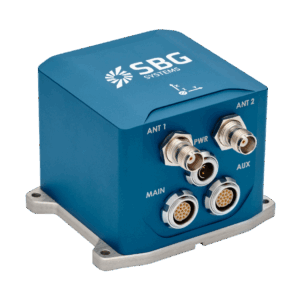
Compact high-performance GNSS/INS by SBG Systems.
Tactical-Grade IMU-Based INS: Systems built around tactical-grade MEMS or compact FOG sensors. These balance accuracy with low power and small form factor, making them common in USVs, small AUVs, and portable survey equipment.
Coupling architectures define how data integration is managed:
System performance is evaluated across several key dimensions:
High-end systems may also include anti-spoofing, interference mitigation, and redundancy through multiple GNSS constellations or auxiliary sensors.
GNSS/INS solutions used in maritime environments often conform to international and defense standards. These include:
Adherence ensures system interoperability, mission assurance, and safety of navigation in international waters.
Modern GNSS/INS systems are increasingly integrated with other vessel subsystems for real-time data exchange, control, and monitoring. Examples include:
Interoperability is enhanced by standardized data buses (e.g., CAN, Ethernet), software APIs, and modular hardware architectures.
As maritime operations become more autonomous and data-driven, GNSS/INS technologies are evolving to meet higher expectations for accuracy, resilience, and integration:
Continued advancement in GNSS/INS is essential for expanding maritime autonomy, safety, and situational awareness across global ocean domains.
 Searching Companies & Products