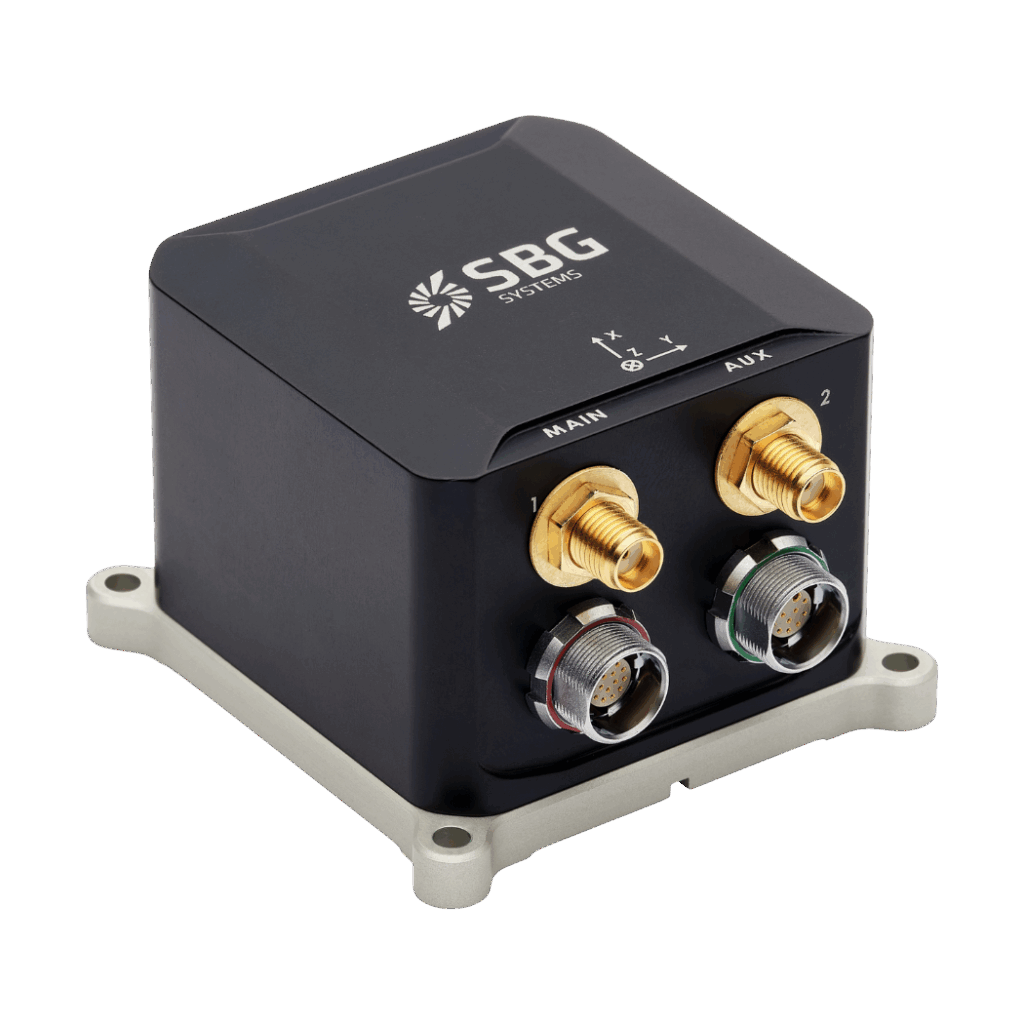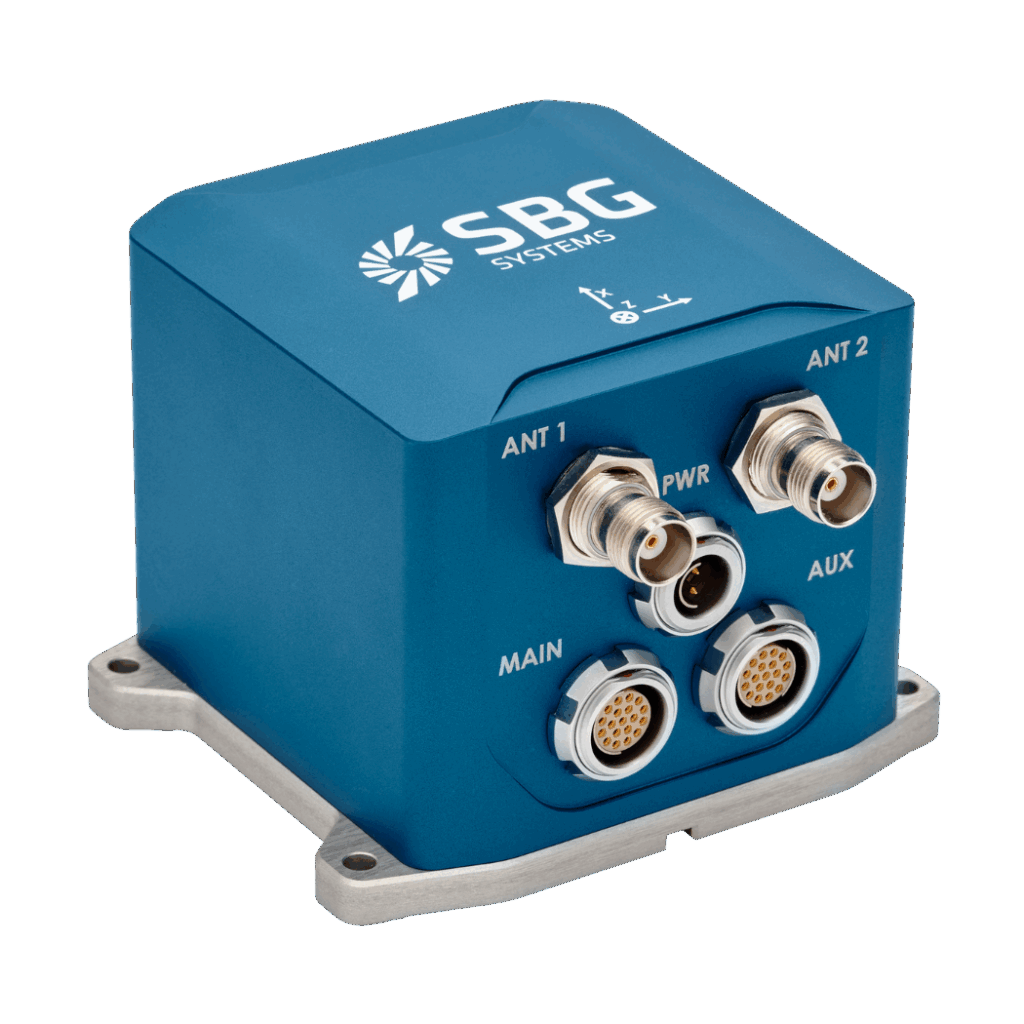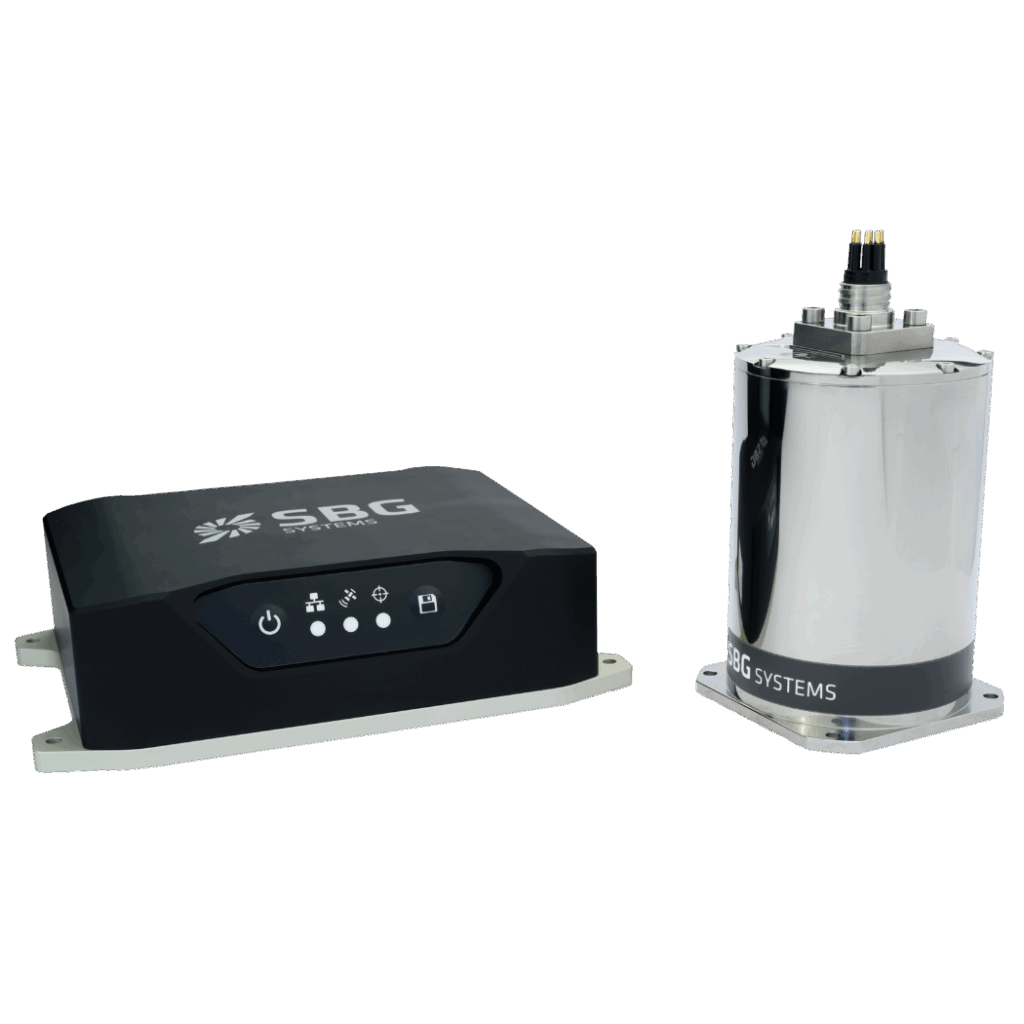

As GNSS signals become increasingly vulnerable to jamming and spoofing, the focus in airborne navigation has shifted from how well systems perform in ideal conditions to how they operate when GNSS is unavailable. SBG Systems tackles this challenge head-on by providing detailed, real-world performance evaluations of their Inertial Navigation Systems (INS) in GNSS-denied environments. Read more >>
SBG Systems has chosen to approach performance testing in a way that avoids the typical “cherry-picked” results often seen in marketing demonstrations. Instead of presenting a single, ideal result, their reports are based on repeated, statistically meaningful tests. These evaluations give a comprehensive view of how their systems perform during GNSS outages, offering far more insight into real-world performance than a one-off test could provide. The goal is to equip customers with the information they need to make informed decisions based on how the systems will behave in the field.
When interpreting a GNSS-denied test report, it is essential to focus on several factors. Trajectory analysis, outage duration, and environmental conditions are key components that can greatly influence system performance. For instance, factors like temperature changes, vibration, and airflow stability all affect how an INS behaves in a GNSS-denied environment. Relying on a single error figure, particularly from a short outage or ideal conditions, can mislead decision-making.
SBG Systems is committed to transparency, offering full access to their rigorous testing data. Their reports are not intended to present an idealized version of performance but to show how their INS products behave under the actual conditions their customers face. By providing these detailed, realistic performance assessments, SBG Systems ensures that users can confidently select the most suitable INS solution for their specific GNSS-denied applications.
For further details, read the full Airborne Test Report.