
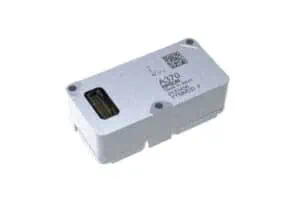

Showcase your capabilities
If you design, build or supply Marine Accelerometers, create a profile to showcase your capabilities and connect with visitors who have an active requirement for your solutions.


Accelerometers measure precise acceleration in challenging marine, maritime, and subsea environments. These rugged devices support a wide range of applications, including Unmanned Underwater Vehicles (UUVs), Unmanned Surface Vehicles (USVs), ship navigation systems, and other critical marine industry operations. With industrial-grade durability and advanced data acquisition capabilities, marine accelerometers ensure reliable performance even in harsh underwater conditions. Understanding how accelerometers work and their various types is key to selecting the right solution for applications requiring accurate motion analysis and stability monitoring.
Read the Technology Overview


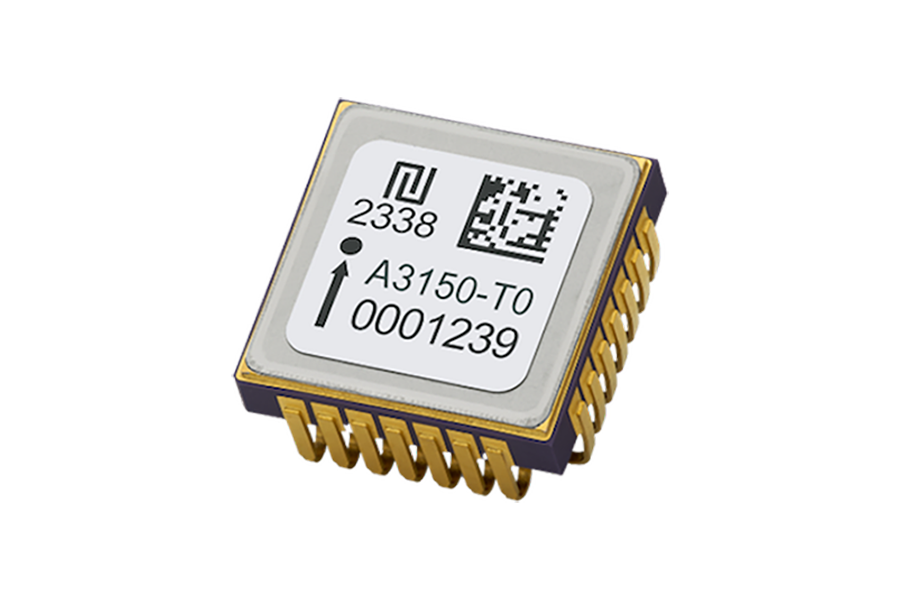

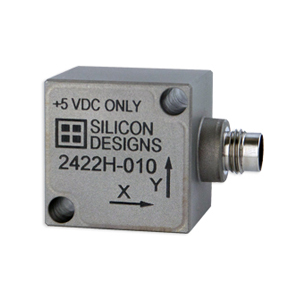
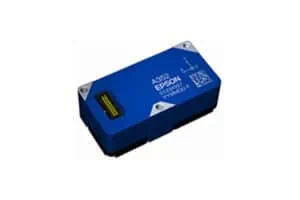
Rugged Industrial & Inertial-Grade MEMS Accelerometers for Marine & Offshore Applications

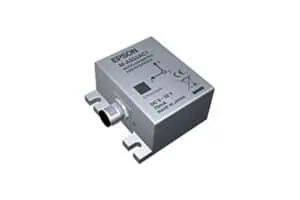
High-Performance MEMS-Based Inertial Sensing Solutions for Marine, Offshore & Underwater Applications

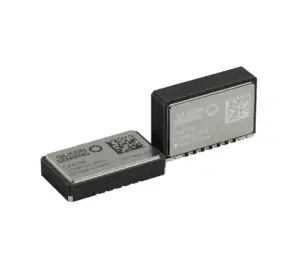
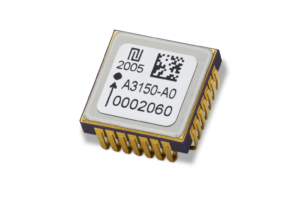
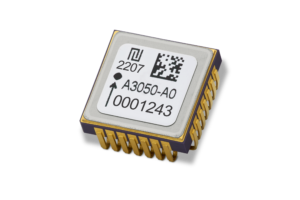
High-Performance MEMS Gyroscopes, Accelerometers & Inertial Systems for Marine & Maritime Applications

If you design, build or supply Marine Accelerometers, create a profile to showcase your capabilities and connect with visitors who have an active requirement for your solutions.

Marine accelerometers are instruments that are used for measuring acceleration, vibration, and motion in underwater environments, supporting a wide range of applications in oceanographic research, subsea engineering, and naval operations. These sensors convert mechanical forces into electrical signals, providing accurate data that is essential for a variety of use cases including assessing structural integrity, monitoring seismic activity, and guiding underwater vehicle platforms.
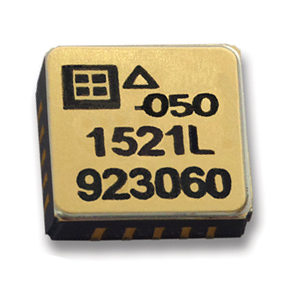
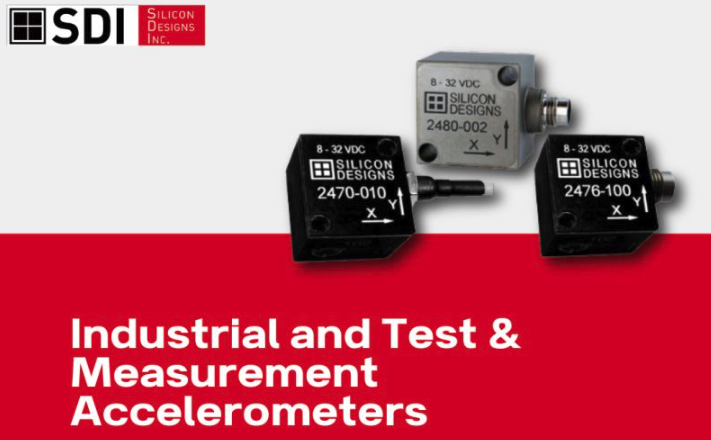
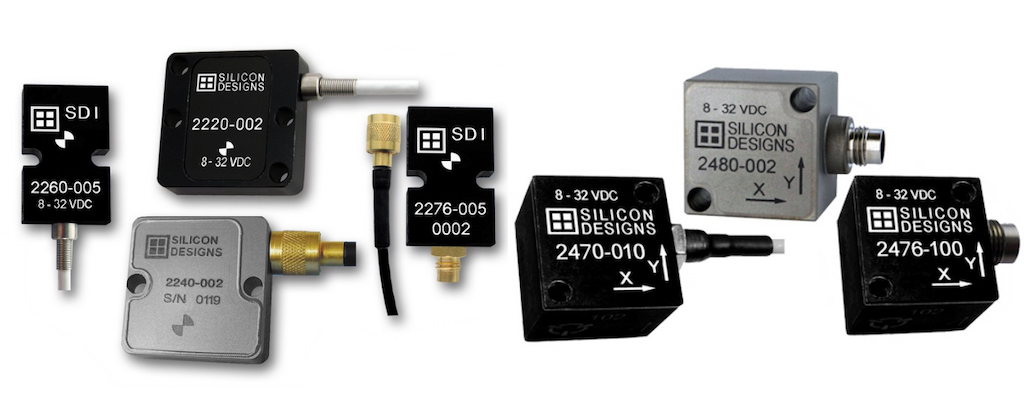
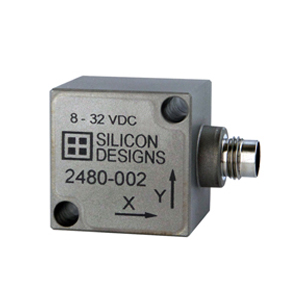
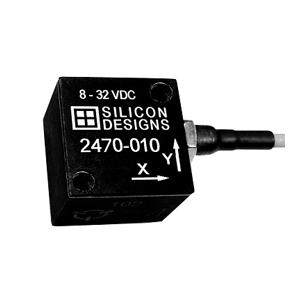
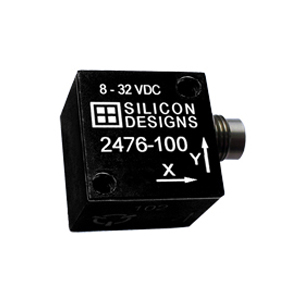
Industrial grade mems accelerometer by Silicon Designs
Accelerometers utilize inertial sensing, where the movement of a proof mass within the sensor responds to external forces. As acceleration occurs, the displacement of the internal mass generates an electrical signal proportional to the applied force. This signal can then be processed to determine not only the magnitude but also the direction of acceleration. Accelerometers measure acceleration relative to freefall, and may do this along single or multiple axes.
Marine accelerometers rely on various sensing technologies to achieve precise measurements. The most common types include piezoelectric, capacitive, and MEMS (micro-electromechanical systems). Each technology leverages a unique mechanism to detect changes in velocity, tilt, or vibration. The accelerometer’s sensitivity, frequency range, and response time depend on its design and underlying technology.
Within marine and offshore applications, accelerometers are often integrated into data acquisition (DAQ) systems to facilitate real-time monitoring and analysis. By continuously collecting and transmitting data, accelerometers provide insights into the structural health of subsea equipment, vessel stability, and underwater seismic activity. This data is vital for predictive maintenance, reducing operational risks, and extending the service life of expensive marine assets.
Piezoelectric accelerometers operate by generating an electric charge when the piezoelectric material within the sensor experiences mechanical stress. This type is widely used for vibration monitoring and high-frequency applications. Due to their robust design, piezoelectric accelerometers are well-suited for dynamic environments where rapid changes in force and pressure occur.
In marine settings, these accelerometers are frequently employed in offshore platform monitoring and subsea seismic detection. Their high sensitivity and ability to function in extreme temperatures make them ideal for deep-sea exploration and resource extraction.
Capacitive accelerometers measure changes in capacitance resulting from the movement of the internal mass. Known for their precision at low frequencies, capacitive accelerometers are commonly used in tilt sensing and low-frequency vibration measurements.
Capacitive accelerometers are often utilized in vessel navigation systems, providing critical data for dynamic positioning and motion compensation. Their ability to operate in low-frequency ranges makes them particularly valuable for offshore wind farms and other static subsea structures.
MEMS accelerometers utilize micro-scale mechanical structures to detect acceleration. These accelerometers are compact, lightweight, and consume minimal power, making them ideal for low-SWaP (Size, Weight, and Power) applications. MEMS technology has enabled the development of highly sensitive, mass-producible accelerometers suitable for integration into AUVs, ROVs, and other unmanned marine platforms.
Due to their small form factor, MEMS accelerometers can be embedded directly into structural components, providing continuous monitoring without adding significant weight or volume. This integration is crucial for next-generation underwater vehicles and compact sensor arrays.
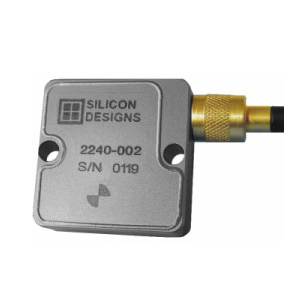
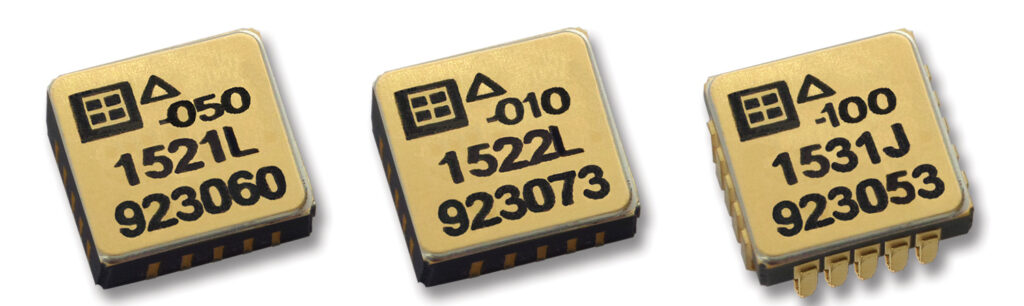
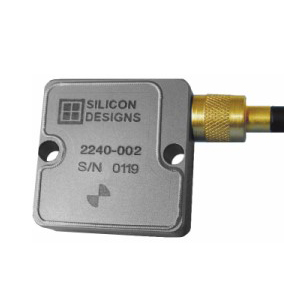
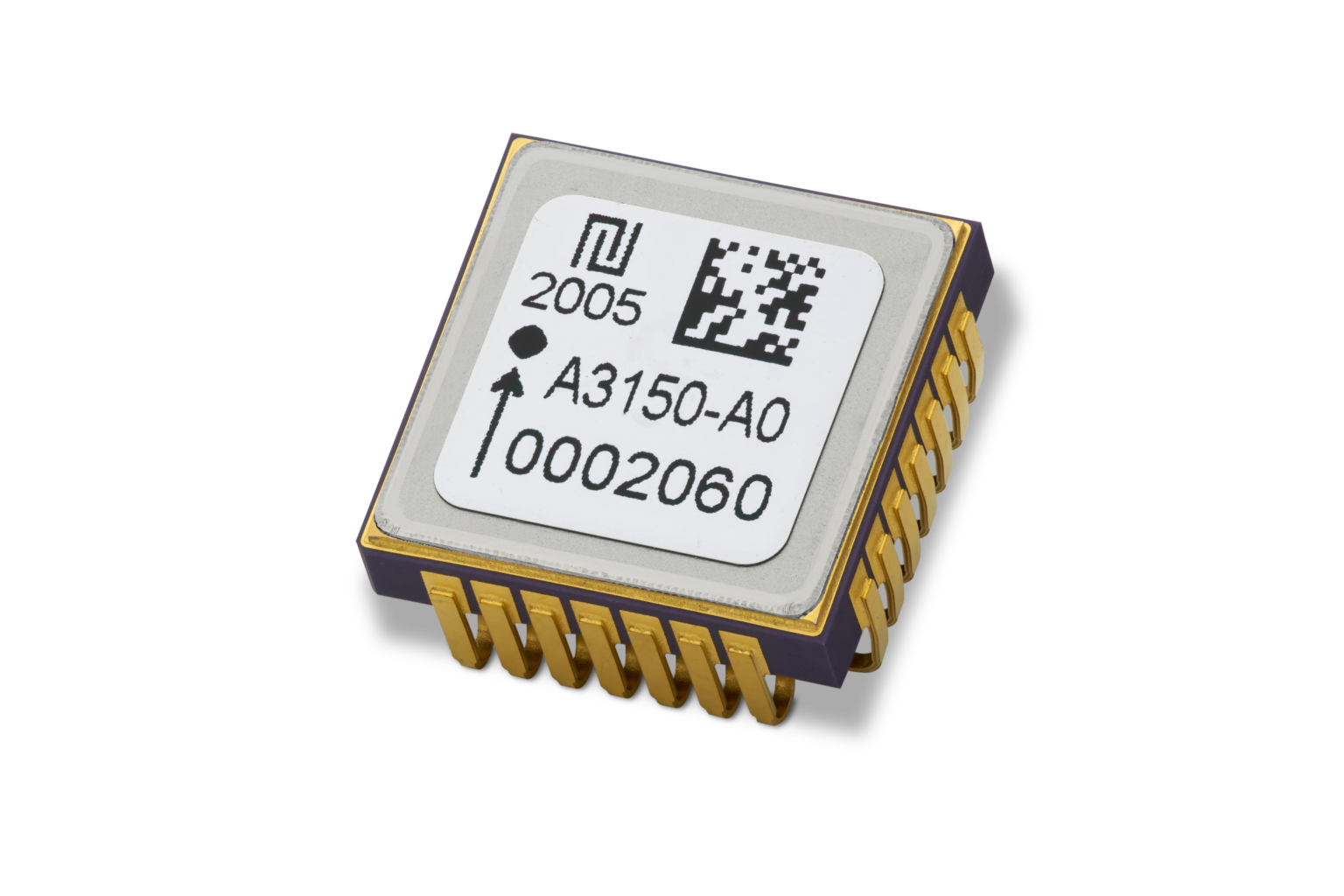
Hermetically sealed accelerometer sensor by Silicon Designs
Marine environments present unique challenges for accelerometer deployment, requiring ruggedized designs capable of withstanding high-pressure, corrosive, and dynamic conditions. Standard accelerometers are often unsuitable for prolonged exposure to seawater, temperature fluctuations, and mechanical shocks.
Hermetically sealed accelerometers are essential for subsea applications, as they prevent water ingress and protect internal components from corrosion. These sensors are enclosed in housings constructed from stainless steel, titanium, or other marine-grade alloys to ensure longevity even in extreme conditions. By eliminating exposure to seawater and minimizing internal contamination, hermetically sealed accelerometers provide consistent performance over extended deployments.
Another crucial aspect of ruggedization is shock and vibration resistance. In offshore environments, accelerometers must endure the constant movement of waves, currents, and mechanical operations. Inertial-grade accelerometers are specifically designed to maintain accuracy and stability over long periods, even in dynamic marine environments. These high-precision sensors minimize drift and provide reliable data in navigation, positioning, and seismic monitoring applications.
For AUVs and ROVs, low-SWaP accelerometers are preferred, as they reduce overall payload weight while maintaining functionality. The ability to withstand intense vibrations during vehicle launch and recovery is critical, ensuring sensor integrity throughout the operational cycle.
Marine accelerometers support a broad spectrum of applications, ranging from scientific research to defense and commercial offshore operations.
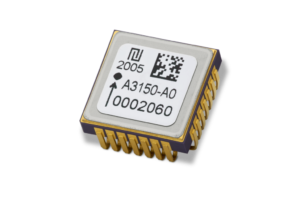
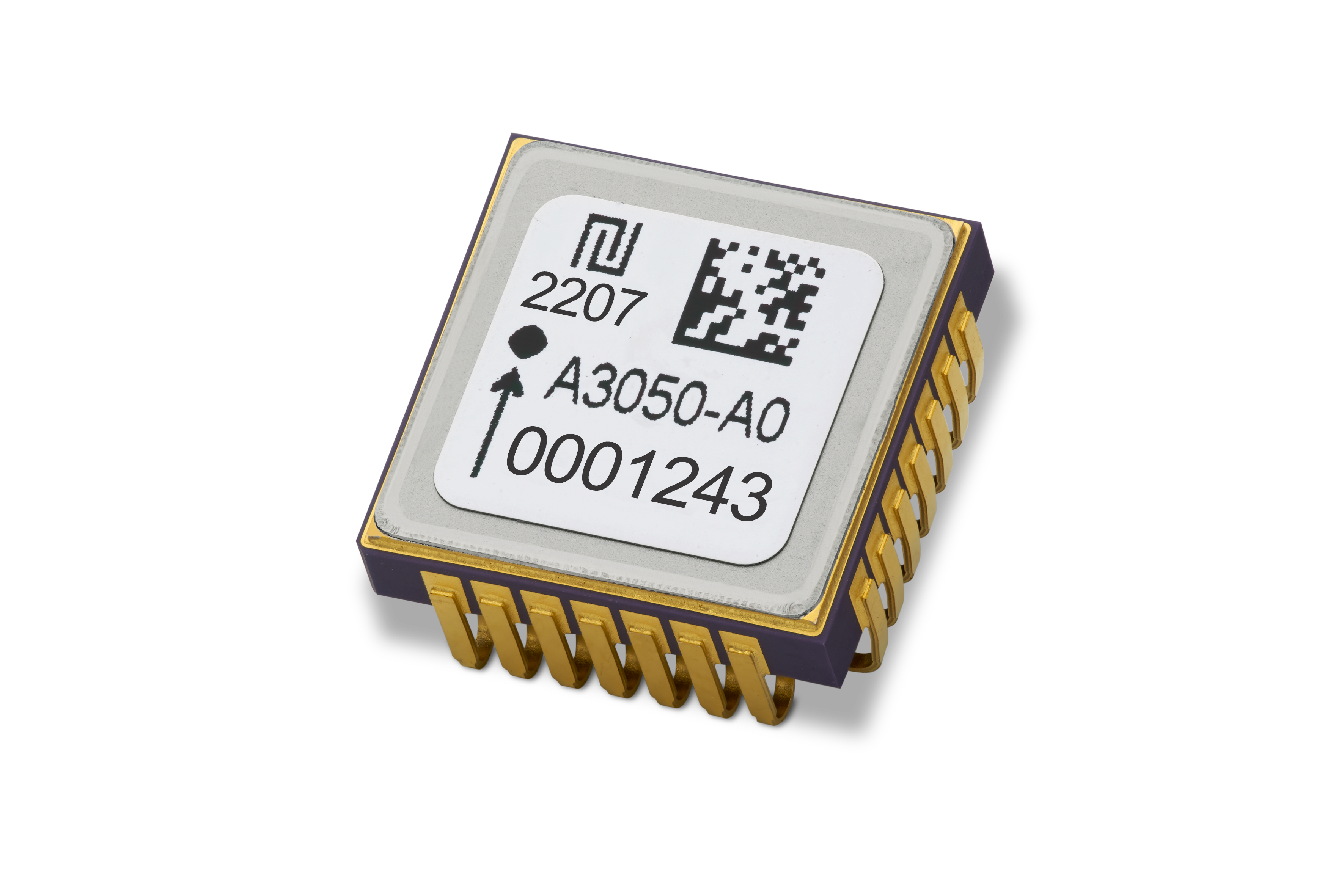
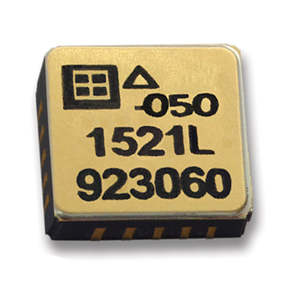
Single-axis digital rugged accelerometer by Tronics Microsystems
Accelerometers are indispensable in subsea seismic arrays, where they detect ground movements and contribute to oil and gas exploration. By identifying shifts in geological formations, accelerometers provide valuable data for assessing resource deposits and monitoring underwater tectonic activity. These sensors are vital for deep-sea drilling and reservoir management, ensuring the safety and efficiency of extraction operations.
In offshore oil rigs, wind farms, and subsea pipelines, accelerometers continuously monitor structural integrity by detecting vibrations and stress. This data allows engineers to identify potential faults before they escalate, minimizing downtime and maintenance costs. Accelerometers integrated into DAQ systems offer real-time insights, enabling predictive maintenance strategies that enhance asset longevity.
For naval vessels and underwater defense systems, accelerometers contribute to stabilization, guidance, and targeting systems. These sensors play a critical role in inertial navigation systems (INS), ensuring precise tracking of submarines and torpedoes. Accelerometer output is essential for maintaining course accuracy, particularly in GPS-denied environments.
Autonomous and remotely operated vehicles rely on accelerometers for orientation, tilt measurement, and motion control. By integrating MEMS accelerometers into their navigation suites, AUVs and ROVs achieve better maneuverability and stability, improving mission success rates in deep-sea exploration, environmental monitoring, and underwater inspections.
 Searching Companies & Products

 Subscribe to the Weekly eBrief
The latest engineering and technical developments straight to your inbox - join thousands of engineers who receive it.
Subscribe to the Weekly eBrief
The latest engineering and technical developments straight to your inbox - join thousands of engineers who receive it.