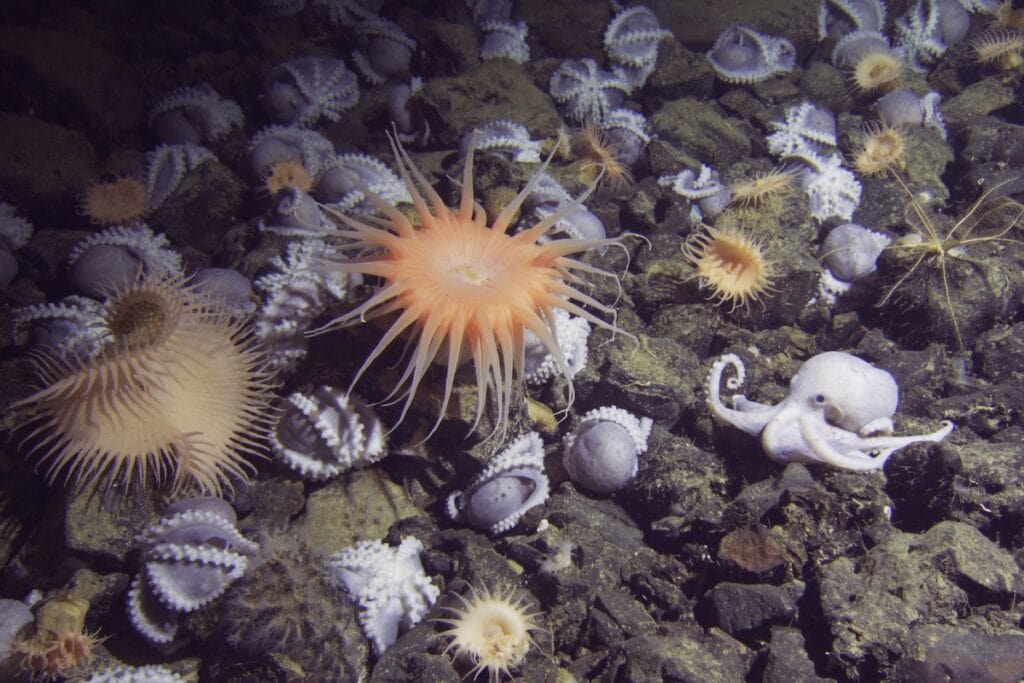
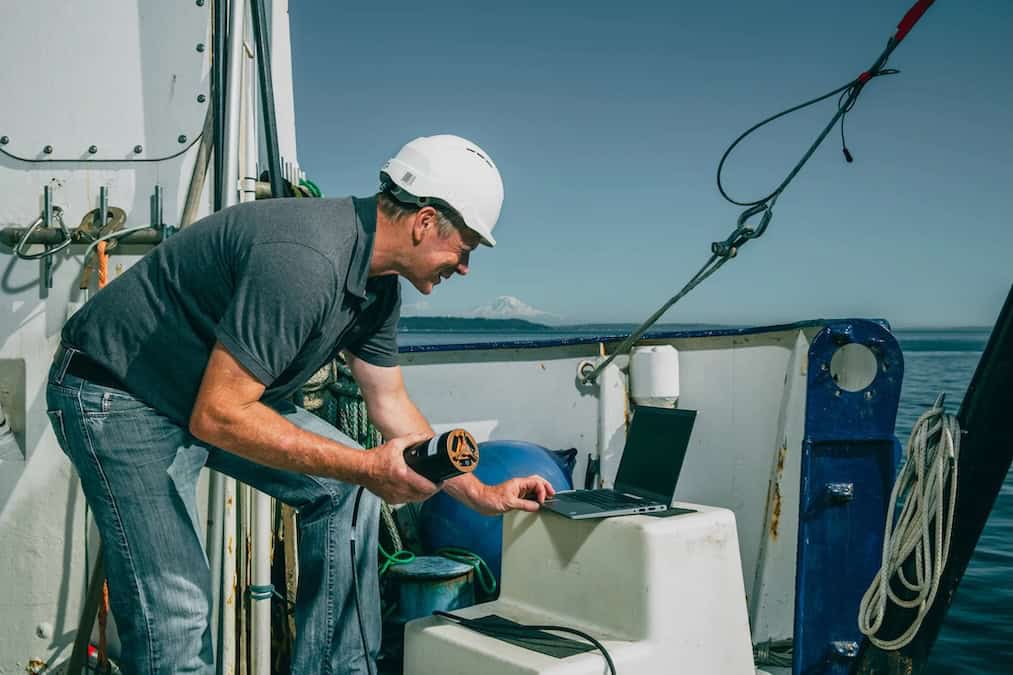
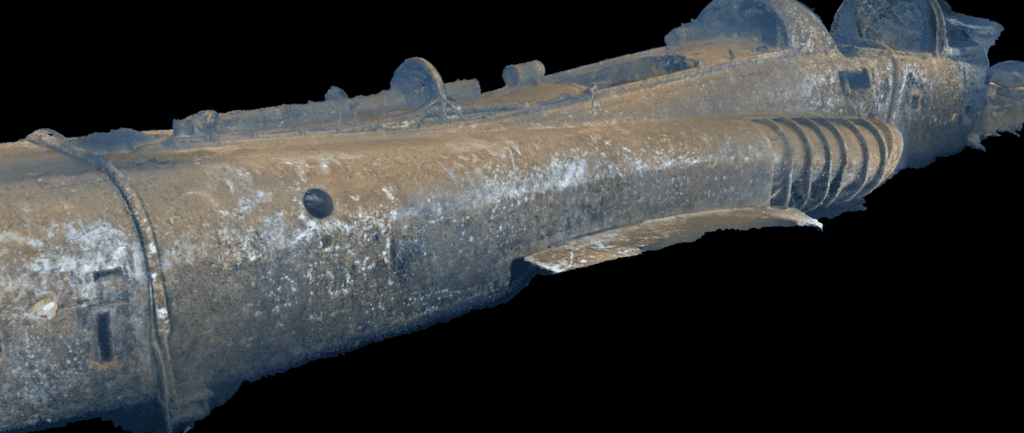
MBARI researchers launched a ten day oceanic expedition off Central California to study marine life, monitor pearl octopus reproduction, and investigate mysterious deep seafloor pits linked to feeding beaked whales
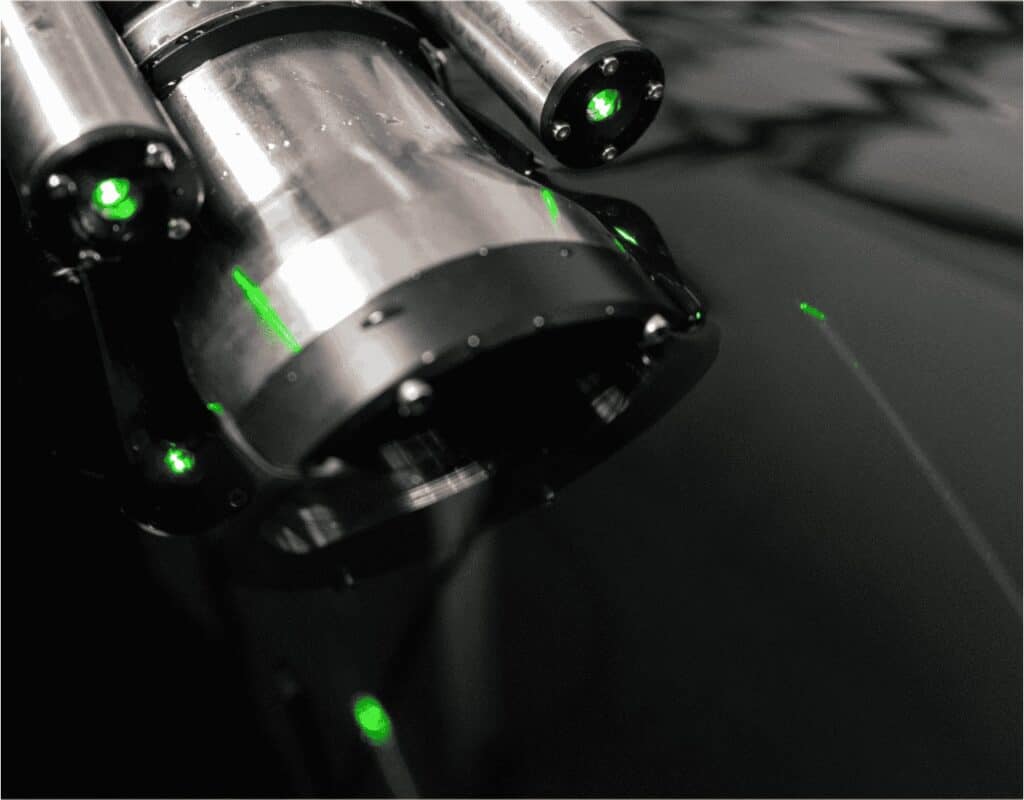
SubC Imaging outlines how underwater laser types support subsea measurement, surface profiling, photogrammetry, and inspection across different platforms, camera orientations, and environmental conditions
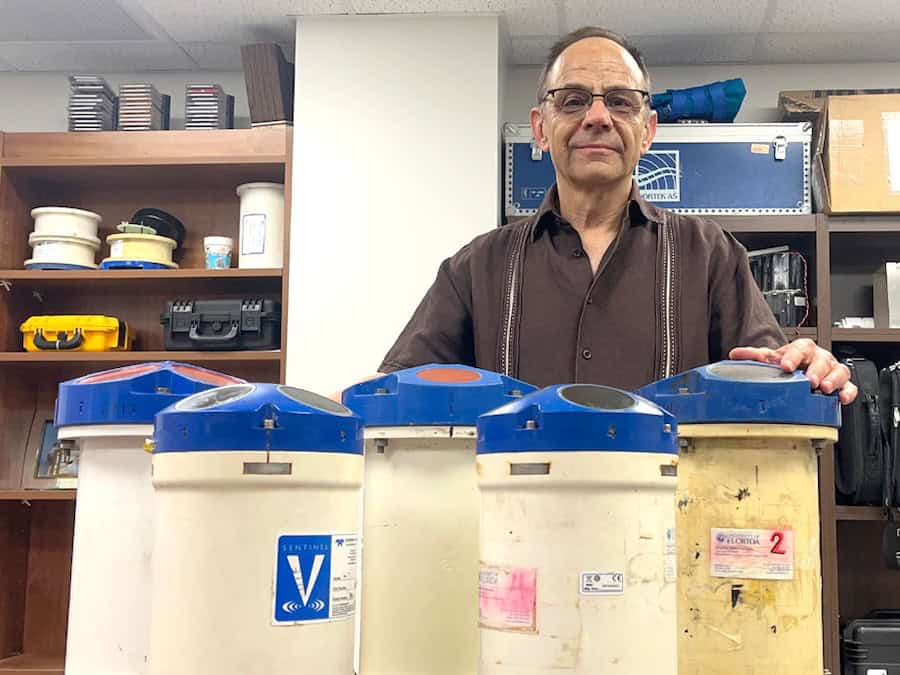
Oceanographer Arnoldo Valle-Levinson’s three decades of research with Teledyne Marine ADCP technology reveal how evolving current profiling systems have advanced coastal science worldwide
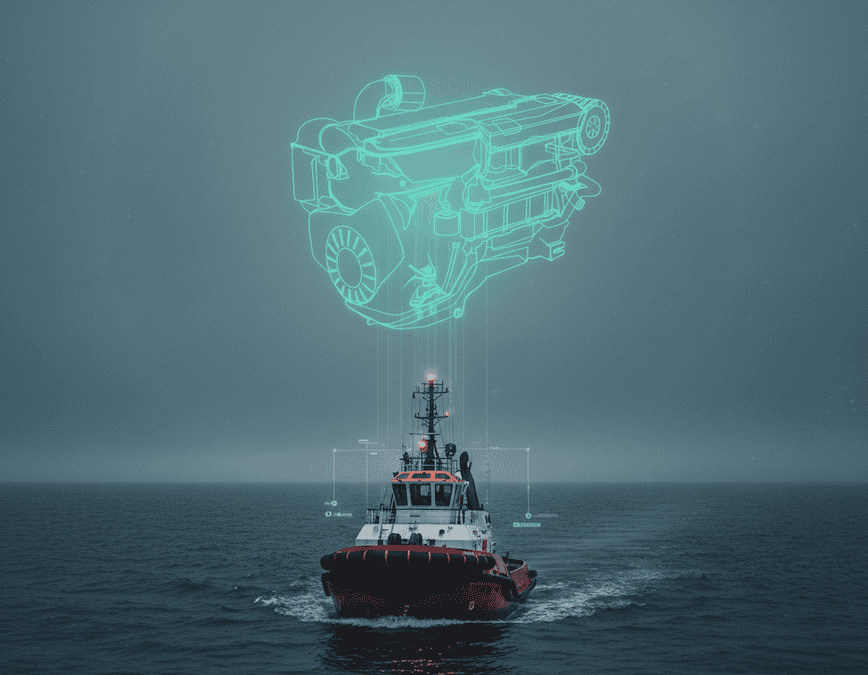
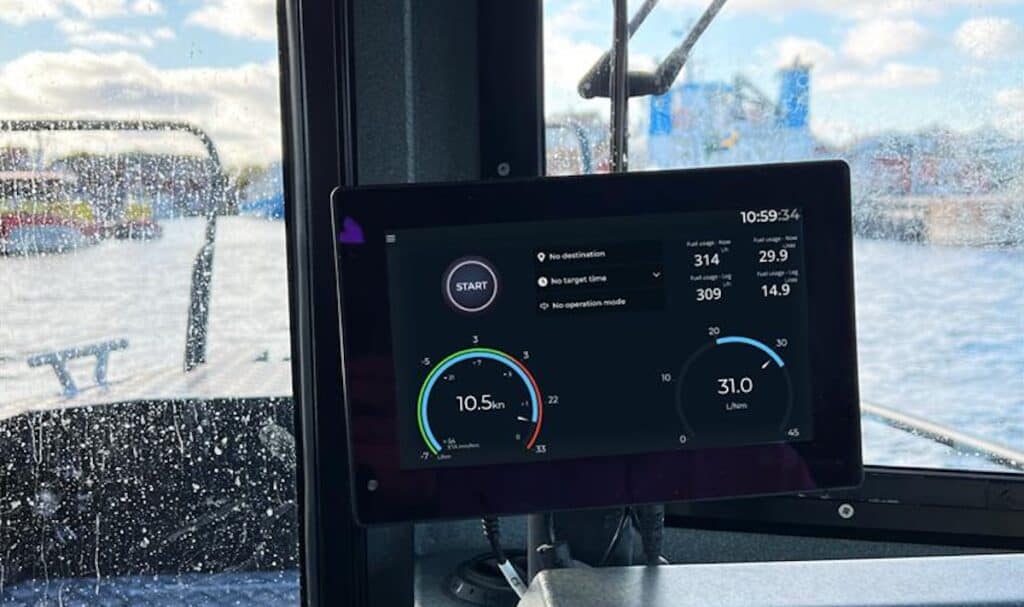
CetaFuel is a software-based virtual mass flowmeter that delivers real-time vessel fuel measurement without in-line sensors, supporting efficiency, emissions reporting, and operational decision-making
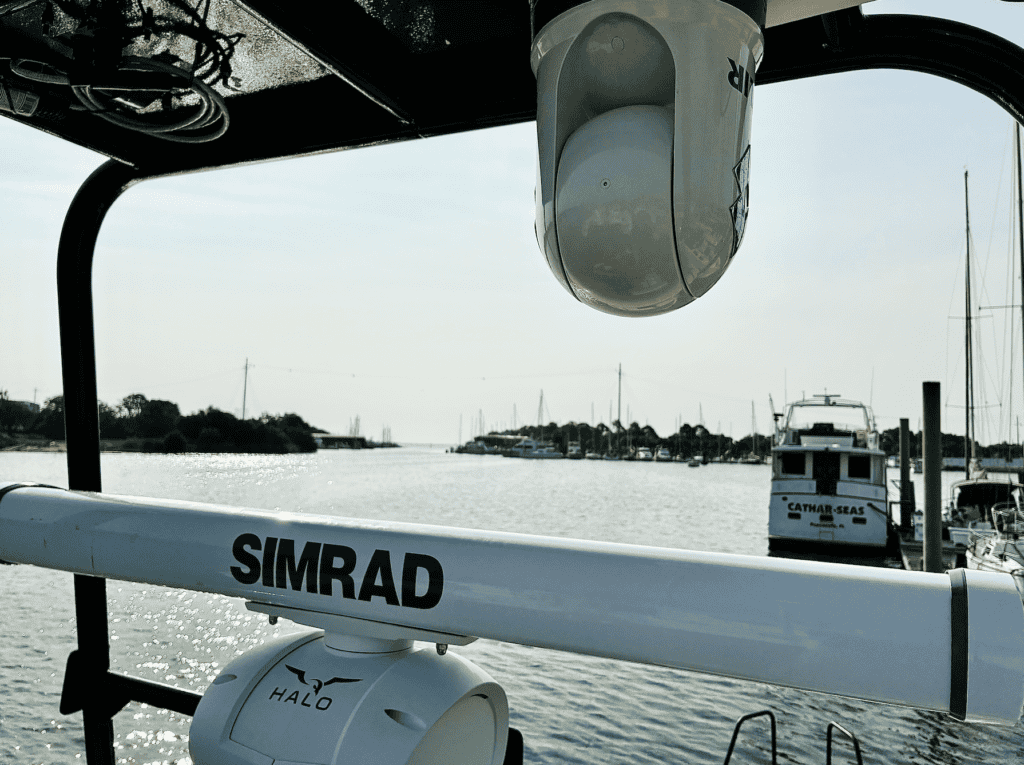
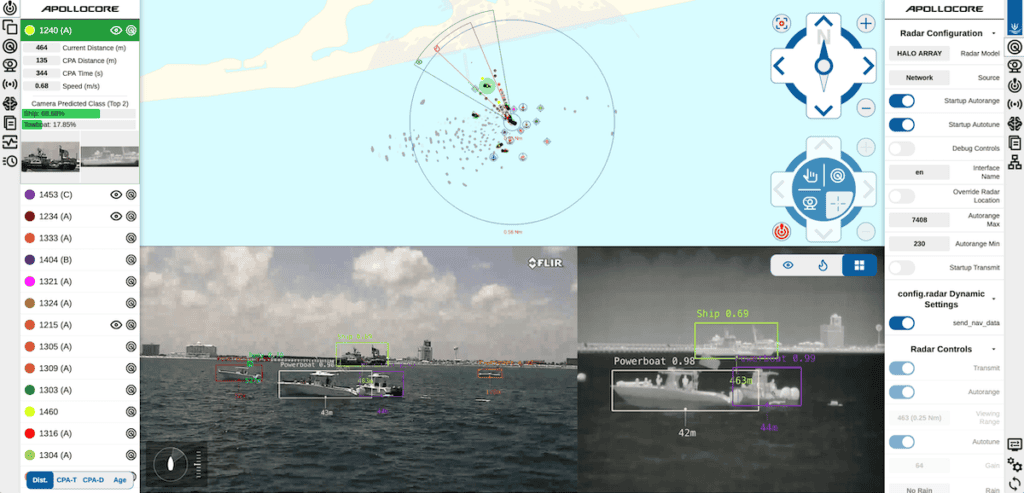
Tocaro Blue discusses advanced processing solutions that allow marine radar and cameras to work as collaborators, utilizing massive proprietary datasets to transform traditional maritime sensors into intelligent, autonomous perception systems
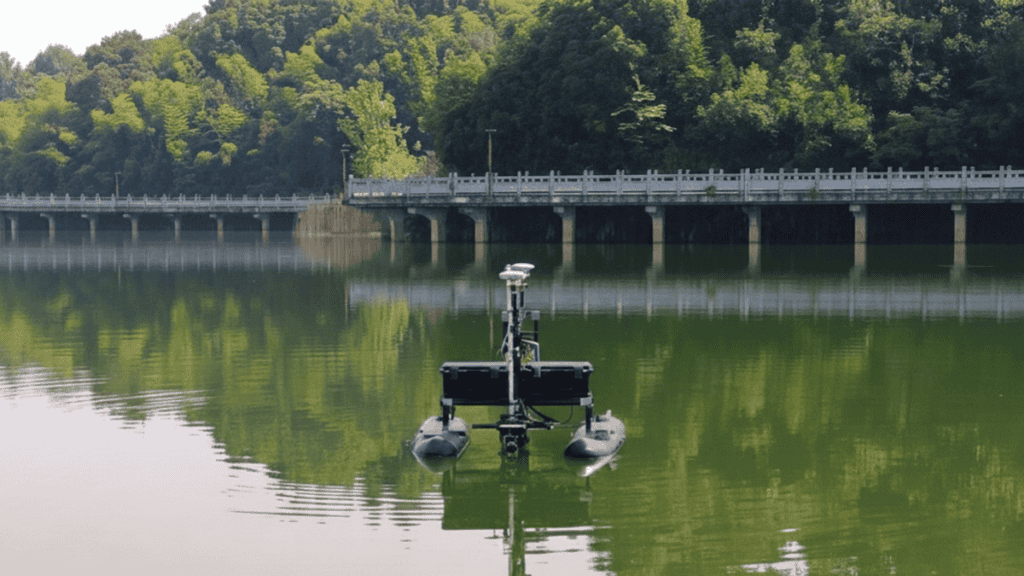
AGISTAR develops custom USV platforms that combine integrated sensing, navigation, software, and flexible payload configurations to support survey, monitoring, inspection, and other autonomous marine operations
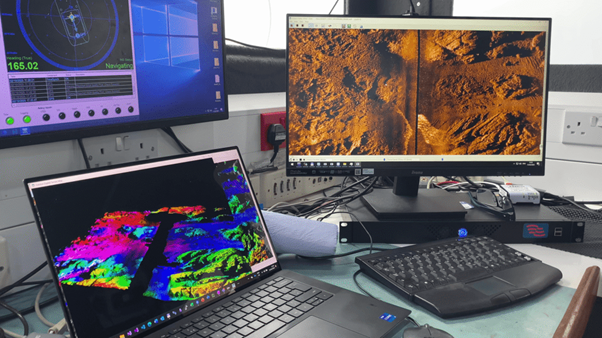
Forcys examines how advanced sonar technology enables rapid high resolution mapping and detailed temporal monitoring of subtidal seagrass ecosystems to directly support coastal marine habitat restoration and Net Zero targets
Sea-Bird Scientific outlines how the ECO V2 optical sensor measures fDOM with 8× greater sensitivity than the ECO Classic, alongside capabilities for optical monitoring across rivers, lakes, coastal waters, and the open ocean
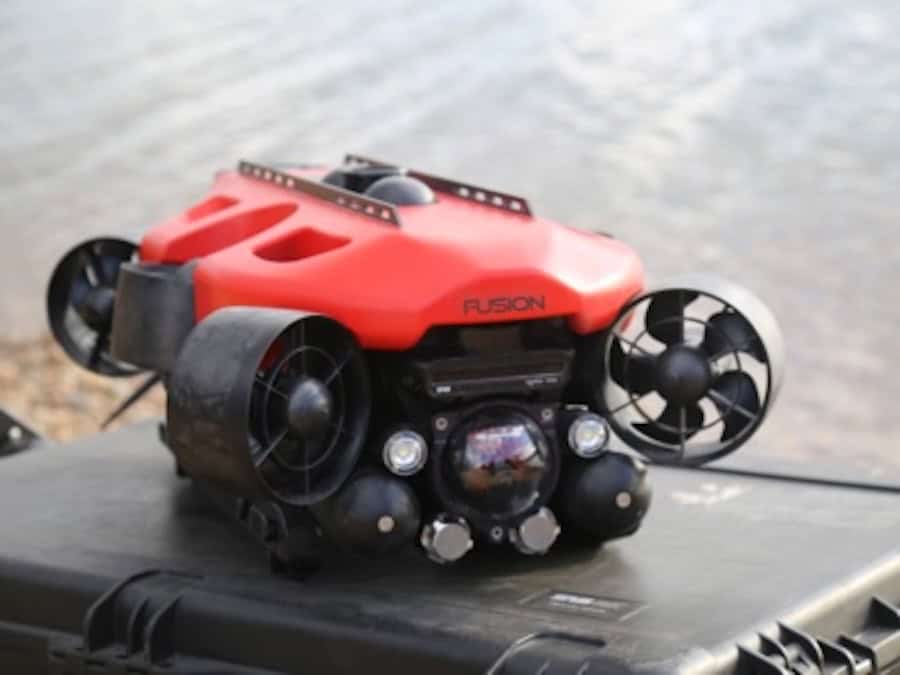
Strategic Robotic Systems outlines how hybrid AUV/ROV platforms integrate autonomous transit with tethered precision work to support multi-phase underwater missions including port security, mine countermeasures, and infrastructure inspection
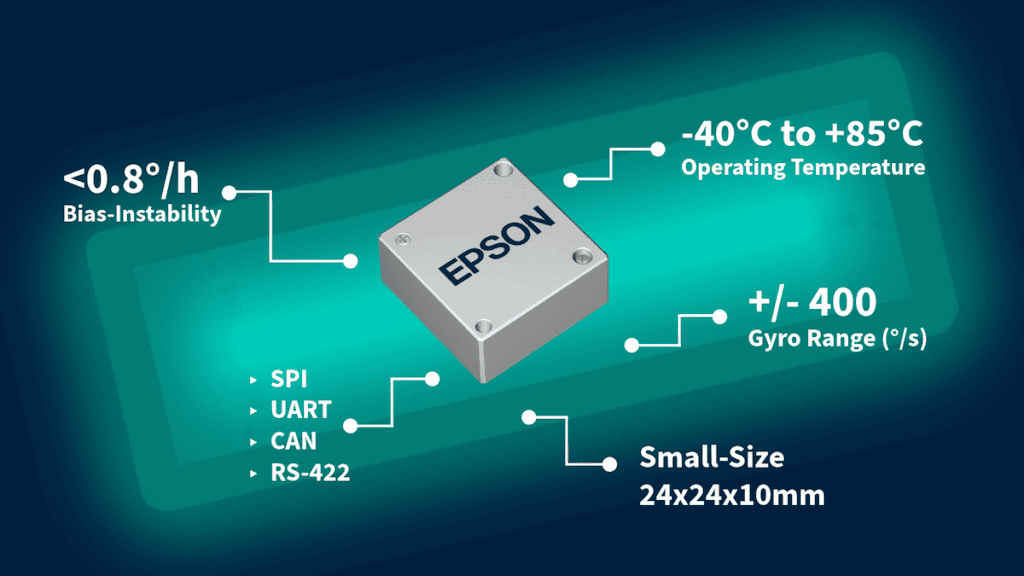
AMCORIS supplies Epson MEMS IMUs for marine navigation and autonomy, combining compact form factors, low drift, and stable motion sensing for demanding environments.
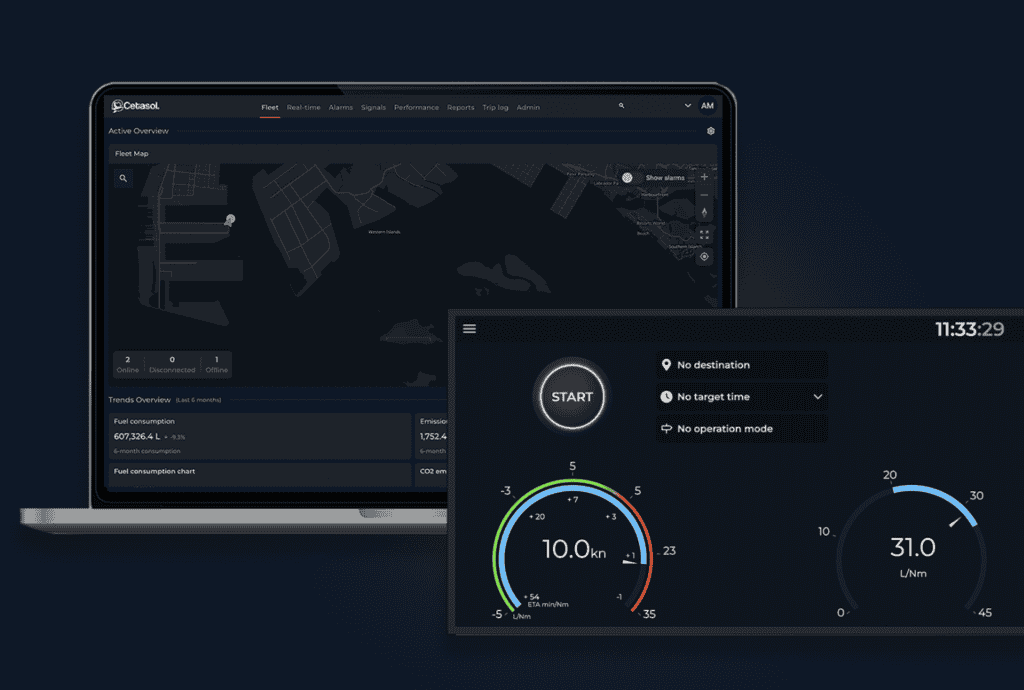
Explore Cetasol’s iHelm platform, leveraging AI, digital twin modelling, and real-time vessel data to enhance efficiency, reduce fuel consumption, and streamline regulatory compliance
Voyis examines how inspection-grade underwater stereo imaging can support 3D modeling in turbid, low-visibility environments through enhanced feature capture, reliable stereo correspondence, and improved image clarity, drawing on a field exercise at Mammoth Lake in Texas
In this case study, an Xsens MTi motion sensor, integrated through a Gable Technologies IMU, helps Orbital Marine Power monitor hull movement on its floating tidal generator off Orkney
AML Oceanographic explores the development, wireless charging system, alignment features, and deployment testing of its Endura-3 and Endura-6 profiling instruments for long-endurance USV operations
Greensea IQ examines why routine hull inspection is becoming essential for environmental compliance, vessel security, asset protection, and operational efficiency
SubC Imaging explains how embedded metadata improves subsea imaging traceability, repeatability and analysis by connecting underwater imagery with positional, environmental and operational information
eSonar outlines an innovative perception approach for micro-AUVs alongside its engineering services spanning sonar design, embedded systems development, and full product lifecycle support
Cetasol explains how real-time fleet management and analytics can improve operational visibility, support vessel efficiency, identify performance deviations, and enable more informed fleet-wide decisions
The latest offshore, subsea & marine technology news, straight to your inbox.
Get our weekly roundup of technology developments, new products and industry news.
THANK YOU FOR SIGNING UP
Thanks for joining us. Check your inbox.
We've sent you an email. Click the confirmation link to complete your subscription to the weekly eBrief. In the meantime, explore the latest news, suppliers and technologies.


 Searching Companies & Products