


Marine and offshore systems place demanding requirements on displays and human-machine interfaces. Vessel-mounted equipment, bridge systems, survey platforms, autonomous marine systems and shore-based workstations may all need to present critical operational information while exposed to sunlight, moisture, vibration, temperature variation and other environmental stresses.
For engineers specifying these systems, ruggedisation therefore involves more than choosing a screen with the right size and resolution. Display technology, brightness, optical treatments, sealing, mechanical integration, touch functionality, connectivity and long-term component availability all influence whether the finished interface remains readable and reliable throughout its service life.
Review Display Systems (RDS) provides TFT LCD, OLED, touchscreen and embedded technology solutions for marine and offshore applications, including vessel HMIs, marine control panels, USV operator stations, portable survey equipment and rugged shore-based workstations.
Designing Around Marine Operating Conditions
A rugged display must be designed around the environmental conditions it is expected to encounter.
Temperature variation, mechanical shock and continuous vibration can all affect display performance and reliability. Moisture or dust entering an enclosure can cause electrical failures, while impacts can damage the glass structures within the display. Prolonged exposure to ultraviolet light can also reduce readability if appropriate materials and treatments have not been selected.
In marine environments, these considerations become particularly important because displays may be incorporated into exposed vessel systems, outdoor workstations or equipment operating in wet, salty and high-vibration conditions.
Thermal management, sealing, mounting and mechanical protection therefore need to be considered together. Protecting a display from one environmental factor should not introduce new problems elsewhere in the system.
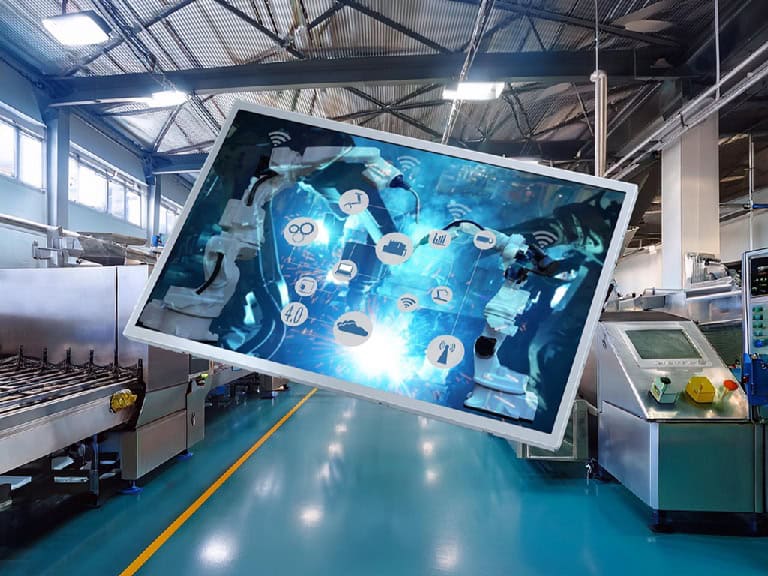
RDS can integrate features including IP sealing, thermal management, strengthened cover glass, optical bonding, EMI shielding and custom housings, allowing the mechanical and environmental design to be adapted to the requirements of a particular marine or offshore system.
TFT Displays for Vessel and Shore-Based Systems
RDS’s TFT LCD display solutions are designed for applications including vessel-mounted systems, bridge displays, marine control panels, USV operator stations and rugged shore-based workstations.
The displays are available in sizes from 0.96 to 32 inches, with resolutions ranging from 320 × 240 to 4K. High-brightness options of up to 1,500 cd/m² are available for applications where information needs to remain visible in strong ambient light.
The portfolio also includes square, round, ultra-wide, curved and irregularly shaped formats, giving system designers greater flexibility when integrating displays into consoles, instrument panels or space-constrained equipment.
A marine display may need to show navigation information, survey data, sensor feeds or platform status under widely varying lighting conditions. Selecting the correct panel is therefore only part of the process.
RDS can customise standard TFT modules with optical bonding, strengthened cover glass, specialised coatings and high-brightness LED backlighting. Mechanical integration can include custom metalwork, VESA mounting, IP sealing and thermal management, while EMI shielding and conductive gaskets can also be incorporated where required.
Driver-board options include HDMI, DisplayPort, LVDS, eDP and MIPI, enabling the display to be integrated with different processing and control architectures.
Maintaining Readability in Changing Light Conditions
Readability is particularly important for systems operating above deck, on exposed platforms or in shore-based environments where ambient lighting conditions can change significantly during operation.
Brightness alone does not determine whether information remains legible.
The choice of cover glass, surface coatings, backlighting and optical construction can all influence display performance. Optical bonding can reduce internal reflections while also contributing to the mechanical construction of the display assembly.
RDS can integrate chemically strengthened cover glass, specialised coatings and other optical enhancements according to the application requirements.
These choices allow the display configuration to be matched more closely to how and where it will actually be used, rather than relying solely on the specifications of a standard commercial panel.
OLED Displays for Compact and High-Contrast Interfaces
OLED technology provides another option for marine and offshore HMIs.

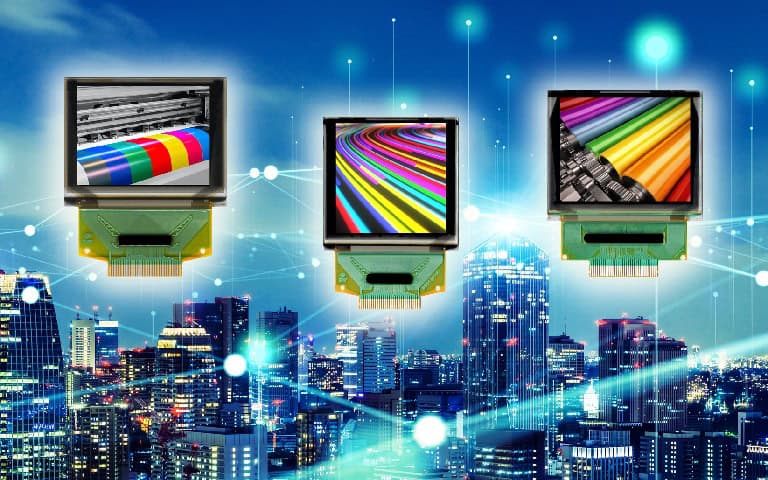
RDS’s OLED display solutions range from 0.56-inch character displays to 32-inch 4K panels, allowing the technology to be used in both compact instrument interfaces and larger vessel or shore-based operator stations.
Because OLED technology does not require a conventional backlight, it can provide high contrast while supporting thin and compact display architectures. RDS offers OLED solutions for applications including vessel HMIs, portable survey equipment and compact control systems.
The portfolio includes brightness levels of 400+ cd/m² and specialist formats such as flexible, transparent, printed, bar-type and stretched displays.
Existing OLED panels can also be customised with touch input, strengthened cover glass, specialised coatings, EMI shielding, thermal management, IP sealing and custom housings. RDS uses in-house cleanroom facilities and manufacturer partnerships to support bespoke OLED developments from low-volume prototypes through to higher-volume production.
Touch Technology Should Reflect the Operating Environment
Touch functionality adds another layer of engineering considerations.
A touchscreen used in marine or offshore equipment may need to operate in very different conditions from one installed in a controlled indoor environment. Moisture, contamination, gloves and repeated physical interaction can all influence the most appropriate touch technology.
RDS supports projected capacitive (PCAP), resistive and infrared touch technologies, together with customised solutions for specific glove types and operating conditions.
Touch panels can be integrated with custom cover glass, controllers and firmware, enabling the complete interface to be developed around the needs of the application rather than adding touch functionality after the display itself has already been selected.
This can be particularly useful for marine control panels, USV operator stations and portable survey equipment where space, environmental protection and operator interaction need to be considered as part of the same design.
Mechanical Integration Can Determine Long-Term Reliability
A display does not operate in isolation.
Once incorporated into a finished marine system, it becomes part of a wider mechanical and electrical architecture that can include enclosures, processors, connectors, power electronics, touch interfaces and mounting hardware.
Standard display products can be modified to improve impact resistance, optical performance and resistance to environmental or mechanical stress. Where an off-the-shelf configuration is insufficient, RDS can develop more extensively customised assemblies.
These can incorporate bespoke metalwork, custom housings, IP sealing, thermal management, EMI shielding and application-specific connectors.
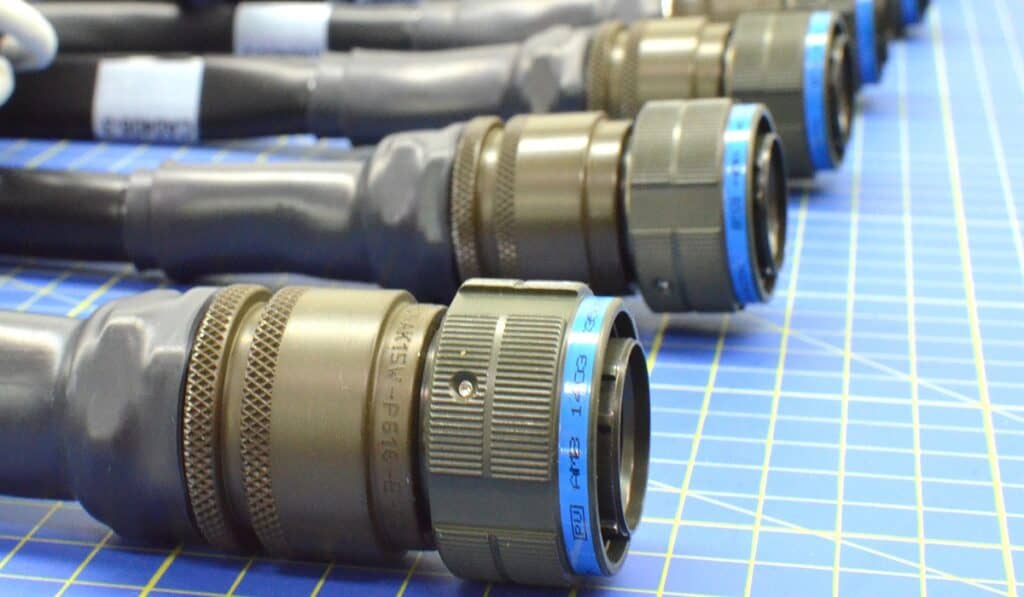
Custom connectors can also improve mechanical resistance to vibration and simplify integration with dedicated driver electronics.
By considering the display, enclosure, interconnects and electronics together, engineers can reduce the compromises that can arise when a commercial panel is fitted into a system after the wider mechanical design has already been established.
Extending the Architecture with Marine IoT and AI
Displays are increasingly one part of a wider connected marine system.
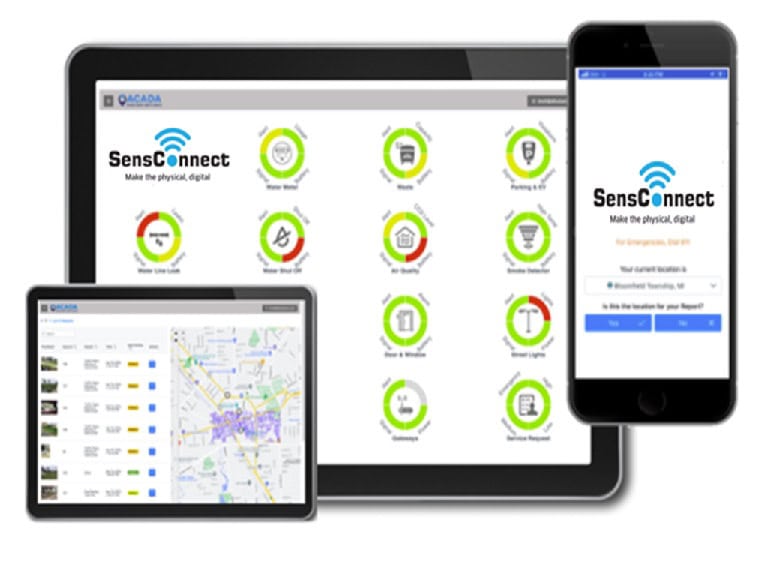
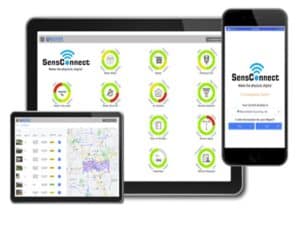 RDS also develops marine IoT and AI solutions that combine hardware, software and connectivity for vessels, offshore assets, remote sensors and autonomous marine systems. These architectures can combine local edge processing with cloud-based analytics and over-the-air updates, supporting remote maintenance and scalable deployment.
RDS’s rugged edge hardware and integrated sensors are designed to support real-time processing in wet, salty, high-vibration and temperature-variable environments.
Connectivity options include LoRa, Zigbee, Wi-Fi, Modbus, 4G/5G, NB-IoT and LoRaWAN, allowing sensor and platform data to be collected across vessel, offshore and coastal systems. AI and machine-learning capabilities can also be integrated for functions including object detection, predictive maintenance, anomaly identification and autonomous navigation.
Security features including end-to-end encryption, secure boot and user authentication can be incorporated to help protect operational and sensor data against unauthorised access.
For system designers, this means the HMI does not necessarily have to be treated as a standalone display. It can form part of a wider connected architecture incorporating sensing, edge computing, communications and analytics.
Designing Around Long-Term Availability
Environmental performance is only one factor in selecting a rugged display.
Long-term component availability can be equally important for marine and offshore equipment expected to remain in production or service for extended periods.
Choosing a display primarily on initial purchase price can create problems if the panel has a short production life, inconsistent quality or limited technical support. Once the display has been integrated into a finished system, replacing it may require changes to mechanical dimensions, connectors, driver electronics, touch interfaces or enclosures.
RDS states that it selects panels with long production lives and supports customers from prototype development through to volume manufacture.
This makes component lifecycle an engineering consideration from the start of the programme rather than an issue that only arises when a particular panel becomes unavailable.
Specifying the Display Around the Application
There is no single display architecture that suits every marine or offshore system.
A bridge display, portable survey instrument, vessel control panel, USV operator station and remote monitoring system may each impose a different combination of requirements for brightness, size, resolution, touch input, sealing, vibration resistance, connectivity and processing.
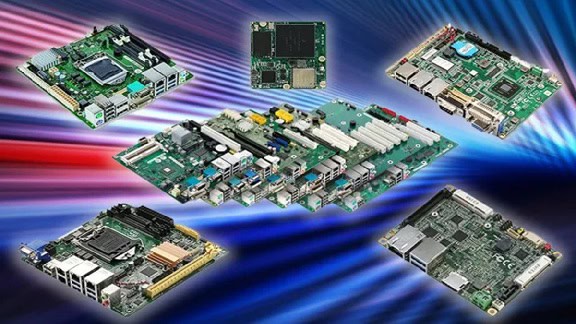
In some cases, the requirement may be met by customising an existing TFT or OLED panel. In others, a more integrated solution may combine bespoke mechanical design, touch technology, embedded processing, communications and sensing.
Starting with the operating environment and application requirements allows engineers to evaluate these elements together.
For marine and offshore systems, this approach can help ensure that the display is not simply able to operate in demanding conditions, but remains readable, mechanically integrated and supportable throughout the intended life of the equipment.