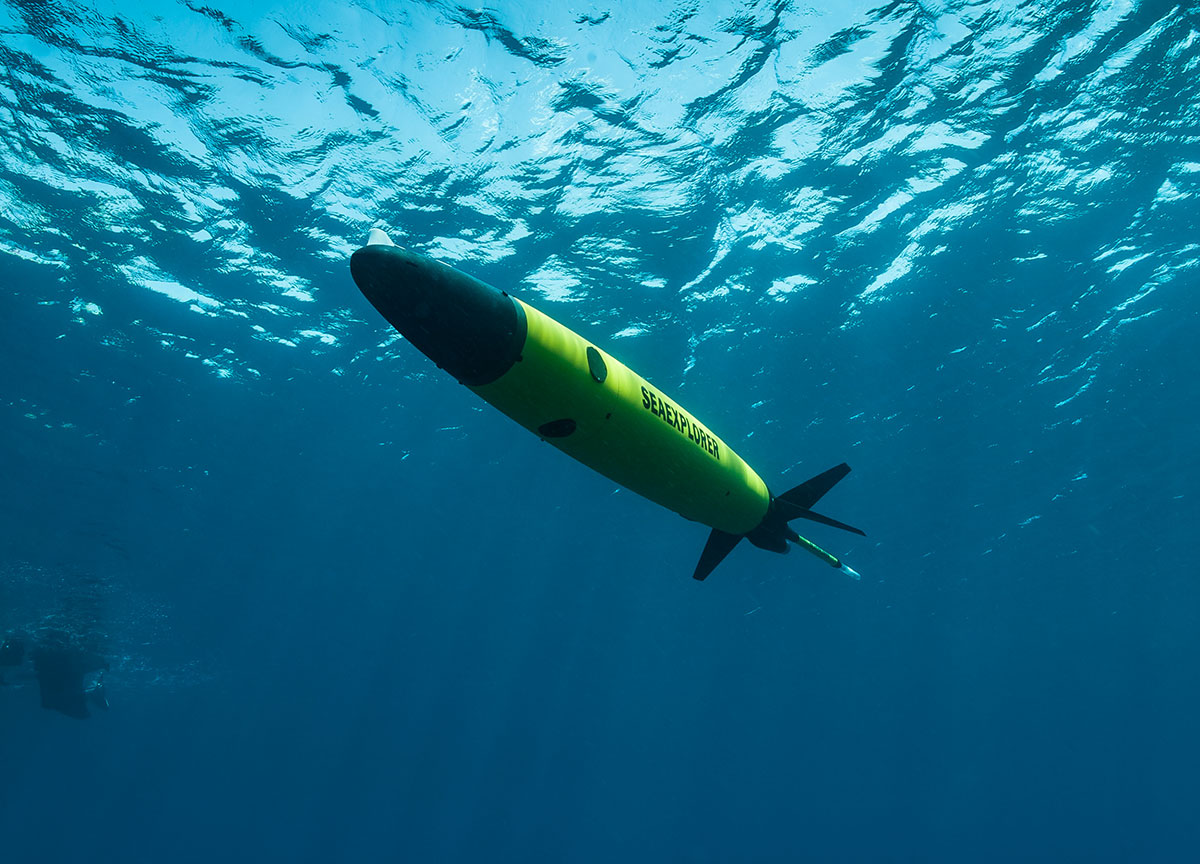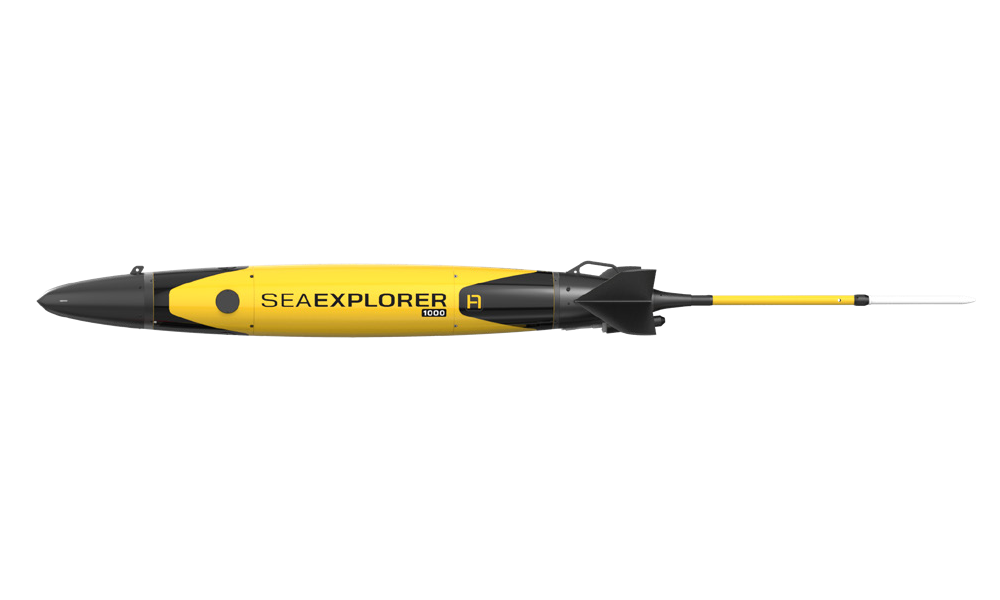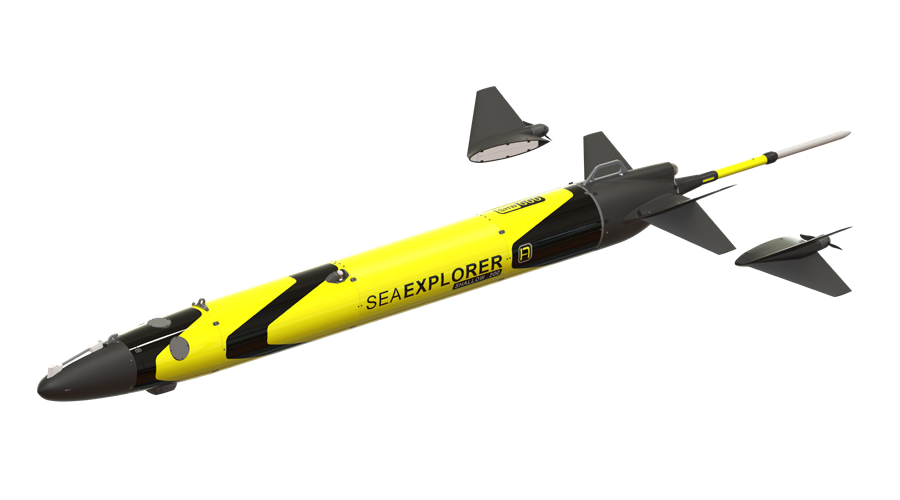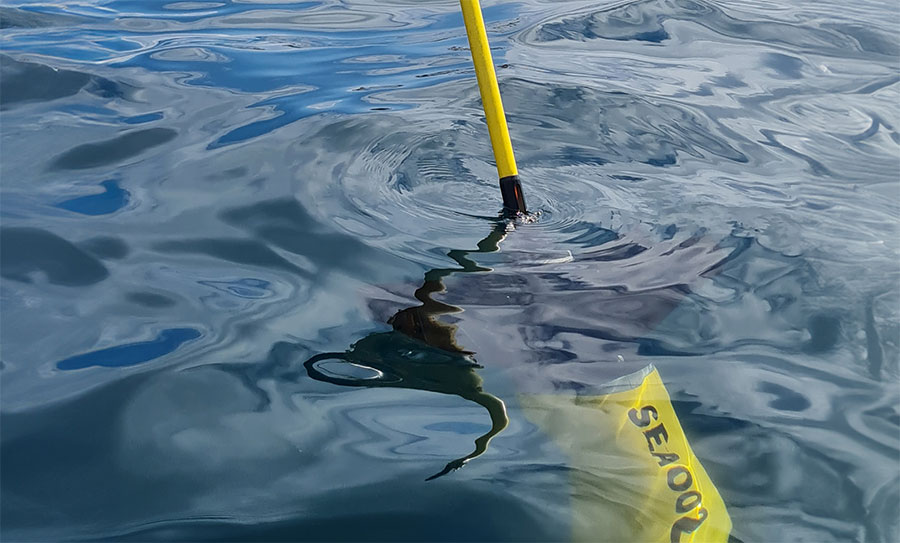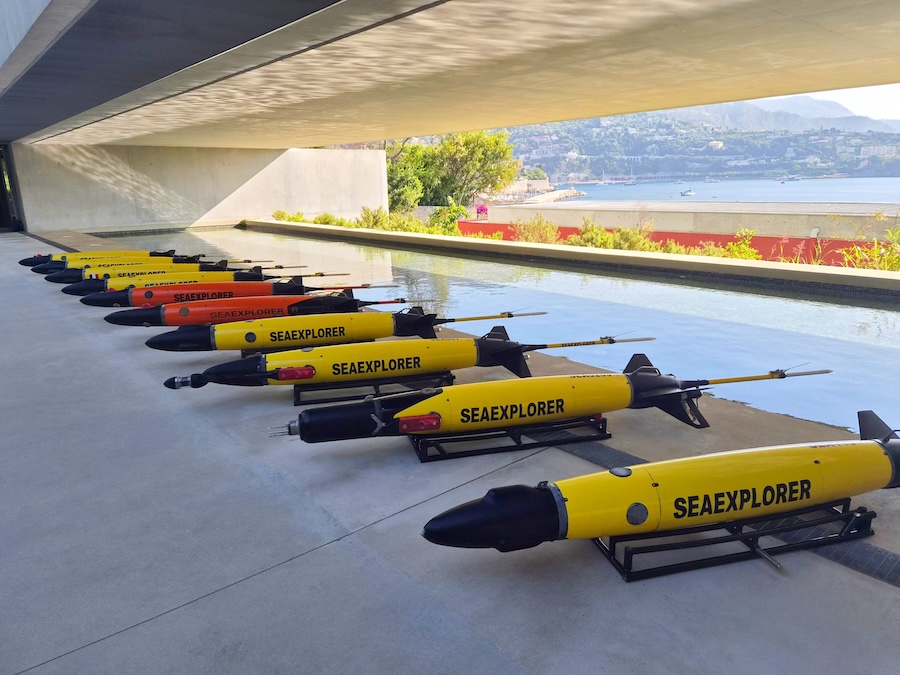



ALSEAMAR outlines how its SEAEXPLORER 1000 has been developed to support long-duration ocean observation and scientific data collection across a range of marine research missions.
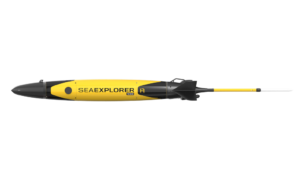 Designed as a modular underwater glider for operations to 1,000 meters, SEAEXPLORER 1000 can remain deployed for up to 125 days and has a maximum range of 2,700 km. This endurance allows research teams to collect data over longer periods and across larger areas, reducing the level of vessel support required for sustained observation programs.
The glider is 2 m long and weighs less than 60 kg. Its size and weight are intended to simplify launch and recovery for small teams operating in coastal and marine environments.
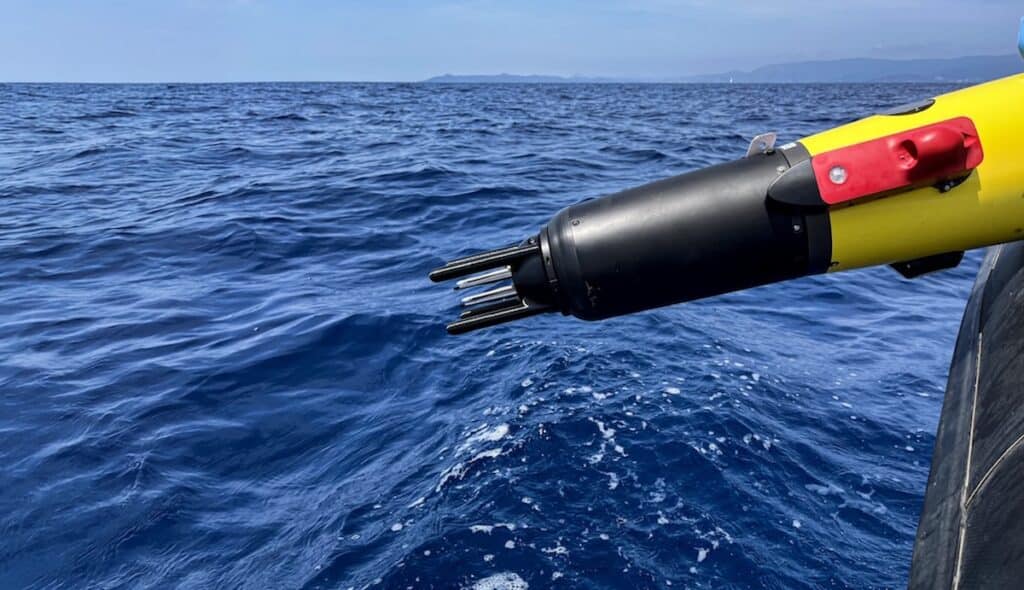
ALSEAMAR has designed SEAEXPLORER 1000 with a modular payload architecture, allowing mission-specific sensors to be integrated for physical, chemical, biological and acoustic measurements. This enables the glider to support applications including environmental baseline studies, water-column analysis and long-duration ocean observation programs.
Variable-buoyancy propulsion provides low-noise, energy-efficient movement through the water. This helps support extended deployments while limiting disturbance during data collection.
Available navigation modes include survey, virtual mooring, drifting, and bottoming. These options allow operators to adapt missions according to environmental conditions and measurement requirements.
Positioning and communications are supported through GPS, Iridium satellite and radio links. The system also incorporates two independent Linux-based CPUs for payload and navigation functions, supporting mission execution and data handling throughout extended deployments.
Through its combination of endurance, modular sensing and autonomous operation, the SEAEXPLORER 1000 is intended to support persistent oceanographic data collection while reducing reliance on ship time.
For more information about SEAEXPLORER 1000, visit the ALSEAMAR website.