
The Centre National de la Recherche Scientifique (CNRS) and ALSEAMAR have launched a major scientific mission in the Ligurian Sea to gather critical environmental data.
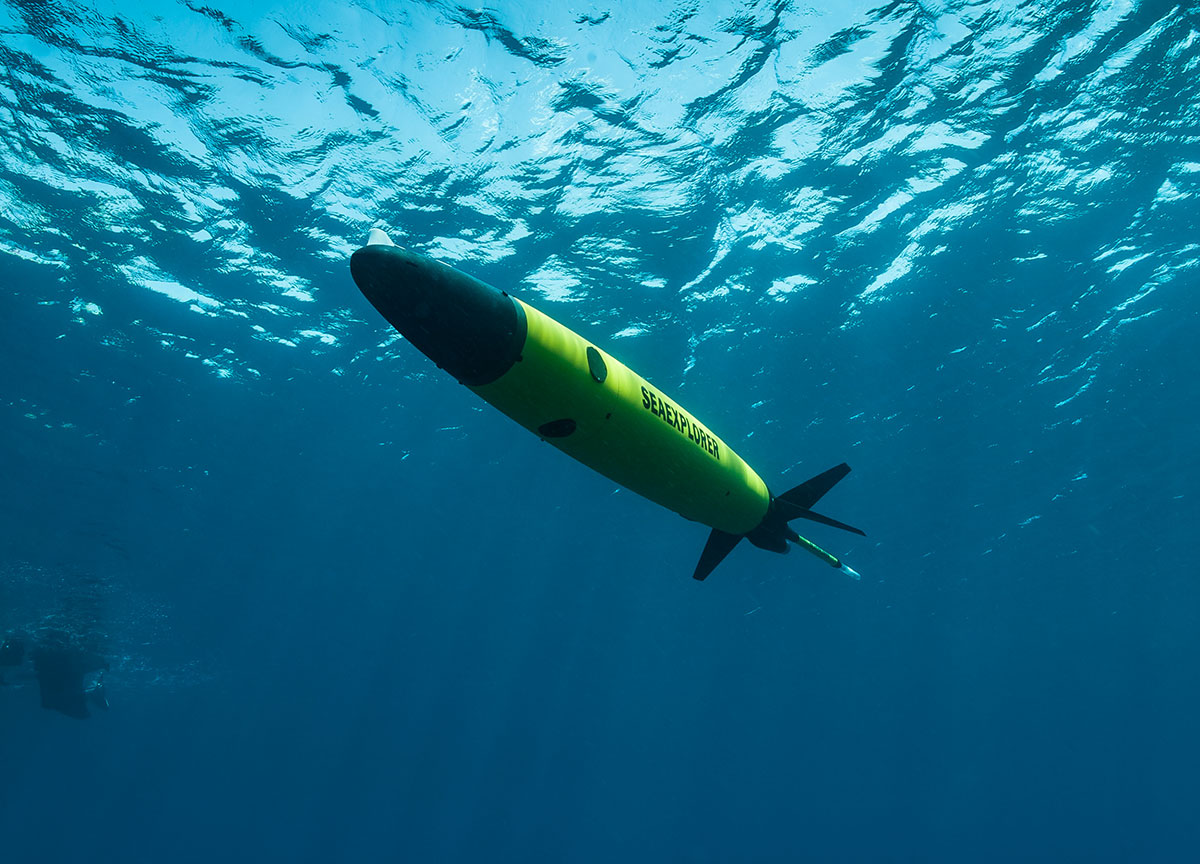
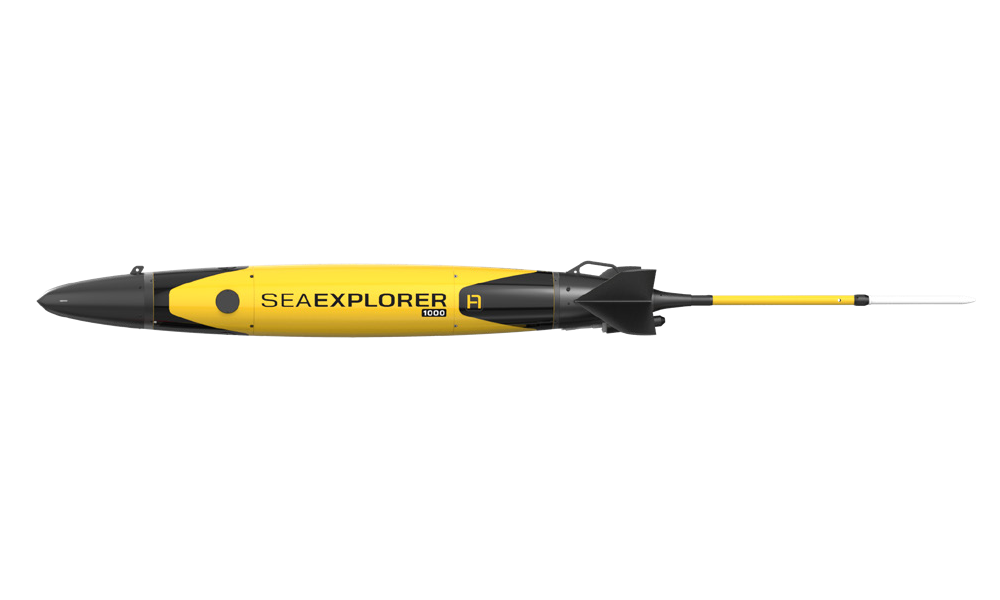
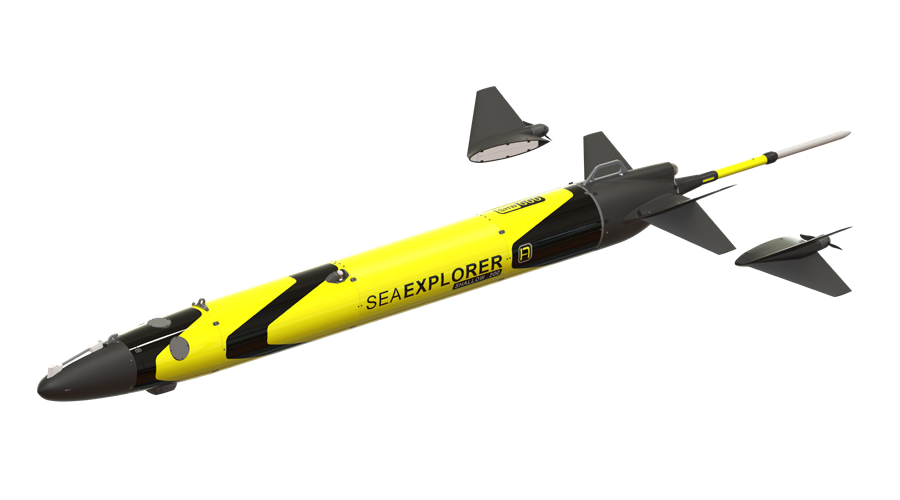
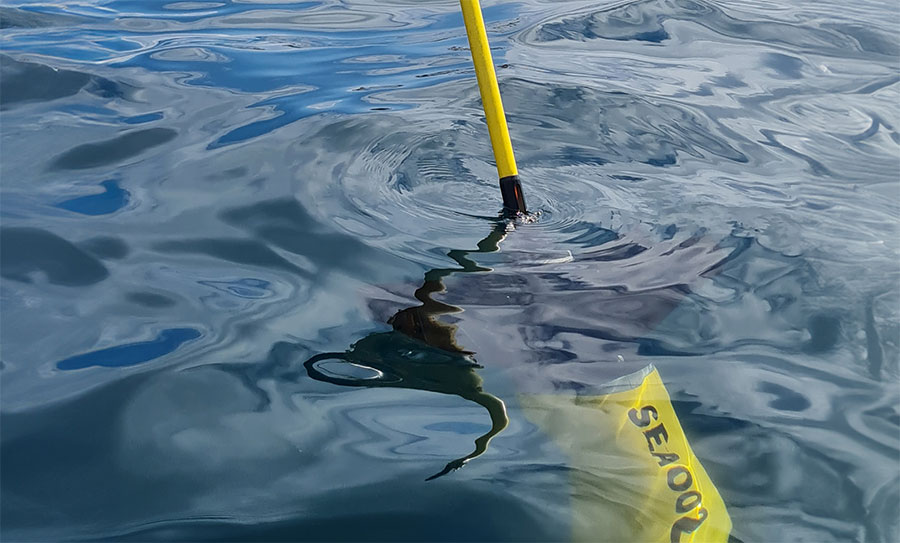
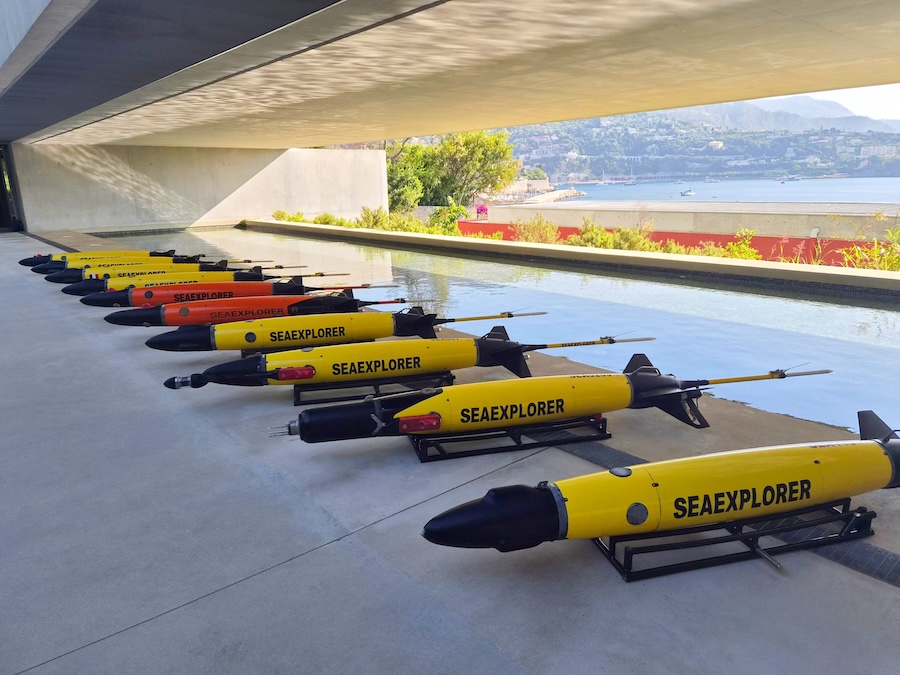
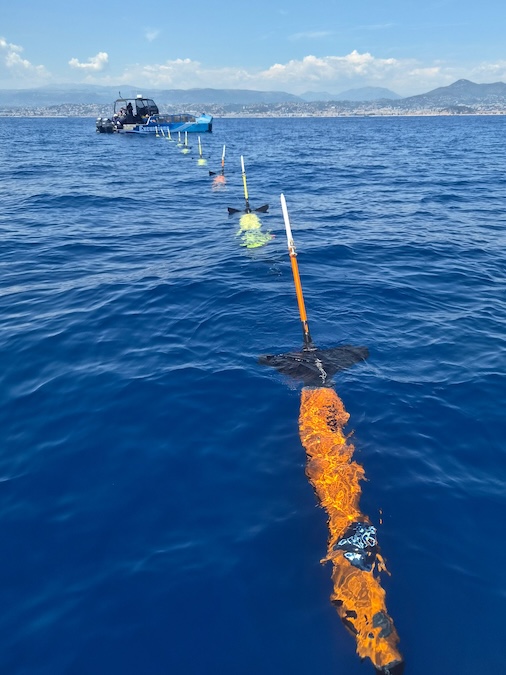
Deploying a fleet of 10 SEAEXPLORER autonomous underwater gliders simultaneously and in a coordinated manner, the operation is described by the participating organizations as the largest scientific data collection mission of its kind executed in Europe.
Launched on June 17, 2026, from the Villefranche-sur-Mer Oceanographic Institute, the gliders will navigate the Ligurian Sea for one month under a synchronized flight plan. The primary scientific objective of this mission is to investigate how fine-scale oceanographic structures influence the distribution of zooplankton communities. Because these fine-scale processes are notoriously difficult to capture using traditional marine observation methods, the coordinated fleet offers a unique opportunity to analyze their impacts on nutrient transport, biodiversity distribution, and overall marine ecosystem functioning.
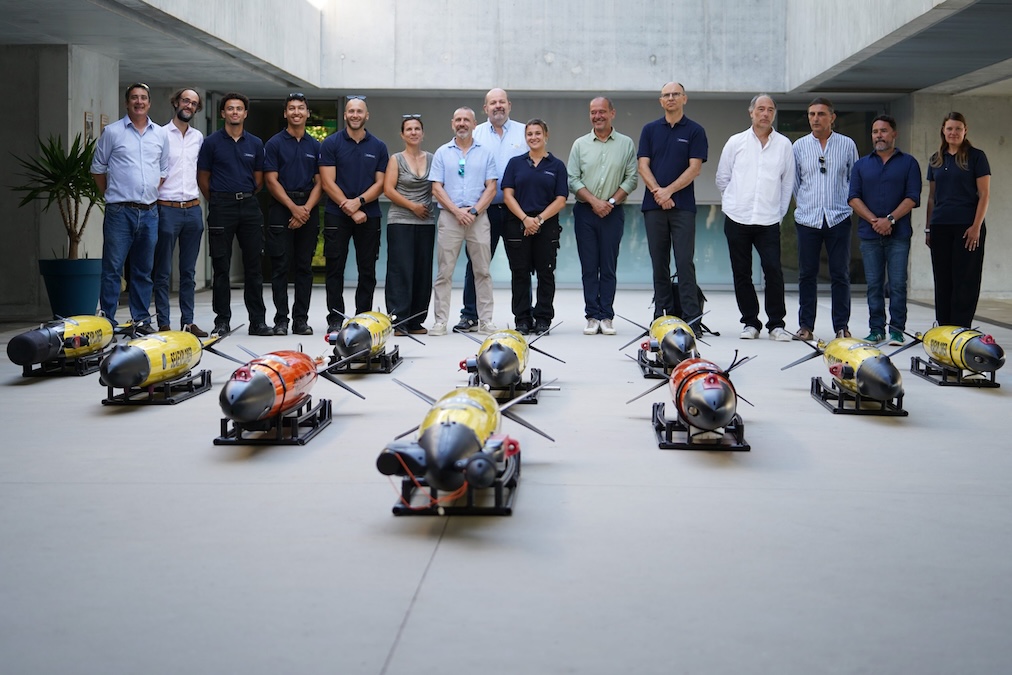
To achieve a comprehensive dataset, the 10 gliders have been split into two specialized technical groups. Five of the vehicles are configured to perform advanced acoustic measurements, while the remaining five are dedicated to collecting physical and biogeochemical data. Together, the synchronized observations will allow researchers to accurately characterize fine-scale ocean structures and gain new insights into their dynamics.
This mission serves as a key component of Mission 6, an initiative led by CNRS to compile a comprehensive environmental data atlas for the northwestern Mediterranean Sea. The project directly supports the international environmental goals of the Biodiversity Beyond National Jurisdiction (BBNJ) Agreement, which officially entered into force in January 2026 following the United Nations Ocean Conference.
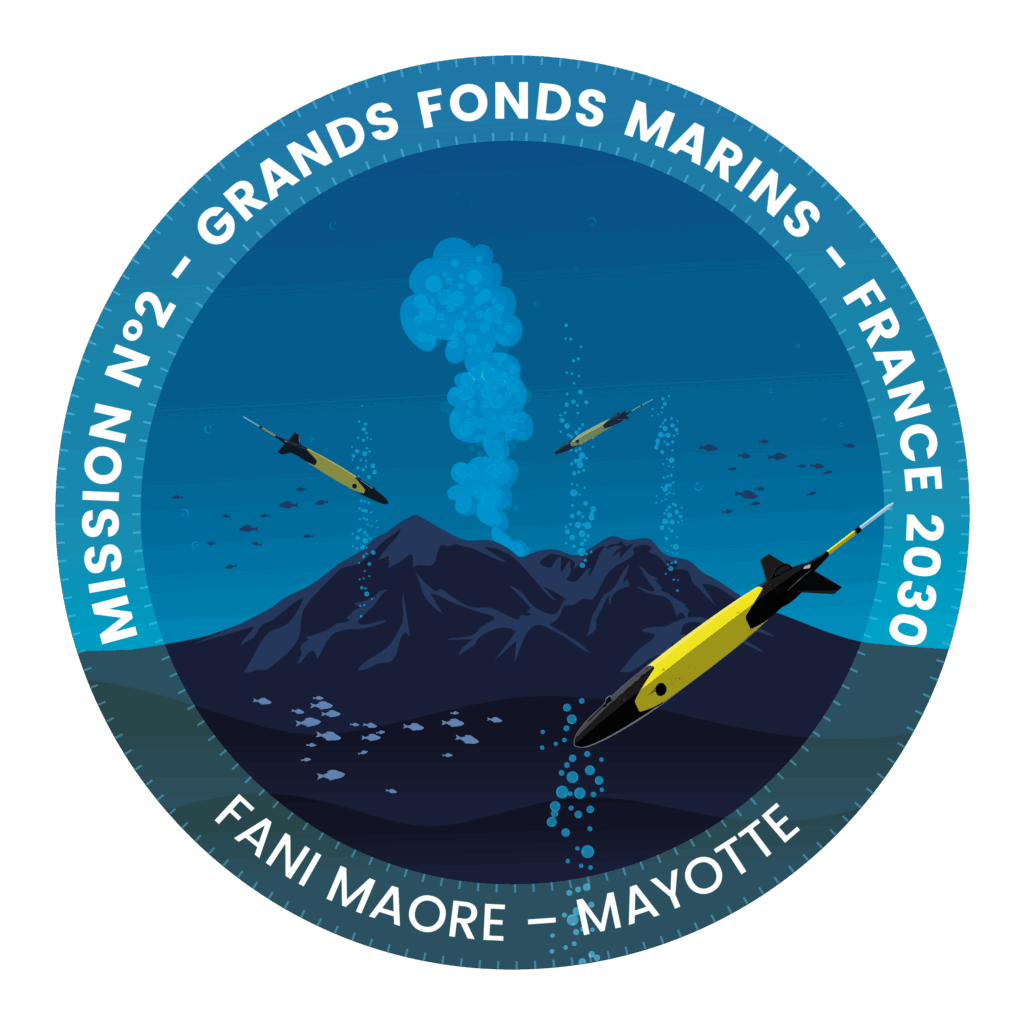
Funding for the deployment is provided through the France 2030 program, a strategic initiative originally announced by French President Emmanuel Macron in October 2021. The mission directly addresses Objective No. 10 of the program, which mandates investment in the exploration and knowledge of the seabed.
As a broader economic initiative, France 2030 represents a €54 billion investment designed to accelerate technological innovation and sustainably transform core sectors such as energy, health, automotive, aeronautics, and space. The program dedicates 50 percent of its capital to decarbonization efforts and the remaining 50 percent to emerging innovators, operating strictly under the “Do No Significant Harm” environmental principle.
Governed by the General Secretariat for Investment on behalf of the Prime Minister, France 2030 projects are selected via competitive calls and implemented by ADEME, the French National Research Agency, Bpifrance, and the Caisse des Dépôts et Consignations.