


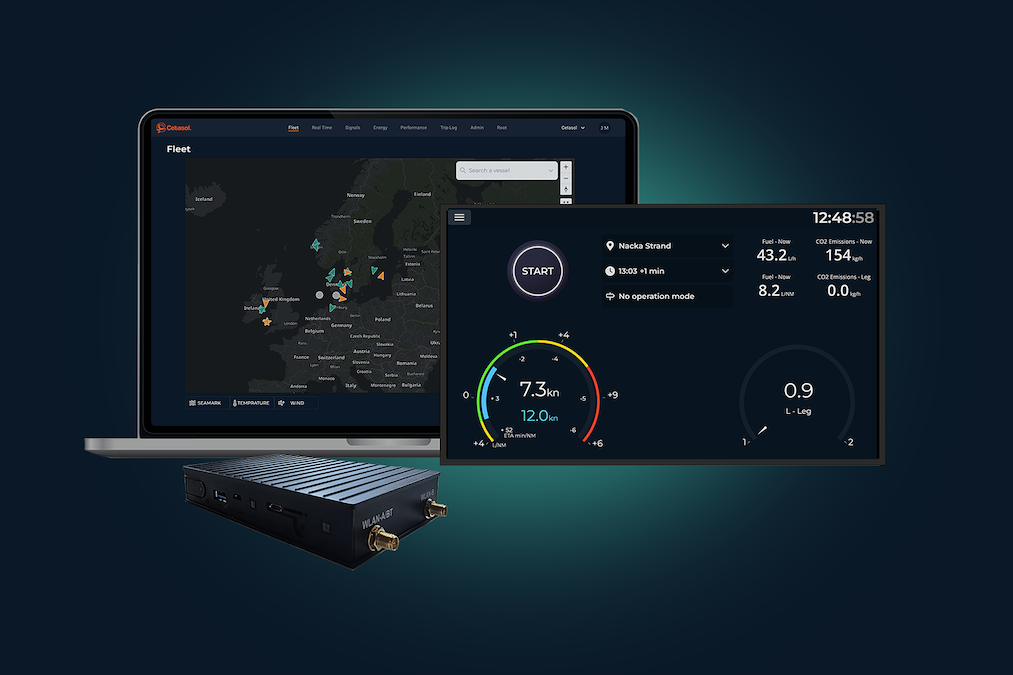
In this Q&A, Veronica Soderbergh, Marketing Manager at Cetasol, discusses the operational challenges driving adoption of the company’s iHelm platform, how real-time and historical vessel data can support decision-making, and the role of AI in improving efficiency and predictive monitoring.
What operational challenges are vessel operators most commonly trying to solve when they first approach Cetasol?
Operators usually have two major problems they are wanting to solve when they approach us. Either it is reducing the fuel costs. Fuel is usually the major part of the cost for fleets, and to be able to reduce that cost will have a significant impact.
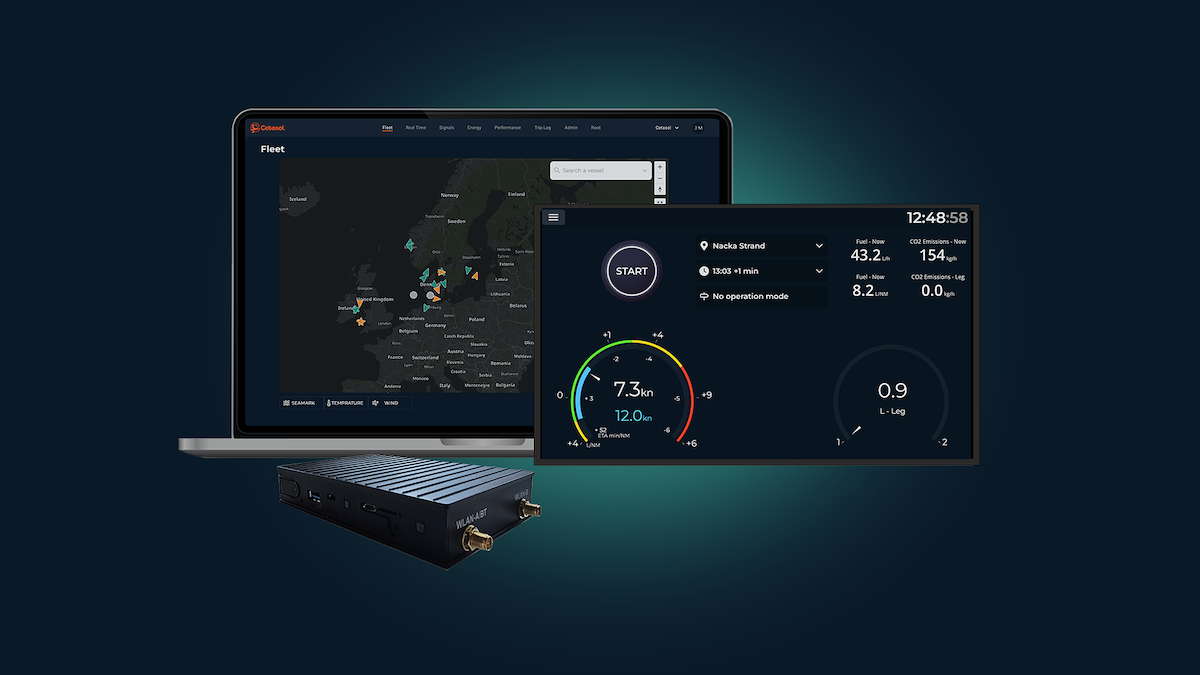
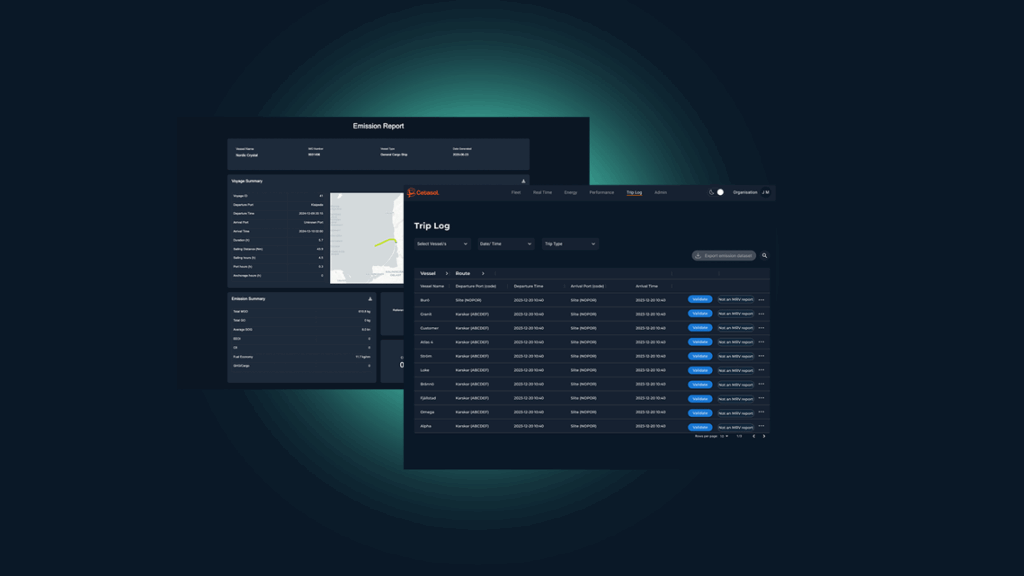
One other reason operations contact us is because of the lack of insights. You might have several vessels, either in different parts of the world or in different parts of the harbor. Do you know how much fuel each of them are using? If one engine starts acting differently? And what about if there is an accident, what happened the seconds before that? We can provide both real-time and historic data to give that full vessel overview.
How does iHelm turn vessel performance data into recommendations that crews and shore-based teams can act on?
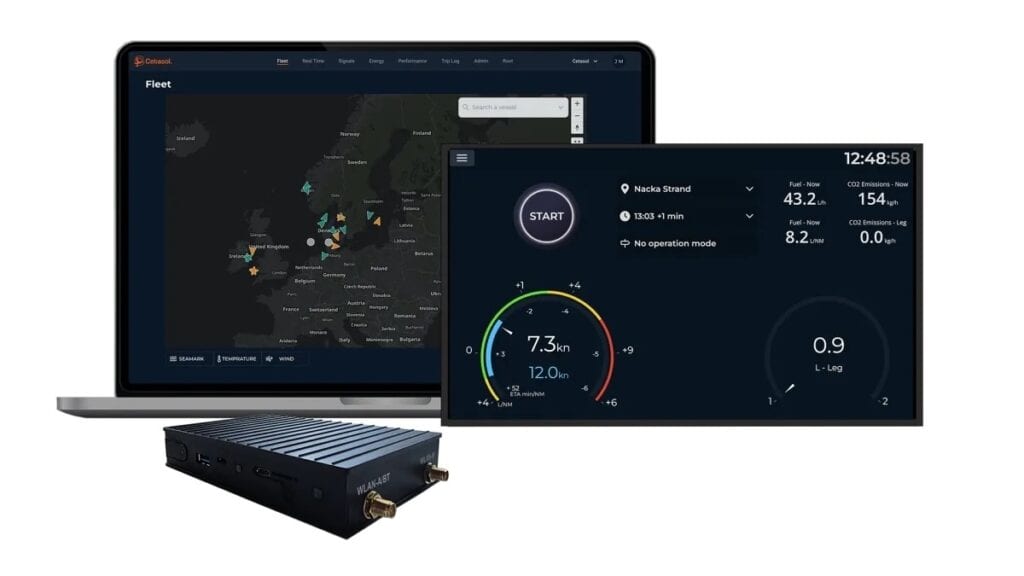
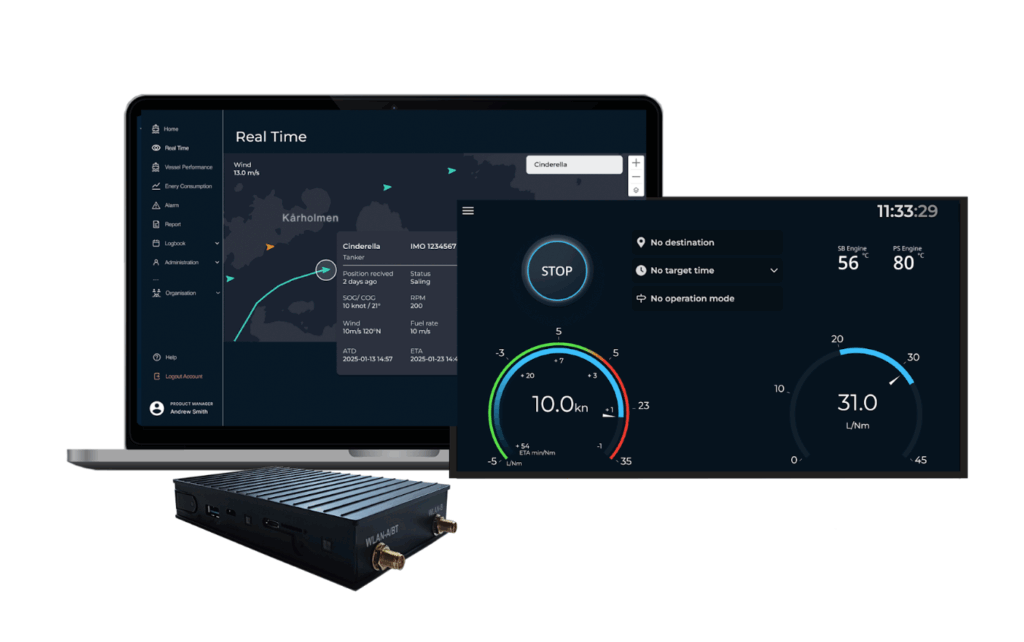
By installing our small pc (cmu) onboard the vessel, we gather real-time data from the engines and navigation (and other available signals), this together with driving patterns, weather and our AI model gives us a full picture of the vessel. With this picture, we can provide the captain with real-time recommendations onboard for fuel savings while arriving in time. The shore-based personell will have access to all of the data, sorted and presented in our iHelm cloud where they can see the vessels in real-time and see trends over time.
How can fleet-wide benchmarking help operators identify best practices across different vessels, crews, or routes?
When you have multiple vessels operating on similar routes, benchmarking becomes a powerful tool. By comparing fuel consumption, speed profiles, and engine behaviour across vessels, you can start to identify what good looks like, and why some vessels or crews consistently perform better than others. Is one captain consistently using 10% less fuel on the same route? Is one vessel’s engine showing higher consumption than a sister vessel? These patterns are almost impossible to spot without data.
With iHelm, fleet managers can compare vessels side by side, identify top performers, and use those insights to raise the standard across the entire fleet. The goal isn’t to single out underperformers, it’s to share what works and make best practice the norm across every vessel and crew.
For operators working with older vessels or mixed fleets, what considerations are important when adopting digital performance tools?
Our iHelm solution is adaptable to any vessel. We can support you in transforming your analog vessel to become digital. Different types of operations can benefit from and use iHelm in different ways. A ferry may benefit from the onboard solution and fuel savings, while for tug vessels it might be more interesting to be able to see fuel and engine trends in the cloud.
How do you see AI-driven vessel monitoring evolving as operators look to reduce costs, improve uptime, and meet sustainability targets?
We are only at the beginning of what AI can do for vessel operations. Right now, AI helps us provide real-time recommendations and identify patterns that would be impossible to detect manually. But the next step is moving from reactive to truly predictive, where the system flags a potential engine issue weeks before it causes a problem, or automatically adjusts recommendations based on changing weather, cargo load, or fuel type.
As regulatory pressure around emissions increases and fuel costs remain high, the operators who invest in data-driven operations today will have a significant advantage.
The vessels generating the most data and using it most intelligently will be the most competitive, and the most sustainable. That is the direction the industry is heading, and it is what we are building toward at Cetasol.