

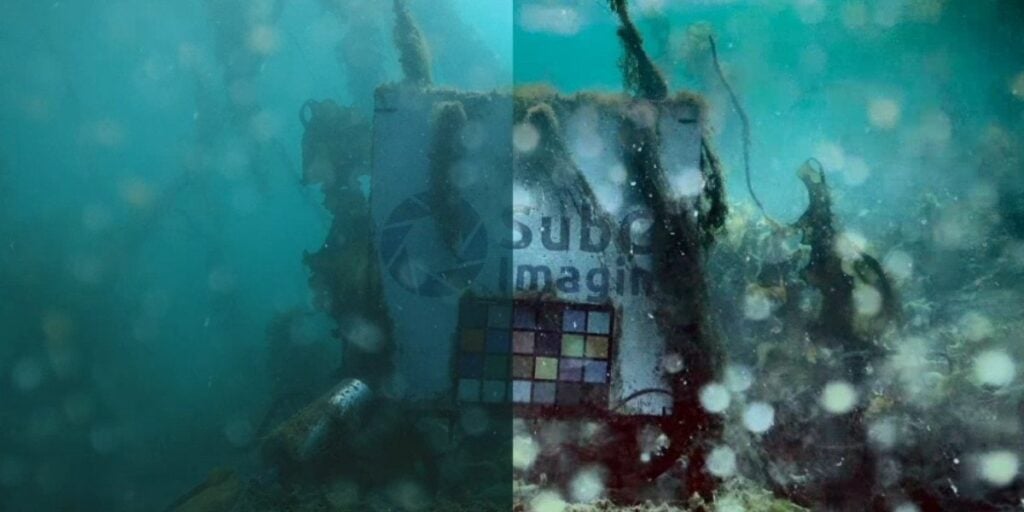
Underwater inspection teams frequently have to make operational decisions before recorded footage can be reviewed or enhanced in post-processing. SubC Imaging addresses this requirement across its Rayfin cameras and DVR+ systems by allowing operators to enhance live underwater video in real time, helping improve visibility when turbidity, haze, low light, or reduced contrast make subsea details difficult to distinguish.
Visibility Challenges During Live Inspections
Underwater imaging conditions can change significantly during an inspection or survey. Turbidity, suspended particles, inconsistent illumination, and low contrast can reduce image clarity, while currents, depth, weather, seabed disturbance, and the nature of the operation itself can alter visibility even when the surrounding water is otherwise relatively clear.
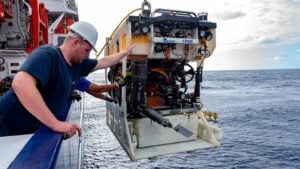
These conditions have direct implications for ROV pilots, inspectors, and other operators who rely on the live video feed. Features often need to be identified, conditions assessed, and usable visual data captured while the vehicle remains in the water.
As a result, recorded image quality is only part of the imaging requirement. The clarity of the live video feed can also affect how effectively an inspection or survey progresses.
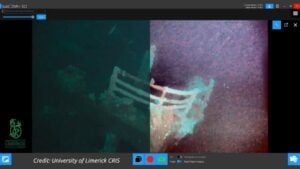
When footage is difficult to interpret, operators may need to reposition an ROV, modify lighting, repeat passes, or spend additional time confirming details that would otherwise have been visible immediately.
During offshore inspection work, this can increase operational time and reduce confidence in observations made during the dive. Survey teams can face similar difficulties when attempting to distinguish features, recognize anomalies, or maintain consistent visual documentation.
Severe visibility loss is not always required for these problems to occur. Haze, suspended material, and underwater lighting can reduce contrast while leaving the underlying detail present in the image. The information may still have been captured, but interpreting it during the live operation can become more difficult.
Extended periods of viewing dark, murky, or low-contrast imagery can also place additional strain on pilots and inspection personnel during long operating shifts.
Why Post-Processing Is Not Enough for Live Operations
Post-processing remains useful for improving footage intended for reporting, analysis, review, or archival purposes. Inspection and survey teams can enhance imagery after a deployment to improve the clarity of final deliverables.
That workflow, however, does not address visibility problems while an operation is underway. Live inspection teams still need to navigate, locate areas of interest, assess findings, verify image quality, and make immediate operational decisions. If image limitations only become apparent during post-processing, footage may later prove insufficiently clear for inspection review or reporting.
Depending on the operation, this can result in repeated inspections, additional vessel time, or incomplete visual documentation.
Enhancing the video feed while the vehicle remains deployed gives operators an opportunity to respond immediately instead. Viewing conditions can be adjusted during the inspection or survey rather than relying exclusively on improvements made after recovery.
Real-Time Enhancement Across Rayfin and DVR+
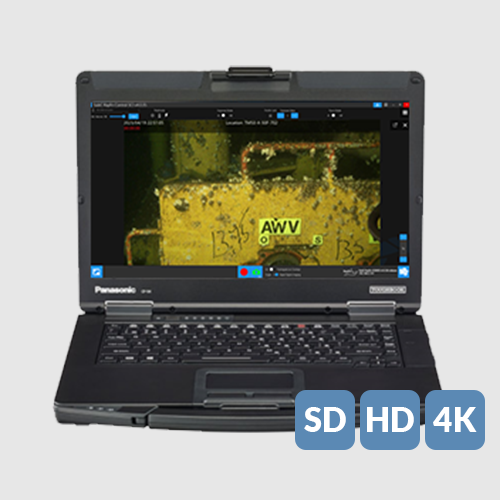
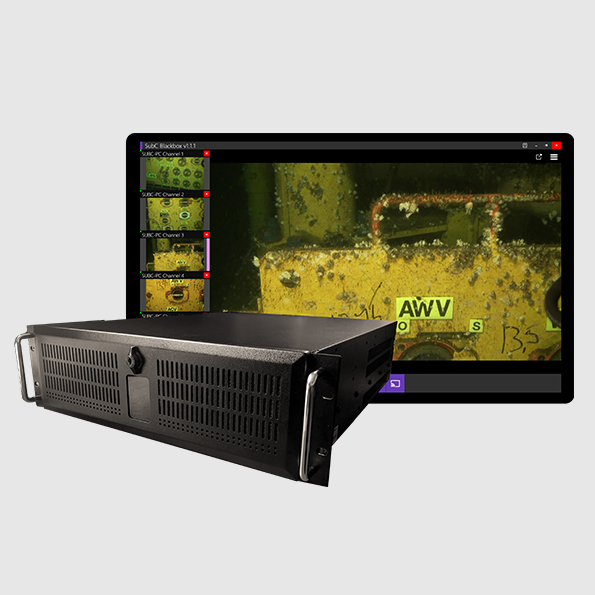
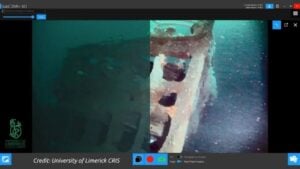
Across all Rayfin cameras and DVR+ systems, operators can enhance live underwater video in real time with a single click.
The capability is intended to improve live visibility in conditions including turbidity, haze, and low-light environments, where features may be difficult to distinguish in the standard video feed.
Increasing contrast and image clarity during live operations can make subsea infrastructure, marine growth, corrosion, structural features, damage, and other areas of interest easier to identify while the vehicle is still underwater.
Because the enhancement is applied immediately to the live view, inspection teams can evaluate the resulting imagery during the operation and make further adjustments where required. This can help reduce repeated positioning, unnecessary inspection passes, and uncertainty while the work is being carried out.
The enhancement is not intended to artificially change the underwater scene or substitute for appropriate lighting and camera configuration. Lighting, camera setup, and other imaging fundamentals remain important. Instead, the capability provides an additional means of improving the usability of live imagery when operating conditions are unpredictable.
Integrating Enhancement Into the Imaging Workflow
Providing the same live video enhancement capability across the Rayfin and DVR+ ecosystem also creates consistency between different system configurations and deployment types.
The feature remains part of the imaging workflow whether the system is being used for offshore inspections, marine research, infrastructure surveys, or live ROV deployments.
As the enhancement is incorporated directly into the system, separate processing software or additional hardware is not required to improve live visibility during an inspection. This can simplify deployment by keeping the enhancement process within the imaging system already being used by operators in the field.
Supporting Real-Time Underwater Decision-Making
Live video is a primary source of information during many underwater inspection and survey operations. Reduced visibility can make even routine activities slower and more difficult by limiting how readily operators can interpret the scene in front of the vehicle.
Improving the clarity of that live feed can help teams assess underwater conditions, identify relevant features, and evaluate the visual data being collected while an operation is still in progress.
For inspection and survey workflows that depend on immediate interpretation of subsea imagery, real-time enhancement provides a way to address visibility limitations at the point when operational decisions are being made, rather than only after the footage has been recorded.