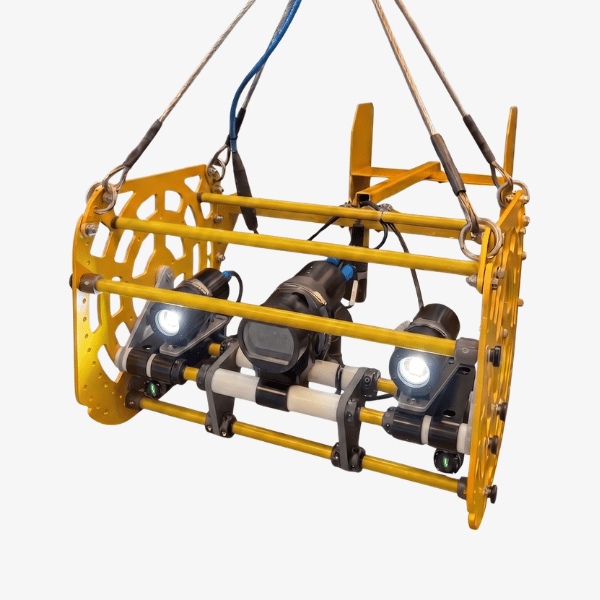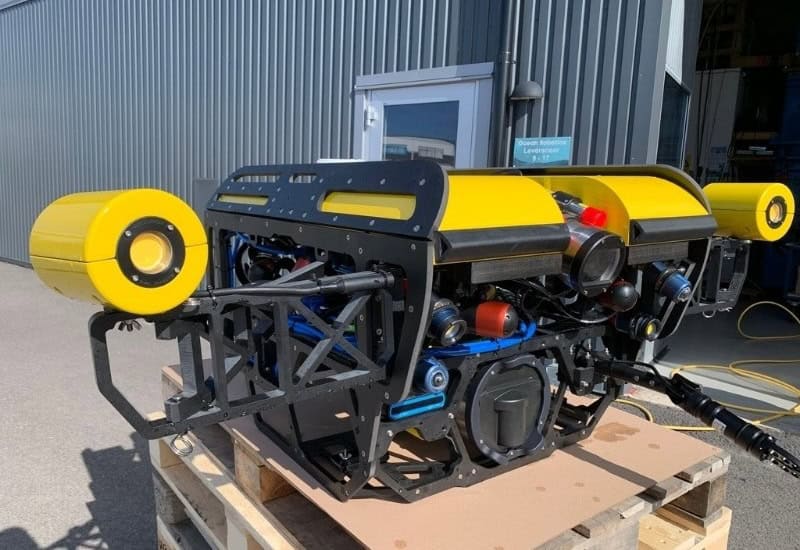

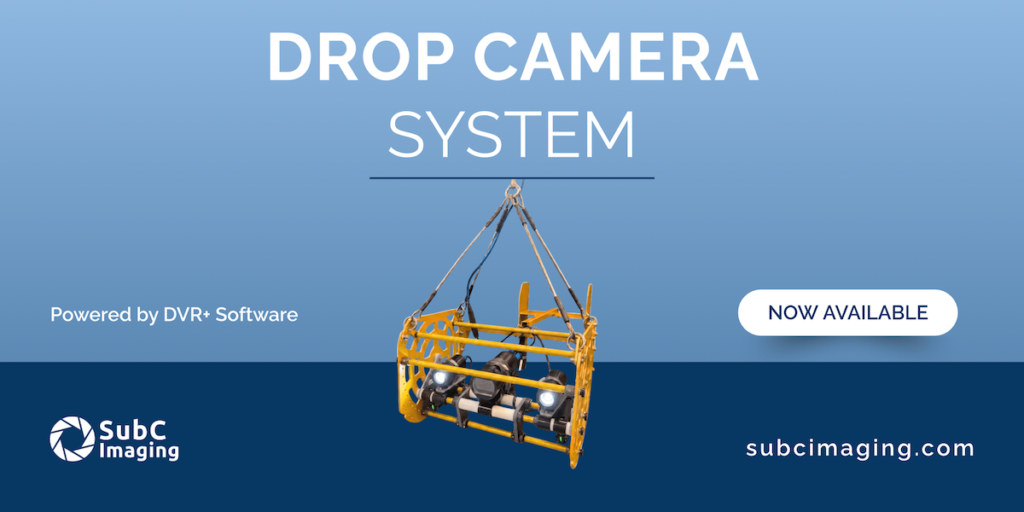
SubC Imaging has expanded its underwater survey portfolio with the launch of the Drop Camera System, an integrated, ready-to-deploy platform built specifically for vertical drops, drifting surveys, and no-contact seafloor imaging.
Marine researchers, environmental consultants, and survey teams frequently rely on custom-fabricated drop frames assembled from disparate equipment, a practice that often demands significant time and technical resources to build and maintain. At the same time, expanding environmental monitoring programs within marine protected areas, coral reefs, and other sensitive habitats have driven the demand for specialized survey tools that minimize physical disturbance to the seabed. The Drop Camera System addresses these operational challenges by consolidating imaging, recording, lighting, and data collection into a single, professionally engineered framework.
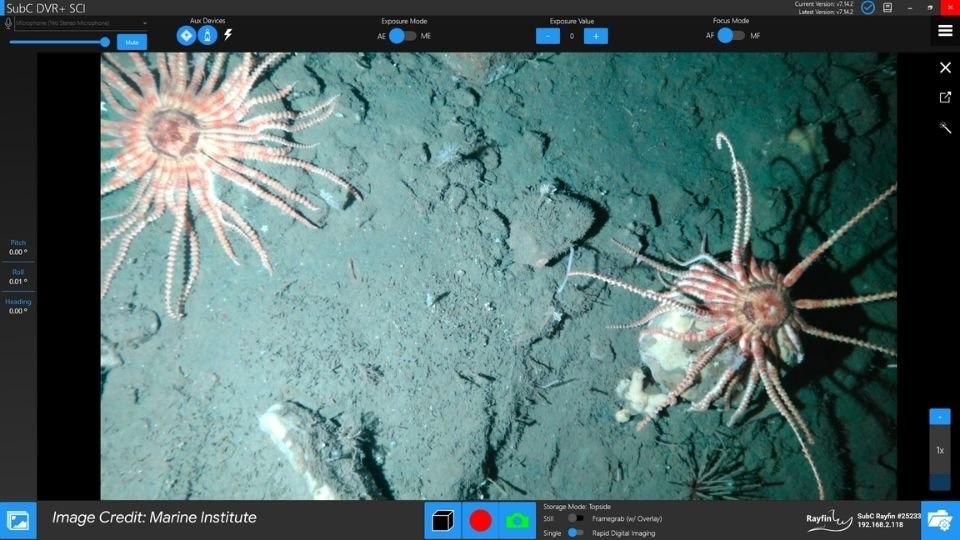
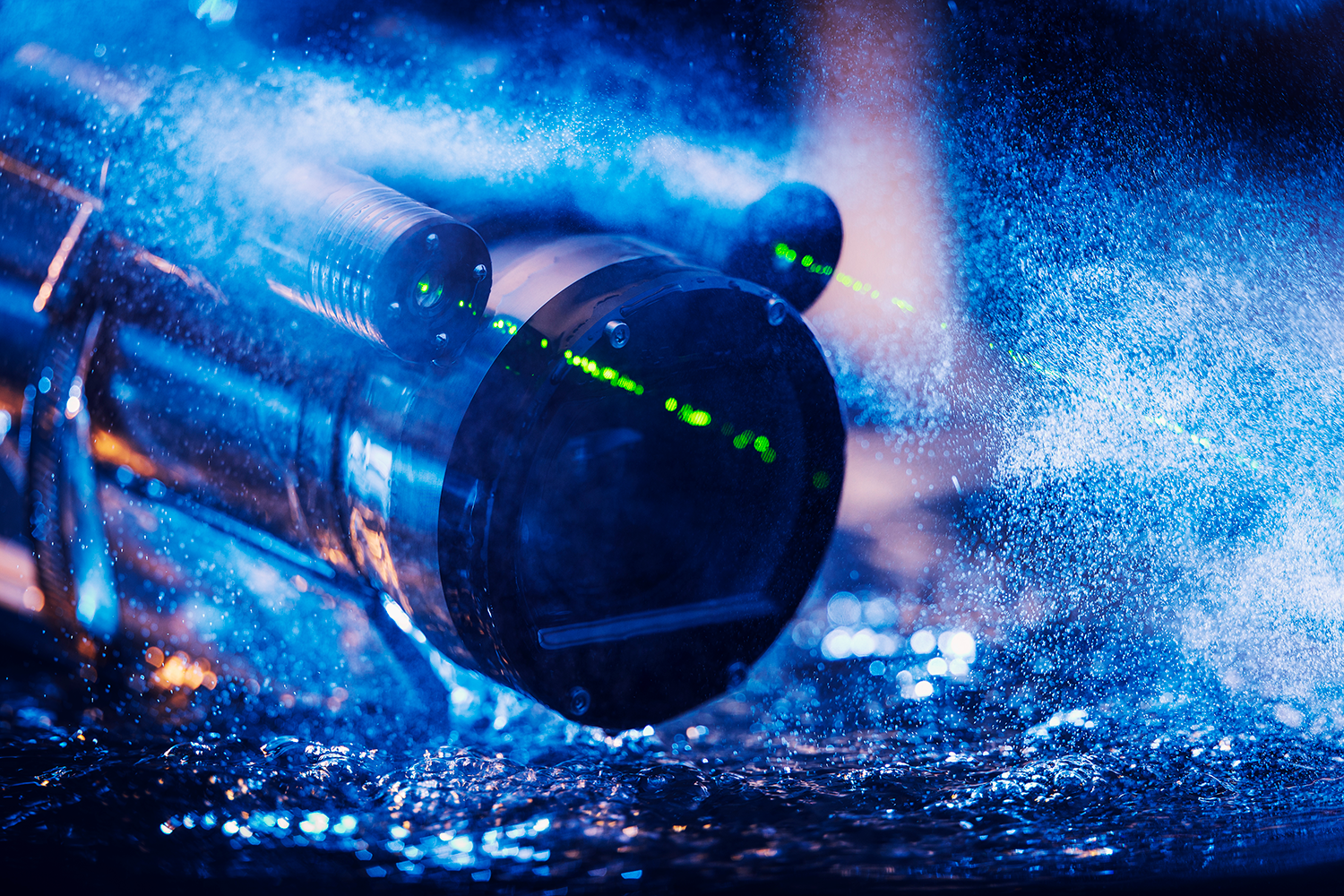
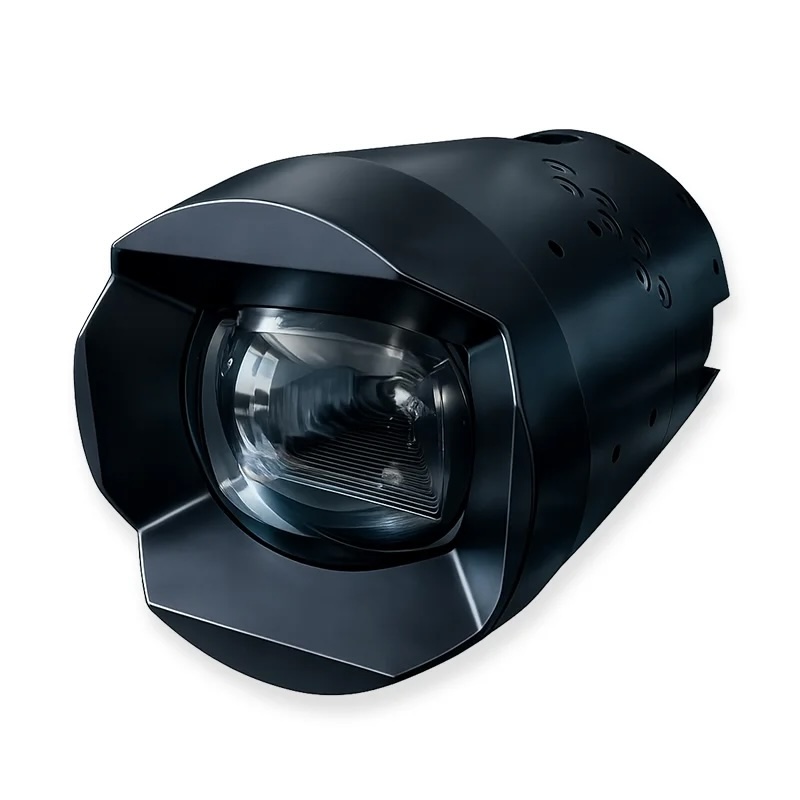
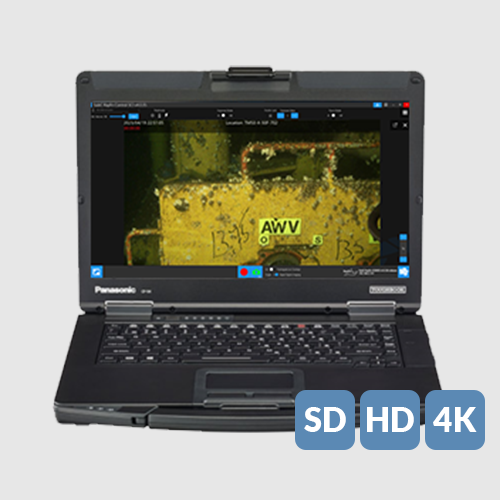
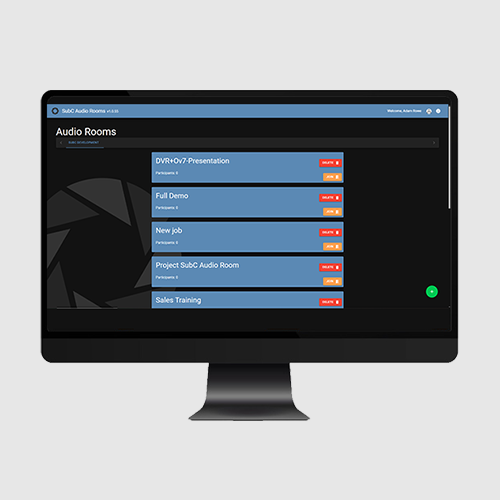
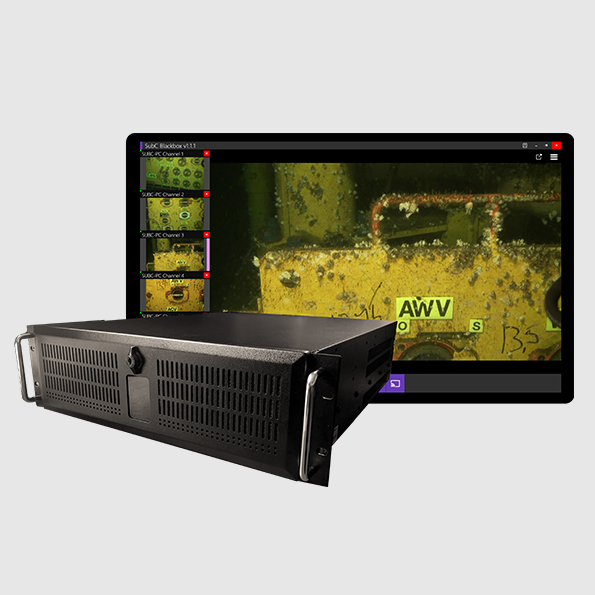
At the core of the new platform is a Rayfin Coastal camera featuring integrated Aquorea LED lighting and built-in DVR+ software. The system supports high-definition and 4K video recording, 12.3-megapixel still image capture, metadata logging, and image enhancement. Operators can also utilize optional scaling lasers for specialized measurement and sizing applications during surveys.
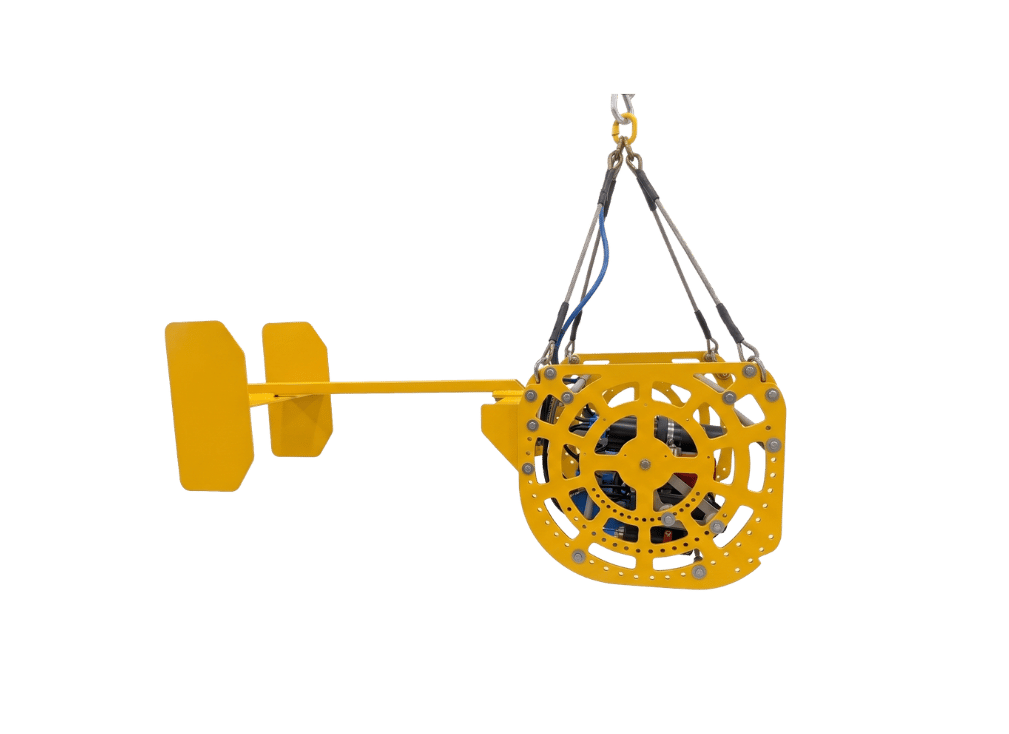
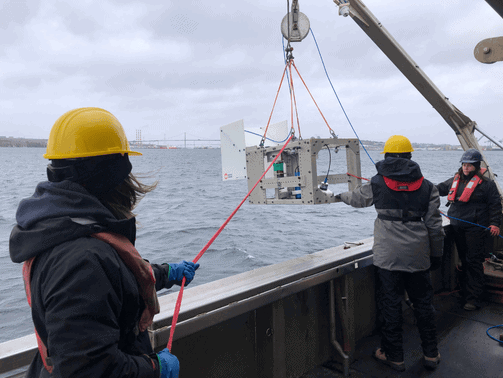
Engineering focus was also directed toward field simplicity and deployment efficiency, particularly from smaller research vessels, workboats, and vessels of opportunity. The rugged aluminum frame features an integrated stabilization tail to improve underwater tracking and image consistency during vertical drops, drifting deployments, and slow transects. To ensure reliability in shifting ocean currents, the frame design was mathematically optimized and validated through flume tank testing at the Marine Institute.
To further reduce field complexity, the platform utilizes SubC Kevlar Data Cables alongside Boost-Power Comms technology. This setup delivers power, video, camera control, and sensor data through a single lightweight connection, reducing overall cabling complexity and improving handling efficiency.
The no-contact approach allows operators to collect high-quality data during habitat assessments, environmental baseline studies, and rapid site investigations while supporting environmental stewardship goals. This new system complements the company’s existing Tow Camera System, providing an additional tier of utility for marine operations that require deployment flexibility without the need for continuous seafloor tracking or passive altitude control.