


The Oceans Technology Graduate Certificate (OTEC) program at the Nova Scotia Community College (NSCC) Ivany campus is utilizing advanced subsea imaging systems from SubC Imaging to train the next generation of ocean technology professionals.
The one-year graduate curriculum spans oceanography, navigation and positioning, marine safety, underwater robotics, acoustics, and imaging, combining classroom learning with intensive fieldwork. Throughout the program, students complete practical exercises designed to build technical knowledge and operational confidence, such as deploying moorings and acoustic receivers in Halifax Harbour, conducting beach erosion studies with drones, and building baited remote underwater video systems (BRUVS).
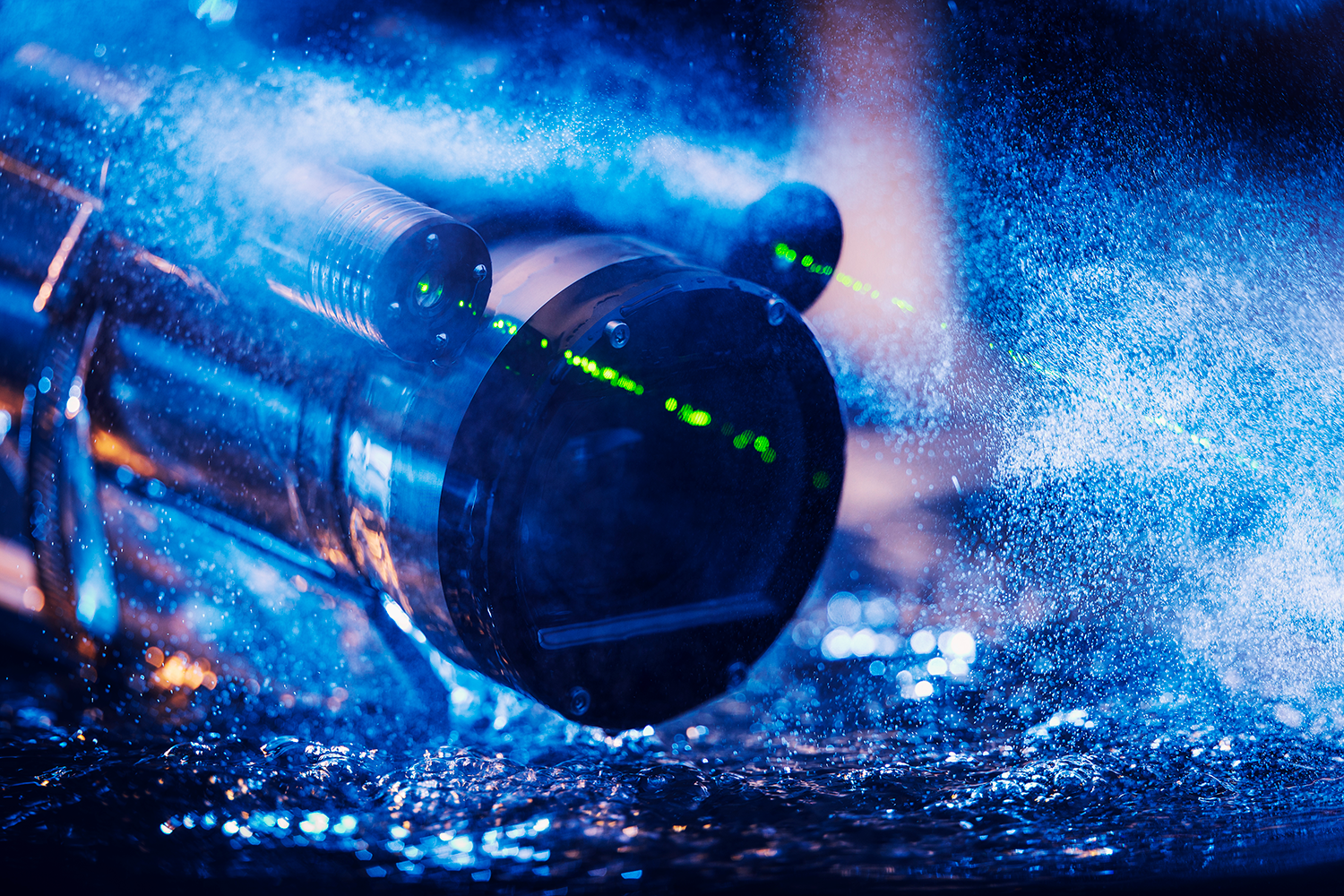
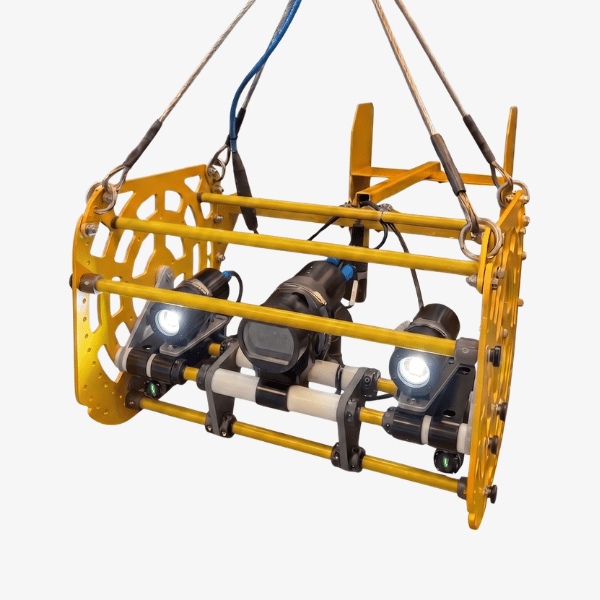
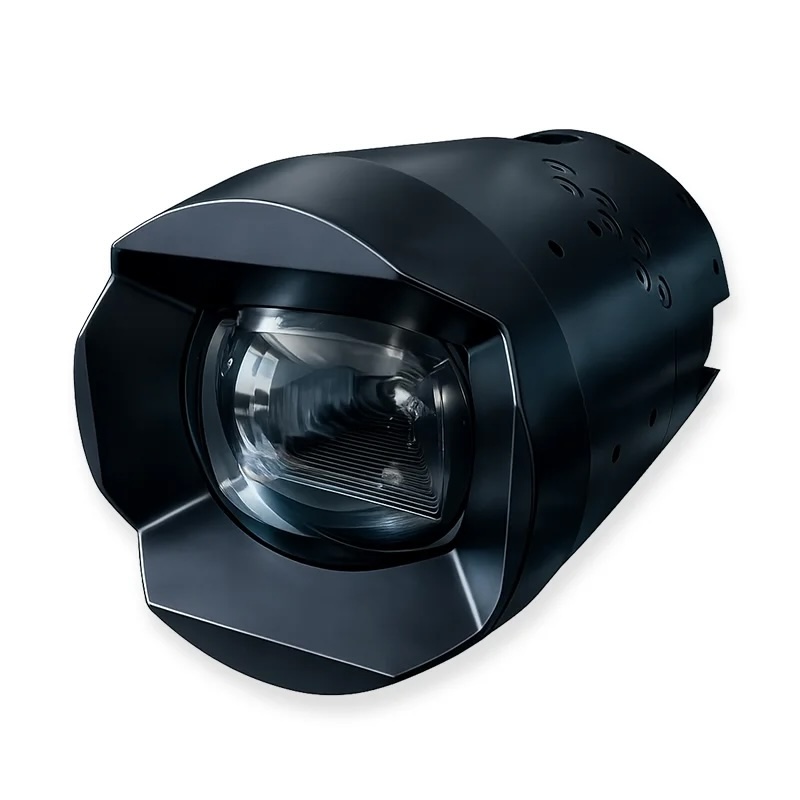
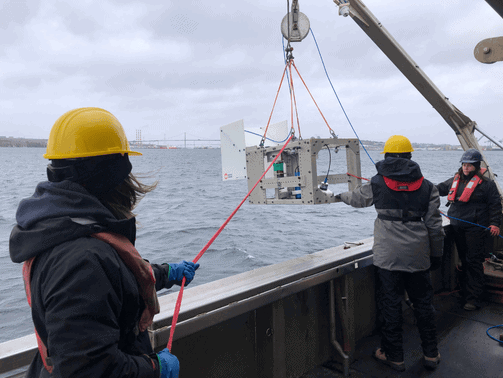
A key component of the training occurs each March during a week-long offshore field camp aboard a large research vessel. Working as a team, students prepare, deploy, and recover a variety of ocean systems, including autonomous vehicles, moorings, and imaging platforms. SubC Imaging has supported this field training for the past three years by providing a Rayfin underwater camera system equipped with LED lights and MantaRay lasers.
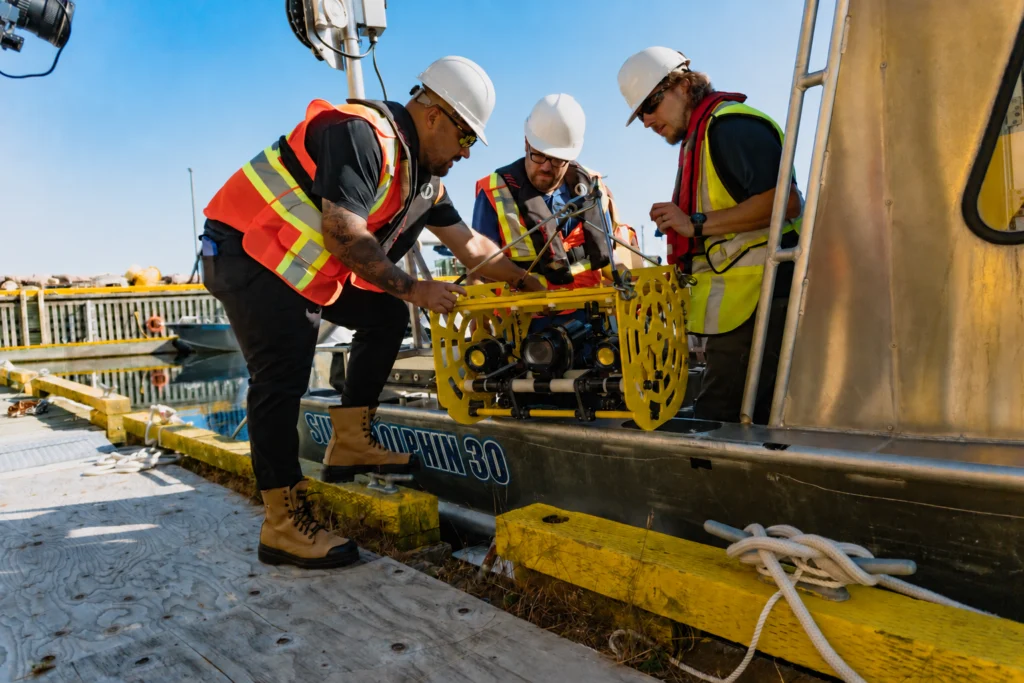
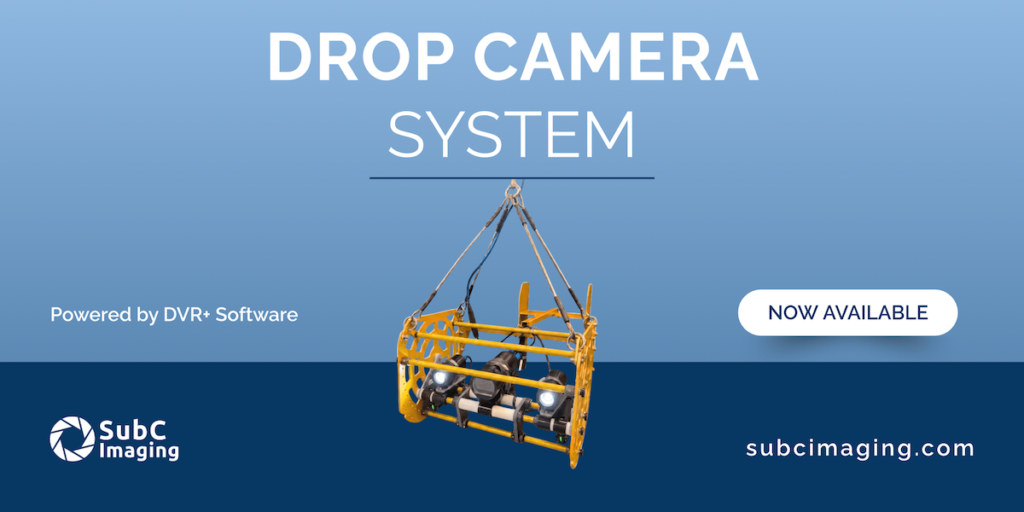
Students learn to rapidly configure the imaging system, integrate it onto a drop frame, and operate it at sea. During deployments, the camera is lowered to within a metre of the seabed to capture benthic habitat videos along transects, most recently in the Narrows, the body of water connecting Halifax Harbour to the Bedford Basin in March 2025.
“Getting the students working with industry-standard technology like the SubC Rayfin makes all the difference,” says Stéphane Kirchhoff, OTEC program instructor. “They aren’t just reading about underwater imaging, they’re learning to integrate lights, lasers, and cameras, manage electro-mechanical tethers, and troubleshoot in real time.”
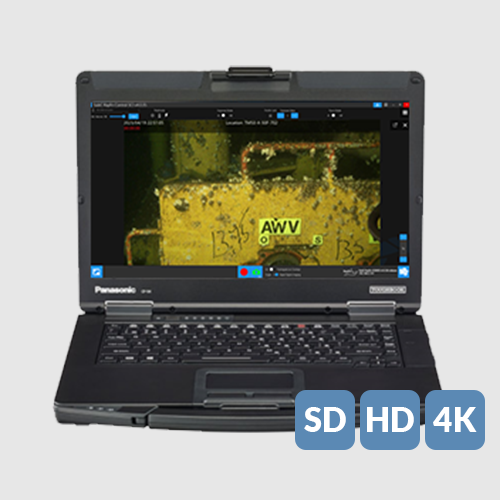
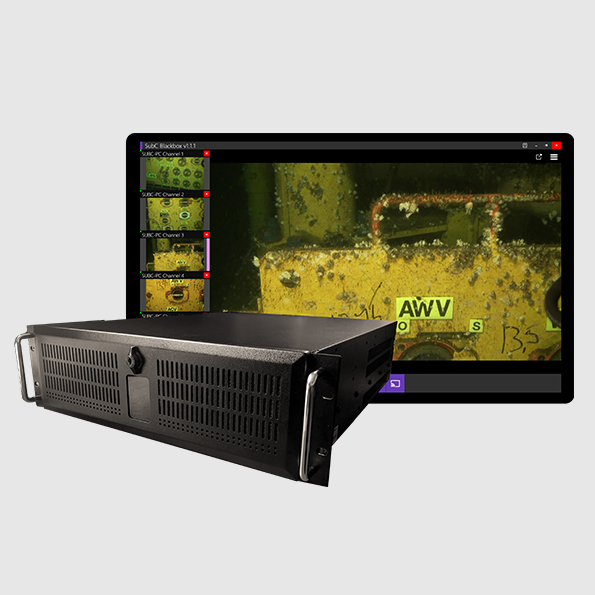
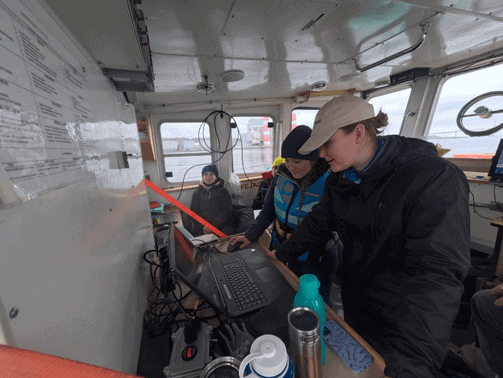
During the expedition, students rotate between operational roles, from managing winches and tethers on deck to monitoring live video feeds in the control center. This structure mirrors the teamwork required in real offshore operations, ensuring graduates develop both technical proficiency and a strong sense of operational collaboration.
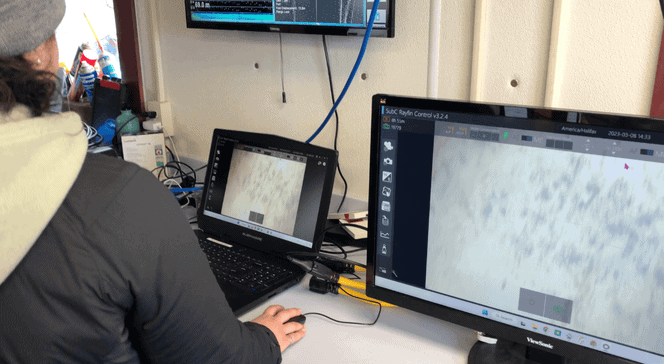
“Nothing beats a visual of the seafloor,” adds Alfred White, OTEC program instructor. “Seeing benthic habitats on-screen connects everything they’ve studied in the classroom. It brings the theory to life and gives them confidence that they can handle these systems in their future careers.”
By working directly with this technology, OTEC graduates gain practical experience with equipment trusted by operators and researchers worldwide. This exposure strengthens their technical skill sets and prepares them to contribute immediately to the offshore energy, marine science, and defense industries.