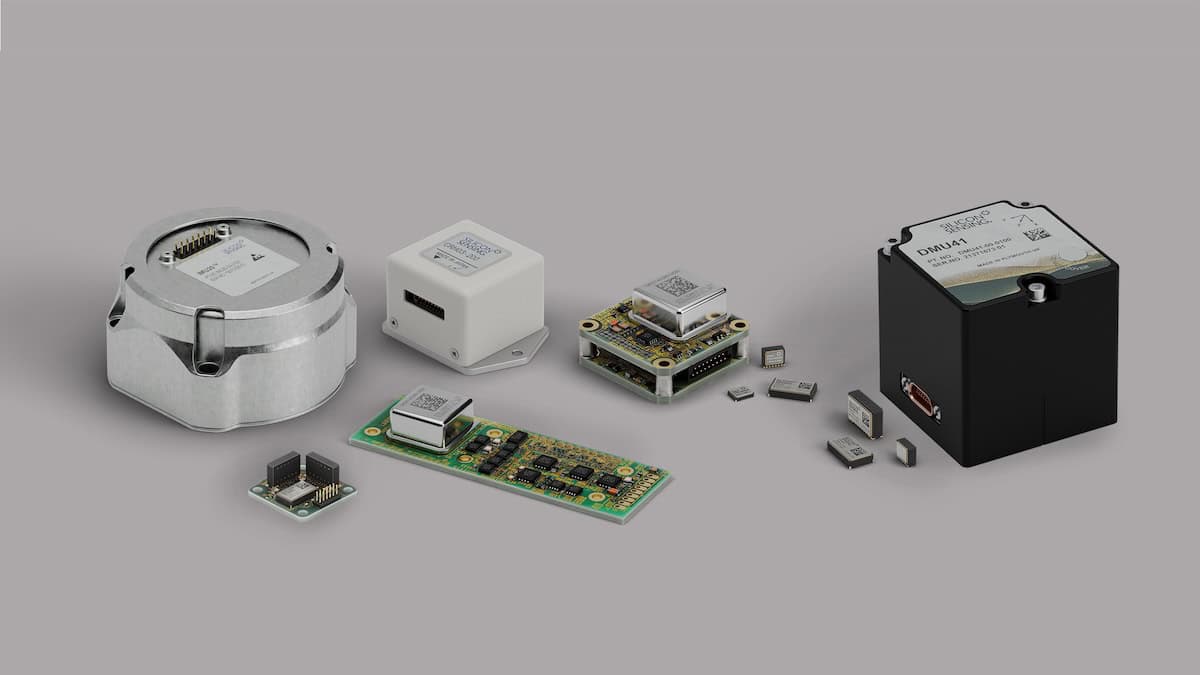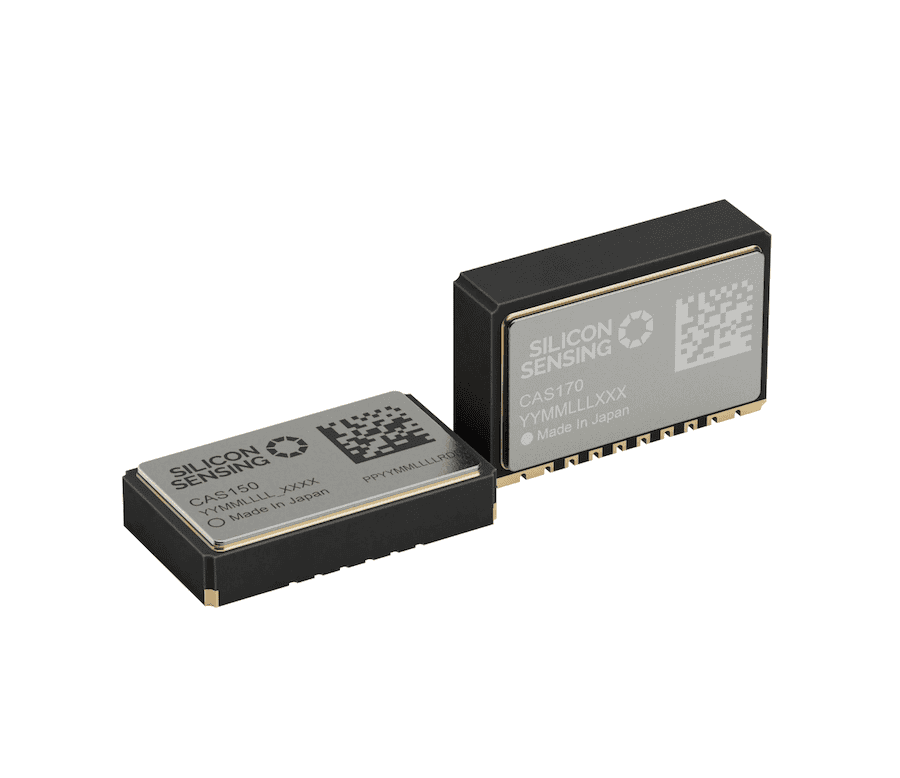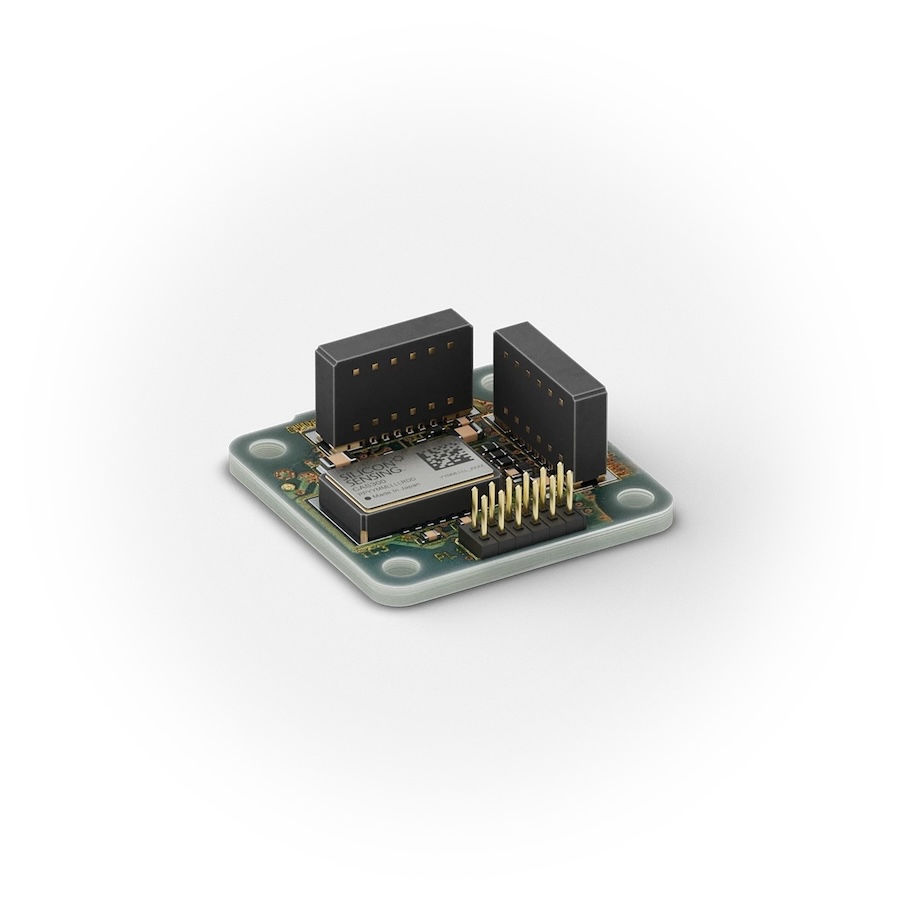



In a conversation with OST, Kevin Swain, Head of Sales and Business Development at Silicon Sensing, discusses how MEMS inertial sensing can complement Doppler and acoustic technologies to support accurate Autonomous Underwater Vehicle (AUV) navigation.
 Subsea navigation starts from a fundamental limitation: submerged vehicles cannot rely on Global Navigation Satellite Systems (GNSS), while optical references are also unavailable.
“There’s no GPS signal, no optical reference,” Swain explains.
Acoustic positioning can provide an external reference, but may depend on relative or absolute networks or support from a host vessel, potentially limiting range, accuracy or precision.
Doppler Velocity Logs (DVLs) provide velocity information, but small angular or measurement errors can develop into much larger positional errors over time and distance.
Inertial sensing complements DVL data by providing continuous motion and orientation information, helping constrain accumulated drift and support accurate navigation over longer distances. Integrated inertial and DVL solutions can also bring these capabilities together in a compact, lower-power package.
Why MEMS Suits AUV Navigation
Underwater operation also places demands on size, power and environmental performance.
Subsea systems can experience rapid thermal profiles, while temperature effects can influence complex mechanical or sensitive systems. Compact size and low power consumption are also important where vehicle space and energy are limited.
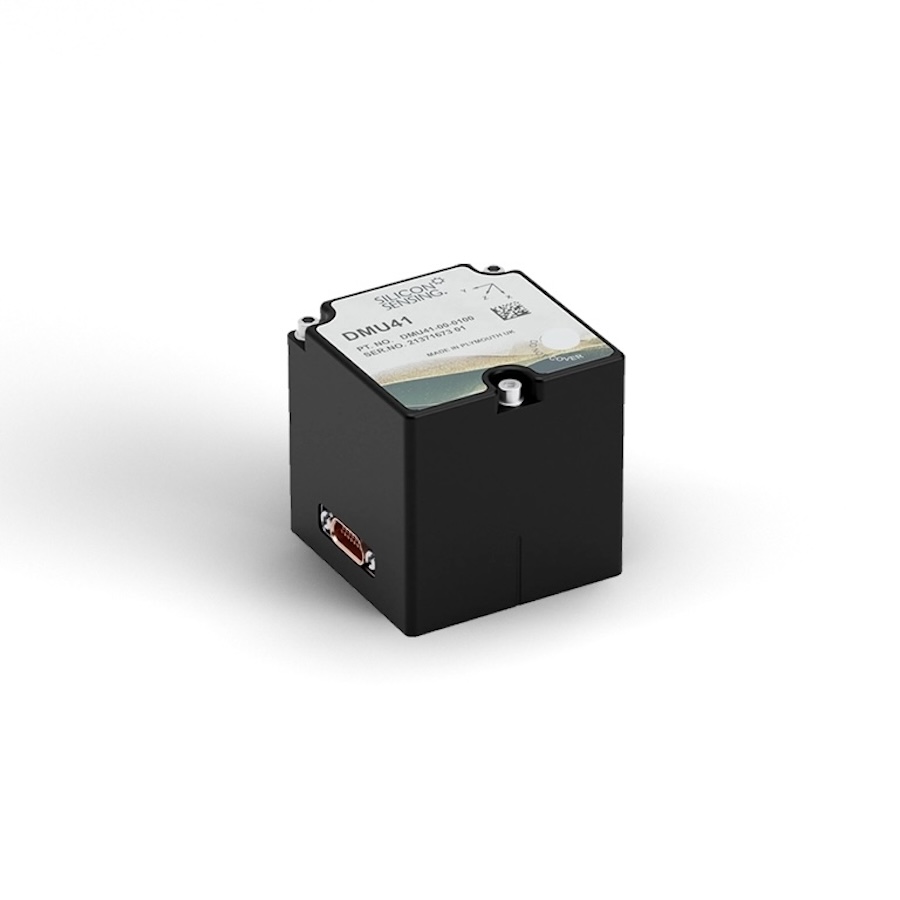
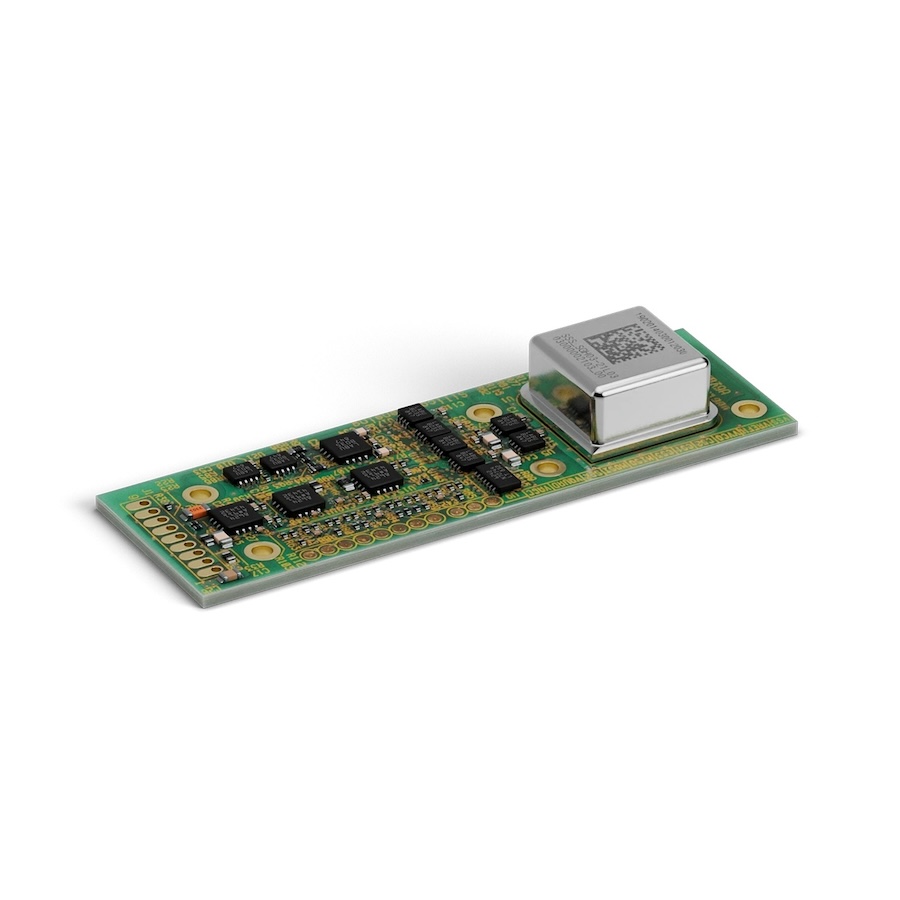
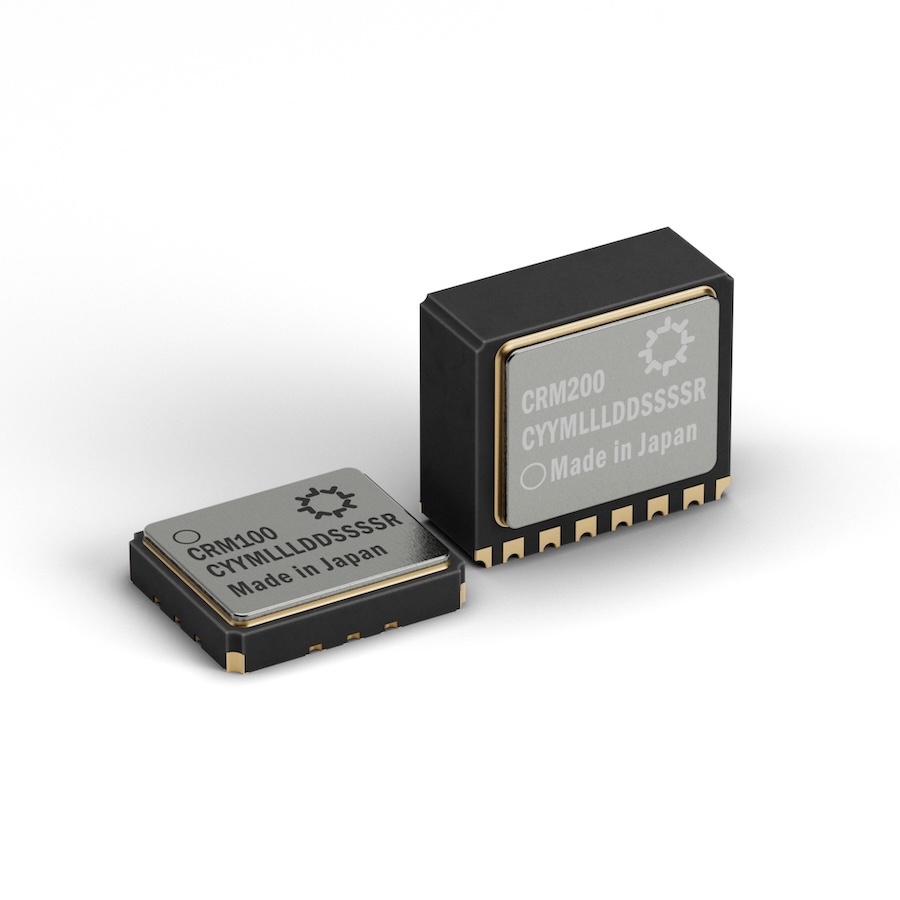
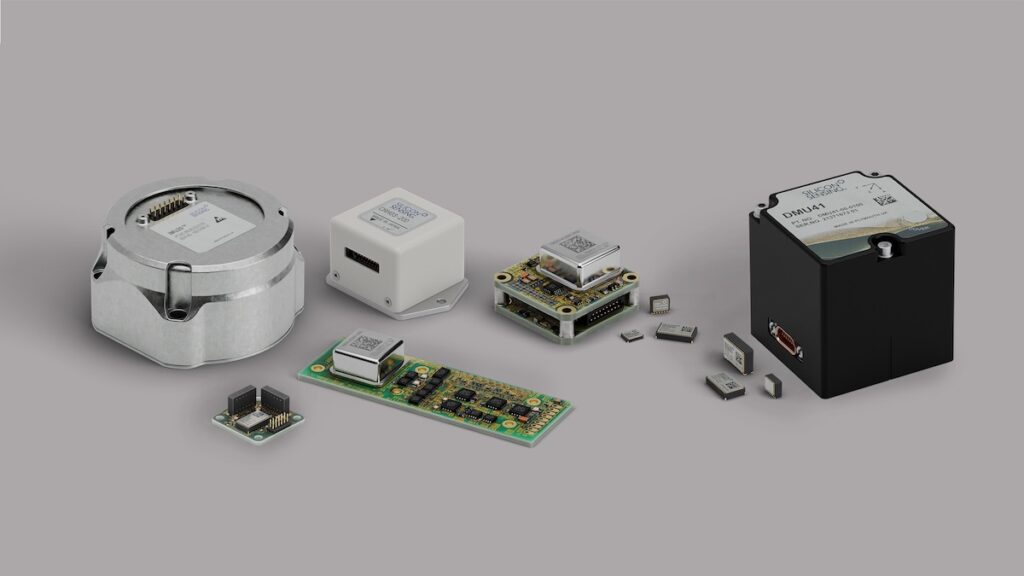
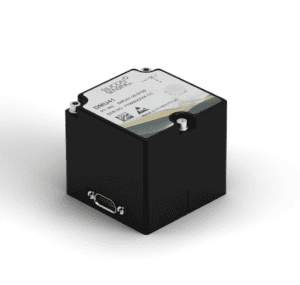 Silicon Sensing points to its tactical-grade DMU41 as an example of a compact MEMS inertial solution for integrated subsea navigation systems.
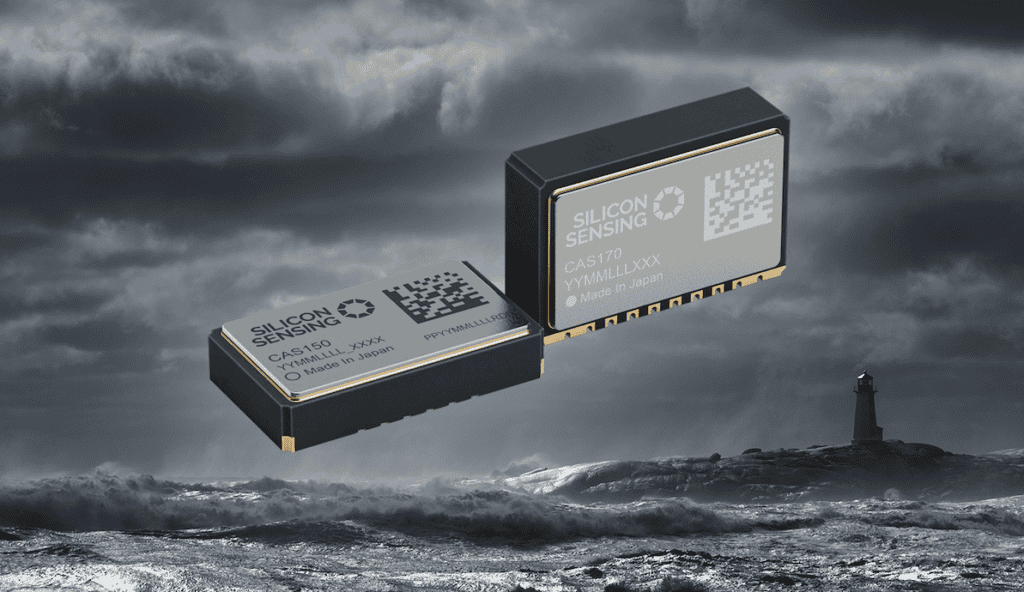
Compared with optical-based inertial systems, MEMS products can offer lower power consumption and a smaller footprint, while no moving parts support robustness in demanding environments. MEMS technology can also operate across wide temperature ranges and through high vibration and shock.
Managing Drift Over Longer Missions
For longer subsea missions, navigation performance depends on how effectively the system can constrain drift between external references.
DVL measurements provide velocity information while the inertial system continuously measures movement and orientation. Used together, these inputs can help limit the positional error that accumulates during dead reckoning.
Swain describes MEMS development over the past decade as gradual rather than the result of one major technological shift, with continued work focused on improving sensor and Inertial Measurement Unit (IMU) performance.
“We are consistently improving the sensors and evolving new technologies that relate to navigation grade,” he says.
The longer-term objective is to move towards gyrocompass- and navigation-grade performance while retaining the size and cost advantages associated with MEMS.
For AUVs, further gains could support longer periods of accurate dead reckoning, reduce accumulated positional error and enable more capable long-distance navigation without increasing platform size and power demands.
Learn more about Silicon Sensing’s MEMS inertial technologies for autonomous subsea navigation.
Kevin Swain leads the international sales and business team at Silicon Sensing Systems Ltd, a supplier of inertial products to aerospace, defence and commercial organisations worldwide. With nearly 20 years’ experience in inertial sensing, motion control and precision measurement, he works closely with engineering teams on navigation, stabilisation and system performance challenges. Swain began his career at Silicon Sensing before moving to Collins Aerospace, where he led the Inertial Business Development team, and returned to Silicon Sensing in 2024.