Greenhouse Gas (GHG) and Dissolved Gas Monitoring systems
Find suppliers and manufacturers of greenhouse gas (GHG) monitoring systems for marine, subsea, and oceanographic applications. Solutions include CO₂, CH₄, and dissolved gas sensors for use in ocean science, environmental monitoring, offshore industry, and defense.
If you design, build or supply Greenhouse Gas Monitoring, create a profile to showcase your capabilities and connect with visitors who have an active requirement for your solutions.
Greenhouse Gas (GHG) and Dissolved Gas Monitoring systems
Overview by
Eleanor Widdows
Updated:
Greenhouse gas monitoring technologies enable precise measurement of gases such as carbon dioxide, methane, and nitrous oxide in both dissolved and gaseous forms, providing essential data for carbon cycle modeling, pollution tracking, and environmental assessment. Integrated with subsea engineering platforms, these sensors support real-time analysis of gas concentrations across diverse marine settings.
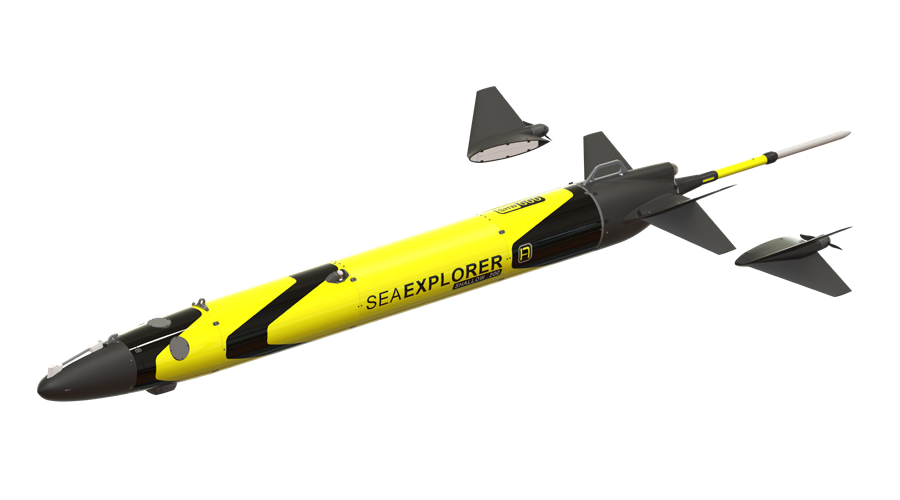
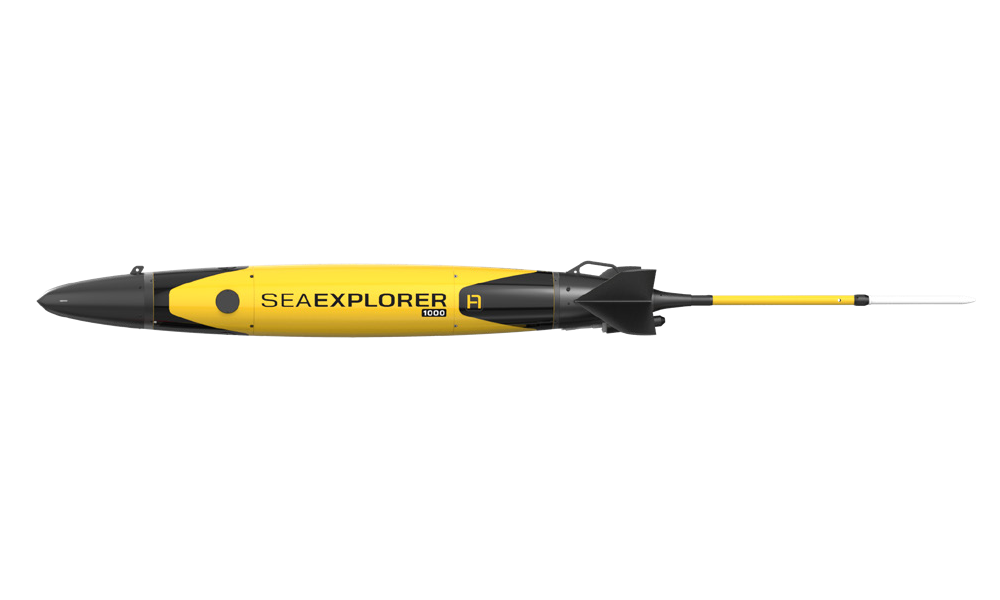
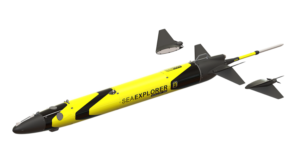
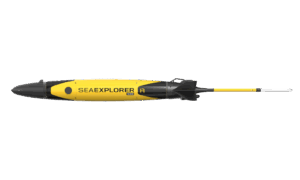
SEAEXPLORER 1000 by ALSEAMAR
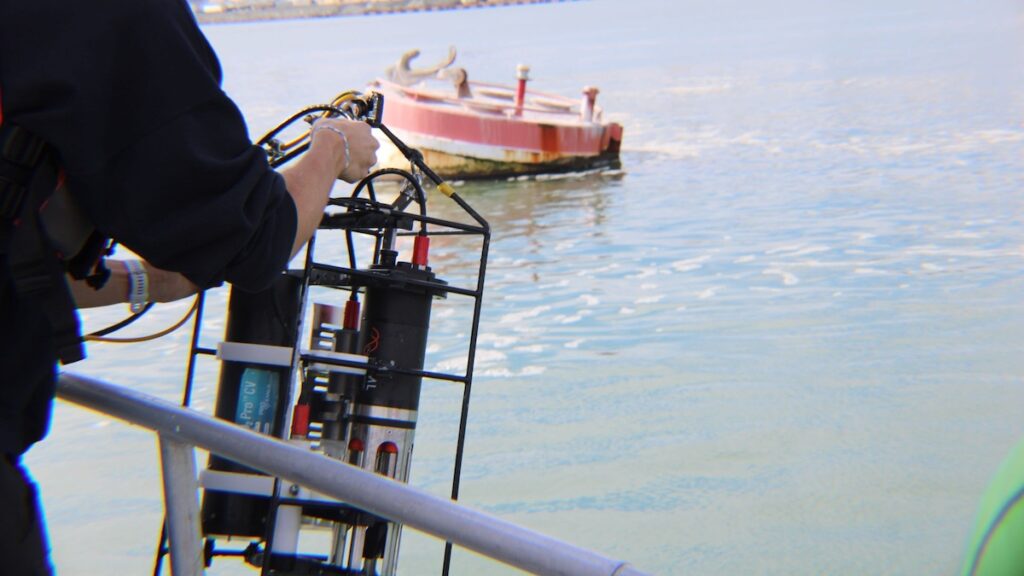
Systems are often based on electrochemical, infrared (IR), or non-dispersive infrared (NDIR) detection principles, with configurations tailored for research vessels, moorings, autonomous underwater vehicles (AUVs), and remotely operated vehicles (ROVs). Modular sensor housings and optical cells ensure long-term reliability, while calibration units maintain accuracy in extended deployments.
Greenhouse Gas Monitoring Use Cases
Ocean Sciences
Greenhouse gas monitoring supports global research programs investigating oceanic carbon uptake, methane fluxes, and water column gas exchange. Dissolved CO₂ sensors are essential in studying acidification trends and carbon sequestration in marine ecosystems. Dissolved CO₂ sensors are essential in studying acidification trends and carbon sequestration in marine ecosystems. CDOM/FDOM sensors can complement these measurements by monitoring dissolved organic matter and providing additional insight into carbon dynamics in marine environments. Oceanographic research vessels use these instruments to map CO₂ variability and assess regional contributions to global greenhouse gas inventories.
Industrial and Environmental Monitoring
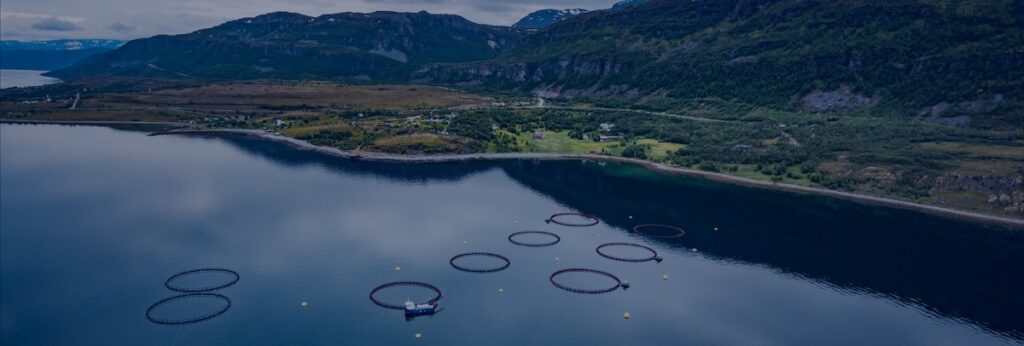
In offshore energy and subsea infrastructure operations, gas sensors detect emissions and leaks from pipelines, subsea wells, and industrial installations. Real-time CO₂ and CH₄ monitoring enhances environmental compliance and safety while supporting industrial process optimization. Aquaculture monitoring systems integrate dissolved gas sensors to manage oxygenation and detect harmful emissions affecting aquatic life and water quality.
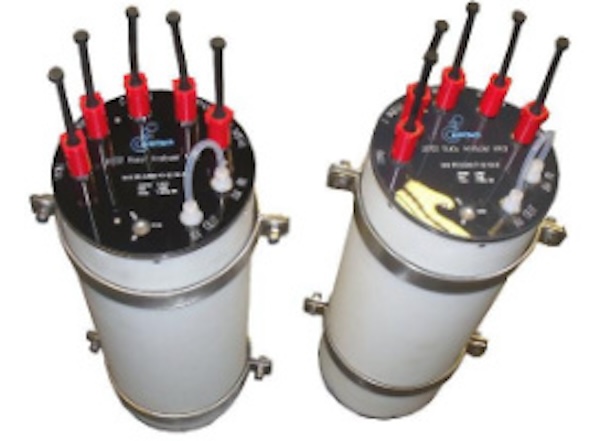
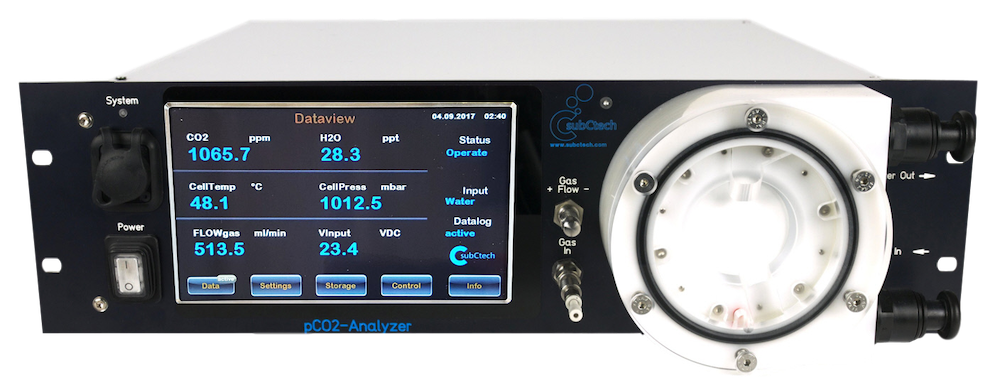
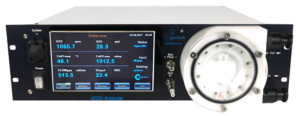
OceanXpert Greenhouse Gas Monitoring System by SubCtech
Defense and Security Applications
Defense programs utilize underwater GHG systems to assess environmental baselines, detect industrial discharges, and support subsea surveillance. Gas detection sensors are integrated into autonomous platforms for long-range environmental reconnaissance, helping defense agencies manage the ecological impact of operations and maintain situational awareness in sensitive marine regions.
Types of Greenhouse Gas Sensors
Dissolved CO₂ Sensors – Measure carbon dioxide concentration in seawater using optical or electrochemical detection methods.
Methane Sensors – Detect dissolved and free methane gas for flux measurement and leak detection in subsea environments.
Electrochemical Gas Sensors – Compact designs for integration in multi-parameter probes and environmental monitoring packages.
Optical Gas Sensors – Utilize infrared absorption through optical windows and cells to quantify CO₂ and CH₄ with high stability.
These sensors often incorporate data loggers, pressure and temperature sensors, and telemetry systems for remote data acquisition and transmission to shore-based or vessel-based platforms.
Key Components and Supporting Systems
A complete marine GHG solution typically includes:
Sensor Heads and Housings: Pressure-tolerant enclosures for long-term subsea use
Data Loggers and Telemetry Systems: For real-time data transmission and archival logging
Power Modules and Controllers: Provide a stable energy supply to subsea sensors and analyzers
Calibration Units: Ensure measurement integrity under varying pressure and temperature conditions
Flow Control and Optical Systems: Manage sample exposure to sensors for consistent readings
Underwater Connectors and Interfaces: Enable integration with AUV, ROV, or fixed observatory networks
Comparisons and Technology Selection
Selecting the appropriate monitoring system depends on target gases, depth rating, and application.
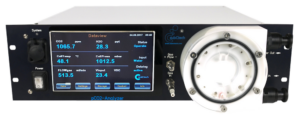
OceanPack™ BUOY pCO2 analyzer by SubCtech for Greenhouse Gas Monitoring
Infrared sensors deliver high accuracy for CO₂ and CH₄ detection but require optical cleaning and calibration.
Electrochemical systems are cost-efficient and compact, suitable for multi-parameter probes in shallow deployments.
NDIR analyzers offer laboratory-grade precision for long-term observatory use.
Integration with existing ocean observing frameworks enhances data continuity, supporting cross-disciplinary climate and environmental analysis.
Standards and Calibration Practices
Marine greenhouse gas monitoring systems often conform to international and regional standards to ensure data consistency and interoperability:
ISO 25197: Electronic equipment for marine data communication
IEC 60529: Enclosure protection ratings (IP codes) for underwater electronics
ASTM D1945 / D1946: Standard practices for gas analysis
OCEANS/GOOS Protocols: Best practices for ocean observation data quality and calibration
Regular calibration using certified gas mixtures or onboard calibration units maintains accuracy under dynamic environmental conditions.
Integration with Ocean Observing Systems
Modern oceanographic research relies on networked sensing nodes that transmit greenhouse gas data through cabled observatories, telemetry buoys, and autonomous platforms. These systems contribute to long-term datasets supporting climate modeling, carbon flux analysis, and ecosystem management. Integration with temperature, pressure, and salinity sensors (CTD) enhances contextual understanding of gas concentration trends and their correlation with ocean dynamics.
Future Trends
Advances in miniaturization, power efficiency, and sensor sensitivity are enabling more comprehensive, long-duration greenhouse gas monitoring across ocean basins. Machine learning and edge computing now allow in situ data analysis, reducing latency and enhancing decision-making for environmental and industrial operations. Improved optical materials, gas-permeable membranes, and subsea communication interfaces continue to expand the capabilities of marine gas detection networks.
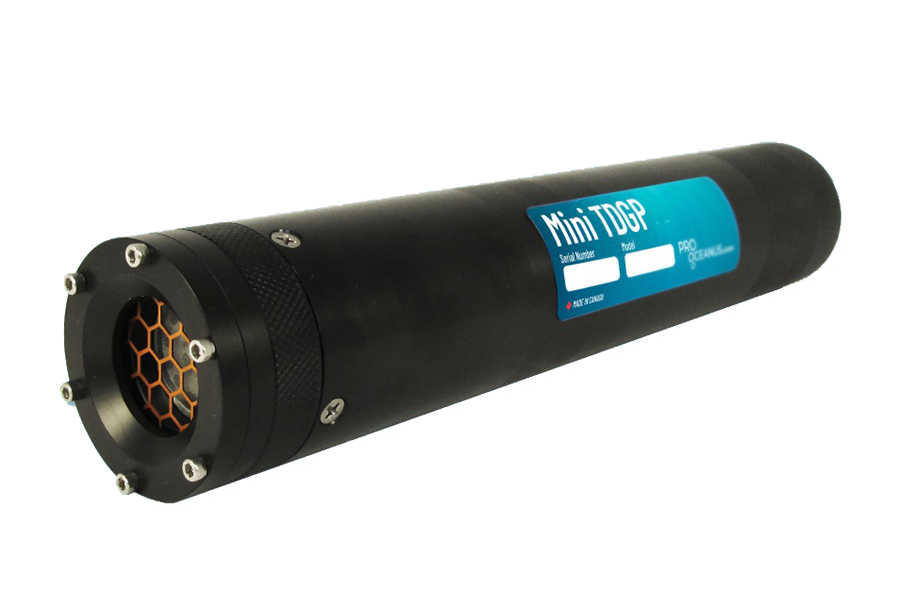
Pro-Oceanus Systems’ CO₂, CH₄, and TDGP dissolved gas sensors are used in wastewater treatment monitoring, supporting the assessment of greenhouse gas emissions and key process conditions in both new and existing treatment facilities
Pro-Oceanus Systems discusses dissolved gas dynamics in freshwater environments such as lakes and rivers, and outlines how its Mini-Series sensors are used to monitor concentrations of gases including CO₂ and CH₄
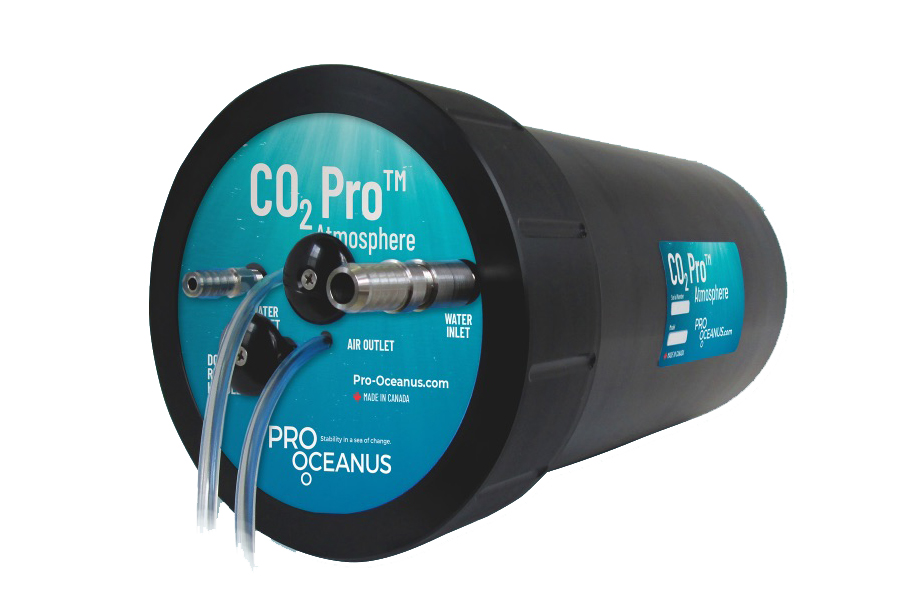
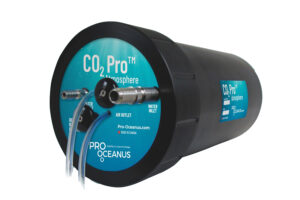
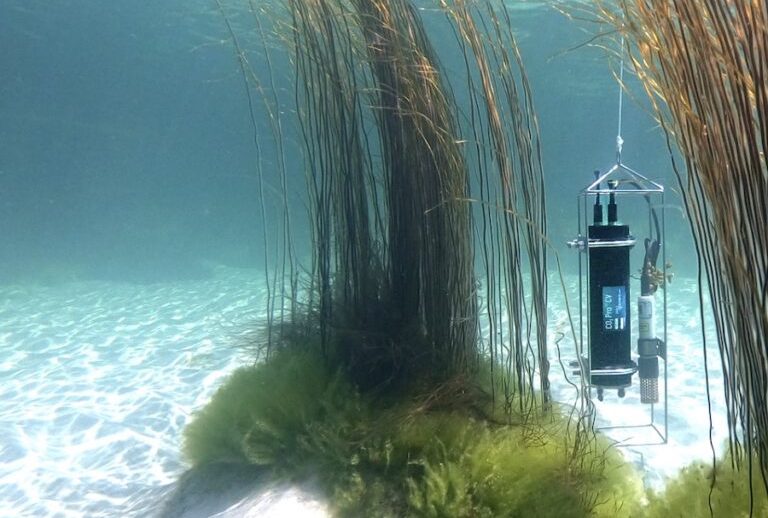
Pro-Oceanus Systems explains dissolved CO₂ variability in coastal and estuarine waters, outlining measurement approaches for short-term and long-term monitoring using its Mini CO₂ and CO₂-Pro™ sensors
Pro-Oceanus Systems’ dissolved gas sensors are enhancing global ocean observatories, enabling continuous carbon dioxide measurements that advance research into ocean acidification and climate processes
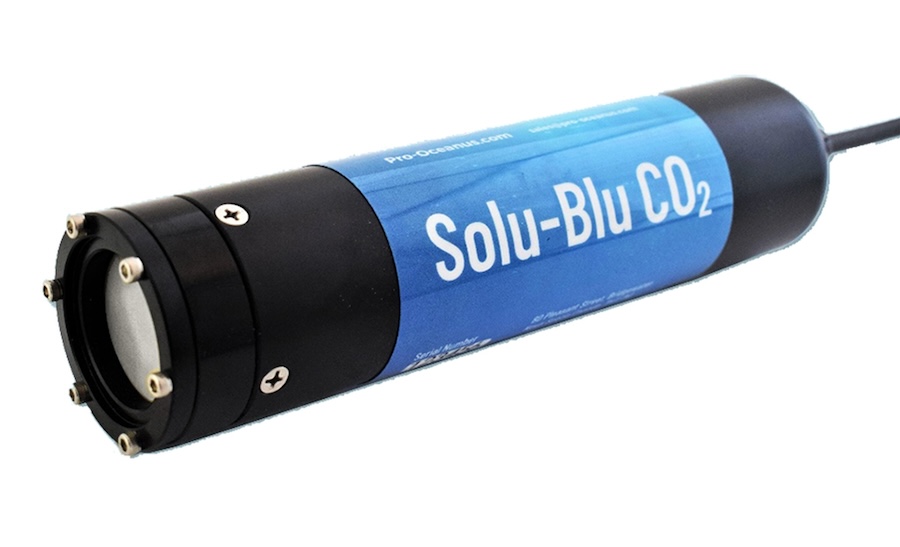
Pro-Oceanus Systems discusses how monitoring CO₂ and total dissolved gases helps manage water quality and protect the health of fish and shellfish, highlighting its Solu-Blu™ TDG and Solu-Blu™ CO₂ sensors for continuous, in situ measurement in aquaculture operations
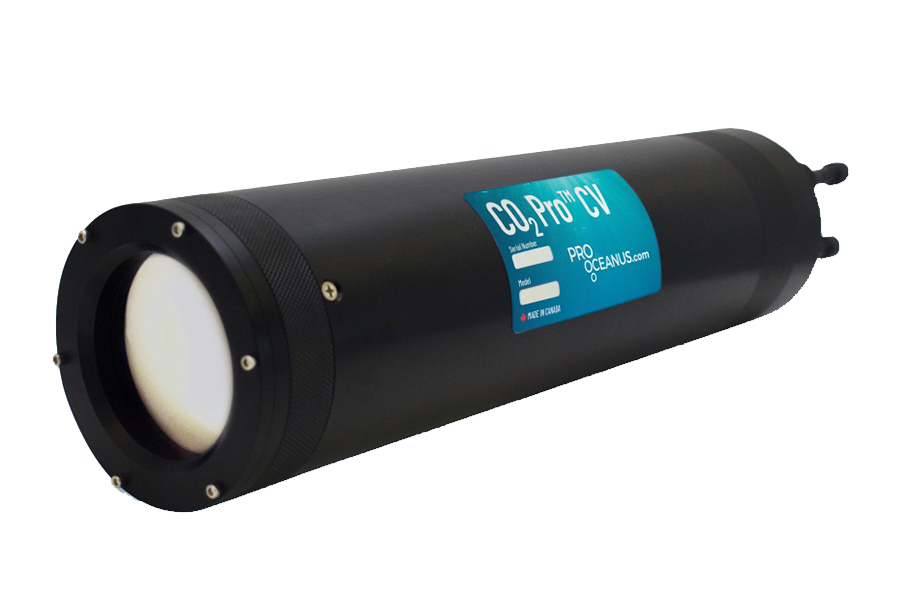
Pro-Oceanus Systems was featured in the ICOS OTC pCO2 Instrument Intercomparison, where its CO2-Pro™ CV and CO2-Pro™ ATM units demonstrated strong performance under varying seawater and atmospheric conditions
Pro-Oceanus Systems is providing advanced CO2-Pro CV sensor technology and technical expertise for buoy deployments led by Dalhousie University, supporting ongoing research into marine carbon dioxide removal
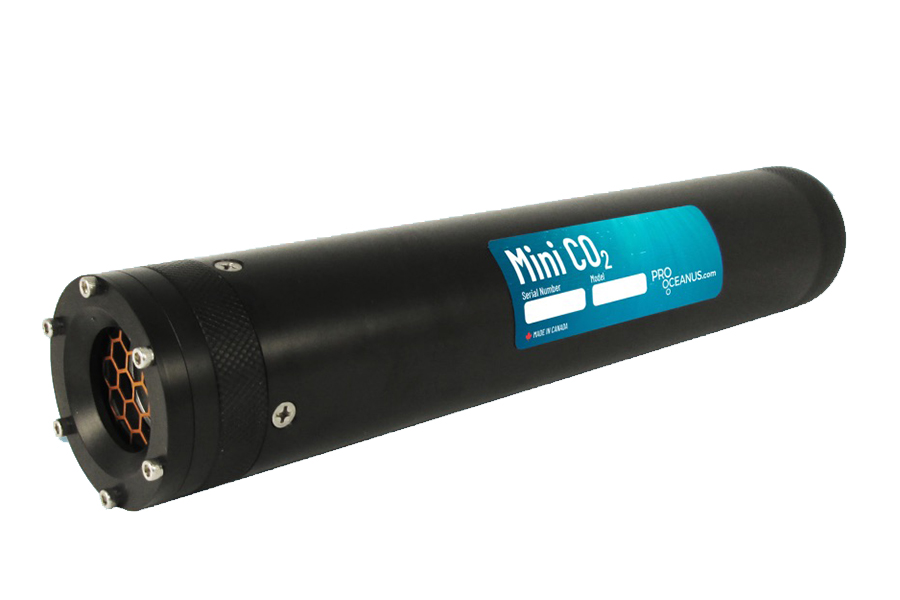
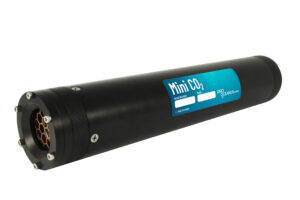
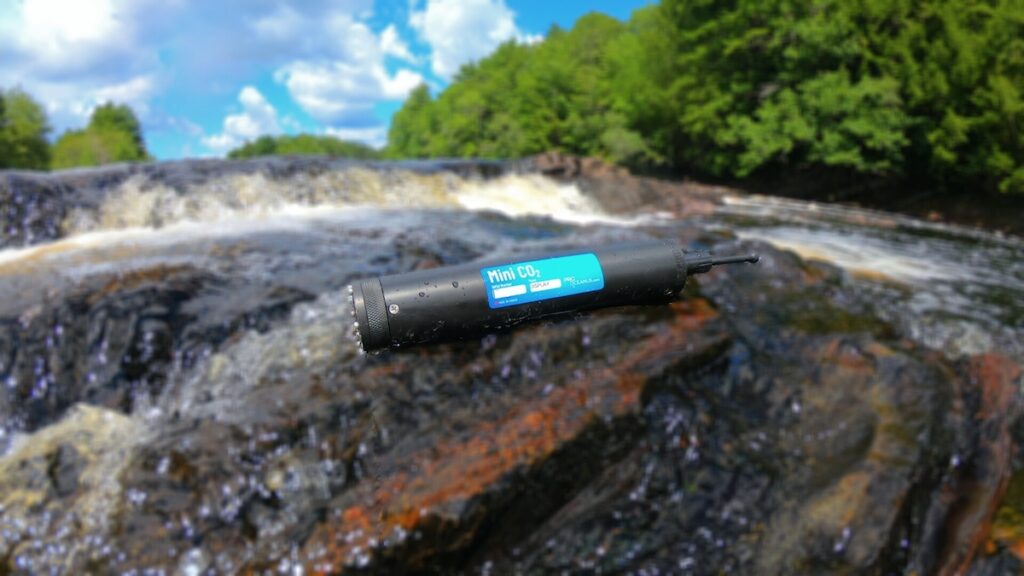
Pro-Oceanus Systems showcases its Mini CO2, a submersible pCO2 sensor designed to operate as an autonomous unit or integrate seamlessly with ocean gliders and AUVs
OST highlights Pro-Oceanus Systems’ high-accuracy dissolved gas sensors, engineered for diverse marine applications like oceanography, environmental monitoring, and oil & gas operations
The latest offshore, subsea & marine technology news, straight to your inbox.
Get our weekly roundup of technology developments, new products and industry news.
THANK YOU FOR SIGNING UP
Thanks for joining us. Check your inbox.
We've sent you an email. Click the confirmation link to complete your subscription to the weekly eBrief. In the meantime, explore the latest news, suppliers and technologies.