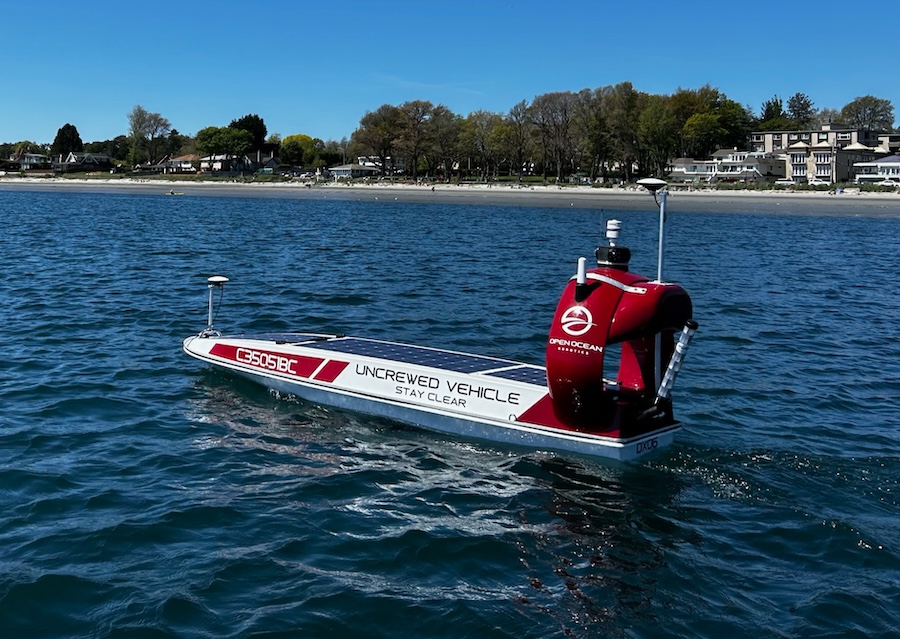
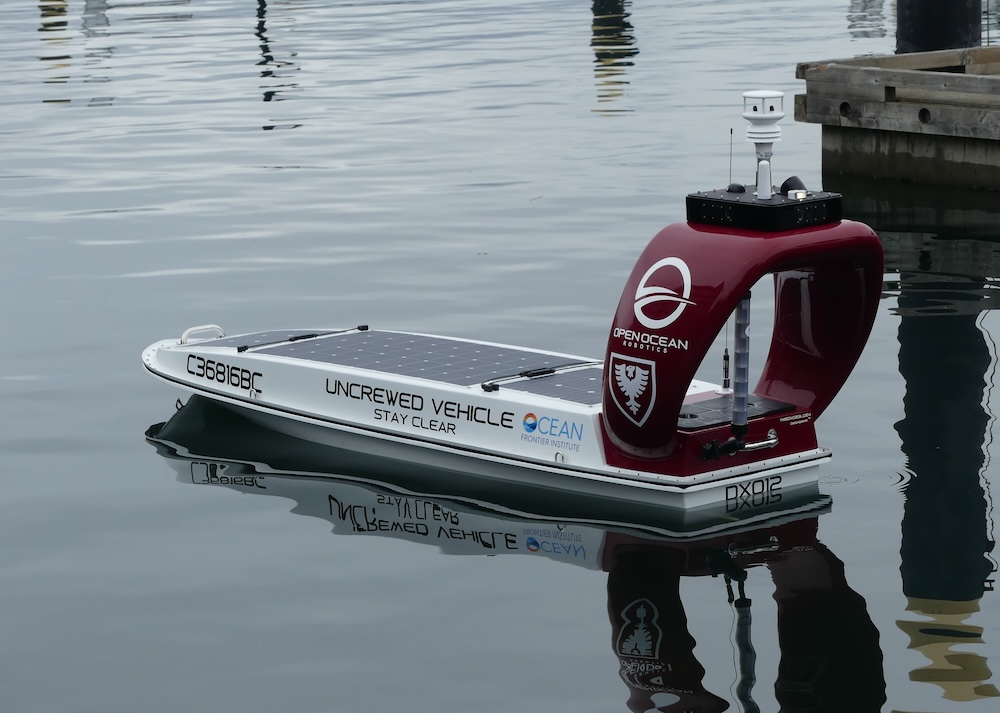
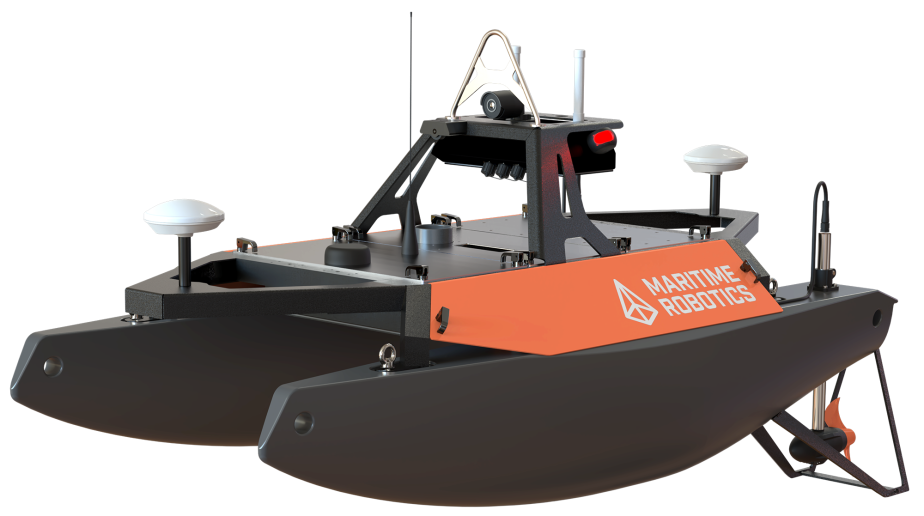
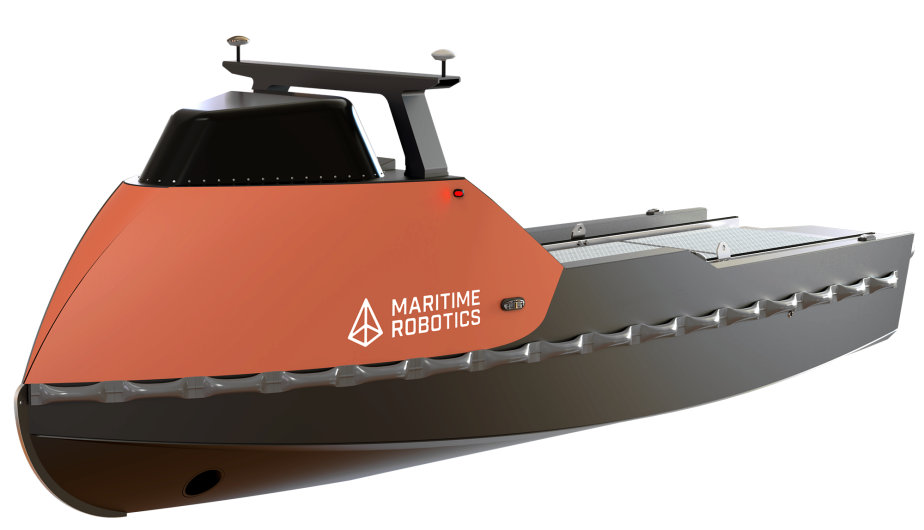
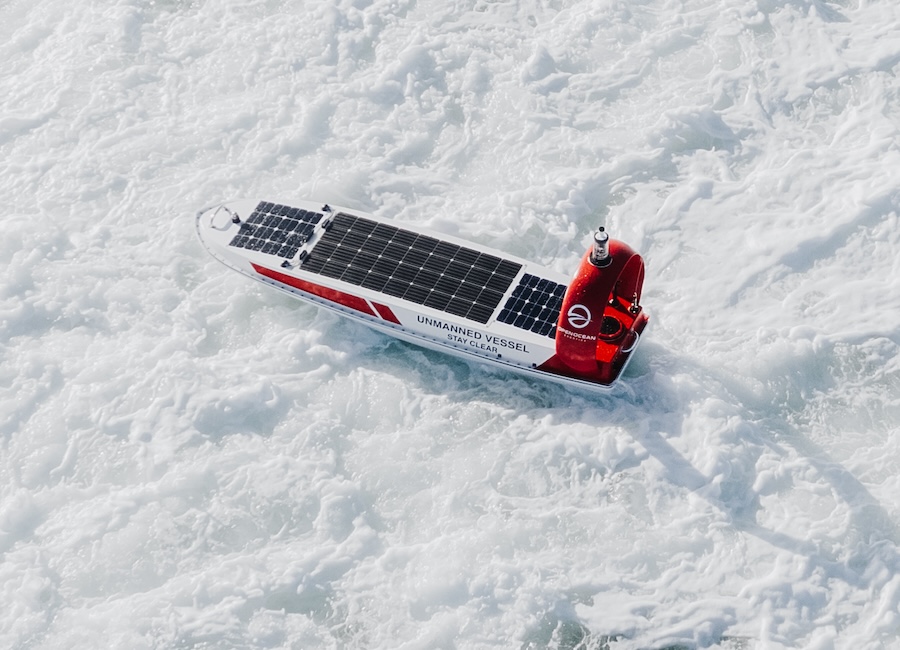
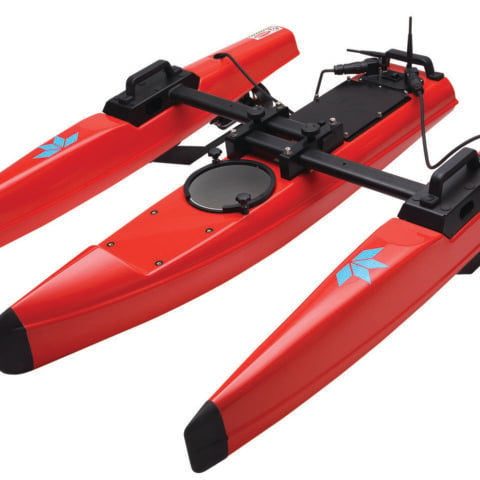
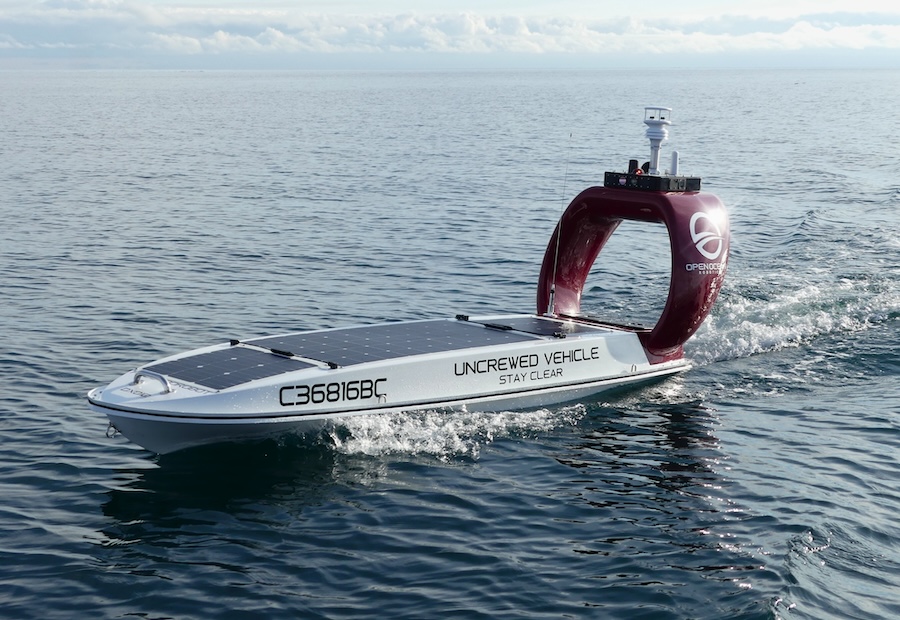
Autonomous Surface Vehicles (ASVs) are self-navigating marine vessels that perform data collection, surveillance, and support missions across coastal, offshore, and inland waters. These unmanned vessels integrate advanced marine robotics, navigation autonomy, and communications technologies to extend operational reach while reducing crew risk and vessel costs in ocean science and defense applications.
This guide showcases suppliers of Autonomous Surface Vehicles for hydrographic and bathymetric survey, environmental monitoring, naval research, maritime security, and offshore infrastructure inspection.
If you design, build or supply Autonomous Surface Vehicles, create a profile to showcase your capabilities and connect with visitors who have an active requirement for your solutions.
Autonomous Surface Vehicles (ASVs) are unmanned, self-navigating vessels supporting maritime operations across scientific, defense, and industrial sectors. They form part of the wider class of Uncrewed Surface Vehicles (USVs), which encompasses all unmanned vessels operating on the water’s surface, from remotely operated craft to fully autonomous platforms. Operating entirely on the water’s surface without the necessity of a direct human operator, ASVs are capable of executing a vast array of missions, from compact, slower-speed coastal survey craft to large, high-endurance, ocean-going platforms. Their architecture is fundamentally engineered for reliable autonomy, typically featuring redundant propulsion, sophisticated integrated navigation and control suites, and intelligent payload management modules.
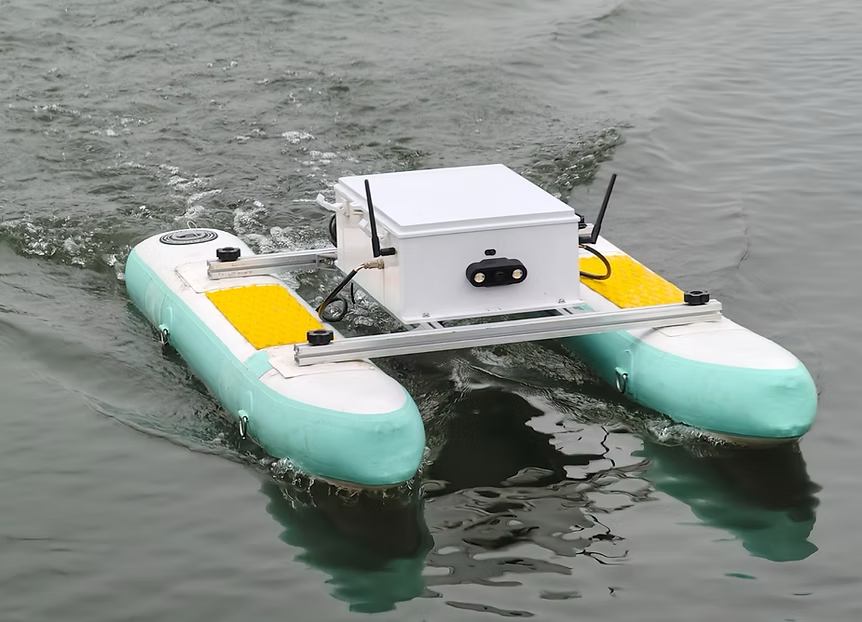
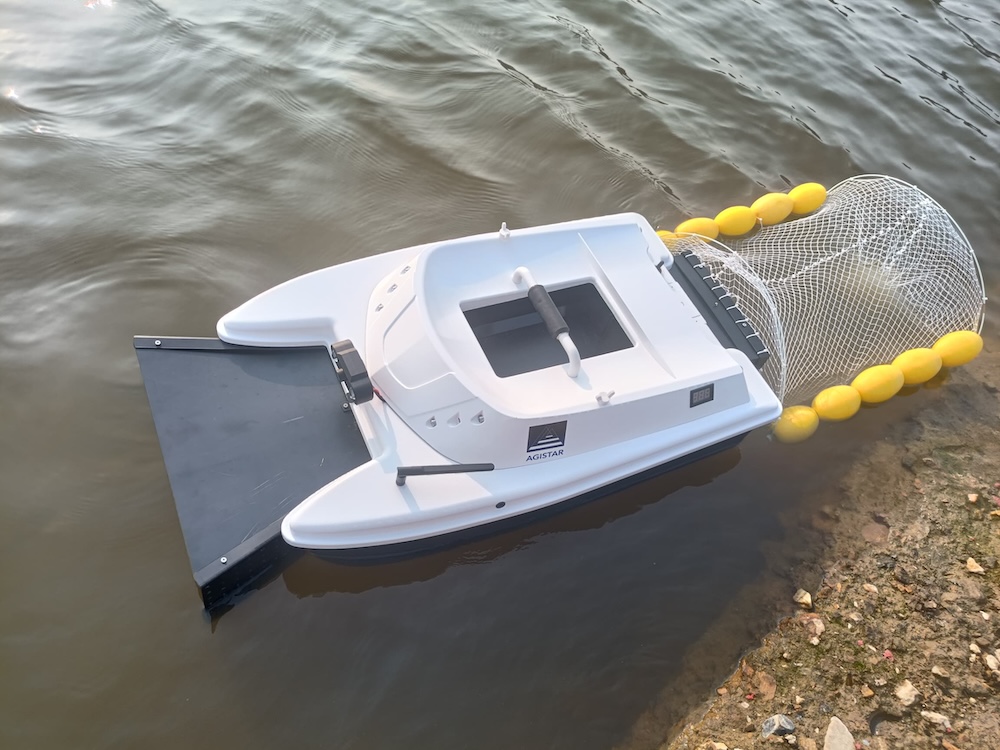
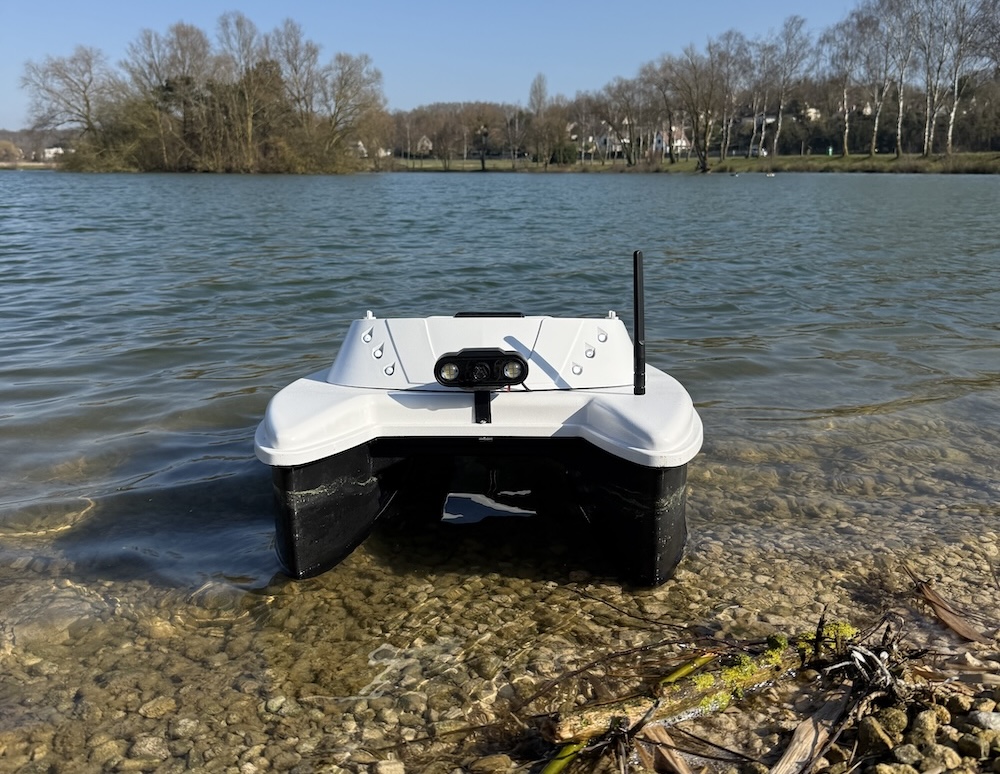
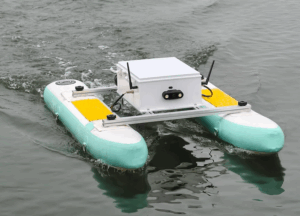
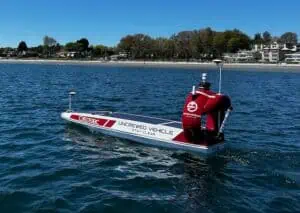
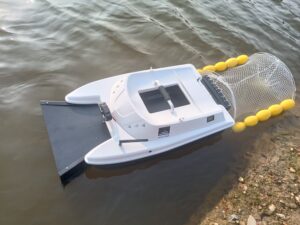
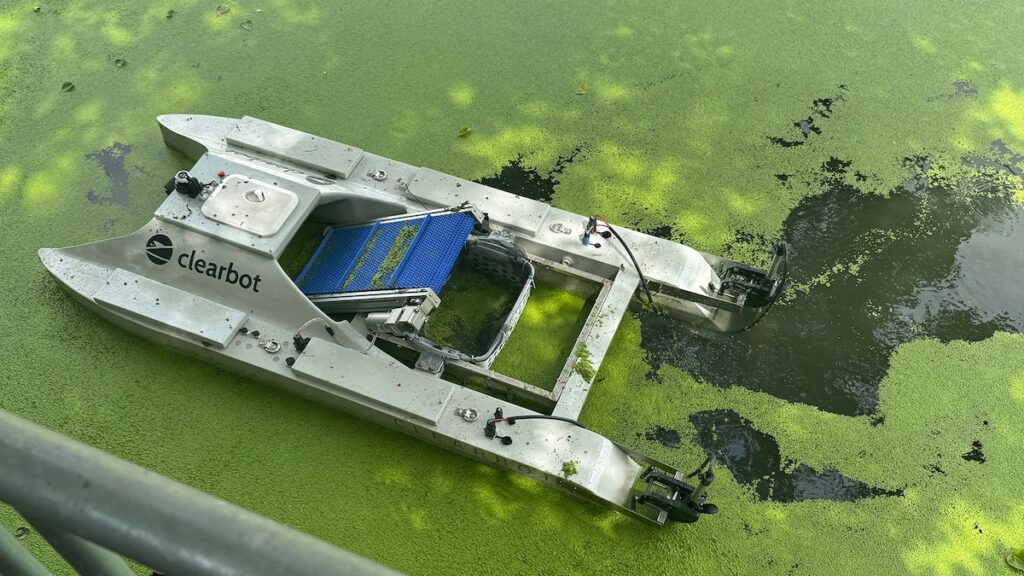
BX-USV II Autonomous Surface Vehicle from AGISTAR
By automating routine and hazardous tasks, ASVs significantly extend human reach across the maritime domain, consistently delivering high-resolution, dependable data from environments that would otherwise be too costly, dangerous, or logistically complex for crewed vessels to access effectively.
Applications of Autonomous Surface Vehicles
The role of Autonomous Surface Vehicles in modern maritime domains is rapidly expanding, cementing their position as critical assets in multiple high-value industries.
Ocean Science and Environmental Monitoring
For ocean scientists, ASVs function as persistent, mobile data-gathering platforms. They are essential for near-continuous environmental monitoring, supplying critical information that seamlessly complements data from satellite and underwater assets. This includes tracking climate processes, mapping ocean dynamics, and monitoring sensitive ecosystems, contributing foundational data for detailed environmental models. In fisheries research, fisheries ASVs can support repeatable transects and persistent monitoring for stock assessment and ecosystem studies.
Defense, Security, and Naval Operations
Naval forces are increasingly leveraging ASVs, including military USVs and maritime security USVs, as autonomous sentinels. Their roles encompass persistent surveillance and reconnaissance, hydrographic support, and highly effective mine countermeasure operations. They autonomously patrol coastal or high-value harbor zones, sharing real-time situational data across secure networks. Furthermore, they act as force multipliers, expanding the sensor coverage and operational reach of manned naval assets while minimizing the risk to personnel in contested or hazardous environments.
Offshore Energy and Industrial Inspection
In the demanding offshore industries, including oil, gas, and renewable energy, ASVs are critical for inspection, structural asset management, and environmental compliance. They drastically reduce the need for expensive, crewed support vessels by autonomously operating in hazardous zones. Equipped with specialized sonar and imaging systems, they inspect subsea infrastructure, monitor for leaks, and assess the structural integrity of platforms, pipelines, and wind farm foundations.
Advantages of ASVs Over Crewed Vessels
Autonomous Surface Vehicles offer a significant change in the safety, efficiency, and economics of maritime operations.
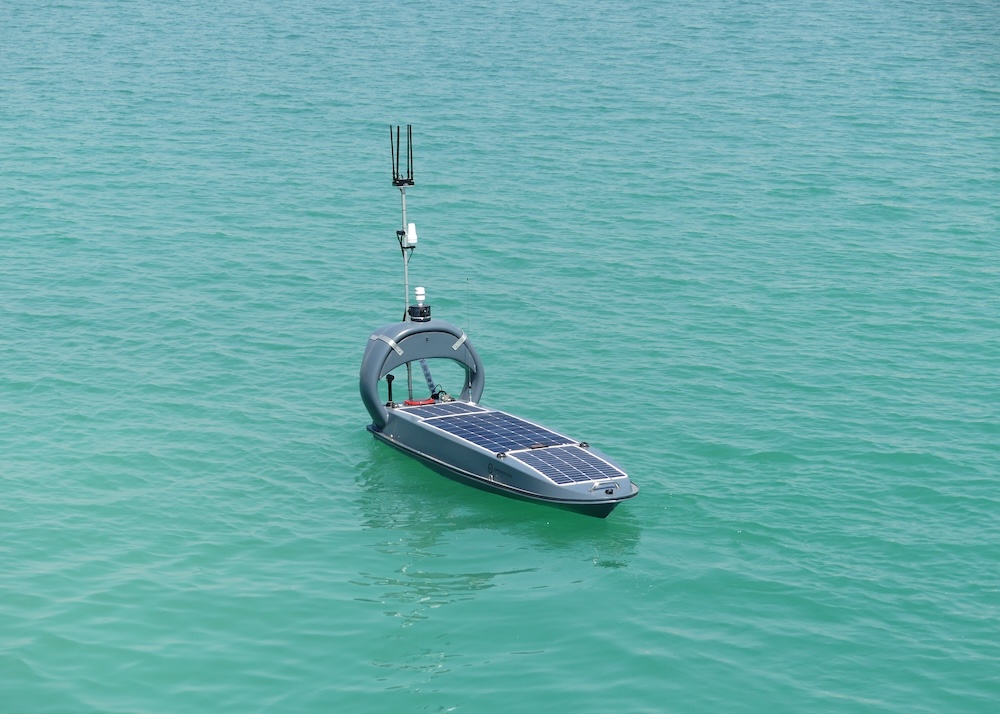
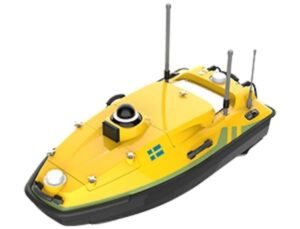
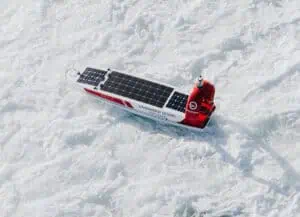
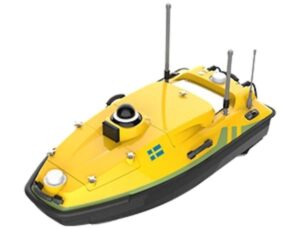
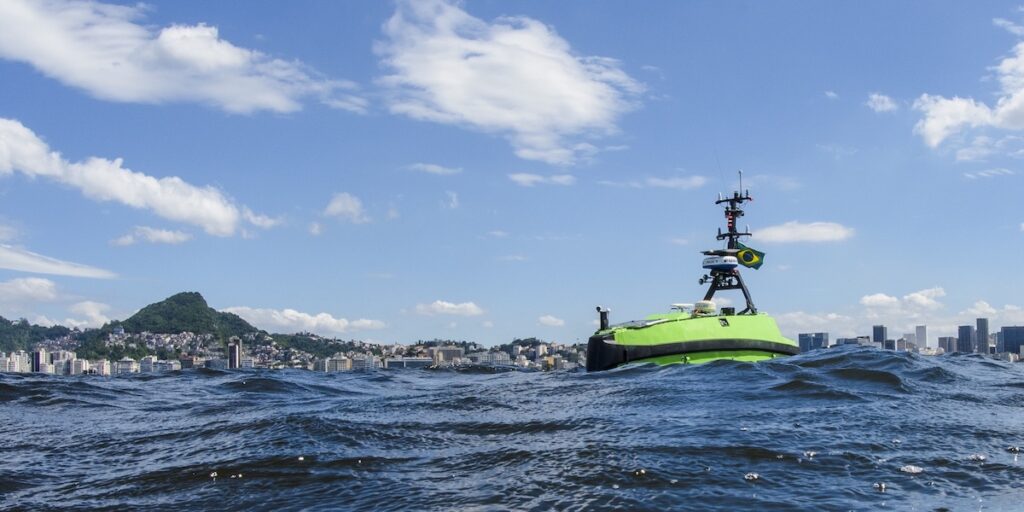
HydroBoat 1200 Autonomous Surface Vehicle from SatLab Geosolutions
Enhanced Safety: The most significant advantage is the removal of personnel from dangerous missions, such as operations during severe weather events or in areas contaminated by ordnance or chemical hazards.
Superior Endurance: Their often compact size and highly efficient propulsion (including solar or hybrid systems) allow for significantly extended operation with minimal or zero reliance on fuel or physical maintenance for periods stretching into weeks or months.
Reduced Cost: Operational costs are drastically lowered by eliminating the need for large crews, life support systems, and associated logistics required by traditional survey vessels.
Precision and Repeatability: ASVs are engineered to maintain exceptionally precise position-holding and execute highly repeatable survey patterns with sub-meter accuracy. This capability is crucial for achieving consistent and high-quality data products, especially in hydrographic surveying.
Core Systems & Technologies of ASVs
The reliable functionality of an Autonomous Surface Vehicle is dependent upon a sophisticated suite of integrated hardware and software components.
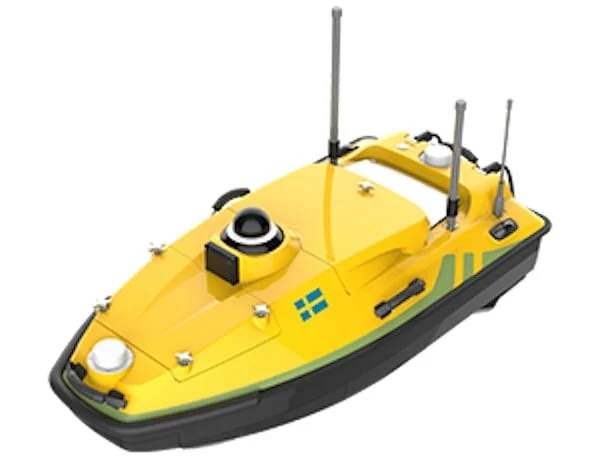
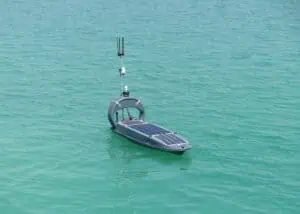
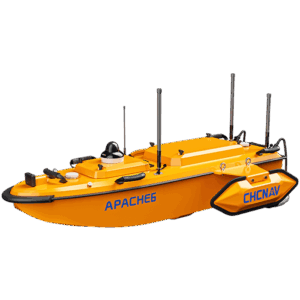
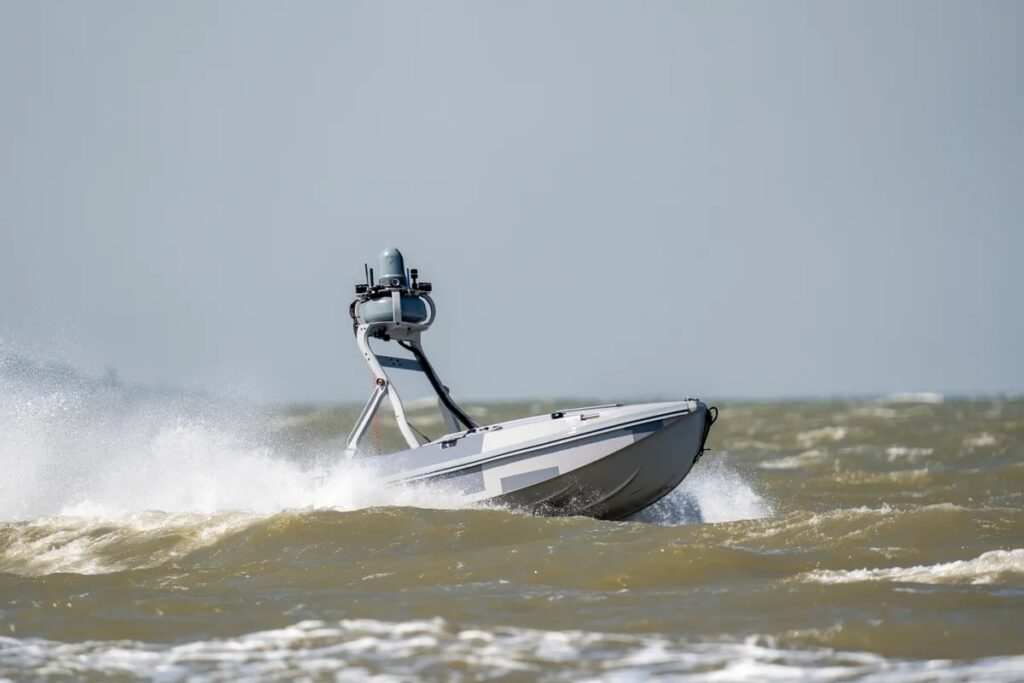
CHCNAV Apache 6 Autonomous Survey Vessel
Navigation and Guidance Systems
Reliable navigation is the foundational requirement for safe and effective ASV autonomy, necessitating a multi-sensor approach. These systems continuously fuse data from multiple, redundant sources to maintain high-integrity positioning, typically combining Global Navigation Satellite Systems (GNSS) for primary fixes with Inertial Navigation Systems (INS) to maintain accurate positioning during periods of GNSS signal degradation or obstruction. Additionally, Doppler Velocity Logs (DVLs) measure velocity relative to the seafloor or water column, significantly enhancing the accuracy of dead reckoning calculations.
Advanced sensor fusion algorithms continuously synthesise this combined data, enabling accurate dead reckoning, precise position holding, and real-time course correction essential for dynamic maneuvering. Furthermore, integrated radar and LiDAR systems are essential perception tools that provide robust obstacle detection and avoidance capabilities, allowing the ASV to adapt its route safely and in strict compliance with the International Regulations for Preventing Collisions at Sea (COLREGs).
Perception and Environmental Sensing Payloads
The versatility of an ASV is largely defined by its payload capacity, which is chosen based on the mission objective. For baseline navigation and situational awareness, they utilize radar, LiDAR, and electro-optical/infrared (EO/IR) cameras. For specific oceanographic or hydrographic missions, the sensor suite may include:
Data from these instruments is often fed into onboard mission processors for immediate quality control, which allows for real-time, adaptive mission planning in response to observed environmental conditions or targets.
Propulsion and Power Systems
ASV propulsion designs are diverse, ranging from traditional diesel and outboard engines to fully electric or hybrid configurations. To balance extended endurance with reduced acoustic and emission signatures, many modern platforms employ diesel-electric setups. A key technology for persistent, long-duration missions is the integration of renewable energy sources (such as solar arrays, wind-assisted propulsion, or even hydrogen fuel cells), allowing for low-power survey operations that can continue for many months without external refueling.
Autonomy and Control Software
The autonomy software is the intelligence layer, meticulously dictating how the ASV perceives its environment, plans its tasks, and executes actions with minimal human oversight. Control modes vary significantly, ranging from remote, supervisory control to sophisticated, fully autonomous decision-making leveraging AI-based algorithms for complex scenarios. Core functional requirements are executed through specialized software modules, including efficient mission planning, accurate adaptive waypoint navigation, and dynamic obstacle avoidance and re-tasking capabilities based on real-time sensor feedback.
Crucially, COLREGs compliance is an embedded, non-negotiable feature within the control logic, which autonomously manages the vessel’s movement and interactions to ensure safe operation and regulatory adherence when navigating in proximity to manned maritime traffic. The increasing use of machine learning models further enhances predictive navigation, optimizes wave adaptation, and facilitates cooperative behaviors within multi-vehicle autonomous fleets.
Integration within the Autonomous Maritime Ecosystem
Modern Autonomous Surface Vehicles are rarely isolated systems. They are increasingly deployed as part of multi-domain autonomous fleets, seamlessly operating alongside Autonomous Underwater Vehicles (AUVs) and Unmanned Aerial Vehicles (UAVs). These integrated systems share mission-critical data and coordinate their actions via common, networked command frameworks. This allows for simultaneous data acquisition across the surface, subsurface, and aerial domains. The synergy provided by unified control software and advanced data fusion architectures is rapidly moving the industry toward the concept of a truly comprehensive, networked “digital ocean” operational environment.
Emerging Technologies in Autonomous Survey Vessels
The capabilities of maritime autonomous survey vessels are continually being advanced by leading-edge marine survey technologies.
AI, Machine Learning, and Digital Twins
Artificial intelligence (AI) is rapidly elevating ASV performance. Machine learning algorithms are used to analyze complex sensor data for rapid target classification, predict vessel motion and behavior in dynamic sea states, and optimize energy-efficient routing. Digital twin technologies, which create high-fidelity virtual replicas of the ASV and its operating environment, are becoming indispensable for purposes such as predictive maintenance, rigorous mission rehearsal, and simulation of long-term system behavior under diverse and extreme conditions.
Sustainable Power Sources
The global drive toward sustainable autonomy is accelerating the development of renewable energy-powered ASVs. Platforms utilizing solar and wind-assisted propulsion can achieve theoretically indefinite endurance for low-power observation tasks. For larger, higher-powered, and long-range platforms, hydrogen fuel cells offer a high-density, clean energy solution. These advancements not only reduce the environmental footprint of operations but also enable persistent, long-term, and zero-emission ocean monitoring campaigns.
Maritime Tactical Systems has partnered with SŌLACE Boats to boost production of its autonomous surface vessels by 100 units annually, leveraging advanced manufacturing capabilities to meet expanding national security demand
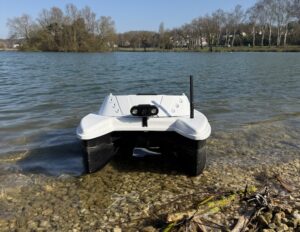
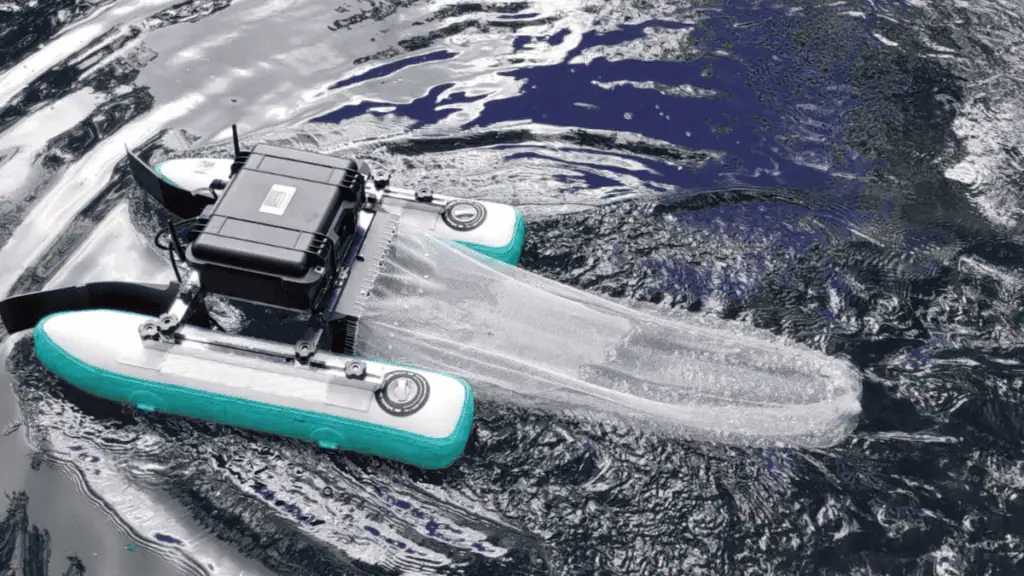
AGISTAR has developed a lightweight autonomous surface vehicle designed for efficient aquatic waste clearance alongside modular capabilities including bathymetric mapping and environmental monitoring across diverse and shallow operational waterway environments
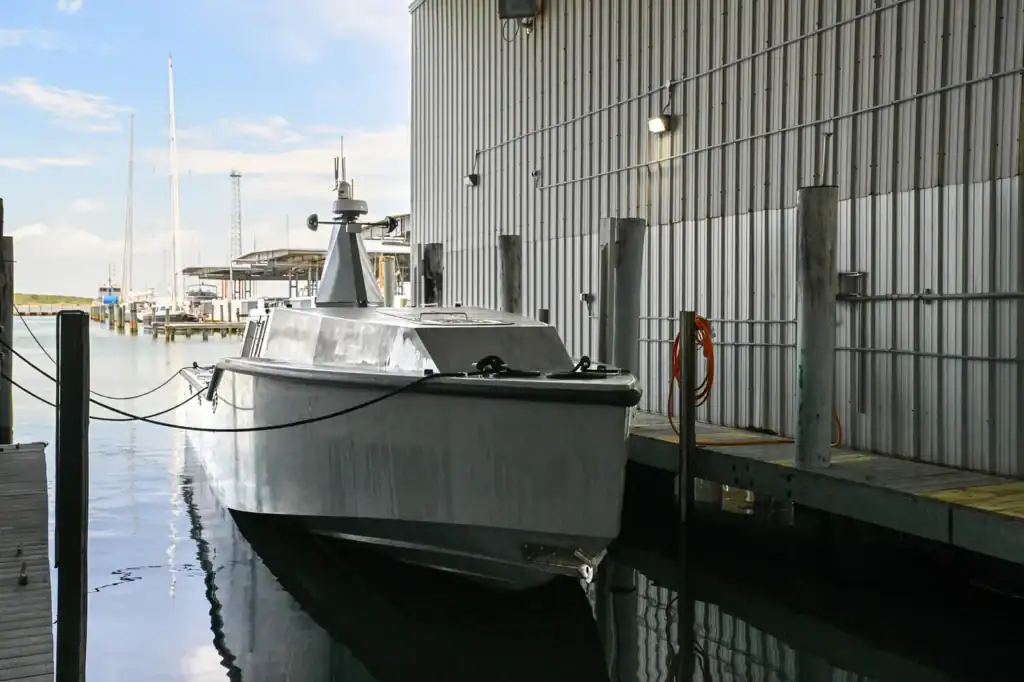
The newly launched 52-foot Mirage from Saronic doubles the range and payload capabilities of its predecessor to enable mass deployment across complex maritime missions
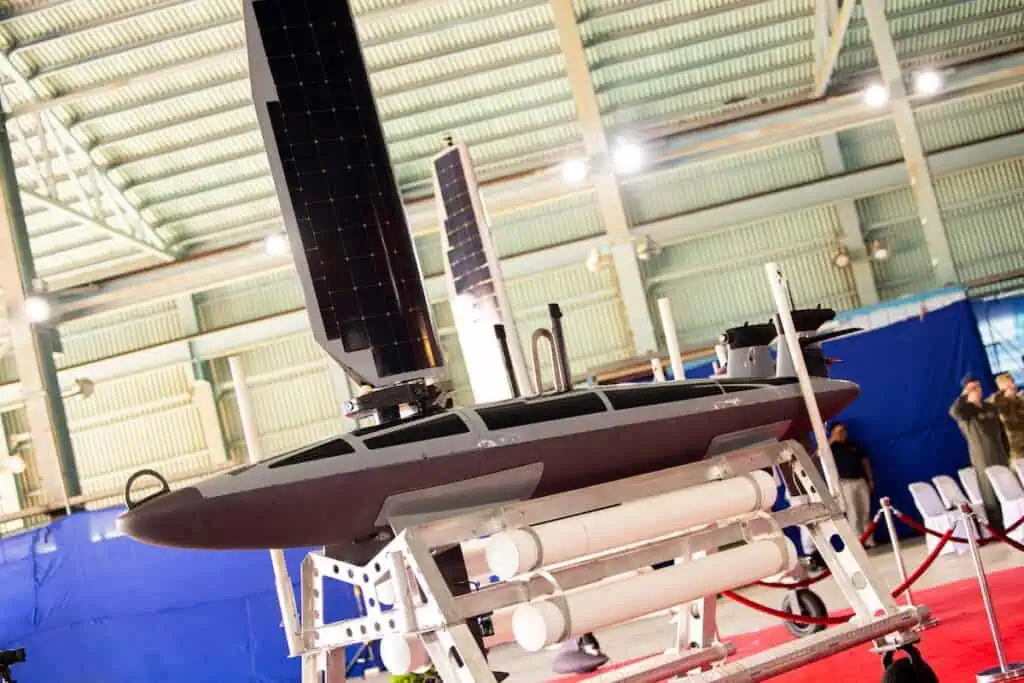
The United States has transferred four solar-powered autonomous underwater and surface vehicles to the Armed Forces of the Philippines to boost maritime domain awareness and secure critical regional waterways
Achieving the rigorous Workboat Code Edition 3 standard clears ZeroUSV's Oceanus12 autonomous vessel for immediate commercial and defence deployments globally, marking a pivotal moment for uncrewed maritime systems
Maritime technology company Clear Robotics has secured $1.75 million in funding to scale its commercial fleet of 26 all-electric, AI-enabled autonomous vessels across Southeast Asia, India, and the Middle East
An international collaboration is deploying autonomous robotic systems, featuring instruments from MBARI, to collect environmental DNA to drastically reduce the operational risks and carbon footprints of remote deep-sea marine biological monitoring
A new partnership between Fleetzero, Thoma-Sea, and Glosten will accelerate the domestic deployment of autonomous vessels engineered with specialized stealth designs to safely navigate and deliver critical supplies
SubSea Craft has advanced its evolved MARS Unmanned Surface Vessel into the production phase following extensive testing, delivering climate-adaptable and scalable autonomous capabilities to fulfill an existing international customer contract
The latest offshore, subsea & marine technology news, straight to your inbox.
Get our weekly roundup of technology developments, new products and industry news.
THANK YOU FOR SIGNING UP
Thanks for joining us. Check your inbox.
We've sent you an email. Click the confirmation link to complete your subscription to the weekly eBrief. In the meantime, explore the latest news, suppliers and technologies.