The Global Sourcing Hub for Marine, Subsea & Offshore Technology
Discover cutting-edge solutions from leading global suppliers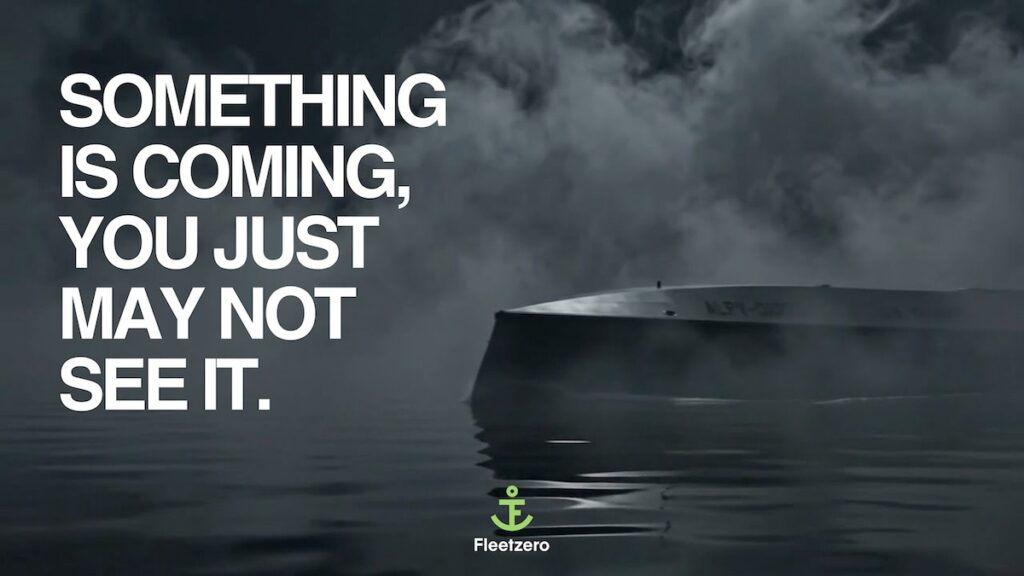
Fleetzero, Thoma-Sea Marine Constructors, and Glosten have collaborated to accelerate the development and deployment of integrated autonomous vessel solutions for commercial maritime, government, and defense customers.
The partnership brings together Fleetzero’s battery energy storage system, propulsion technologies, and autonomy stack with Thoma-Sea’s domestic shipbuilding capacity and Glosten’s vessel design expertise. The three companies are developing a tightly integrated autonomous diesel-electric vessel engineered for use in contested waters, persistent operations, and supply delivery with minimal radar cross-section. Its angular design draws inspiration from low-profile and stealth vessels in military use today, elevating the propulsion technology for long-range, low-signature missions.
The combined capability has been refined through demonstrations and engineering work with organizations across the maritime sector, and it is engineered to address requirements outlined in areas of interest for the Defense Innovation Unit and other Department of War stakeholders. The integrated platform showcases how electrified propulsion paired with autonomous vessel control enhances operational effectiveness across contested littoral and blue-water environments, while delivering the supply chain resilience that commercial and government customers require. This collaboration aligns with Department of War, MARAD, and Coast Guard priorities, including the Modular Open Systems Approach. The combined platform addresses a wide range of operational needs, including autonomous and remotely operated cargo operations, persistent ISR, patrol, contested logistics missions, electrified harbor craft, and improved operator safety, while ensuring domestic-content, Jones Act, and Buy American compliance.
“Moving cargo through contested waters is more imperative today than ever before. Fleetzero is building and demonstrating that capability today,” said Steven Henderson, CEO of Fleetzero. “By partnering with Thoma-Sea and Glosten, we are pairing our Leviathan™ Energy Storage Systems and Fleetzero’s autonomy stack with two of the most capable shipbuilding and design organizations in the country. This is how we can deliver MOSA-compliant, autonomous vessels at scale.”
Fleetzero’s autonomy strategy began with improving the propulsion system, which serves as a key enabler for eliminating maintenance required while in autonomous mode. Fleetzero’s diesel-electric propulsion with the Leviathan Battery System unlocks long-duration autonomy missions. These battery systems provide minimal noise and heat signatures, engineer out unnecessary parts, and typically deliver double the energy density compared to other maritime battery systems. This reduces the total bill of materials to manufacture at scale, dramatically cuts operating expenses over the vessel’s lifespan, and enhances reliability and survivability in contested waters. This technological development follows a period of significant momentum for Fleetzero, which closed a 43 million dollar Series A funding round in 2025 backed by technology and shipping entities including 8090 Industries, Y Combinator, Founders Fund, Obvious Ventures, Maersk Growth, and MOL Plus.
Thoma-Sea Marine Constructors, founded in 1989 and based in Houma, Louisiana, operates new construction yards in coastal Louisiana to provide the domestic shipbuilding capacity for the collaboration. Thoma-Sea was previously selected by the U.S. Navy’s Naval Sea Systems Command to design and build the NOAA Oceanographer-class research vessels under a 178 million dollar contract, and has delivered Navy-administered Foreign Military Sales vessels for allied customers. By integrating the power and autonomy systems into Thoma-Sea built hulls, the collaboration delivers a domestically built, autonomy-ready vessel that meets Jones Act and U.S.-content requirements for federal customers.
“Our yards have been building ships for American operators for decades,” said Walter Thomassie, Managing Director of Thoma-Sea. “Partnering with Fleetzero and Glosten allows us to deliver the next generation of autonomous vessels with stealth capabilities ready for the missions our customers face today.”
Glosten brings more than six decades of naval architecture and marine engineering experience to the project, with a portfolio spanning research vessels, commercial cargo ships, and government platforms. As the lead naval architect for the system, Glosten integrates the propulsion and autonomy technologies with the hulls, engineering the platform’s defining capabilities of low radar cross-section, silent transit, beach approach angles, and autonomous self-withdrawals.
“Bringing autonomy and electrification together at the vessel-design level is where this collaboration creates real value,” said Morgan Fanberg, CEO of Glosten. “Working with Fleetzero and Thoma-Sea, we are designing vessels that are autonomy-native from the keel up, not retrofitted as an afterthought. The design is both functional and low-signature, built for decades of deliveries in the years ahead.”