The Global Sourcing Hub for Marine, Subsea & Offshore Technology
Discover cutting-edge solutions from leading global suppliers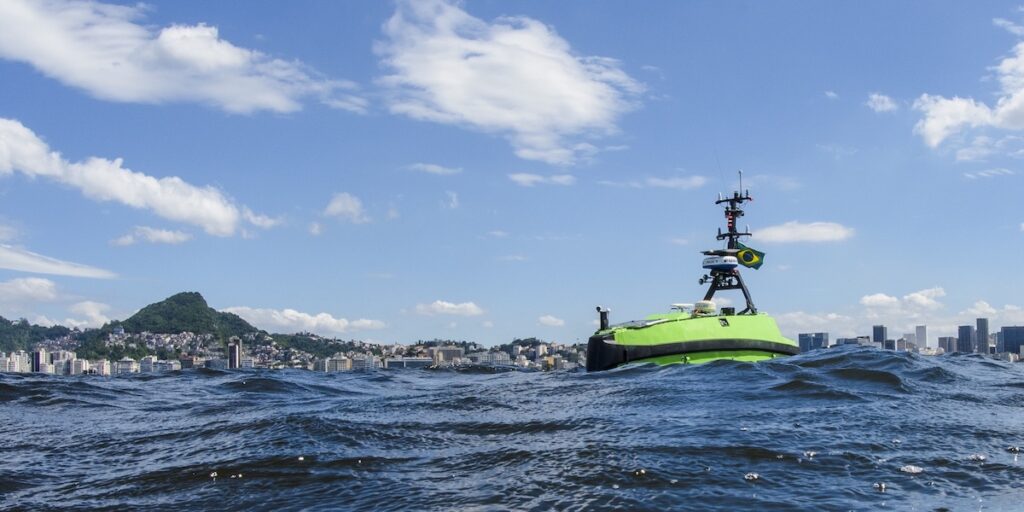
An international research partnership between MBARI and various marine research and technology companies has successfully deployed advanced environmental DNA sampling technologies to monitor marine biodiversity in remote offshore environments across Brazil.
The initiative leverages instruments developed by the Monterey Bay Aquarium Research Institute (MBARI) SURF Center, specifically the third-generation Environmental Sample Processor (3G ESP) and the Filtering Instrument for DNA Observation (FIDO). These devices collect environmental DNA (eDNA), which is the genetic material shed by marine organisms into the water column. By filtering this genetic material, scientists can detect the biological fingerprints of marine life and rapidly catalog the species present within an ecosystem without direct capture.
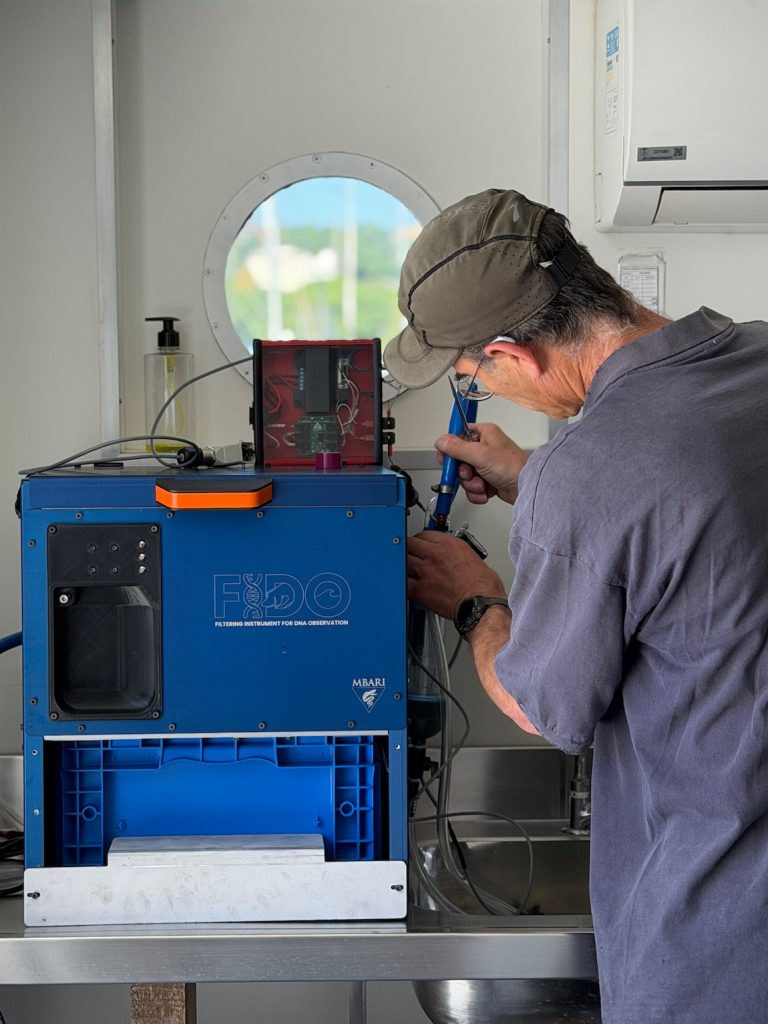
During recent fieldwork, researchers deployed the 3G ESP aboard the Tupan II, an uncrewed surface vehicle operated by TideWise. Controlled via satellite from Rio de Janeiro, the autonomous vessel initially gathered eDNA samples in Guanabara Bay before executing a seven-day survey of oil fields in the Santos Basin. This offshore operation spanned more than 200 kilometers (124 miles) from the coast, navigating waters where ocean depths exceed 2,000 meters (about 6,600 feet). For complementary ship-based surveys, scientists also installed the FIDO instrument on the Brazilian oceanographic research vessel Prof. Luiz Carlos.
The collaborative effort accumulated nearly 200 genetic samples, which are now undergoing analysis by Bio Bureau Biotecnologia. By utilizing autonomous sampling platforms instead of traditional crewed vessels, the project demonstrates how remote oceanic data collection can minimize costs, operational risks, and carbon footprints. This technological approach expands the capacity to study historically challenging marine environments, providing crucial data to assist resource managers, policymakers, industry, and communities in their decision-making regarding marine ecosystems and resources.
This fieldwork was executed as a component of an Equinor research project dedicated to identifying and monitoring biodiversity in remote marine areas. The initiative received funding from Brazil’s National Agency for Petroleum, Natural Gas, and Biofuels under the Research, Development, and Innovation clause.