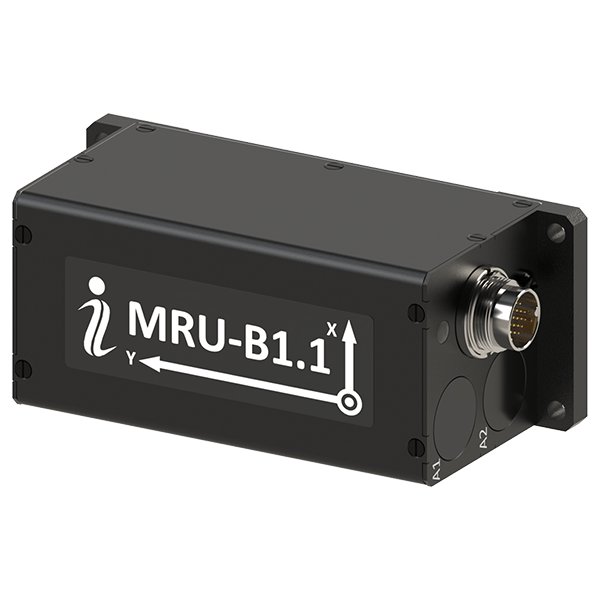
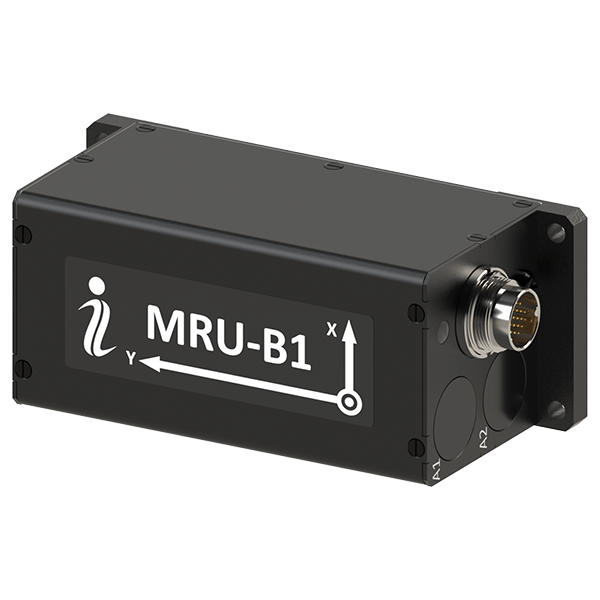
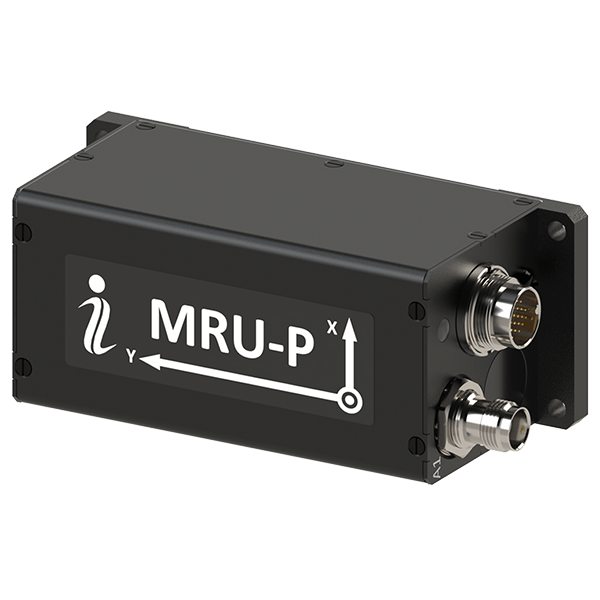
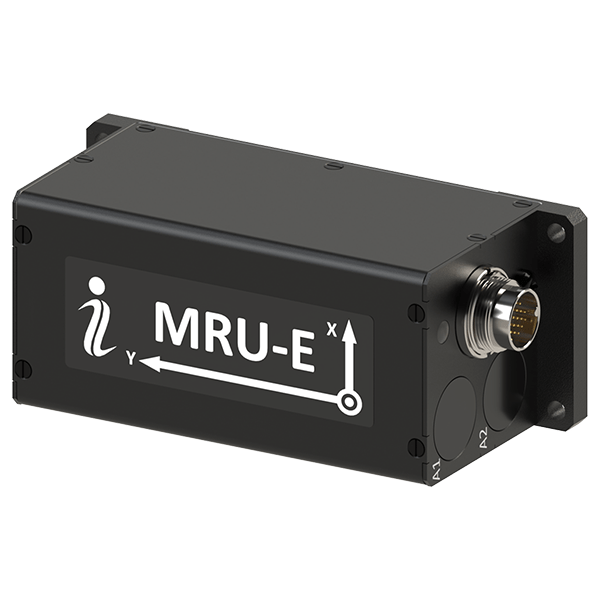
Motion Reference Units (MRUs) are precision instruments designed to measure and compensate for vessel motion in dynamic ocean environments. These high-accuracy sensors play a critical role in applications such as hydrographic surveying, wave monitoring, dynamic positioning, and offshore operations.
This category showcases manufacturers and suppliers of marine MRUs that meet the rigorous demands of marine science and engineering.
If you design, build or supply Motion Reference Units (MRU), create a profile to showcase your capabilities and connect with visitors who have an active requirement for your solutions.
Overview of Motion Reference Units (MRUs) & Marine Motion Sensors
Overview by
William Mackenzie
Updated:
Introduction to Marine Motion Reference Units
A Motion Reference Unit (MRU) uses an Inertial Measurement Unit (IMU), comprising accelerometers and gyroscopes, to track the movement of a vessel or marine platform. It processes acceleration and angular rate measurements to estimate roll, pitch, and heave, while suitably equipped systems can also provide heading and other motion outputs through additional sensors or external aiding.
Marine MRUs provide motion data for hydrographic surveying, scientific measurements, payload stabilization, and vessel operations, including the correction of sonar data for vessel movement during seafloor mapping. The accuracy of these corrections depends on the MRU’s performance and on how precisely it is aligned and synchronized with the other components of the survey system.
Core Functions of MRUs
Vessel Motion Monitoring
A motion reference unit tracks how a vessel responds to waves and maneuvering. Roll and pitch describe its changing orientation, while heave describes vertical movement. These measurements help operators assess platform motion during survey, research, and offshore operations.
Motion Compensation for Survey Sensors
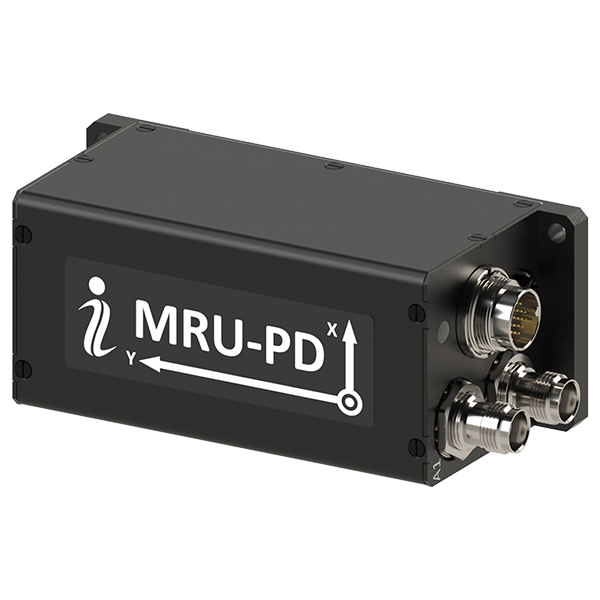
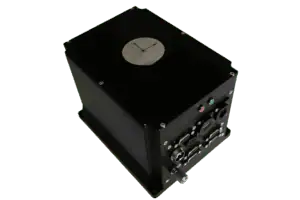
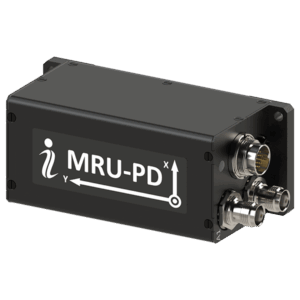
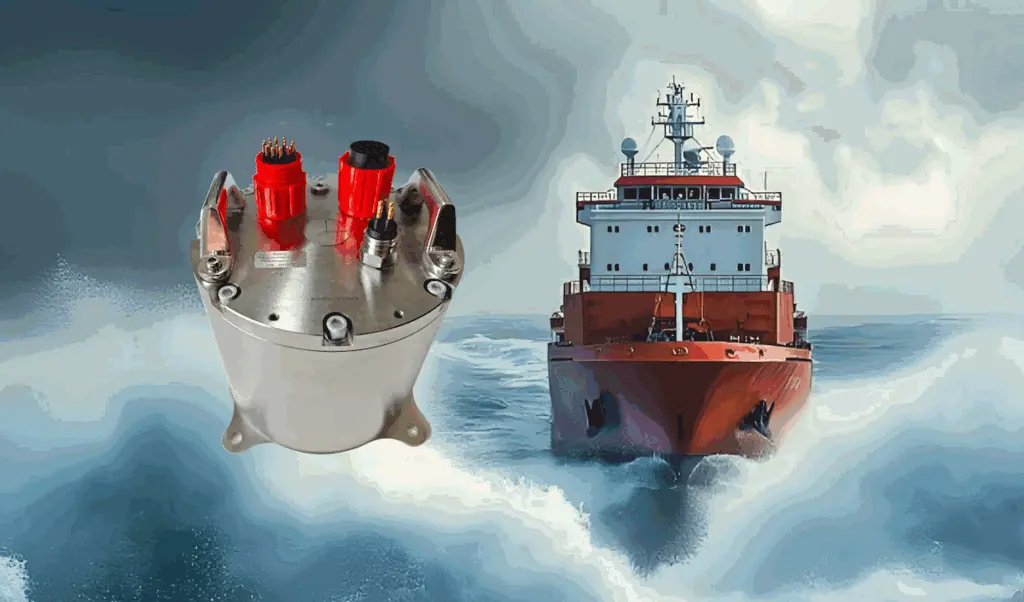
MRU-PD Motion Reference Unit by Inertial Labs
Vessel movement changes the orientation and position of a sonar or other mounted survey sensor during acquisition. MRU data enables the survey system to account for that movement when calculating the location of each measurement. Accurate correction also requires reliable positioning, measured offsets between sensors, and synchronized timestamps.
Stabilization of Marine Instruments and Payloads
An MRU can provide motion measurements to a stabilization controller for a camera, antenna, or other instrument. The controller uses those measurements to command a movable mount or another correction mechanism. The MRU supplies the motion reference; the stabilization hardware makes the physical adjustment.
Motion Data for Control and Positioning Systems
Vessel control systems may use MRU measurements to account for platform movement. In a Dynamic Positioning (DP) installation, roll and pitch data can help correct for movement of a positioning antenna mounted away from the vessel’s reference point. The measurements used depend on the DP system’s design, interfaces, and update rates.
Time-Referenced Motion Data for Post-Processing
Recording MRU data alongside sonar, imagery, and navigation data allows measurements to be corrected or checked after a mission. Each observation must be matched to the platform motion at the time it was acquired. Accurate timestamps are therefore essential, particularly when applying delayed heave corrections to survey data.
Motion Data Provided by MRUs
The outputs available to a marine motion reference unit depend on its sensors and processing. They may include:
Roll and pitch: The platform’s orientation about its longitudinal and lateral axes.
Heave and heave rate: Estimated vertical movement and its rate of change.
Angular rates and linear accelerations: Gyroscope and accelerometer measurements that some units make available as separate outputs.
Heading and yaw: Heading describes orientation relative to north, while yaw describes rotation about the vertical axis. A heading output requires a suitable reference, such as magnetic or Global Navigation Satellite System (GNSS) aiding.
Surge and sway: Fore-aft and side-to-side motion estimates available from systems configured to provide horizontal motion data.
For a multibeam survey, roll, pitch, and heave performance are especially important because errors in these measurements affect the correction applied to sonar data.
Types & Configurations of Motion Reference Units
MRU configurations differ in sensor technology, external aiding, and installation requirements. Common configurations include:
Microelectromechanical Systems (MEMS)-based MRUs: Use compact gyroscopes and accelerometers in relatively low-power packages.
Fiber optic gyroscope-based MRUs: Use optical gyroscopes for angular rate measurement in systems designed for demanding motion performance.
Standalone inertial MRUs: Calculate motion from onboard sensors without requiring continuous GNSS input.
GNSS-aided motion reference systems: Combine inertial measurements with GNSS data for supported motion, orientation, or navigation outputs.
Compact and submersible MRUs: Suit restricted spaces or underwater installations. A subsea MRU requires a housing and connectors rated for its operating depth.
These configurations can be combined in one unit. A compact MEMS-based MRU, for example, may also accept GNSS aiding when installed on a surface vessel.
Marine Platforms Using MRUs
Crewed Research and Survey Vessels
Research and survey vessels use MRUs to supply motion data to sonar and scientific acquisition systems. A hydrographic installation typically combines motion measurements with positioning and carefully measured sensor offsets. Mounting the MRU securely and aligning it to the vessel’s reference frame are necessary for accurate data correction.
Unmanned Surface Vessels (USVs)
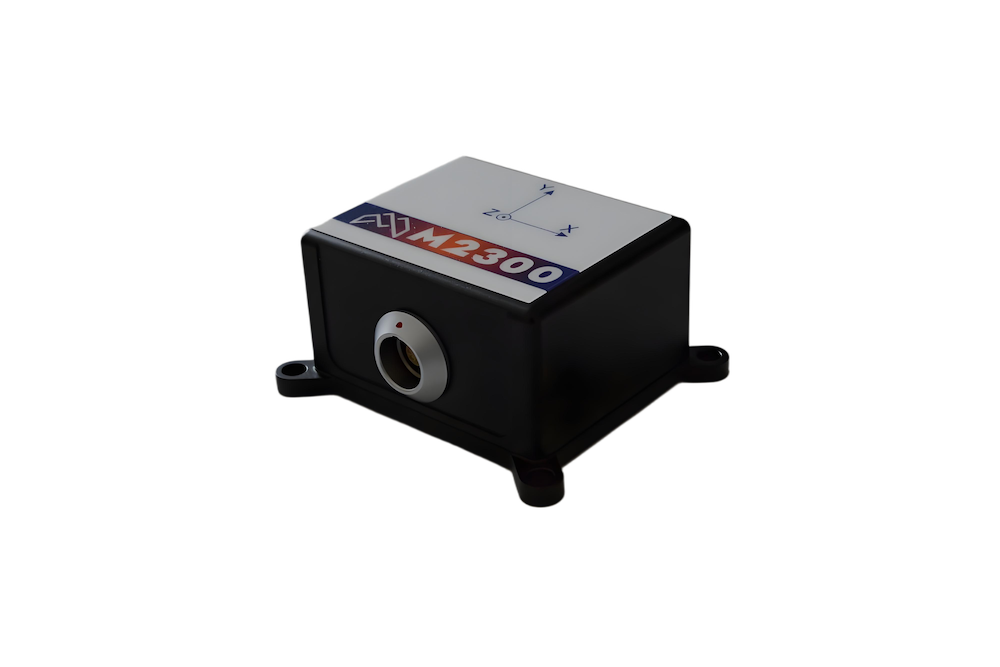
Maritime MRU M2300 for MEMS-Based Inertial Sensing by Mirco Magic
On an unmanned or Autonomous Surface Vessel (ASV), an MRU can support survey acquisition and provide motion measurements to other onboard systems. Its installation must fit the vessel’s available space and power budget. Logging synchronized MRU and payload data also allows operators to review measurement quality after a mission.
Autonomous Survey Platforms
Autonomous platforms can use MRU data while collecting measurements without continuous operator supervision. Consistent timestamps allow onboard software and later processing tools to relate sensor observations to platform movement. Where the MRU supports status or quality outputs, these can help identify periods when its measurements need closer review.
Buoys and Floating Observatories
Buoys and floating observatories may record motion to characterize platform behavior or interpret scientific measurements taken from a moving structure. Their requirements can differ from those of a survey vessel: long-duration operation and power consumption may take priority over rapid output. The MRU’s mounting position also affects how its measurements relate to instruments elsewhere on the platform.
Submersible and Underwater Installations
A subsea MRU can measure the motion of an underwater vehicle or instrument package when its enclosure is rated for the deployment depth. Because GNSS signals are unavailable while submerged, underwater operation relies on onboard inertial sensing and any suitable aiding integrated with the wider system. Installation geometry determines how its measurements are applied to other onboard instruments.
Emerging Developments in Marine Motion Reference Technology
Developments in sensors and processing are expanding the options for smaller platforms and sustained deployments. Areas of progress include:
Improved MEMS sensors: More capable compact inertial sensors for small vessels and instrument packages.
Advanced heave processing: Refined estimation and post-processing of vertical motion for survey workflows.
Autonomous platform integration: Compact systems designed around the power, space, and data requirements of unmanned platforms.
Automated quality monitoring: Checks that help identify problems with motion measurements, timing, alignment, or aiding inputs during acquisition.
These developments are most useful when their performance can be assessed against the motion and measurement requirements of the installation.
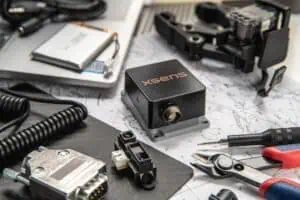
Xsens Sirius and Avior MRUs provide real-time Heave output for marine systems requiring accurate vertical motion data in wave-affected operating environments
High-performance MEMS inertial sensors from Tronics Microsystems provide reliable motion data for marine and subsea navigation, improving vessel control, mapping accuracy, and dynamic positioning performance
Micro Magic is presenting its advanced inertial sensing systems on OST, providing precise navigation, motion control, and stability solutions for offshore, subsea, and marine operations
Xsens outlines the development and implementation of its onboard Heave functionality for the Sirius and Avior sensor modules, enabling the devices to provide real-time vertical displacement data alongside roll, pitch, and yaw measurements for marine stabilization and compensation systems
Inertial Labs highlights the development of the motion reference unit (MRU), detailing its calibration, sensor integration, and adaptability while placing the technology within the broader history of marine navigation
Silicon Sensing examines the practical considerations of buying versus building an IMU, highlighting performance, cost, and integration challenges, with insights into solutions offered by Silicon Sensing for both approaches
SBG Systems is showcasing its precision inertial navigation, motion, and positioning solutions on OST, offering robust, ITAR-free sensors designed for a wide range of marine applications
Inertial Labs’ KERNEL-201 miniature MEMS sensor-based IMU is ideal for applications like pointing, stabilization, and navigation in systems where performance and size matter
Inertial Labs has released an article outlining the functionality of Motion Reference Units, with a dive into the use of algorithms, various applications, & benefits of the company’s own MRUs