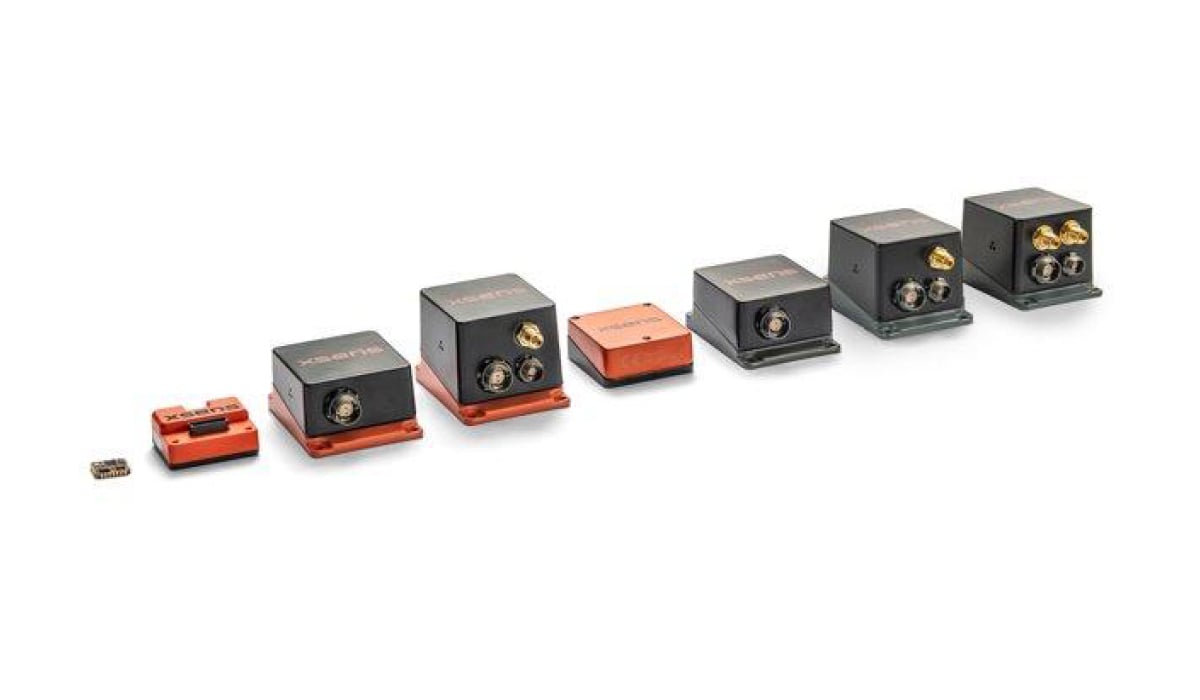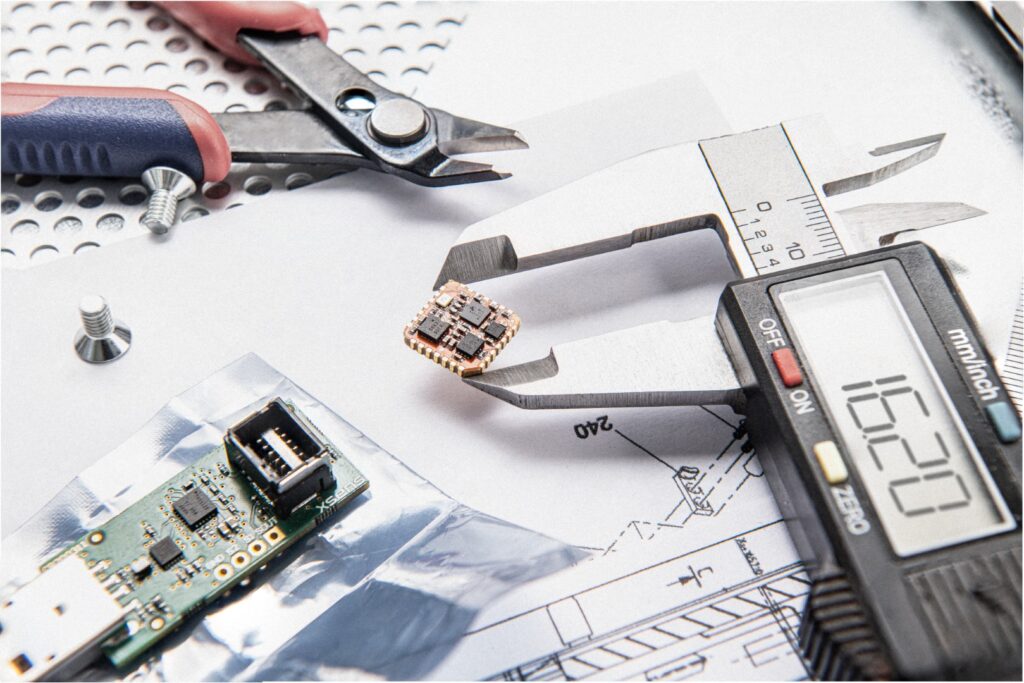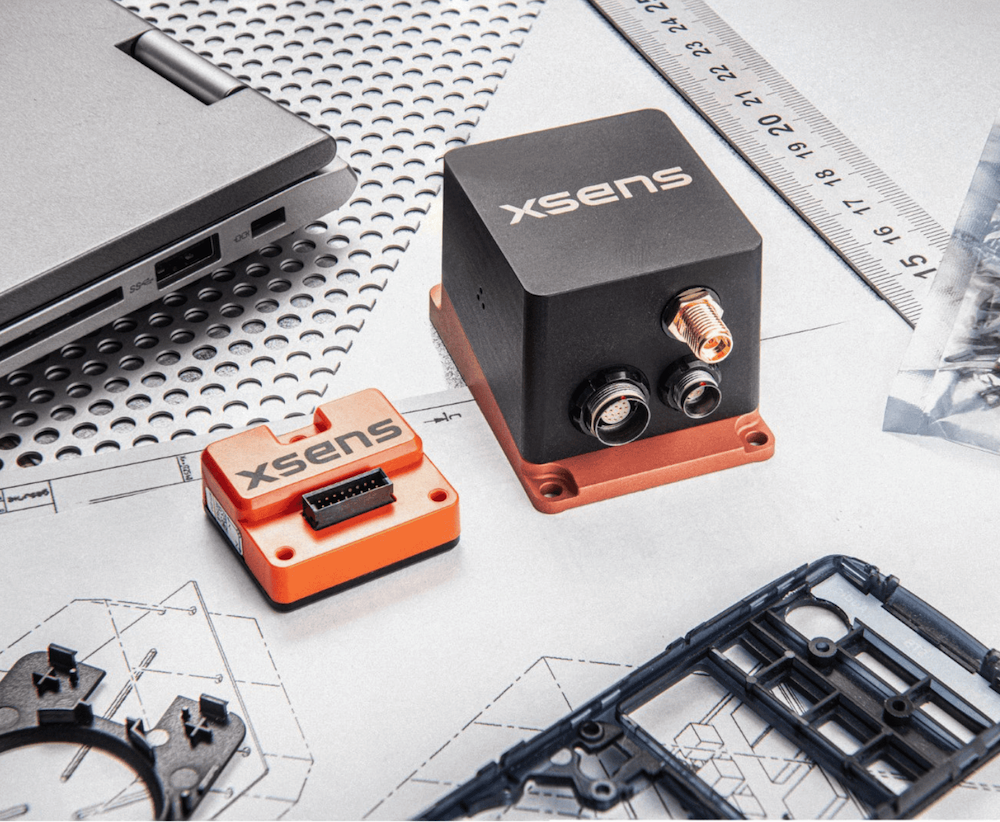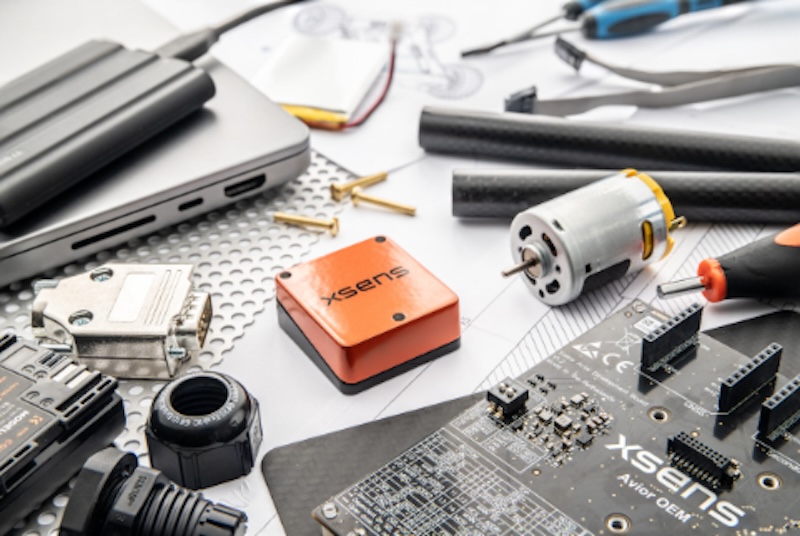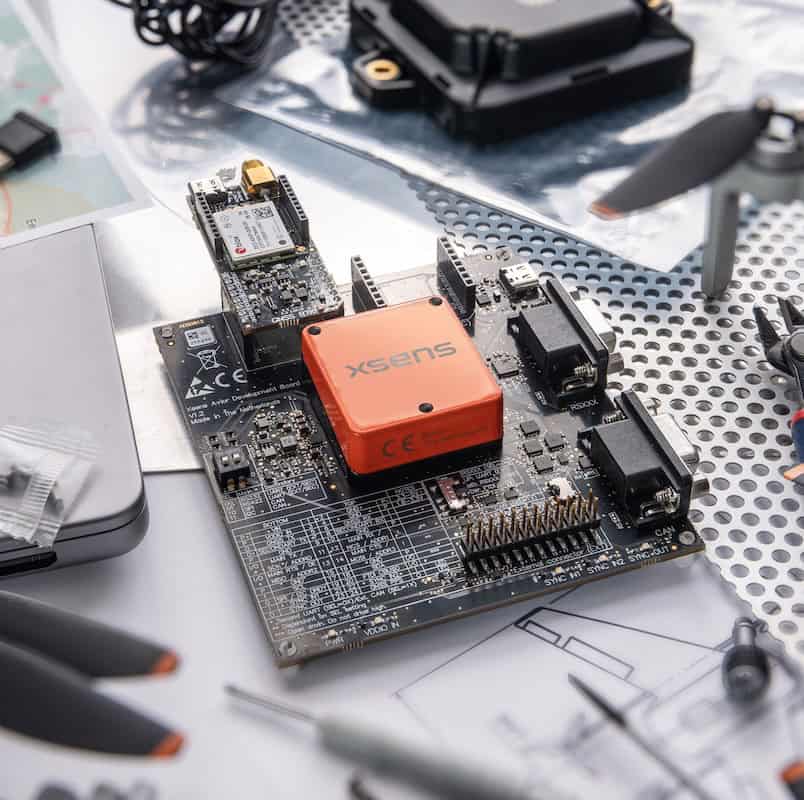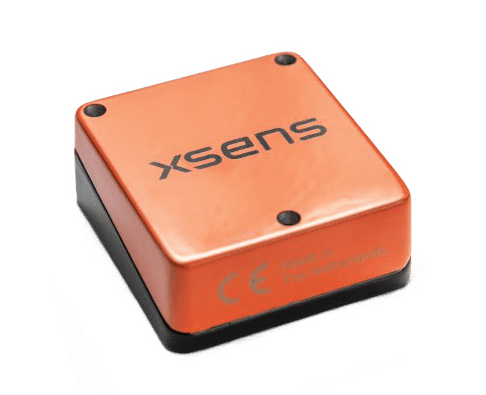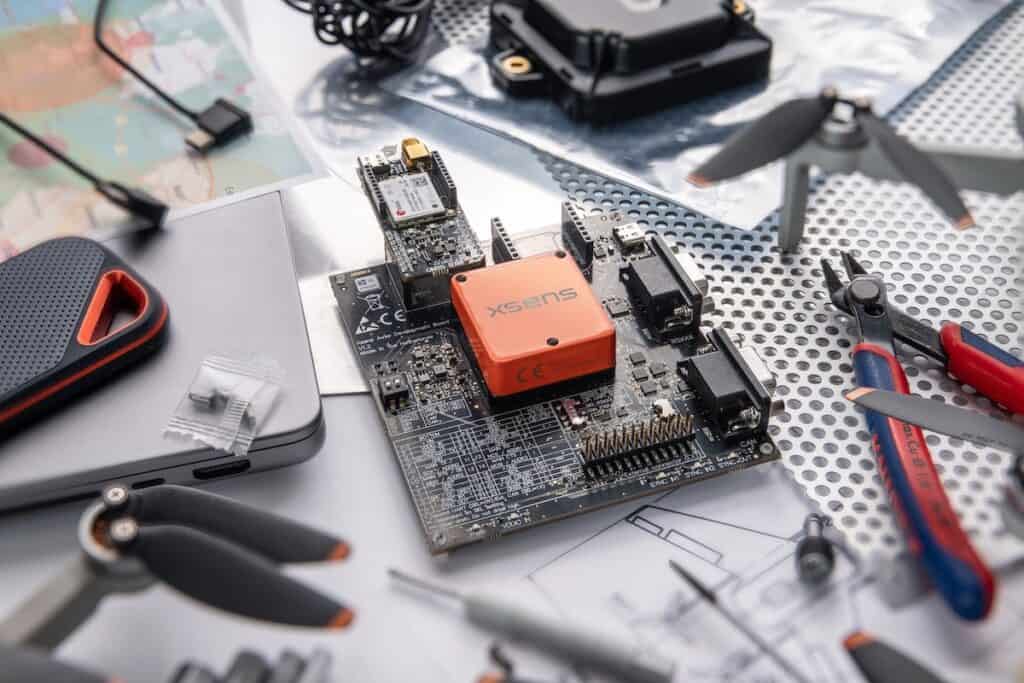



Xsens offers Motion Reference Units (MRUs) through its Sirius and Avior series with onboard Heave output, delivering real-time, centimeter-level vertical displacement together with roll and pitch. Read more >>
Designed for marine environments where wave-induced motion can affect positioning, stability, and control, the Heave capability provides the vertical motion reference required to compensate for vessel movement in real time.
Computed entirely onboard using advanced sensor fusion, the Heave algorithm delivers precise motion data for applications including stabilization, offshore drilling, docking, and active heave compensation, without requiring additional hardware or post-processing.
Why Heave Matters
On the ocean, continuous vertical vessel movement is unavoidable. Waves cause vessels, offshore platforms, cranes, and autonomous surface systems to move up and down, creating a motion known as heave.
Without accurate Heave information, marine systems cannot effectively maintain depth, stability, and control. By providing roll, pitch, and vertical displacement measurements, Xsens MRUs supply the motion reference needed to compensate for wave-induced movement as it occurs.
Xsens Motion Reference Units deliver Heave output with 5 cm accuracy for Heave periods of up to 29 seconds.
Onboard Heave Processing
Heave is derived directly from inertial sensor data using an onboard algorithm. The algorithm performs double integration of acceleration while applying a proprietary phase-correction method that keeps the calculated vertical displacement aligned with real-world motion. Following a convergence period of approximately 40 seconds, the sensor tracks motion one-to-one with the vessel’s true vertical movement.
The result is real-time, drift-free Heave data updated at 100 Hz and ready for immediate use in marine control systems.
Measuring Heave at Offset Points
When using Heave, defining both the Center of Rotation (COR) and the Point of Interest (POI) is essential. These reference points may differ from the physical mounting location of the Motion Reference Unit.
By defining the lever arms to the COR and POI, the system accounts for the vertical displacement caused by vessel rotations, ensuring that Heave measurements accurately represent motion at the required location.
Heave Performance
Performance data demonstrates how the Xsens Heave filter adapts when wave periods change.
The performance charts compare the calculated Heave position with ground truth, show the detected Heave period, and illustrate measurement error. Following a change in wave conditions, the filter re-converges within approximately 40 seconds before returning to centimeter-level accuracy.
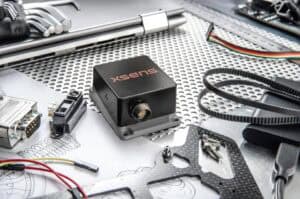
Xsens Sirius MRU
A performance map covering a range of wave amplitudes and periods shows that the algorithm maintains less than 5% error throughout the green operating region, supporting centimeter-level accuracy for wave periods of up to 29 seconds. The surrounding gray region maintains less than 6% error for wave periods of up to 40 seconds, demonstrating stable performance during long-period ocean motion.
Benefits of Heave Output
Real-Time Vertical Displacement
Immediate Heave data supports active heave compensation systems used in offshore cranes, drilling operations, docking systems, and other marine applications where wave motion must be accounted for.
Centimeter-Level Accuracy
The Heave algorithm maintains measurement accuracy during long-period wave conditions commonly encountered in offshore and deep-water operations.
Fully Onboard Processing
All calculations are performed within the sensor firmware, eliminating the need for additional hardware, software post-processing, or added processing latency.
Straightforward Integration
Heave can be enabled through a firmware update while providing roll, pitch, yaw, and Heave outputs via RS232, RS422, CAN, or UART interfaces.
Marine Applications
Heave is fundamental to surface applications that require compensation for wave-induced motion.
Typical applications include:
- Offshore drilling and crane operations, where vessel motion can be compensated to help keep tools and suspended payloads steady.
- Docking and dynamic positioning systems that require accurate surface alignment.
- Marine robotics, including remotely operated vehicles (ROVs), autonomous underwater vehicles (AUVs), and autonomous surface vehicles (ASVs) operating near the surface.
- Buoys and surface monitoring systems used to measure and record wave-induced displacement.
- Survey and mapping platforms, where reducing vertical motion contributes to cleaner measurement data.
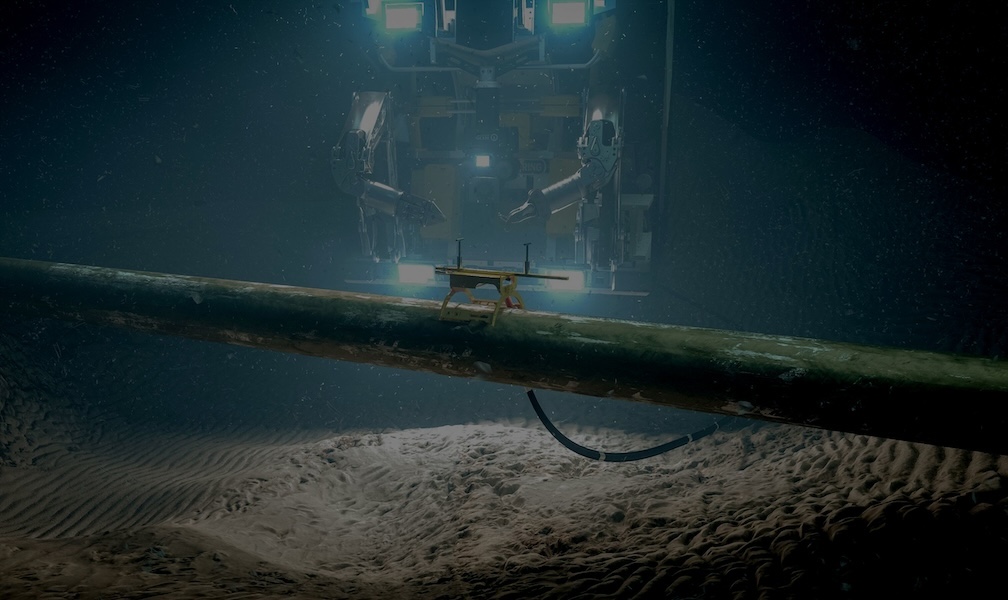
Beyond surface operations, Xsens IMUs are also deployed in hundreds of underwater vehicles, making them suitable for a broad range of subsea navigation and control applications.
Xsens Motion Reference Units
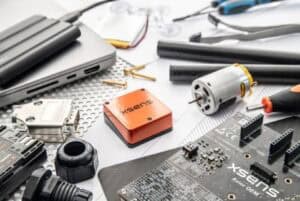
Xsens Avior MRU
Xsens Sirius MRU
The Xsens Sirius MRU is designed for harsh marine environments and includes built-in support for Heave. Its MIL-standard IP68 housing is resistant to temperature extremes, humidity, salt spray, shock, vibration, and electromagnetic interference.
Xsens Avior MRU
The Xsens Avior MRU is a premium OEM solution with a low SwaP-C footprint for applications requiring high motion accuracy. The unit supports UART, CAN, I2C, SPI, RS232, RS422, and optional EtherCAT interfaces, with built-in Heave support.
Supporting Marine Operations
Xsens inertial sensors are widely used across the marine industry in offshore drilling and construction, vessel stabilization and dynamic positioning, ROV and AUV navigation and control, marine robotics, buoys, and surface platforms.
By providing dependable motion data, Xsens sensors support research, safety, and automation across a wide range of marine and subsea applications.