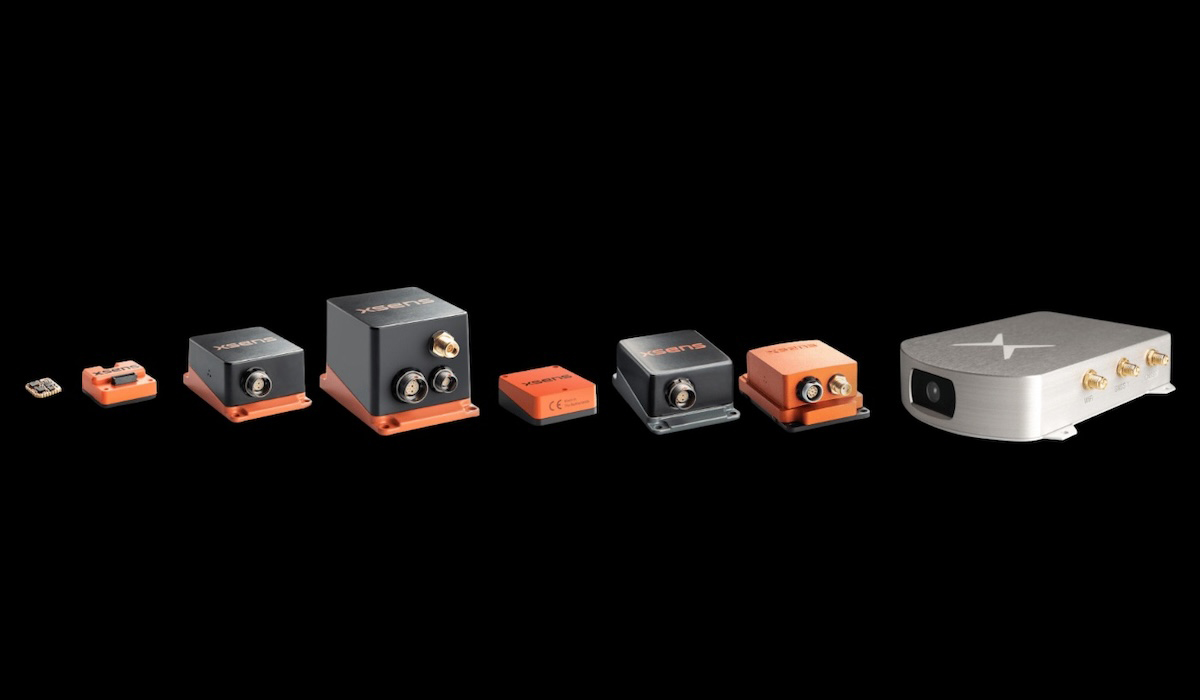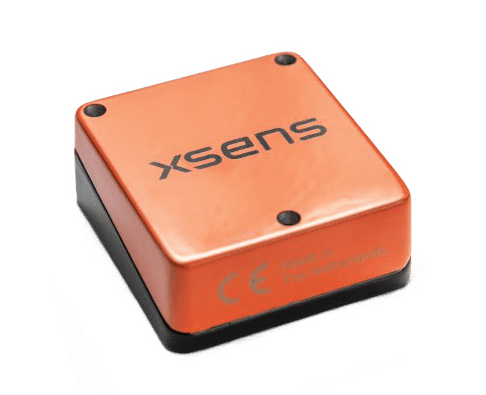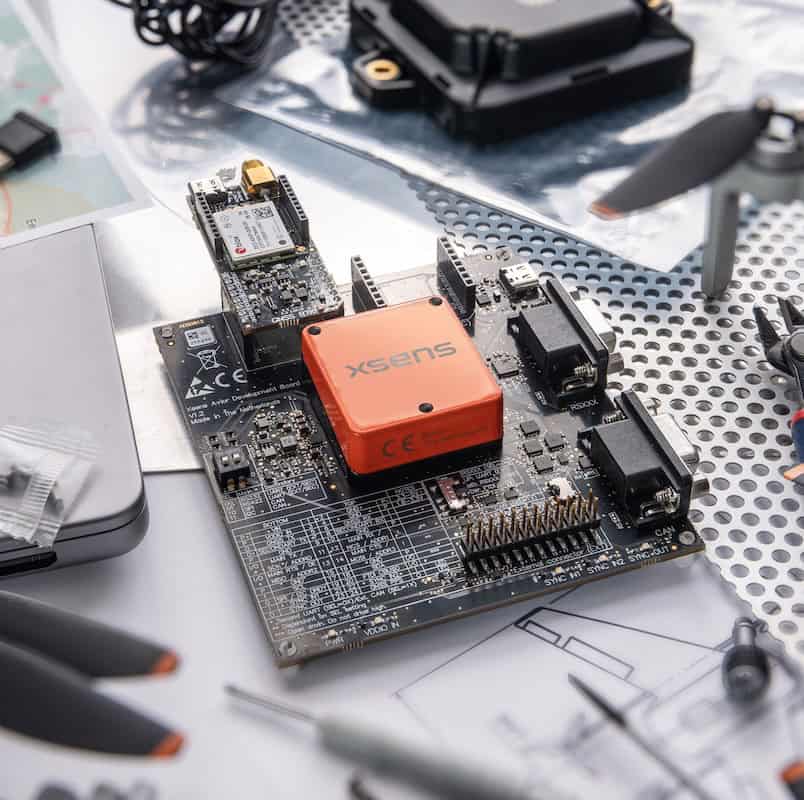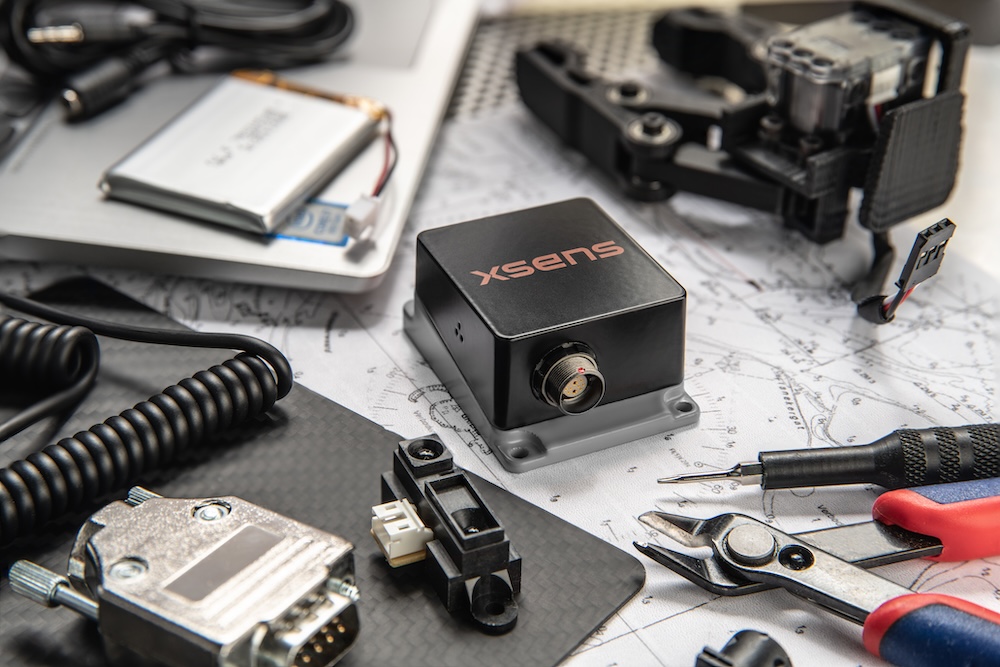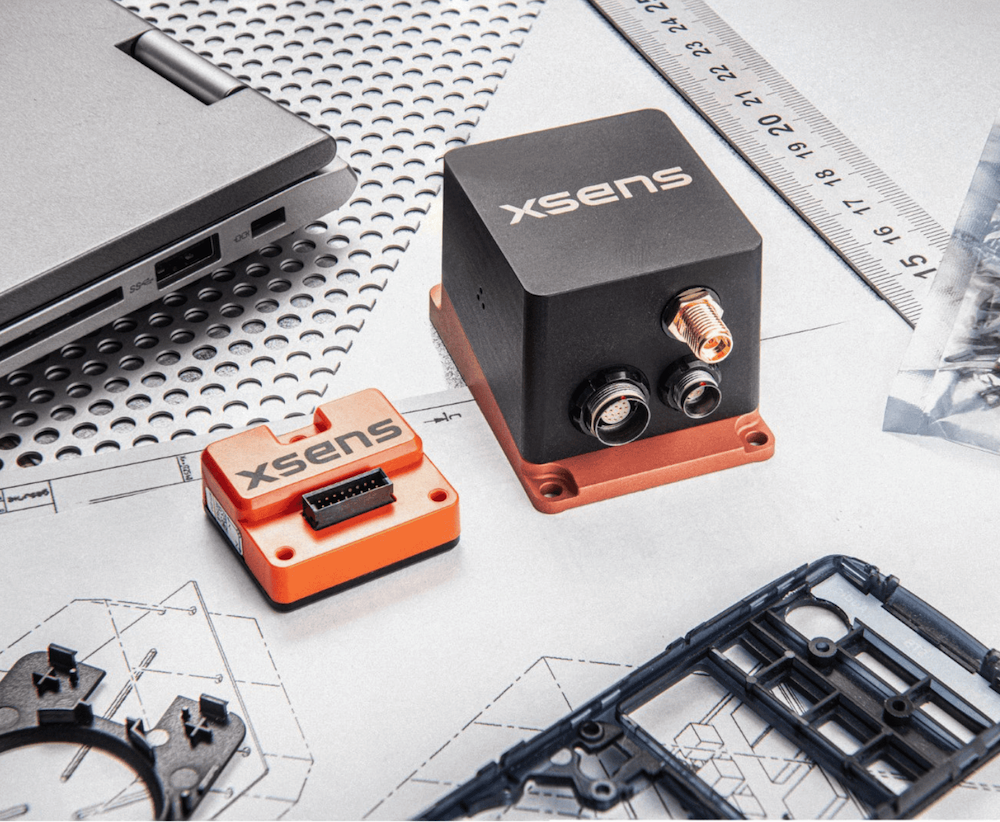


Xsens discusses the development and implementation of its new onboard Heave functionality for Sirius and Avior inertial sensor modules in an interview with Ayush Sharma, Research Engineer Core Algorithms at Xsens. Read more >>

Ayush Sharma, Research Engineer Core Algorithms at Xsens.
Introduced through a firmware update, the addition of real-time Heave output enables the modules to provide vertical displacement data alongside roll, pitch, and yaw measurements, expanding their capabilities from Attitude and Heading Reference Systems (AHRS) modules to industrial-grade Motion Reference Units (MRUs) for marine stabilization and compensation applications.
During the interview, Sharma explains that the Heave algorithm is based on double integration of acceleration data captured by the Inertial Measurement Unit (IMU) accelerometers. The system combines accelerometer measurements with gyroscope and orientation data to determine true vertical motion, even when a vessel is rolling or pitching. According to Sharma, the algorithm was designed to correct timing misalignment between estimated and actual motion through an adaptive auto-tuning filter that adjusts to changing heave conditions.
The algorithm operates in real time at 100 Hz and converges in approximately 40 seconds after startup, after which the Heave output tracks motion one-to-one. Xsens states that testing demonstrated an error of less than or equal to 5 cm for wave periods up to 29 seconds, and approximately 6 cm for periods up to 40 seconds. Validation included laboratory testing with a motion robot simulating wave conditions, including abrupt wave-period changes to evaluate how quickly the algorithm adapts.
Xsens notes that existing Sirius and Avior users can enable Heave functionality through a firmware update and activation within MT Manager or the SDK, with no calibration required. The company identifies offshore cranes, drilling platforms, docking systems, marine survey equipment, and surface buoys among the applications that can benefit from active heave compensation.
Read ‘Interview: Creating the Heave Algorithm for Xsens Inertial Sensor Modules’ for more information.