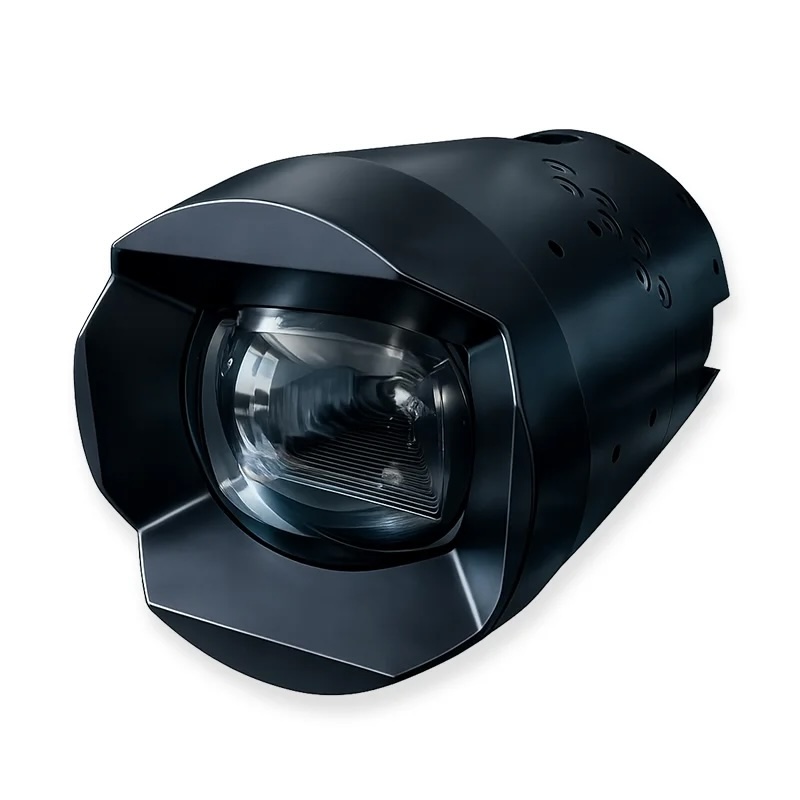

SubC Imaging’s advanced subsea cameras, such as the SubC’s 1Cam, empower marine researchers to capture high-quality, precise underwater visuals. This guide explores the significance of depth of field in subsea photography.
Depth of field specifically determines which parts of an image appear in sharp focus, and understanding this concept is essential in subsea photography, whether studying marine life, ocean geology, or climate change effects.
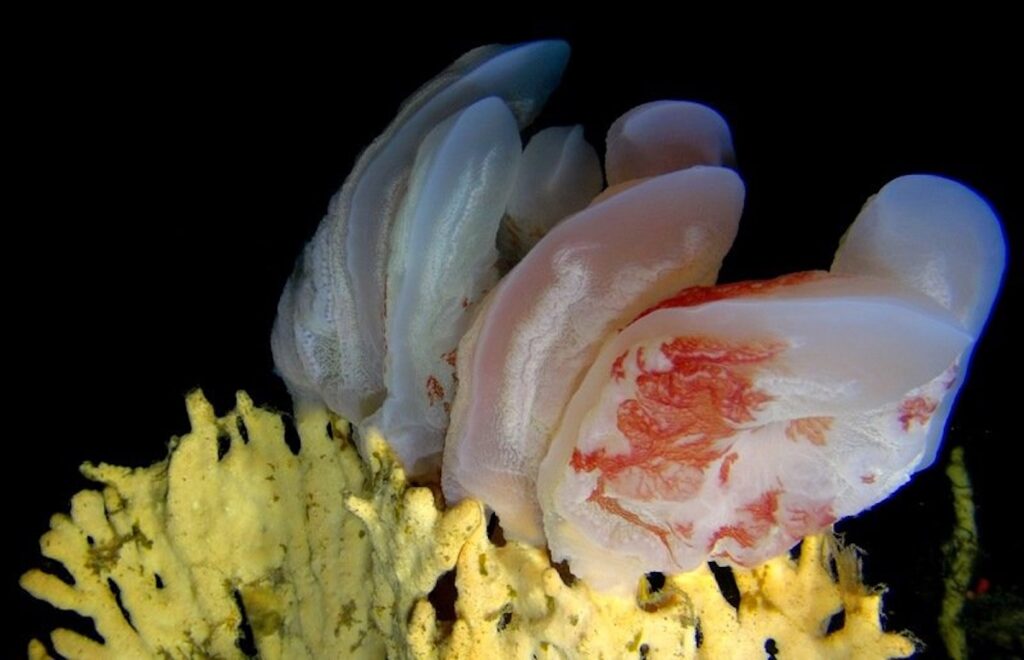
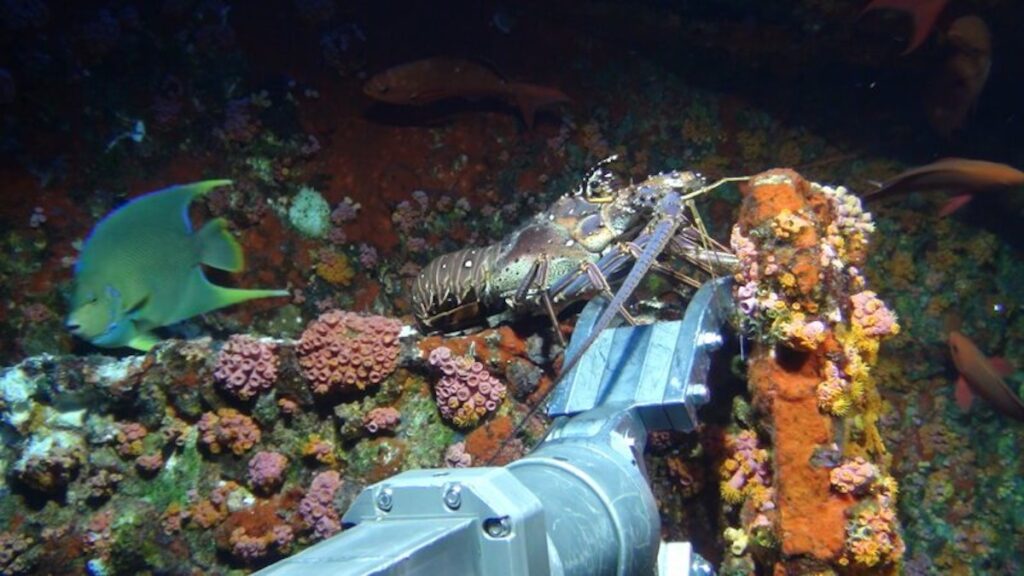
Several factors influence depth of field, including sensor size, lens aperture, and focal length. Smaller sensors and narrower apertures increase the depth of field, allowing more of the scene to be in focus, while zooming in or using wider apertures narrows it, helping to isolate specific subjects.
Researchers can control depth of field by adjusting focus distance and optical zoom. Focusing closer narrows the depth of field, highlighting subjects and blurring backgrounds. Zooming in similarly narrows the focus range, providing visual emphasis crucial for marine documentation.
Mastering this concept ensures scientifically valuable and precise imagery is captured. A controlled depth of field helps highlight key features, eliminate background distractions, and improve image efficiency, reducing the need for excessive post-processing.
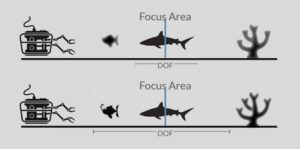
It is important to calculate depth of field using camera specifications. With parameters like aperture, focal length, and focus distance entered into a depth of field calculator, researchers ensure their images meet precise sharpness standards.
Depth of field is a foundational aspect of subsea imagery, directly contributing to the clarity, focus, and scientific usefulness of marine research visuals. SubC Imaging’s solutions provide the tools to master this skill, supporting researchers in their mission to document and understand the oceans.