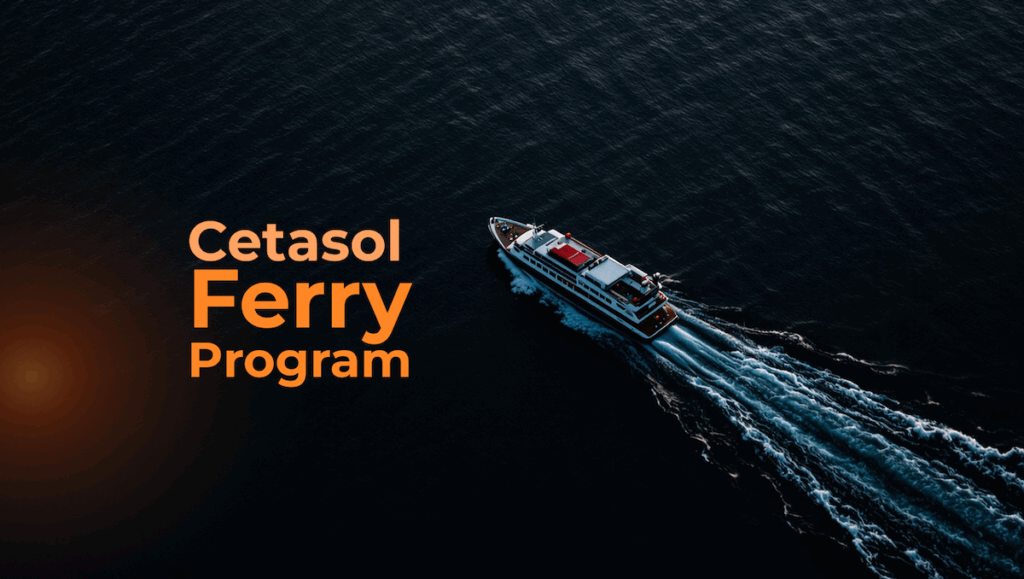

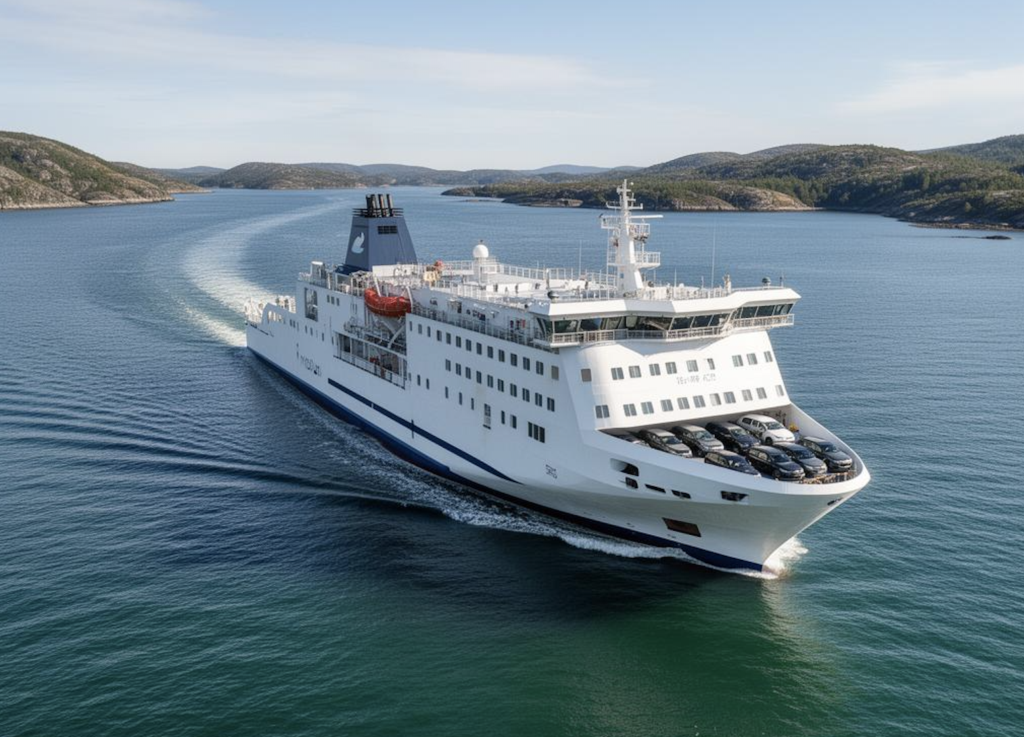
Cetasol is helping ferry operators reduce fuel consumption and emissions through AI-driven decision support tools that optimize vessel performance across short, high-frequency routes.
Unlike vessels operating on long, steady voyages, ferries follow repetitive stop-and-go patterns that include acceleration, maneuvering, docking, and extended idle periods. These energy-intensive phases can significantly increase fuel consumption and CO₂ emissions, making operational efficiency a growing priority as operators face rising fuel costs, stricter environmental regulations, and increased public accountability.
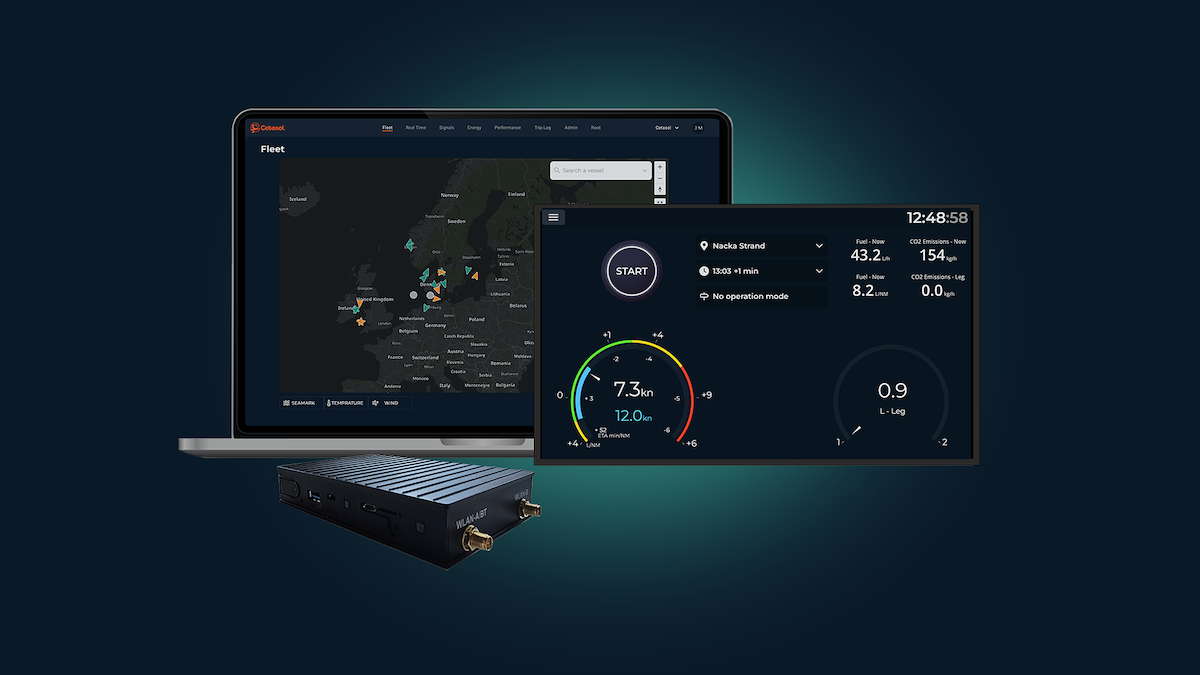
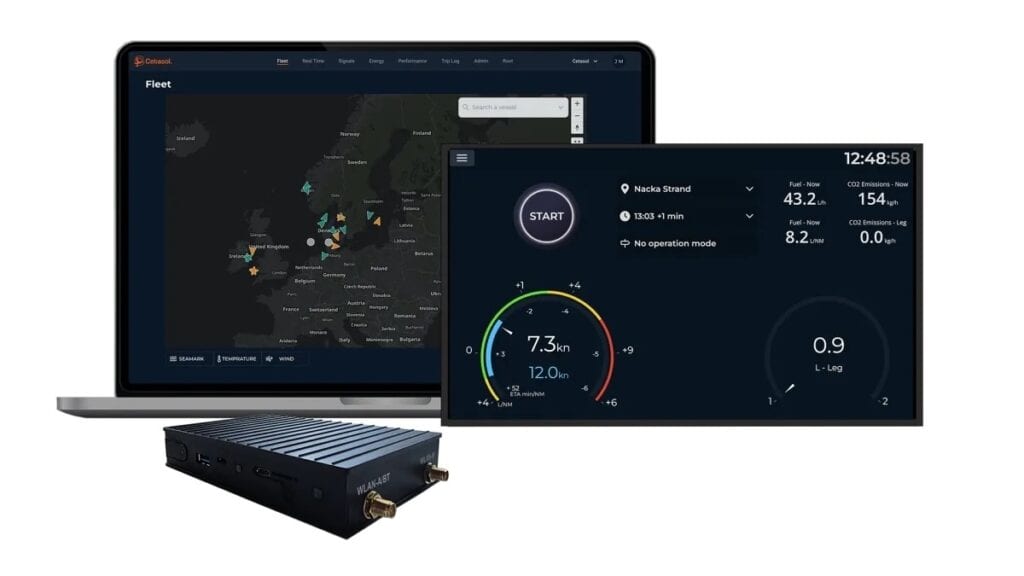
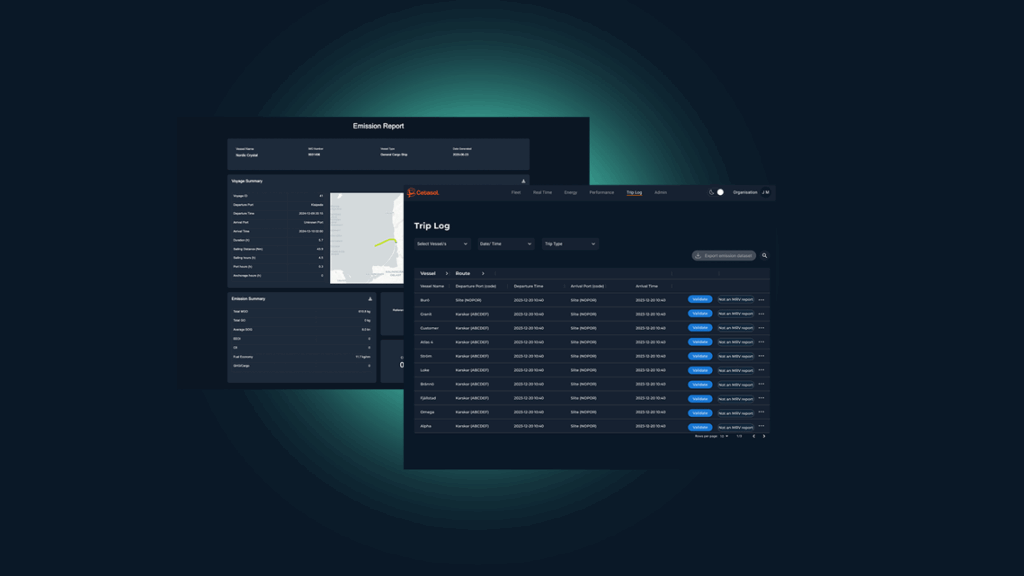
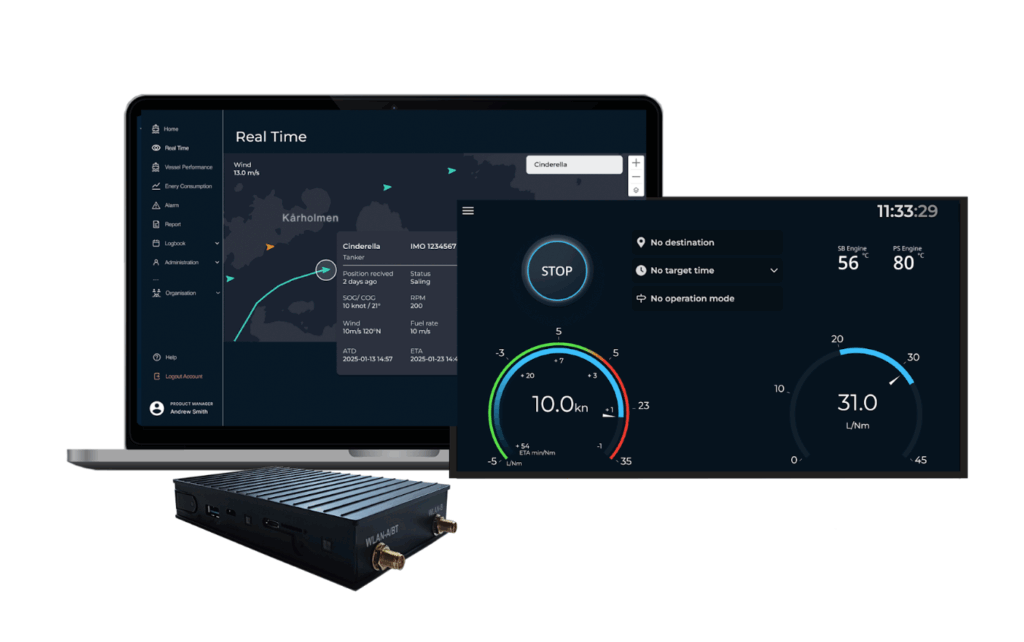
To address these challenges, Cetasol has developed the iHelm Intelligent Platform and CetaFuel Virtual Fuel Reader, solutions that use operational data to provide actionable insights for ferry crews and fleet managers. By analyzing engine signals, GPS data, route performance, and historical voyage trends, the platforms help operators optimize speed profiles, reduce unnecessary idling, improve docking consistency, and standardize best-performing operational practices.
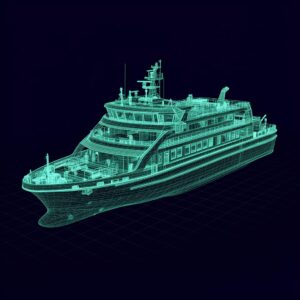
The technology creates a continuously updated digital twin of each vessel’s operating profile, enabling operators to compare performance across routes, crews, and conditions while identifying opportunities for fuel and emissions reductions. Real-time recommendations support more efficient decision-making without removing control from vessel captains.
The systems also provide visibility into key performance indicators such as fuel consumption per voyage, idle fuel burn, and CO₂ emissions, while streamlining reporting requirements related to regulatory frameworks including CII, EEXI, and MRV.