The Global Sourcing Hub for Marine, Subsea & Offshore Technology
Discover cutting-edge solutions from leading global suppliers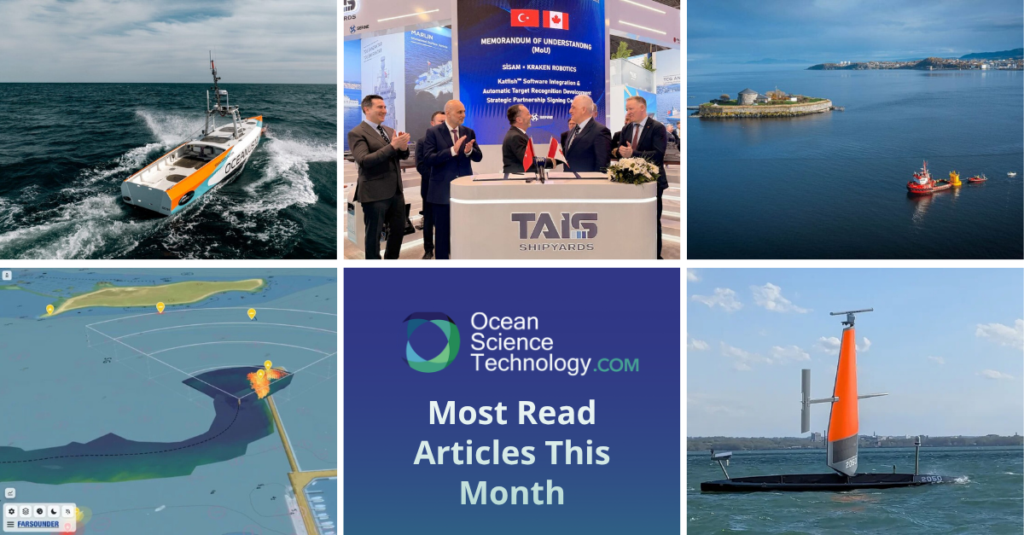
The technologies drawing the most readers in May weren’t announcing themselves. No single breakthrough dominated the coverage. Instead, the month’s standout stories were about contracts signed, platforms in the water, and partnerships built around operational reliability. The industry is getting on with it.
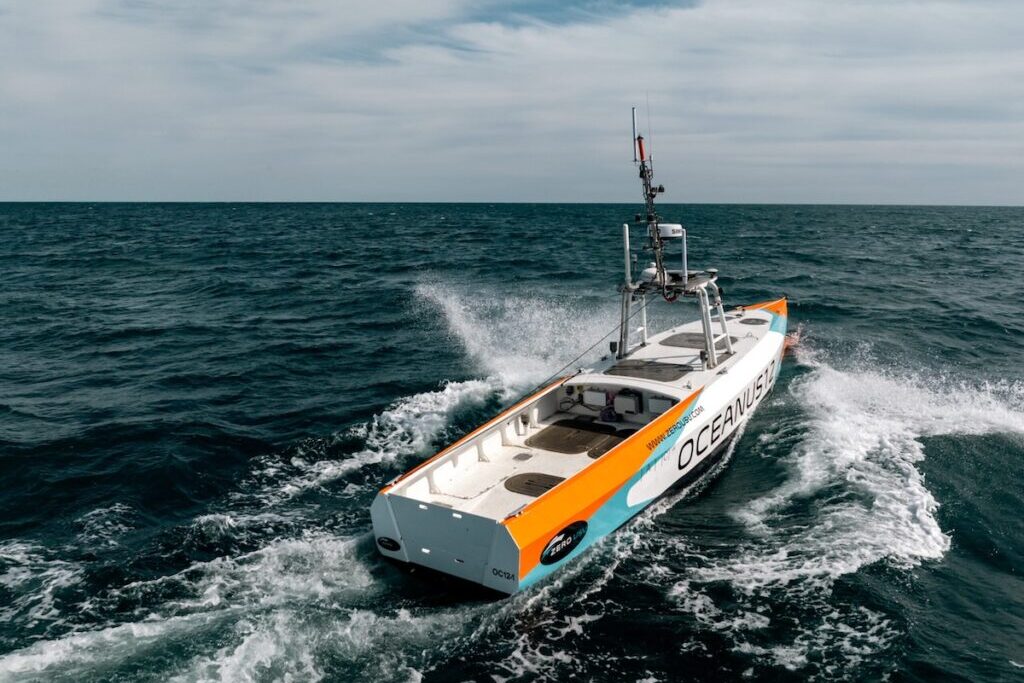
The ZeroUSV coverage illustrated this well. The company’s collaboration with MetOcean Telematics, Thales, and Iridium wasn’t about a new vessel — it was about keeping existing ones connected. By layering Thales VesseLINK 700, powered by Iridium Certus 700, with Iridium Edge Solar devices for redundancy and tracking, the partnership treats communications as a foundational requirement for the Oceanus class rather than an afterthought. When a vessel is operating autonomously in a remote ocean environment, going dark isn’t a minor inconvenience.
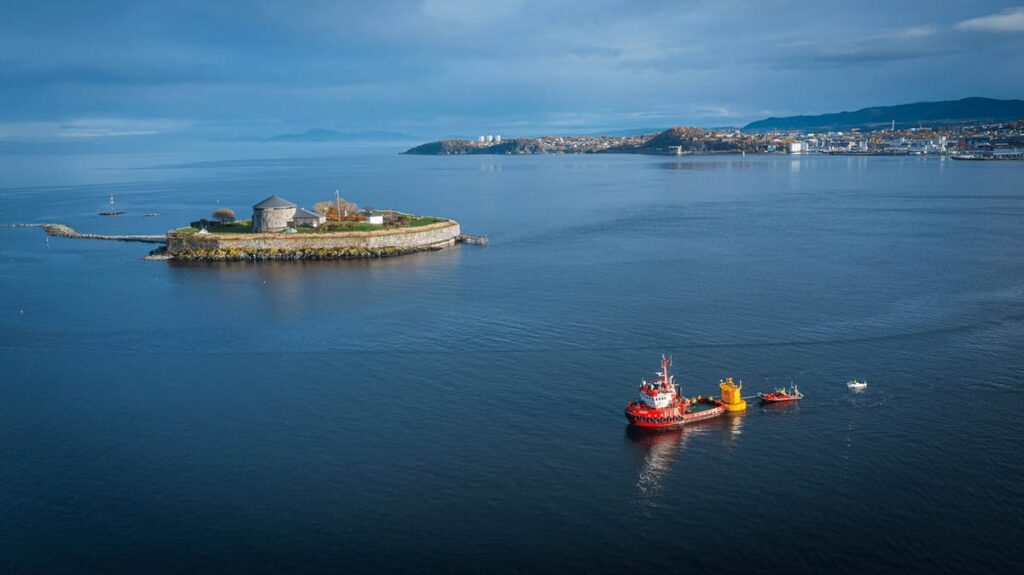
The European Defence Fund’s allocation of over EUR 56 million across three collaborative maritime research projects reflected a different kind of ambition; building surveillance and protection capabilities for infrastructure that sits largely out of sight and, until recently, out of strategic mind.
SHIELD and DEEP TECH will develop underwater surveillance networks and autonomous systems capable of operating at depths of up to 6,000 metres, with SINTEF Ocean among the contributors bringing expertise in underwater robotics and autonomous integration. The investment signals that European defence planners are treating the seabed as contested territory.
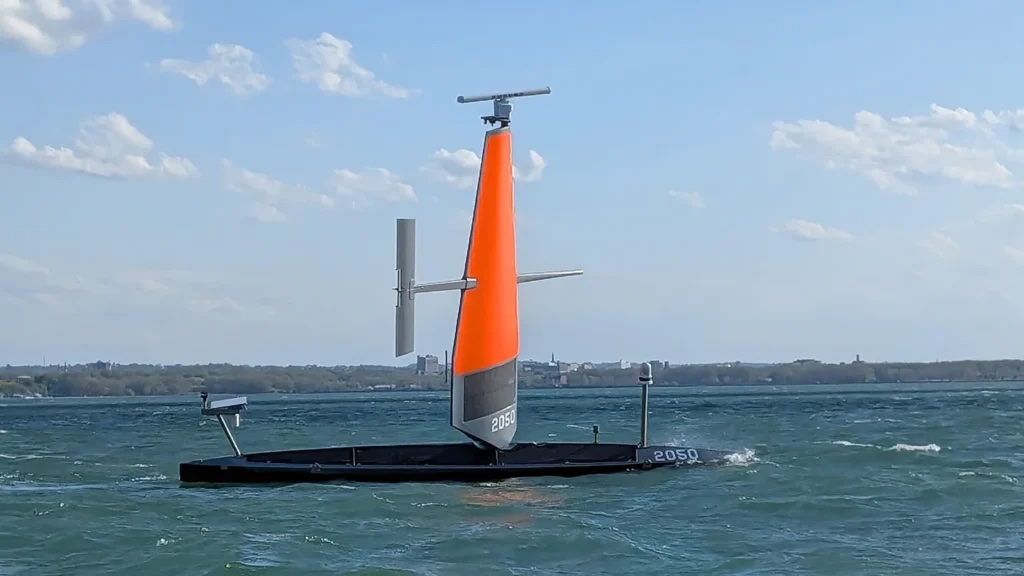
Saildrone’s Coast Guard contract — 16 Voyager USVs across the Great Lakes and Northeast coast, valued at $15.5 million — was the month’s clearest illustration of autonomous surface vessels earning operational trust at scale. Equipped with radar, AIS receivers, and high-resolution cameras, the Voyagers extend where awareness reaches, freeing personnel for work that requires human judgement and presence on the water.
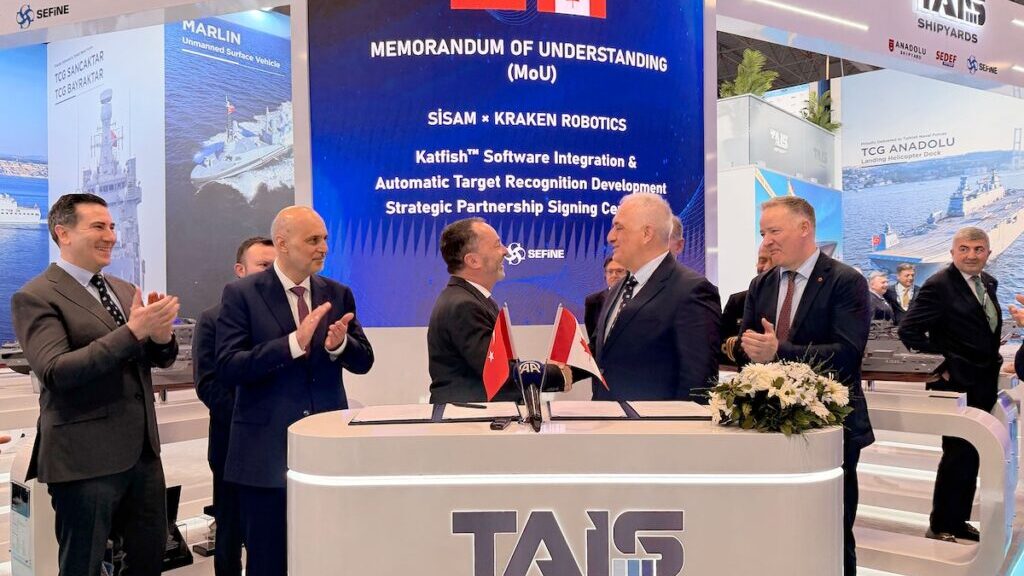
Mine countermeasures drew steady attention through the Kraken Robotics and SEFINE SISAM partnership, which integrates Kraken’s KATFISH synthetic aperture sonar with SEFINE’s RD-22 USV for defence applications.
Operational demonstrations have already shown the combined system detecting and classifying mine-like objects and subsea infrastructure in active conditions, the kind of result that tends to move procurement conversations forward.
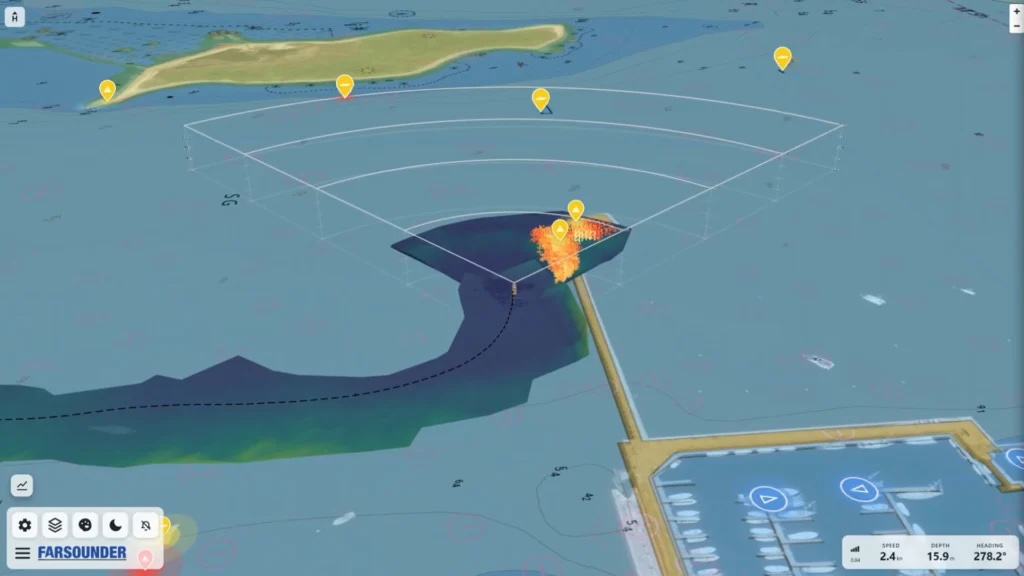
Rounding out the month was FarSounder’s integration of its Argos Forward Looking Sonar with Tocaro Blue’s ProteusCore software, bringing AI-enhanced radar perception and real-time subsea awareness into a single operator interface. In congested waterways and poorly charted environments, the quality of information reaching the operator is often the limiting factor — not the sensors generating it.
Taken together, May’s coverage pointed to an industry focused less on demonstrating what autonomous maritime systems can do and more on making them dependable enough to rely on.