

The Global Sourcing Hub for Marine, Subsea & Offshore Technology
Discover cutting-edge solutions from leading global suppliers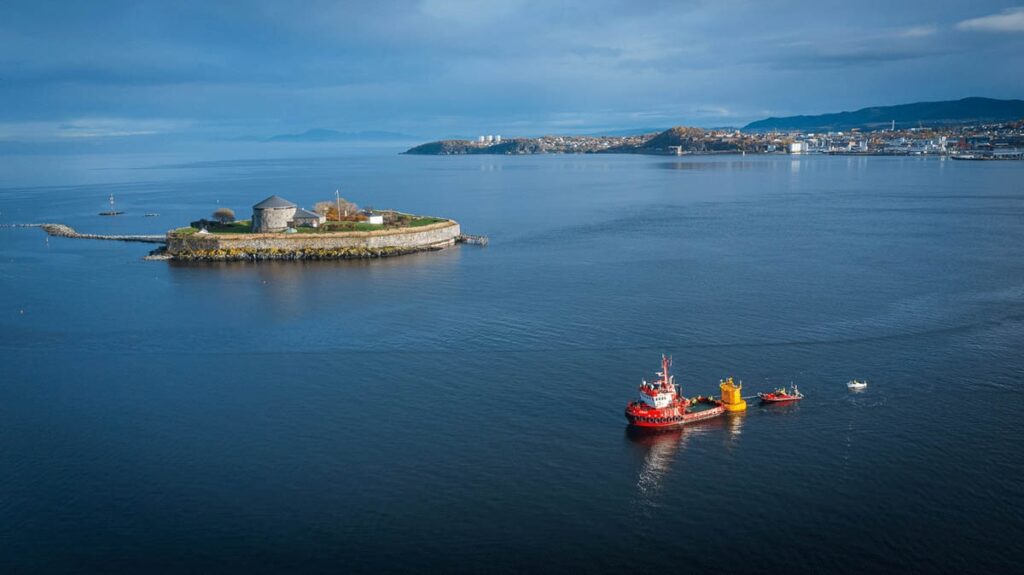
The European Defence Fund has awarded more than EUR 56 million to three collaborative research projects aimed at advancing underwater security networks and maritime energy systems.
The funding will support initiatives to establish new standards for advanced underwater networks and accelerate the transition to renewable energy solutions for European naval vessels. Norway is currently the only non-EU member country participating in the European Defence Fund (EDF), an EU program dedicated to coordinating the European defense industry and financing joint technological development. In the 2025 call, Norway is participating in 16 of 57 projects, contributing to a total of 82 projects out of 279 launched since 2021. Major national participants include Kongsberg Gruppen, Nammo, the Norwegian Defence Research Establishment, and SINTEF, alongside numerous small and medium-sized enterprises.
“The EDF is an important platform where military and civilian research and technology communities can work together to strengthen Europe’s defence capability. We are glad the government has ensured Norwegian participation in this programme,” says Vegar Johansen, CEO of SINTEF Ocean.
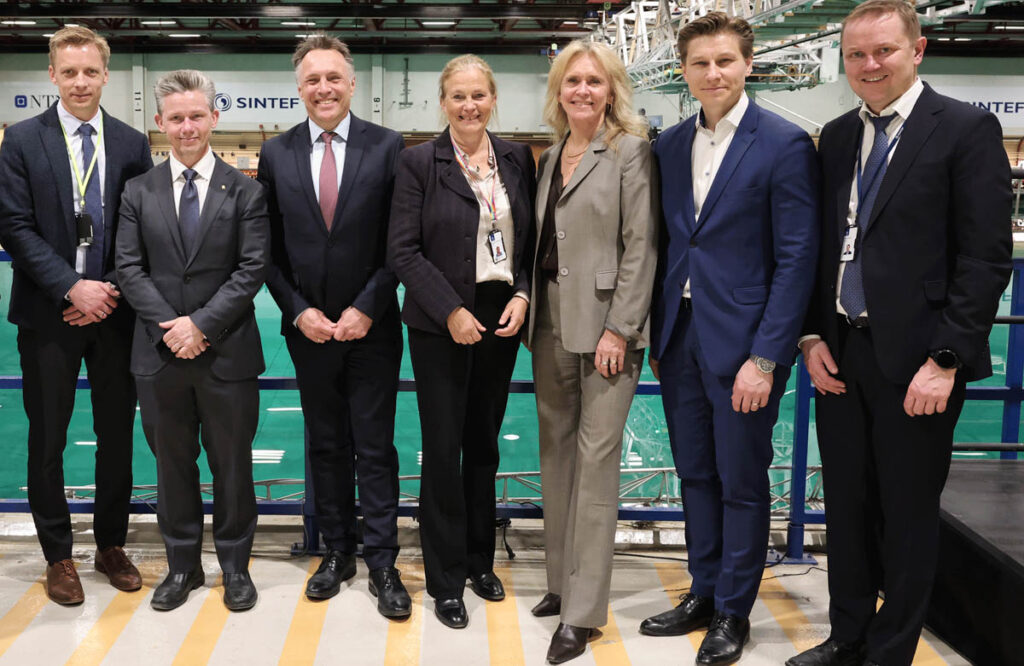
“It is important for the government to support Norwegian participation in the EDF, and Norway is the only participating country that is not an EU member. Taking part gives Norwegian companies and research communities access to funding and collaborative arenas, and helps us access the EU market. Together with European actors, we contribute to developing national and European defence capabilities and to strengthening NATO,” adds Norwegian Minister of Defence Tore O. Sandvik.
To address rising security challenges in coastal areas, the SHIELD project will focus on creating a new system for unmanned underwater surveillance. This project will link underwater vehicles, divers, surface vessels, and various sensors into a shared, standardized architecture known as an “Unmanned Underwater Supersystem.” SINTEF will provide simulation expertise, software for complex system analysis, and specialized knowledge regarding the behavior and navigation of underwater robotics.
“We will use the Norwegian Ocean Technology Centre in Trondheim and its research infrastructure for full-scale testing and underwater research,” says Emlyn Davies, Research manager for Marine modelling and autonomous systems at SINTEF Ocean. “Advanced underwater networks and systems of systems are highly relevant for Norwegian conditions, where our complex ocean areas place high demands on our understanding of the underwater situation.”
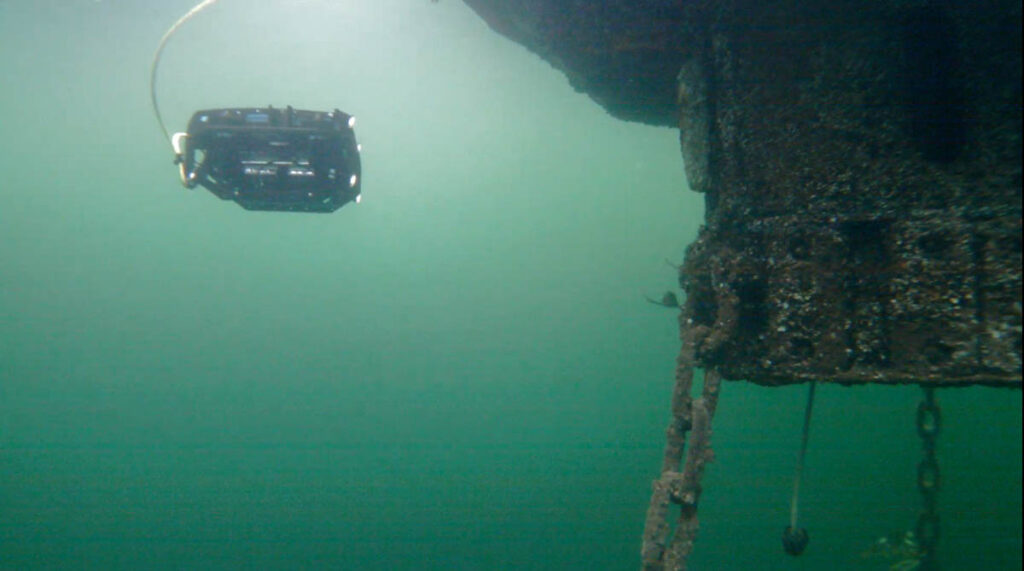
The DEEP TECH project aims to develop technology specifically tailored for monitoring critical infrastructure in ultra-deep water down to 6000 metres, allowing operators to detect problems early, understand their origins, and manage them effectively. SINTEF Ocean will act as the technical coordinator, overseeing the integration of underwater robotics, autonomy, sensor systems, and energy systems. The organization will also deploy its numerical ocean modelling system to simulate physical and acoustic processes at high resolution deep beneath the sea surface.
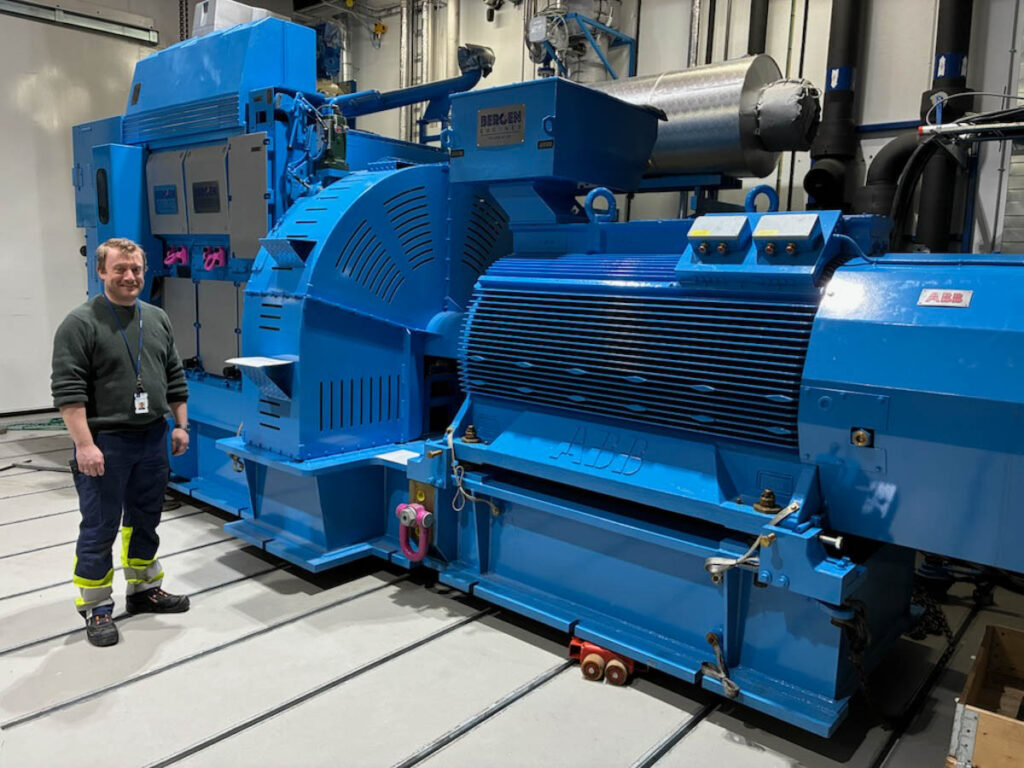
“Having the role of technical coordinator, involving overall leadership and follow-up of all technicalities, is extremely exciting,” says SINTEF Ocean Senior researcher, Sveinung Ohrem. “Norway has a great deal of critical underwater infrastructure. Being entrusted to lead and coordinate the development of ground-breaking technology to monitor and protect this infrastructure is a vote of confidence.”
The MINERVA project will explore the transition to renewable and hybrid energy solutions for European naval vessels to increase military capability, robustness, and operational freedom. This initiative supports the objectives of the EU Green Deal and aims to reduce dependence on energy from other countries.
“We will contribute analyses of available fuels, assess new machinery components, and study various propeller and propulsion solutions that can reduce energy consumption and noise,” says SINTEF Ocean Senior researcher, Kristine Bruun Ludvigsen. Ludvigsen is responsible for coordinating the efforts on designing new propulsion systems, with parts of the testing carried out at SINTEF’s new laboratory for maritime energy systems. “At the same time, the project builds national expertise and can make us less dependent on fossil energy sources and vulnerable supply chains.”
“It is clear that the Norwegian defence industry is at the global forefront in certain areas, for example when it comes to underwater technology,” comments Norway’s Minister of Defence Sandvik.