
Cetasol discusses how shipping companies are comparing future marine fuel pathways as the maritime industry balances emissions reduction targets with operational, safety, and commercial realities. Read more >>
Fuel suitability depends on factors including vessel type, route profile, bunkering availability, onboard space, retrofit constraints, and long-term infrastructure readiness. LNG, methanol, and biofuels are identified as practical transition pathways for meeting near-term emissions requirements, while ammonia, hydrogen, and synthetic e-fuels are positioned as longer-horizon options that introduce additional complexity related to storage, handling, safety systems, and fuel availability at scale.
Operational efficiency remains central to every fuel pathway, as improvements in speed management, power usage, and operational consistency can reduce fuel consumption, emissions exposure, and cost regardless of fuel choice. Establishing reliable operational baselines is highlighted as a critical step before evaluating future fuels, helping fleets avoid unnecessary investment risk and improving confidence in long-term planning. Lifecycle emissions accounting also plays an increasingly important role, with well-to-wake methodologies providing a more complete picture of total climate impact than tank-to-wake measurements alone.
Fuel pathway decisions are assessed through a combination of route feasibility, onboard technical readiness, and commercial exposure. Bunkering access across trading corridors, engine compatibility, storage requirements, safety procedures, fuel price volatility, and carbon reporting obligations all influence whether a pathway is operationally viable. Retrofit strategies, dual-fuel vessel designs, phased adoption programs, and workforce training are presented as practical measures for reducing transition risk while maintaining fleet flexibility as regulations and fuel markets continue to evolve.
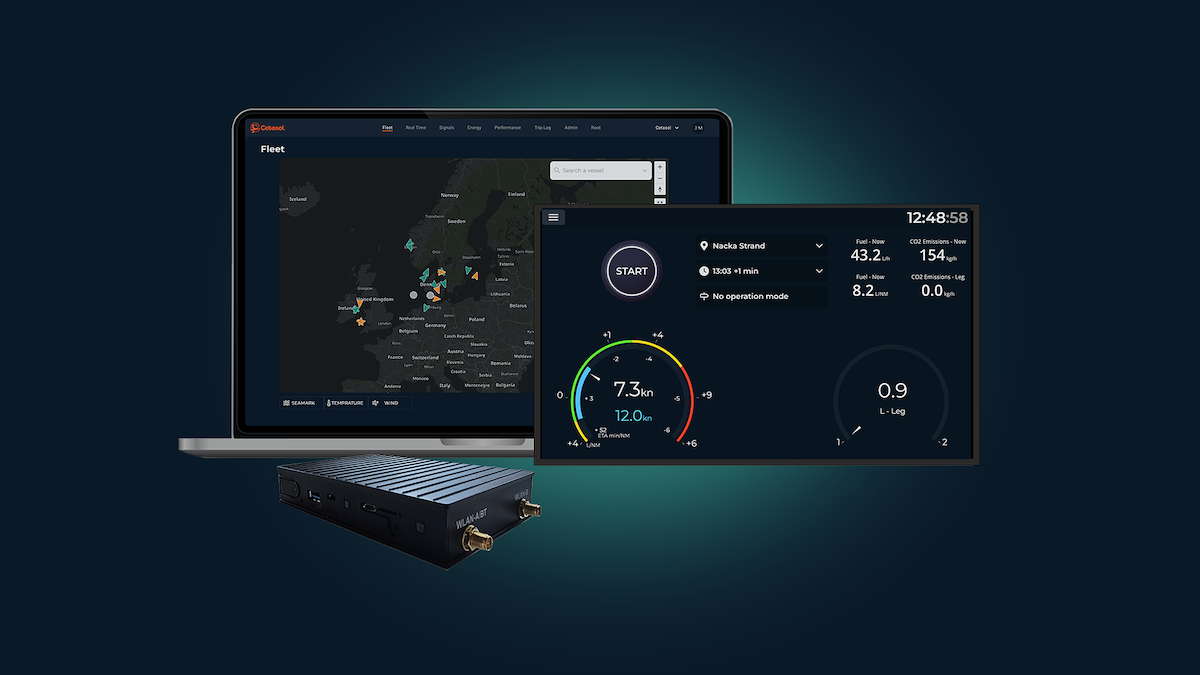
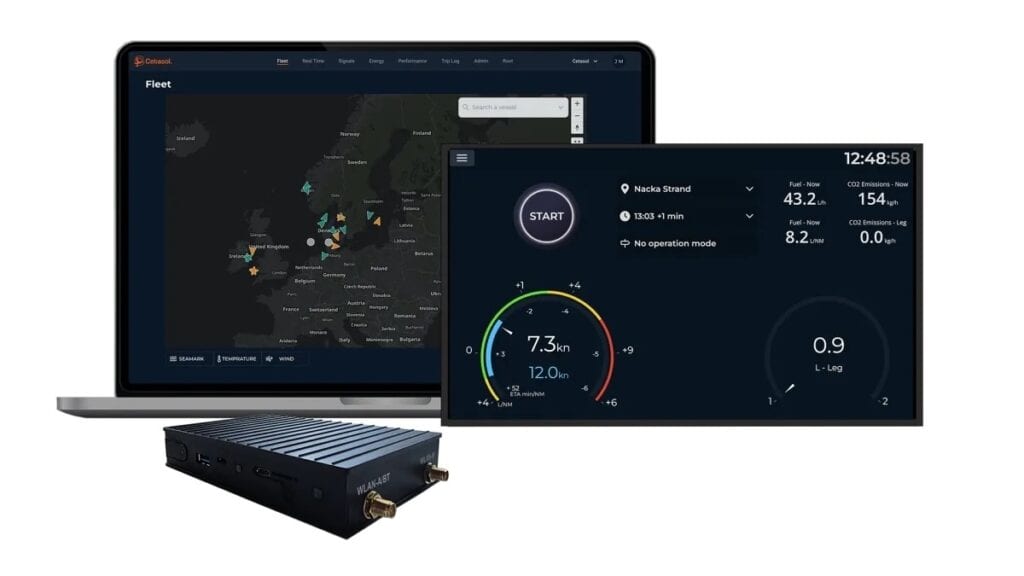
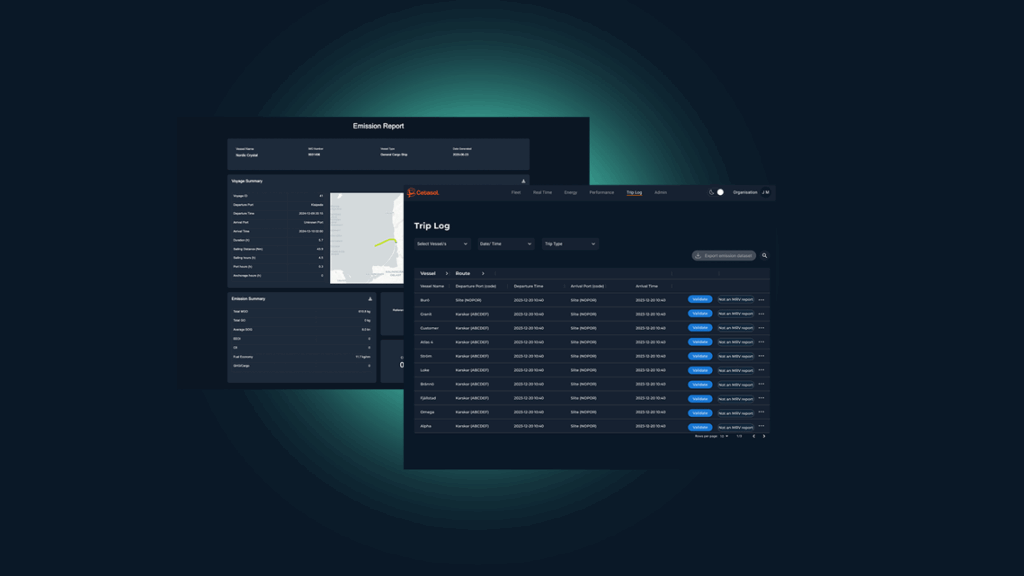
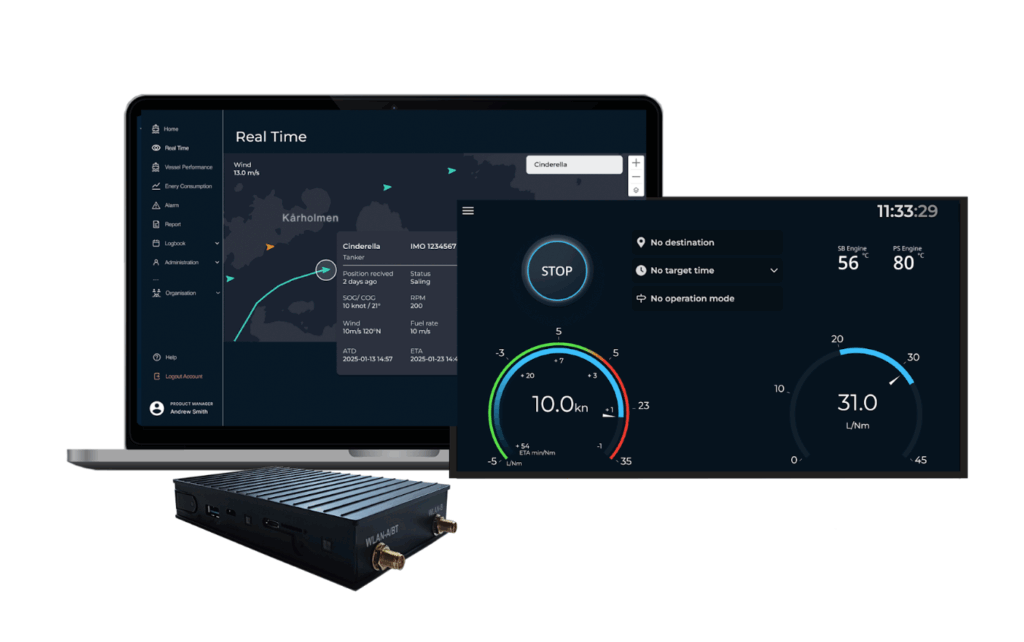
Cetasol positions its iHelm and CetaFuel platforms as tools for supporting data-driven transition planning. iHelm structures operational vessel data into consistent performance baselines across fleets, while CetaFuel applies digital twin modeling to evaluate fuel efficiency and operational and fuel-pathway tradeoffs without invasive hardware installations. Together, the platforms support continuous monitoring, scenario modeling, and operational optimization to help fleets compare fuel pathways using measurable operational data.