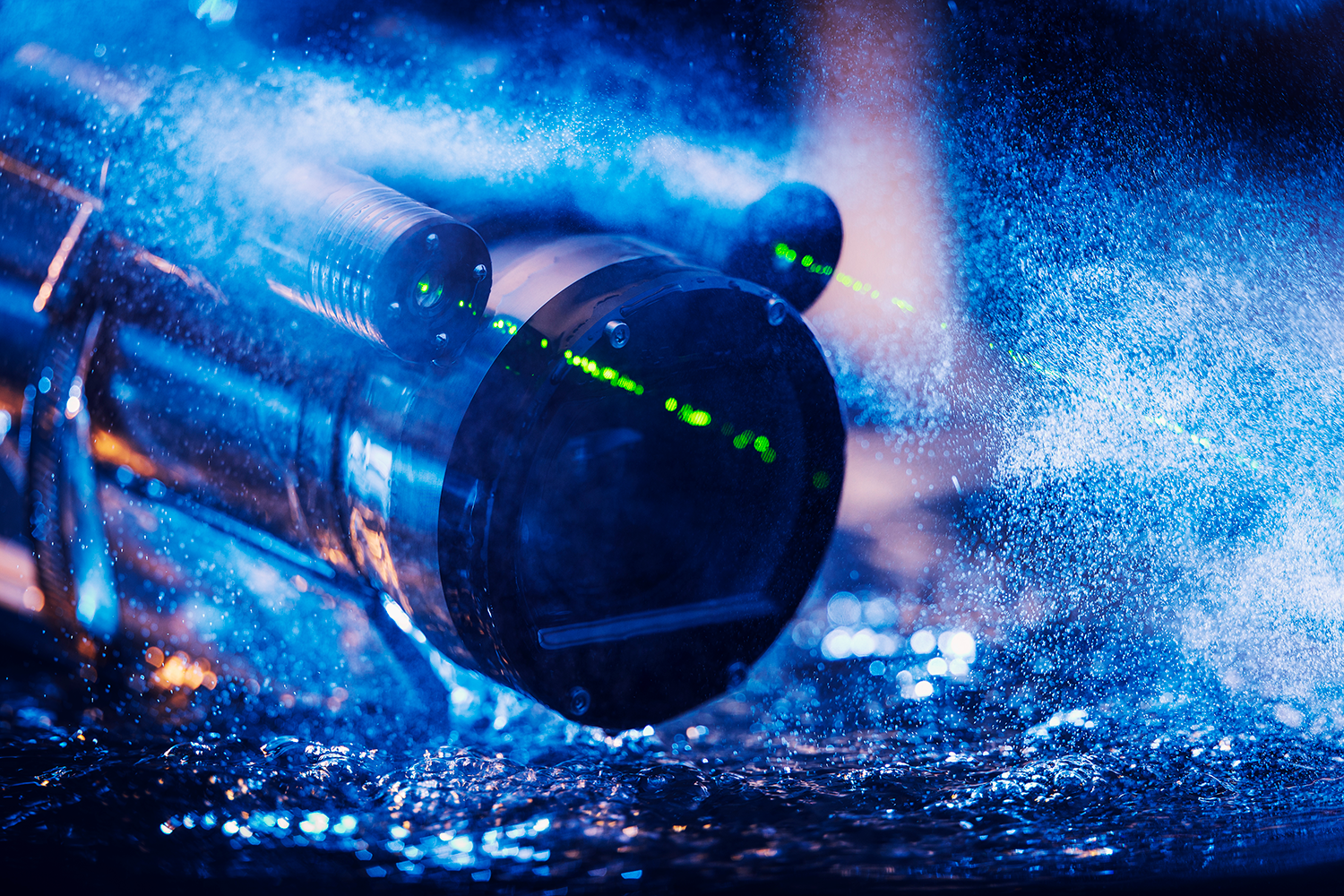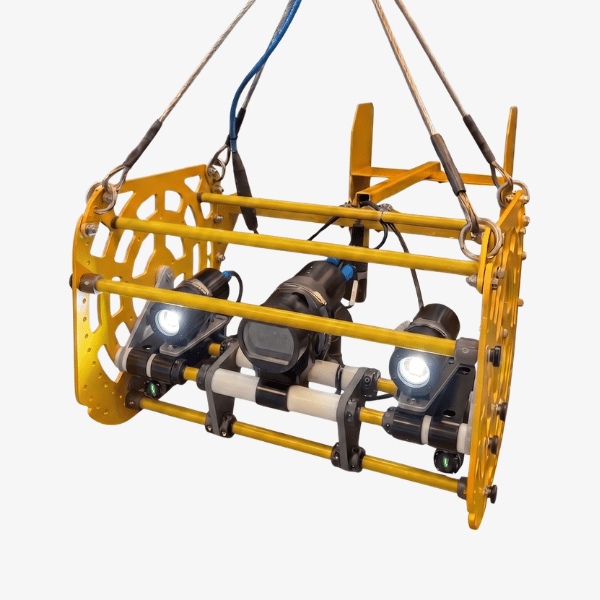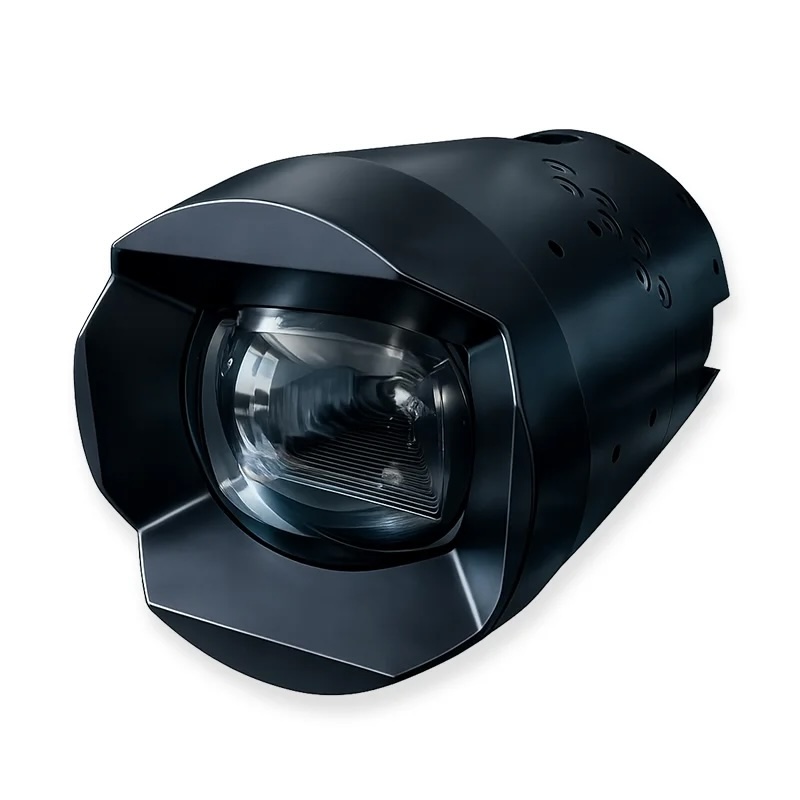



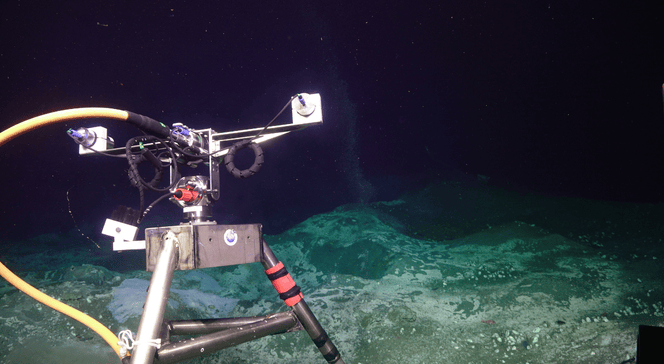
The US National Science Foundation’s Ocean Observatories Initiative is closely monitoring an active submarine volcano using a SubC Imaging camera, positioned to capture a potential eruption.
Located 480 km off the Oregon coast, Axial Seamount has shown increased seismic activity.
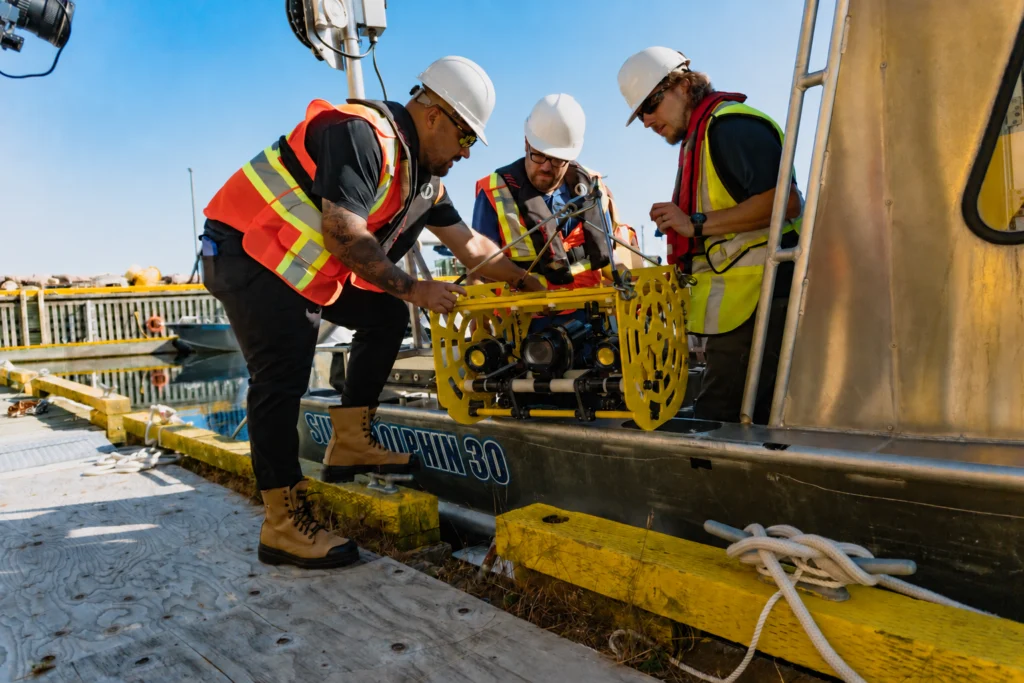
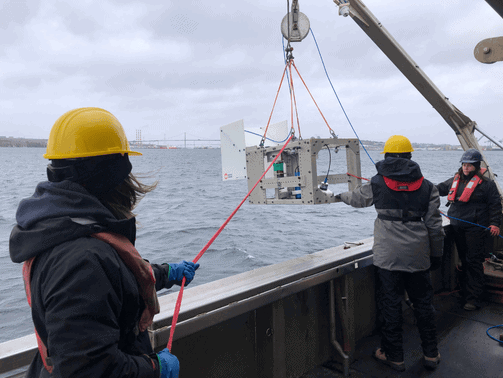
The volcano, which has erupted three times since 1998, most recently in 2015, is part of a deep-sea monitoring network operated by the University of Washington’s Regional Cabled Array. The SubC camera was adapted for use on the cabled network by engineers at the University of Washington’s Applied Physics Laboratory.

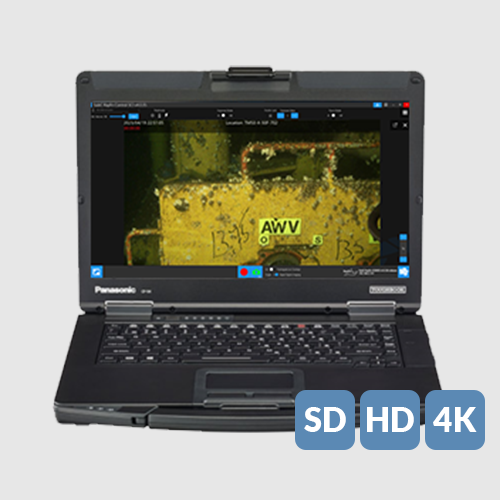
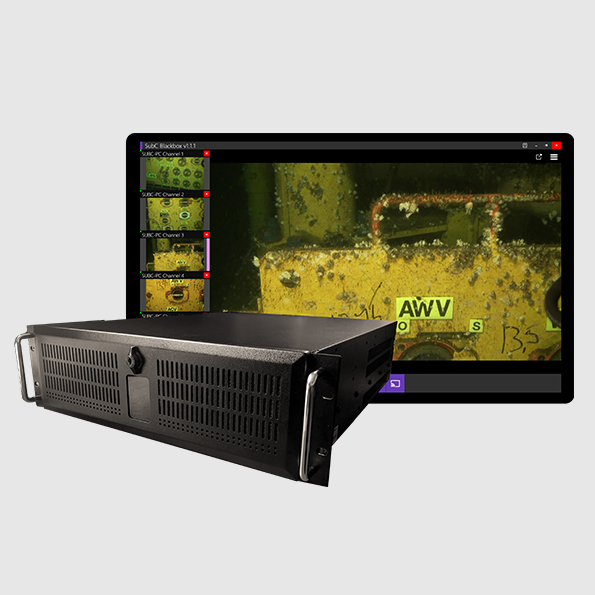
Continuous video streaming allows researchers to document changes in the seafloor environment in real time from 1500 meters below the surface. This data provides insights into how undersea volcanoes behave and impact surrounding ecosystems.
The camera was selected for its ability to provide reliable, high-quality video in harsh subsea environments. Its features include real-time video monitoring, high-resolution imagery, time-lapse footage, and durability for long-term deployment. This allows scientists to not only watch for eruption events but also study other geological and biological changes on the seamount.
Monitoring subsea eruptions offers valuable insights into plate tectonics, earthquake processes, and the formation of new ocean crust. These events also influence deep-sea ecosystems, creating unique environments around hydrothermal vents. By capturing these rare moments, SubC Imaging technology is helping researchers advance the understanding of Earth’s most dynamic underwater systems.