


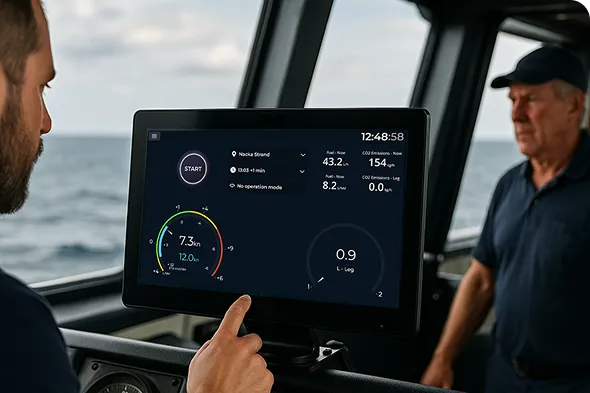
Cetasol examines the operational and human factors affecting maritime AI adoption in the article “Effective AI Adoption at Sea: Crew Training & Change Management Guide,” highlighting why crew training and structured change management are essential for successful implementation.
As operators work to reduce fuel consumption, improve emissions performance, and meet evolving regulatory requirements, AI-driven decision support systems are becoming an increasingly important part of vessel operations.
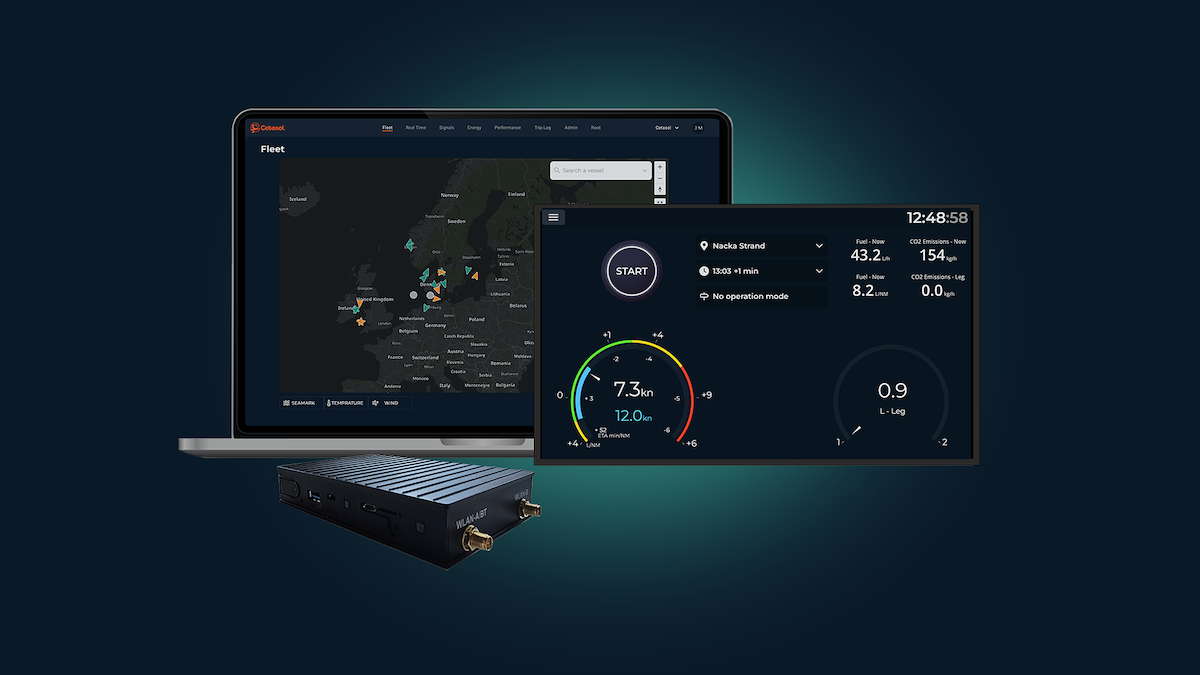
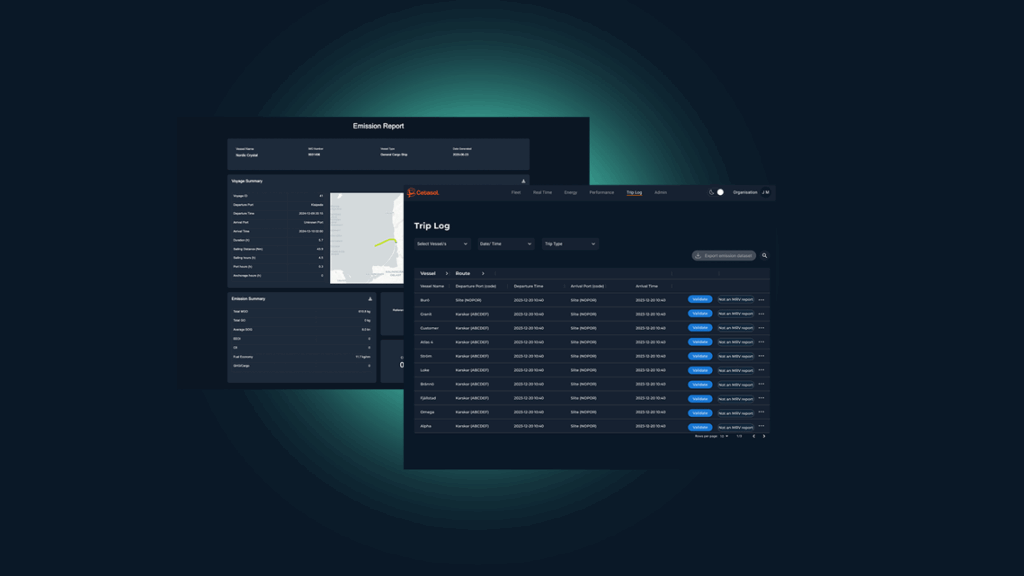
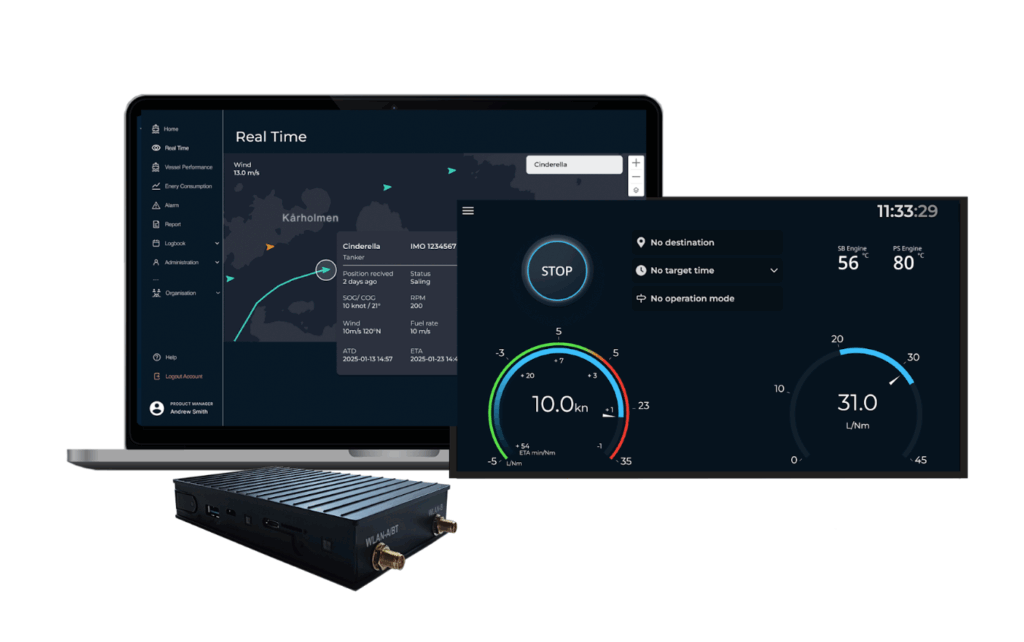
The article explores how platforms such as Cetasol’s iHelm provide real-time decision-support recommendations while maintaining full human oversight. It discusses how effective training helps crews understand and apply AI-generated insights, turning complex vessel data into practical operational information that can help support fuel-efficiency goals, operational safety, and compliance reporting.
The feature also examines common barriers to adoption, including digital literacy gaps, fragmented onboard systems, and concerns surrounding automation. In response, it outlines practical implementation strategies such as phased rollouts, leadership engagement, role-specific training, and continuous feedback loops designed to build crew confidence and encourage long-term adoption.
Read the full article to learn how Cetasol’s AI-powered technologies are helping maritime organizations strengthen operational awareness, support crews through AI adoption and operational digitalization, and advance safer and more sustainable vessel performance.