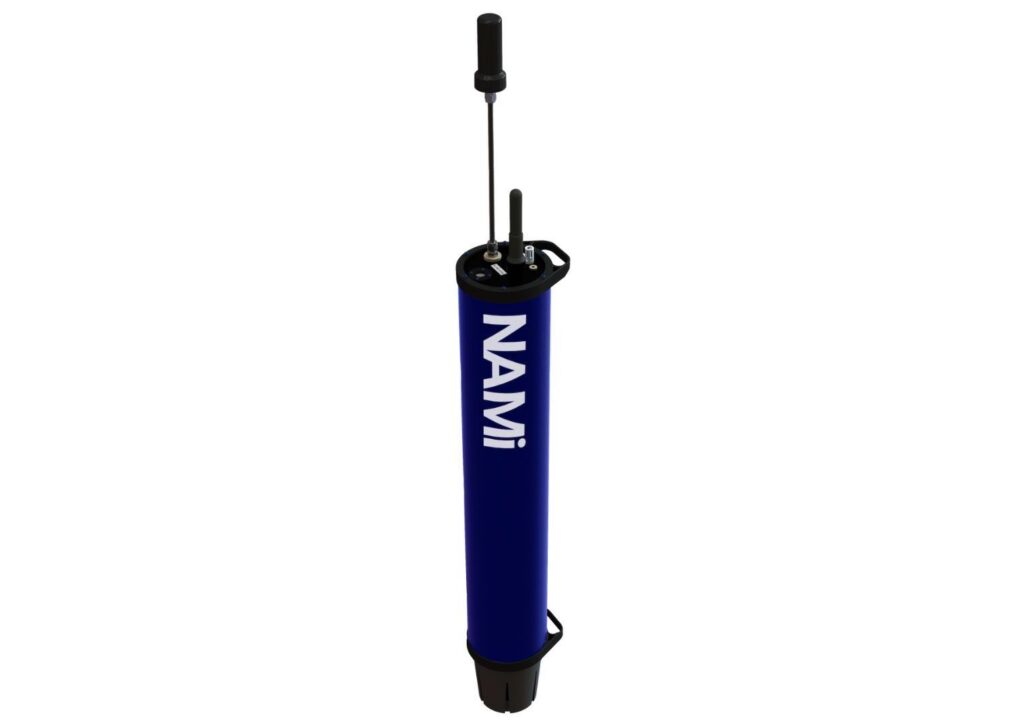


MetOcean Telematics explains how surface detection methods influence the reliability of subsea recovery operations, where identifying the exact moment an asset reaches the surface is essential for successful retrieval. Read more >>
In unpredictable ocean environments, recovery beacons must operate reliably despite factors such as turbulence, marine growth, debris, and partial submersion, all of which can interfere with detection performance.
Surface Detection & Recovery Functions
Surface detection triggers critical recovery functions including satellite communications and visual signaling. If a beacon does not recognize that it has surfaced, recovery systems may fail to activate communications or visual alerts, potentially delaying or preventing retrieval operations.
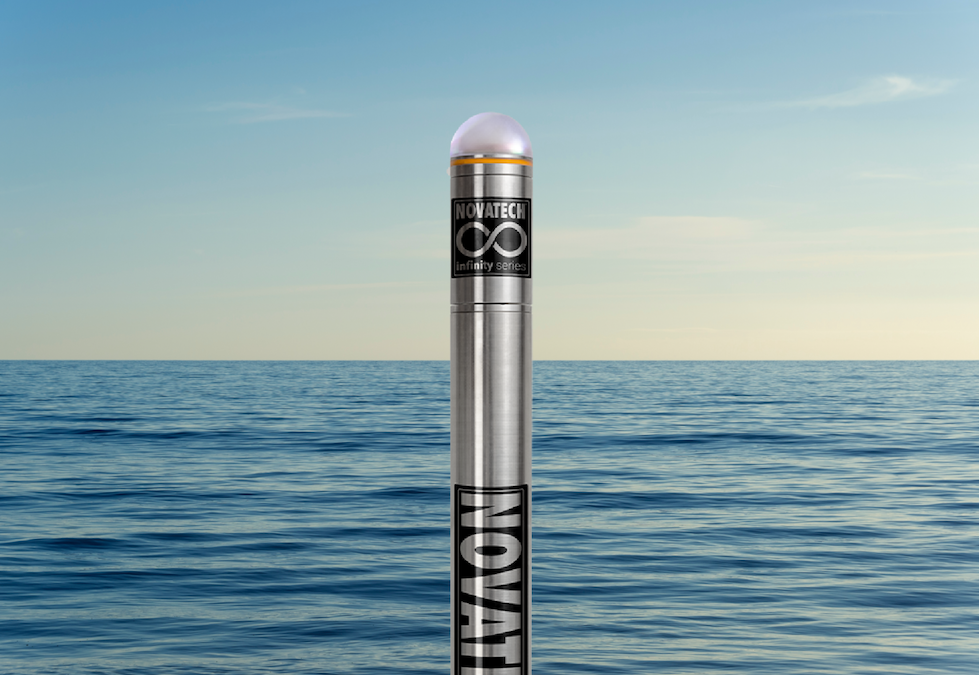
While many locator beacons rely on a single sensing approach, the Infinity-iF from MetOcean Telematics incorporates multiple configurable surface detection methods to provide redundancy and more dependable surface alerting across varying deployment conditions.
Sensing Methods & Configurable Redundancy
One commonly used approach is conductivity sensing, which determines whether a beacon is submerged by measuring the electrical connection created by conductive seawater, with the circuit broken when the device surfaces and exits the water. This method offers very low power consumption and performs effectively in clean environments, but biofouling or debris may continue maintaining a conductive path after surfacing, potentially affecting surface detection reliability during long-term deployments.
Capacitance sensing operates differently by monitoring changes in the electrical field around an internal electrode. Because water and air have different dielectric properties, the system can identify whether the device remains submerged or exposed. With sensing elements protected inside the beacon, capacitance systems are generally more resistant to contamination and biofouling, although they require higher power consumption and may need additional calibration depending on operating conditions.
GNSS-based detection provides another method by confirming surfacing through satellite signal acquisition, since GNSS signals cannot penetrate water. Successful reception of a GNSS fix therefore confirms that the beacon has reached the surface while also providing immediate positioning data. Although this approach is highly reliable and unaffected by salinity, fouling, or conductivity conditions, it consumes more power and relies on periodic signal checks.
The Infinity-iF combines conductivity, capacitance, and GNSS detection methods, allowing operators to configure each independently or together depending on mission requirements. For example, a low-power conductivity sensor may run surfacing checks frequently, while GNSS checks occur less often, with GNSS providing a reliable backup if environmental factors affect the primary method.
As subsea operations move into deeper and more challenging environments, this type of redundant design helps support consistent and dependable recovery outcomes. The layered approach reduces the risk of missed surface detections or false readings, especially in long, challenging ocean deployments.