The Global Sourcing Hub for Marine, Subsea & Offshore Technology
Discover cutting-edge solutions from leading global suppliers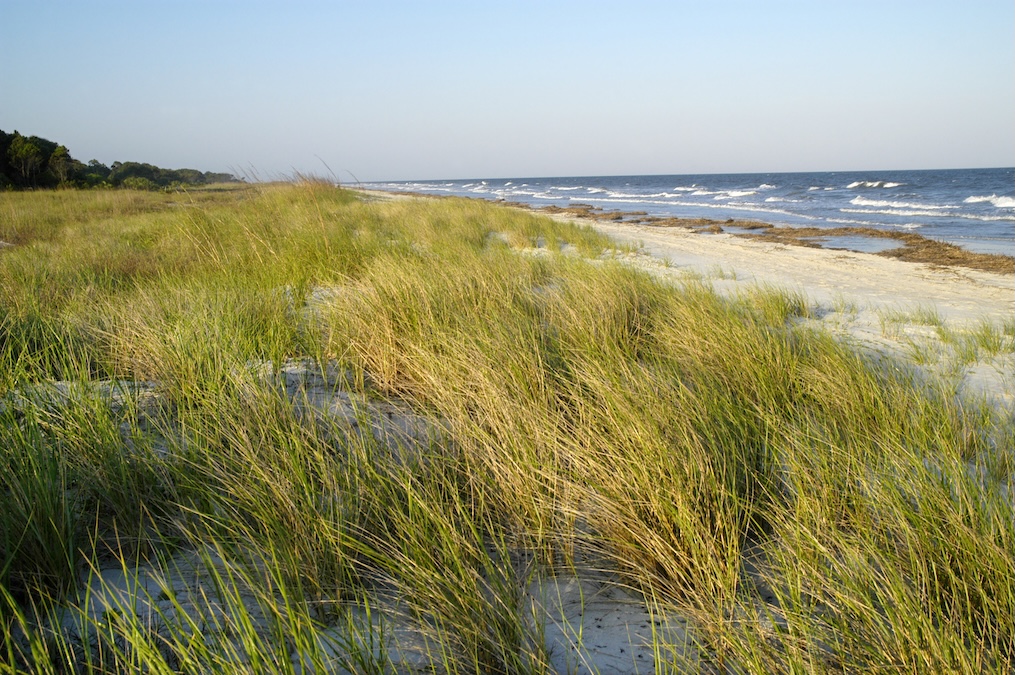
As coastal regions face mounting pressure from climate-related impacts, David Ince, Event Director at Oceanology International, highlights the role of technology, policy frameworks, engineering practice, and nature-based strategies in strengthening shoreline protection while supporting sustainable economic activity.
Oceanology International will return to London’s ExCeL from 10 to 12 March 2026, convening more than 8,000 participants and 500 exhibiting organizations from around the world. The 2026 edition will expand its emphasis on coastal and shallow water solutions, establishing a dedicated platform for developments in erosion mitigation, sediment transport assessment, shoreline stabilization, and climate adaptation that contribute to resilient coastal communities and healthy marine ecosystems.
Coastal areas, which sustain billions of people and support significant portions of global trade and industry, are experiencing intensifying risk. Sea-level rise, more powerful storm systems, shifting weather patterns, accelerated erosion, unregulated expansion, and biodiversity loss are increasing vulnerability. Rapid population growth in waterfront regions, particularly across Asia and Africa, is heightening exposure while placing additional strain on fragile environments.

David Ince, Event Director at Oceanology International
Protecting these regions requires integrated action. Measures spanning predictive modeling, environmental monitoring, habitat restoration, and sustainable infrastructure planning are essential to reduce risk and reinforce resilience. Effective coastal management must also ensure dependable maritime access, robust offshore energy infrastructure, secure ports and harbors, and responsible marine tourism and aquaculture operations.
Scale of the Coastal Risk
Globally, high-tide flooding, storm surges, erosion, and intensifying hurricanes and typhoons are generating measurable impacts. Saltwater intrusion is affecting agricultural land in areas including Southeast Asia and the Pacific Islands. These pressures are projected to grow as climate-related changes continue.
Coastal zones remain central to economic development. Analysis using high-resolution population data from Oak Ridge National Laboratory’s Global LandScan Project indicates that more than two billion people, approximately 30 percent of the world’s population, reside within 50 kilometers of a coastline. In Europe, over 200 million people live in coastal regions, which contribute nearly 40 percent of GDP and facilitate about 75 percent of international trade through maritime transport.
In England, shoreline retreat ranks among the most rapid in Europe. The 2024 national flood and coastal erosion risk assessment by the Environment Agency indicates that, even with Shoreline Management Plans implemented, up to 19,700 properties may be exposed to erosion risk by the end of the century. Without the planned investment outlined in these strategies, that number could increase fivefold. The agency has committed £7.9 billion in capital funding over a ten-year period to reduce flood risk for 840,000 properties.
At the international level, projections from the Intergovernmental Panel on Climate Change of the United Nations estimate average global sea-level rise of 15 to 30 centimeters by 2050. Small island developing states and low-lying nations have called for strengthened legal mechanisms in response to these projections.
Advancing Coastal Protection Through Technology
A combination of digital systems, engineered infrastructure, and ecosystem-based approaches is shaping the next phase of coastal defense. Space-enabled services are becoming increasingly significant. The European Space Agency is inviting tenders to design and deploy solutions that improve resilience and sustainability in coastal regions. These initiatives draw on satellite Earth observation, global navigation satellite systems, and satellite communications to support early warning capabilities, ecosystem management, infrastructure planning, disaster response, and port operations.
Engineering progress is also evident in the development of environmentally compatible movable barrier systems and biogenic mussel reefs intended to reduce erosion while supporting biodiversity. Artificial reef construction and living shoreline programs are advancing in parallel. Ground reinforcement techniques such as microbial-induced carbonate precipitation and enzyme-induced calcium carbonate precipitation are being evaluated as lower-impact approaches for erosion control and seabed stabilization.
Digital technologies further enhance these efforts. Uncrewed Aerial Systems (UAS), advanced sensor networks, connected monitoring platforms, and Internet of Things architectures enable continuous environmental observation. High-resolution modeling and simulation, combined with data analytics and artificial intelligence, improve forecasting accuracy for flooding and sediment movement, supporting evidence-based coastal planning.
Coastal Focus at Oi26
Oceanology International 2026 will provide a collaborative environment for coastal engineers, hydrographic surveyors, geospatial specialists, port and harbor engineers, environmental consultants, marine data professionals, and coastal planners. The expanded coastal focus reflects the growing requirement for integrated solutions that combine environmental stewardship with long-term economic resilience.
The newly launched COAST initiative will serve as a gateway for organizations specializing in nearshore and shallow water environments to connect with a focused professional audience. The program is structured to facilitate engagement around practical technologies and services designed for dynamic coastal settings.
Conference discussions will address climate adaptation planning, blue carbon and habitat restoration, flood forecasting through predictive modeling, and cross-sector coordination in marine spatial planning. Live demonstrations and technical sessions will present applied innovations relevant to shoreline management and coastal infrastructure protection.
Additional information, including access to the Coastal Resilience whitepaper and event registration details, is available through the Oi26 website.