Vessel performance technology uses propulsion, engine, navigation, and environmental data to measure how ships operate across changing routes, loads, and sea states. These systems support commercial fleets, research and survey vessels, naval platforms, workboats, and offshore support vessels by tracking fuel use, hull performance, engine load, voyage execution, and emissions-related metrics.
This page showcases leading suppliers of vessel performance analytics technology and ship performance monitoring software, integrating sensors, telemetry, digital twins, and shoreside dashboards to support maritime operations.
If you design, build or supply Vessel Efficiency Management, create a profile to showcase your capabilities and connect with visitors who have an active requirement for your solutions.
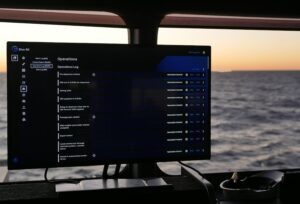
Web-based consolidated management, planning & analysis for maritime assets
Web-based consolidated management, planning & analysis for maritime assets
...ep Submergence Vessel (DSV Limiting Factor), the world’s deepest diving submersible, where it... ...MarOps on your vessel for offline operations or opt for cloud-based installation to suit your...
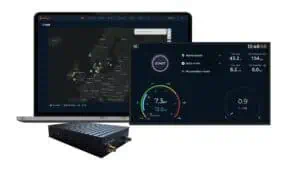
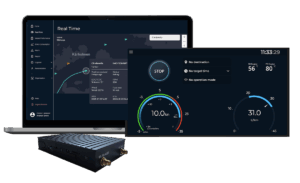
Intelligent AI-powered energy optimization and decision support for the entire fleet
Intelligent AI-powered energy optimization and decision support for the entire fleet
......his ensures optimized performance even under highly dynamic and unpredictable maritime... ...nced AI-driven optimization tool that is ideal for fleets of any size and vessels of any type,...
Overview of Vessel Performance Technology & Ship Performance Optimization Systems
Overview by
Eleanor Widdows
Updated:
Vessel performance technology and ship performance optimization systems analyze operational data from propulsion systems, engines, navigation instruments, and environmental sensors. These platforms provide continuous visibility into vessel performance, fuel consumption, and voyage execution across commercial fleets, research vessels, and naval platforms.
Types of Vessel Performance Technology
Vessel performance technology can include several types of monitoring and analytics platforms:
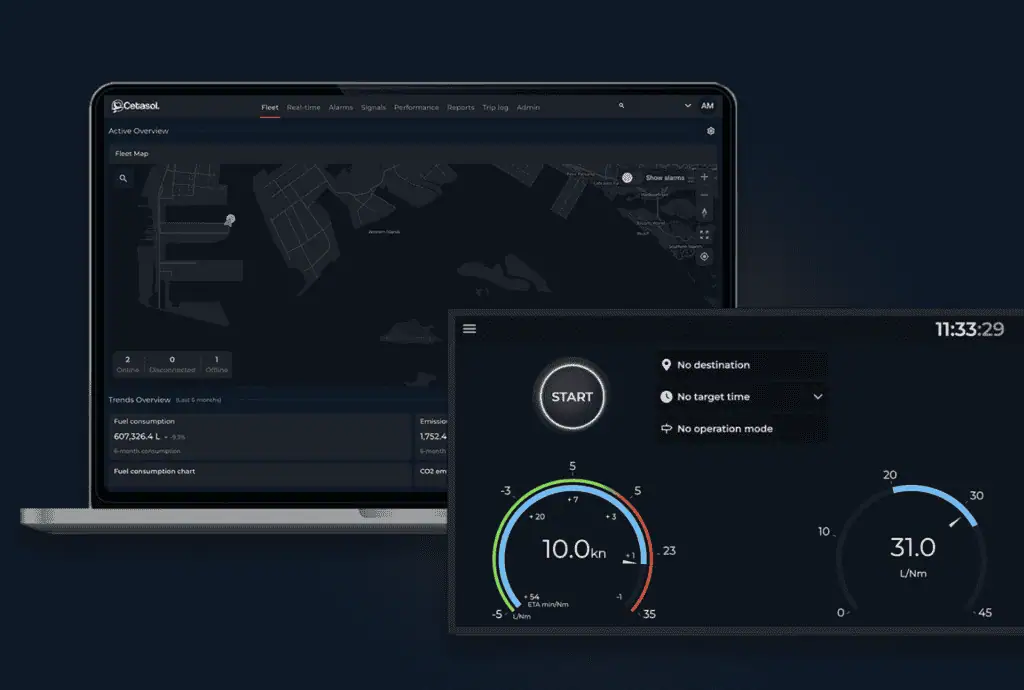
iHelm Energy Optimization and Vessel Efficiency Tool by Cetasol
Ship performance optimization systems that track propulsion efficiency, fuel consumption, and operational metrics.
Vessel performance analytics platforms that process engine, navigation, and sensor data to optimize fleet operations.
Hull performance monitoring systems that analyze drag, fouling, and hydrodynamic performance.
Fuel performance monitoring systems that measure fuel flow, consumption trends, and engine efficiency.
Fleet performance monitoring systems that compare operational data across multiple vessels.
Applications of Marine Performance Monitoring Platforms
Efficiency-management systems are now deployed across a wide spectrum of maritime assets:
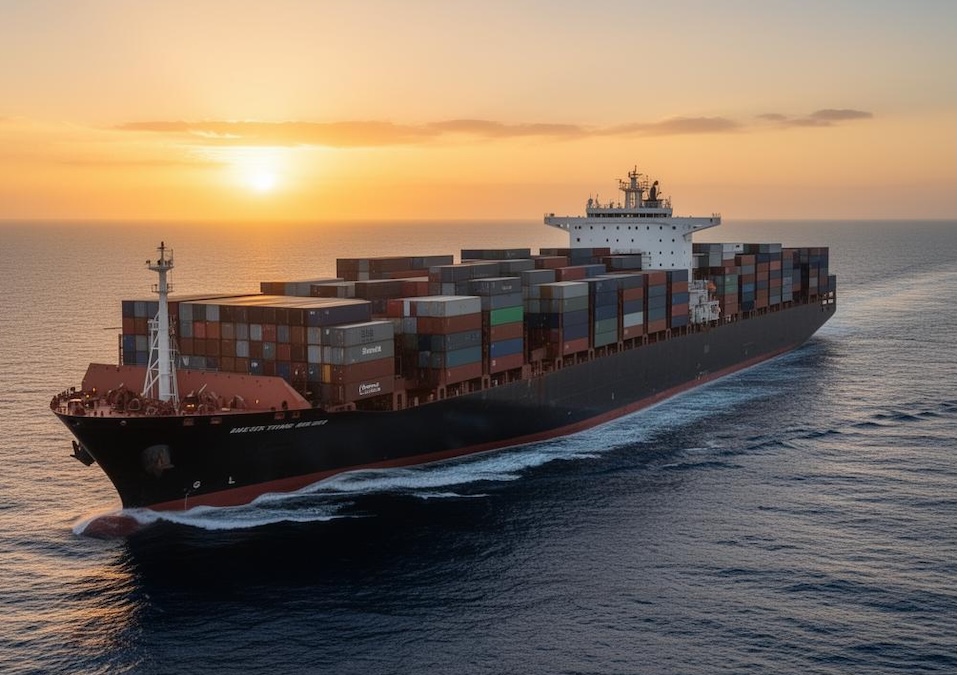
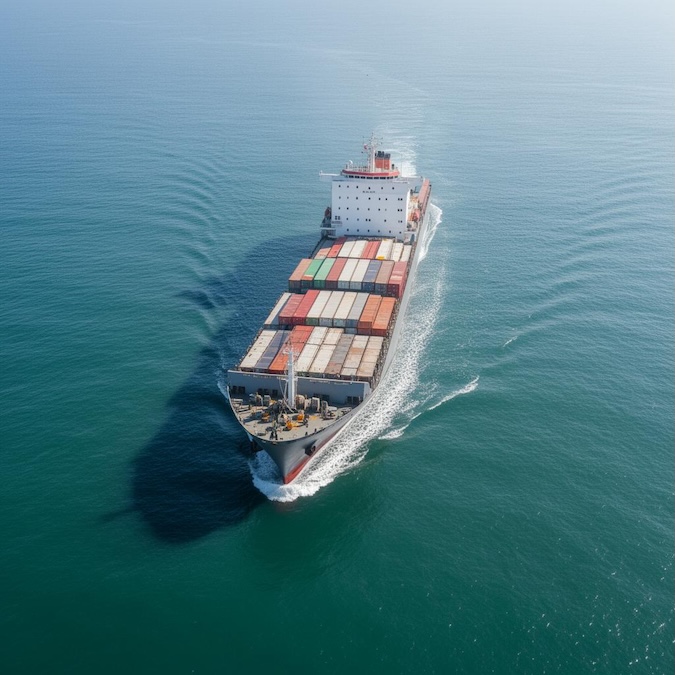
Commercial shipping fleets: Container ships and tankers use integrated platforms to reduce fuel consumption and carbon intensity.
Naval and defense vessels: Energy-optimization systems enhance endurance and reduce acoustic signatures.
Research and survey vessels: Precision control of propulsion and energy use supports environmental and oceanographic missions.
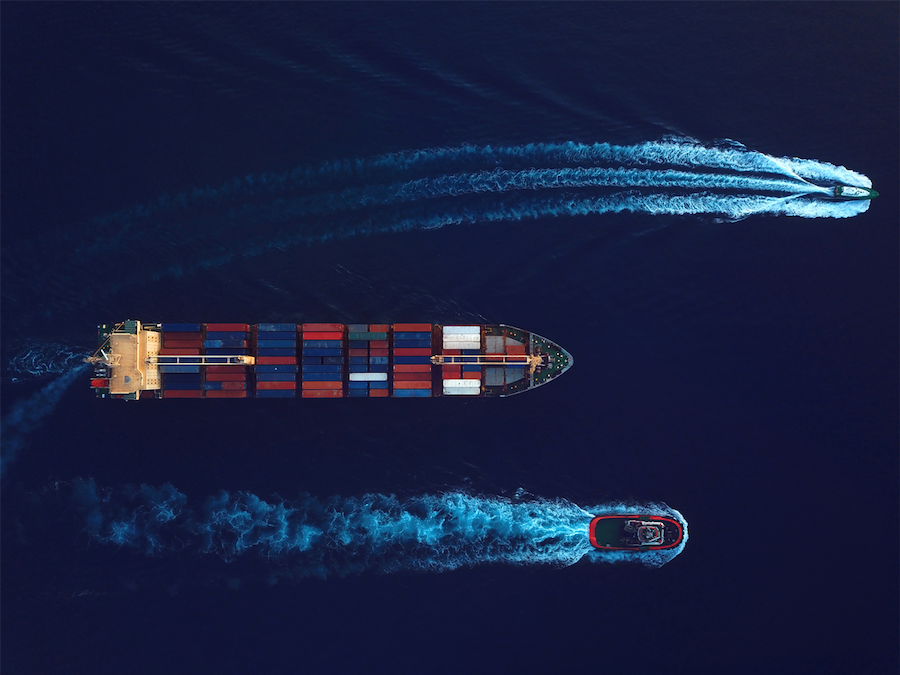
Workboats, tugs, and offshore support vessels: Compact, lightweight efficiency solutions improve maneuverability and reduce port-operation costs.
Each sector applies vessel-optimization technologies to balance performance, reliability, and environmental responsibility.
Core Components of Ship Performance Optimization Systems
Modern vessel performance monitoring platforms integrate sensors, telemetry systems, and analytics software to track vessel operations in real time. Core components include:
RPM monitoring and engine performance tracking to optimize engine load and minimize fuel burn.
Fuel-flow meters and maritime fuel efficiency software for benchmarking and identifying inefficiencies.
GNSS-based route optimization and voyage planning systems that shorten distances and reduce emissions.
NMEA 0183 and NMEA 2000 connectivity for standardized data exchange between onboard instruments.
Digital twins and simulation models for predicting performance under different operational conditions.
AI-driven ship performance monitoring software and decision-support systems that continuously fine-tune propulsion and auxiliary systems.
These vessel performance optimization tools allow operators to collect and visualize data from propulsion, navigation, and environmental sensors, enabling precision decision-making at sea and ashore.
Connected Vessels & Intelligent Decision Support
Modern vessel performance technology supports the transition to connected vessels, in which operational data from propulsion, hull performance, and navigation systems are analyzed continuously. Intelligent decision-support platforms consolidate live data from propulsion systems, hull resistance, and weather routing to provide actionable insights.
By integrating vessel-performance analytics, fuel-optimization algorithms, and real-time telemetry, these systems help fleets minimize energy waste and ensure continuous vessel-efficiency monitoring. Cloud-based platforms synchronize onboard and shoreside data, giving operators full control over emissions targets, regulatory compliance, and maintenance scheduling.
Digital twins replicate vessel behavior in various sea states, enabling predictive scenario analysis and proactive adjustments. The result is improved operational efficiency, safety, and sustainability across global fleets.
Predictive Maintenance & Performance Optimization
Many vessel performance monitoring systems incorporate predictive maintenance analytics to detect early signs of component wear using vibration, temperature, and RPM data. These insights allow crews to perform maintenance only when required, reducing downtime, extending component life, and maintaining optimal vessel efficiency.
Combining predictive analytics with historical data transforms maintenance strategies from reactive to proactive, aligning with SEEMP and EEDI requirements for continuous improvement in energy performance.
Regulatory Compliance & Sustainable Operations
Regulatory frameworks such as IMO and MARPOL increasingly rely on vessel performance monitoring systems to track fuel consumption, emissions, and operational efficiency. Digital reporting platforms now automate energy-efficiency data collection, carbon-intensity monitoring, and EEDI verification.
Ship Energy Efficiency Management Plans (SEEMP) guide operators in measuring and improving energy use across voyages, while EEDI-compliant propulsion systems demonstrate reduced CO₂ emissions per ton-mile. Many operators also integrate Carbon Intensity Indicator (CII) tracking into their fleet-management dashboards to support transparent sustainability reporting.
Integration with Fleet Management & Ship Systems
Next-generation vessel-efficiency management systems are designed for interoperability. Through NMEA-compliant interfaces, GNSS integration, and satellite connectivity, data flows seamlessly between shipboard sensors and fleet-management hubs ashore.
Operators gain the ability to benchmark vessels across regions and operating conditions, uncovering trends that inform both operational and capital-investment decisions. This integration ensures vessel-energy management systems and fleet-optimization software work cohesively to support smarter, data-led maritime operations.
The Future of Vessel Performance Monitoring & Analytics
The future of vessel efficiency is intelligent and autonomous. Advances in AI-based vessel optimization, digital-twin simulation, and machine-learning analytics pave the way for self-optimizing ships capable of adjusting propulsion, routing, and auxiliary systems in real time.
Emerging solutions will link efficiency data with carbon-accounting frameworks, emissions-trading systems, and sustainability-reporting tools, enabling operators to meet evolving ESG and decarbonization targets.
Conclusion
Vessel performance monitoring systems are now essential tools for improving operational efficiency, reducing fuel consumption, and maintaining regulatory compliance across modern maritime fleets. By integrating real-time performance monitoring, AI-driven decision support, and predictive maintenance, ship operators can minimize fuel use, reduce CO₂ emissions, and achieve consistent regulatory compliance.
Explore Cetasol’s iHelm platform, leveraging AI, digital twin modelling, and real-time vessel data to enhance efficiency, reduce fuel consumption, and streamline regulatory compliance
Cetasol examines how shipping companies are evaluating future marine fuel pathways using operational baselines, lifecycle emissions accounting, and data-driven transition planning to balance decarbonization goals with operational and commercial constraints
Cetasol details how AI-supported voyage optimization uses real-time operational data, weather inputs, and vessel-specific modeling to improve fuel efficiency, maintain schedule accuracy, and support regulatory compliance in maritime operations
Cetasol explores how data driven approaches are enabling maritime decarbonization through improved operational efficiency, continuous emissions measurement, and digital monitoring, supporting compliance and performance
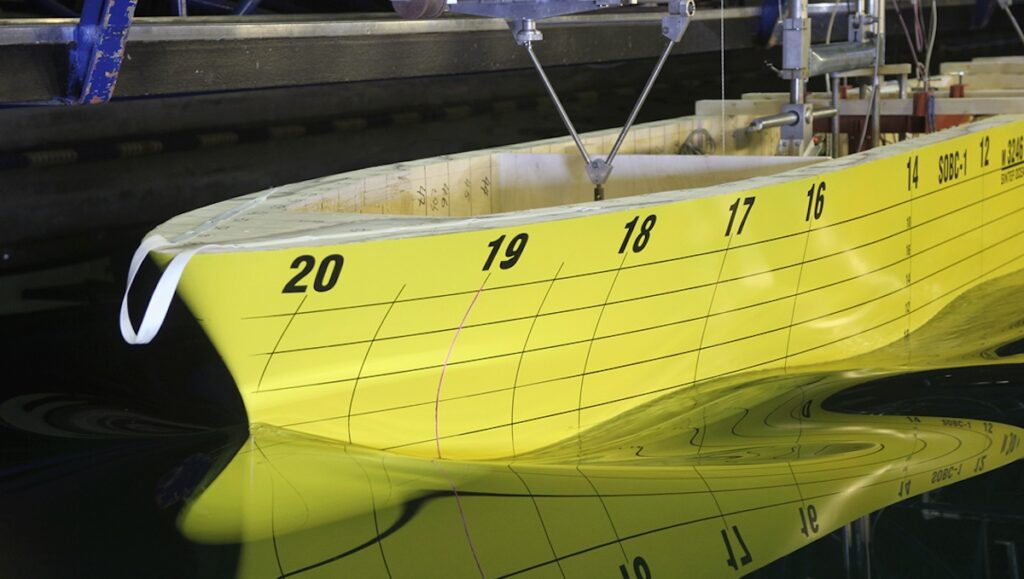
SINTEF Ocean uses artificial intelligence and experimental data to improve hull resistance estimation, enabling faster and more accurate design of energy-efficient offshore platform supply vessels
Cetasol outlines a data-driven method for building vessel digital twins, using operational data, behavioral modeling, and continuous validation to reflect real-world performance and support informed decision-making
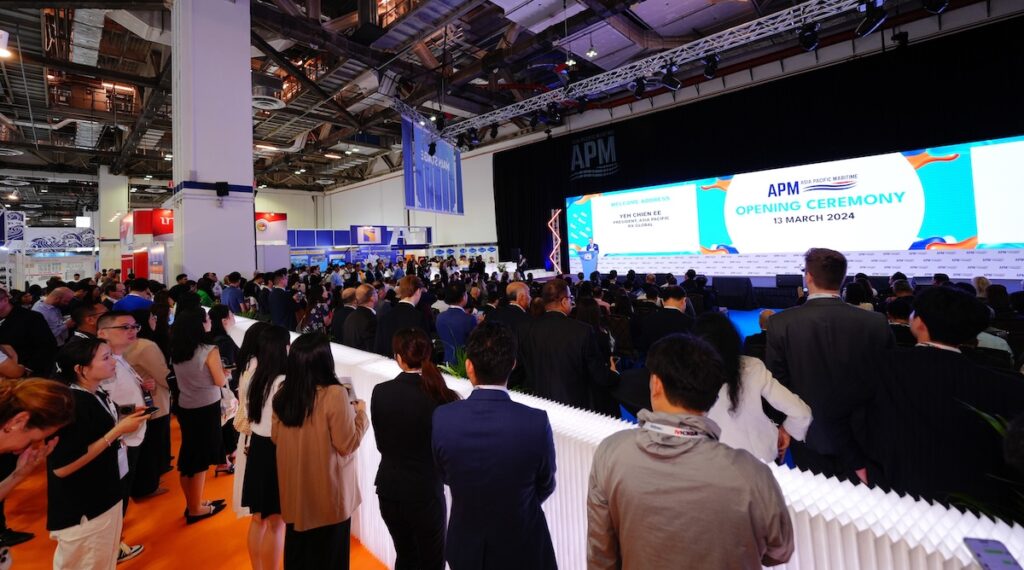
Asia Pacific Maritime 2026 convenes global shipowners as operational management takes center stage, addressing digitalization, decarbonization, and technologies shaping the future of maritime operations
Cetasol outlines how artificial intelligence, through its iHelm and CetaFuel platforms, delivers real-time optimization, digital twin modeling, and automated compliance reporting to reduce fuel consumption, emissions, and operational costs
Cetasol explains how Adaptive AI and Digital Twin modeling are improving maritime fuel efficiency, with its iHelm and CetaFuel platforms using real-time vessel data to optimize speed and routing, enable predictive maintenance, and calculate fuel flow, supporting smarter, more sustainable vessel operations
The latest offshore, subsea & marine technology news, straight to your inbox.
Get our weekly roundup of technology developments, new products and industry news.
THANK YOU FOR SIGNING UP
Thanks for joining us. Check your inbox.
We've sent you an email. Click the confirmation link to complete your subscription to the weekly eBrief. In the meantime, explore the latest news, suppliers and technologies.